
If you want the short version: Apidog is the closest all-in-one replacement for Stoplight Studio, because it keeps the visual OpenAPI editor you’re used to and adds mocking, testing, and published docs in the same workspace. SwaggerHub is the closest like-for-like design platform, Bruno and Yaak are the picks if you want your specs in Git and nothing in the cloud.
Most people land here for one reason: the Studio desktop app hasn’t moved in a while, and they want to know what to use instead. Here’s the honest state of things, then six alternatives worth your time.
Why teams are replacing Stoplight Studio in 2026
Stoplight itself is not dead. SmartBear acquired it and the hosted platform is still running and still shipping. But the Studio Desktop app is a different story: the public stoplightio/studio repository’s last release was version 2.10.0 Update 5 on February 29, 2024, and the repo hasn’t been pushed since. SmartBear staff on the community forums have said long-term desktop support isn’t in the plan and point users to Studio Web instead, where features like component libraries, style guides, and masking actually live.
There’s no formal end-of-life notice. There’s just a desktop editor that stopped receiving updates over two years ago, which is enough to make most teams look around.
The second reason is the pricing shape. Stoplight’s free tier covers 1 project and 1 user. The first paid step is Basic at $44/month billed annually (first 3 users included), then Startup at $113/month and Pro Team at $362/month. That’s fine for a funded team and painful for a two-person side project that just needs to edit a spec.
Looking for a documentation platform rather than a spec editor? Redocly, ReadMe, Mintlify, and Scalar are covered in our top 10 Stoplight alternatives roundup. This page focuses on tools that replace the Studio editor itself.
Stoplight Studio alternatives at a glance
| Tool | Best for | Visual spec editing | Works fully offline | Starting price |
|---|---|---|---|---|
| Apidog | Replacing the whole Stoplight workflow in one app | Yes | Yes | Free plan, paid team tiers |
| SwaggerHub | Closest like-for-like design and governance platform | Yes | No | Free tier, paid plans |
| Postman | Teams already living in Postman collections | Yes (Spec Hub) | Partial | Free, $9/user/mo |
| Insomnia | Spec editing plus a fast API client | Yes | Yes (Scratch Pad) | Free, $12/user/mo |
| Bruno | Spec and requests versioned as plain files in Git | Limited | Yes | Free, $6/user/mo |
| Yaak | Lightweight local-first client, MIT licensed | No | Yes | Free |
1. Apidog
Best for: teams that want one tool where Stoplight needed three.
Apidog covers the full path from spec to published docs: a visual OpenAPI designer, one-click mock servers, automated test scenarios with assertions and CI/CD hooks, and interactive documentation that stays in sync with the spec. That matters here because a typical Stoplight setup pairs Studio for design with Prism for mocking and a separate client for testing. Apidog collapses that into a single workspace.
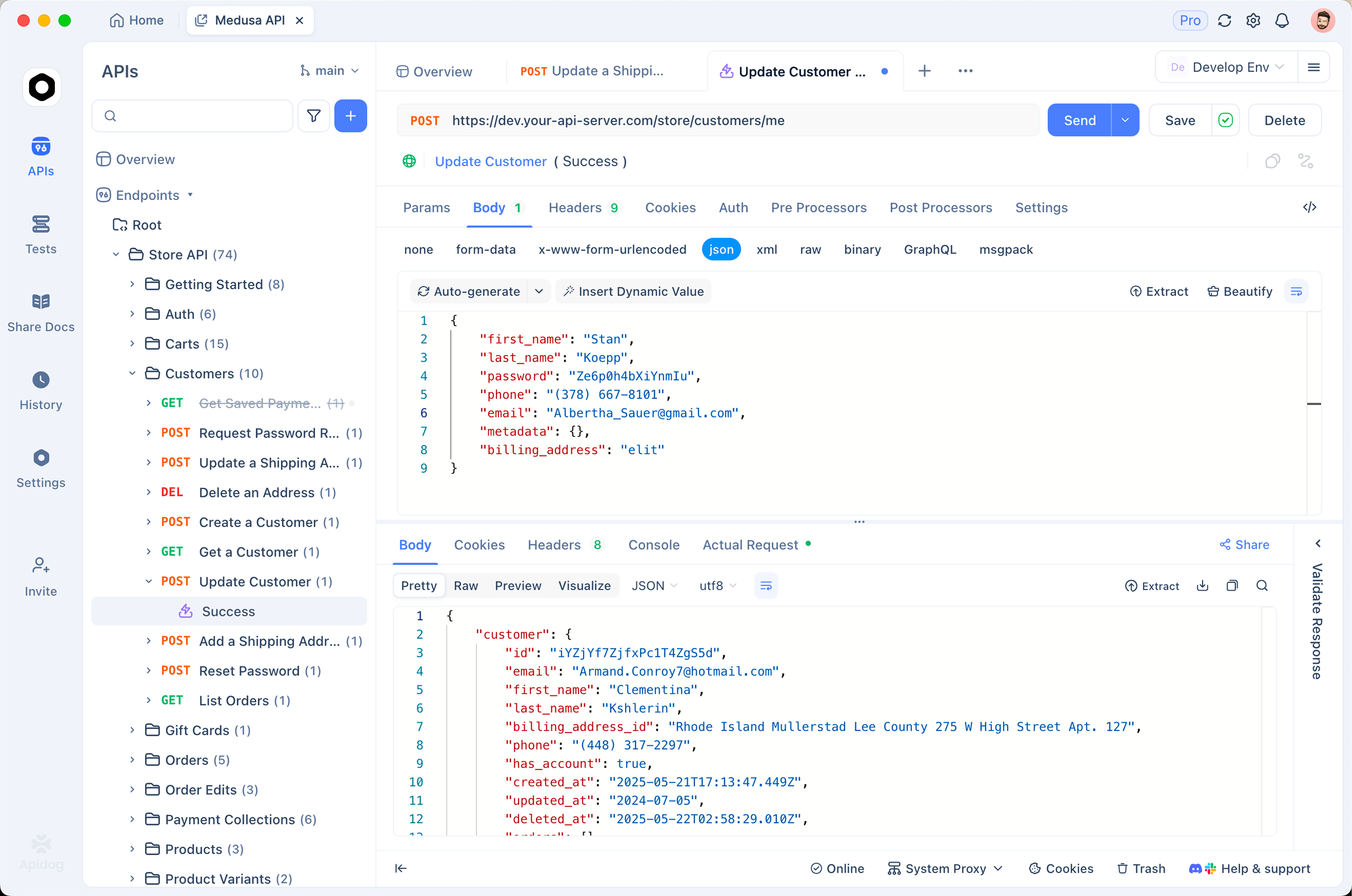
The migration path is direct. Export your OpenAPI files out of Stoplight and import them into Apidog, and your endpoints, schemas, and examples come across intact. Branching, comments, reviews, and role-based permissions cover the collaboration side, and an offline workspace option exists for teams that can’t put specs in a vendor cloud.
Where it falls short: it’s a commercial product, not open source. If your requirement is an auditable MIT-licensed codebase, Yaak or Bruno fit better.
2. SwaggerHub
Best for: the closest like-for-like swap for Stoplight’s design and governance features.
SwaggerHub is the most direct comparison on this list: a hosted OpenAPI editor with live preview, versioning, style-guide enforcement, and a central registry for shared domains and schemas. If what you valued in Stoplight was standardization across a lot of APIs rather than the editing experience itself, this covers the same ground.
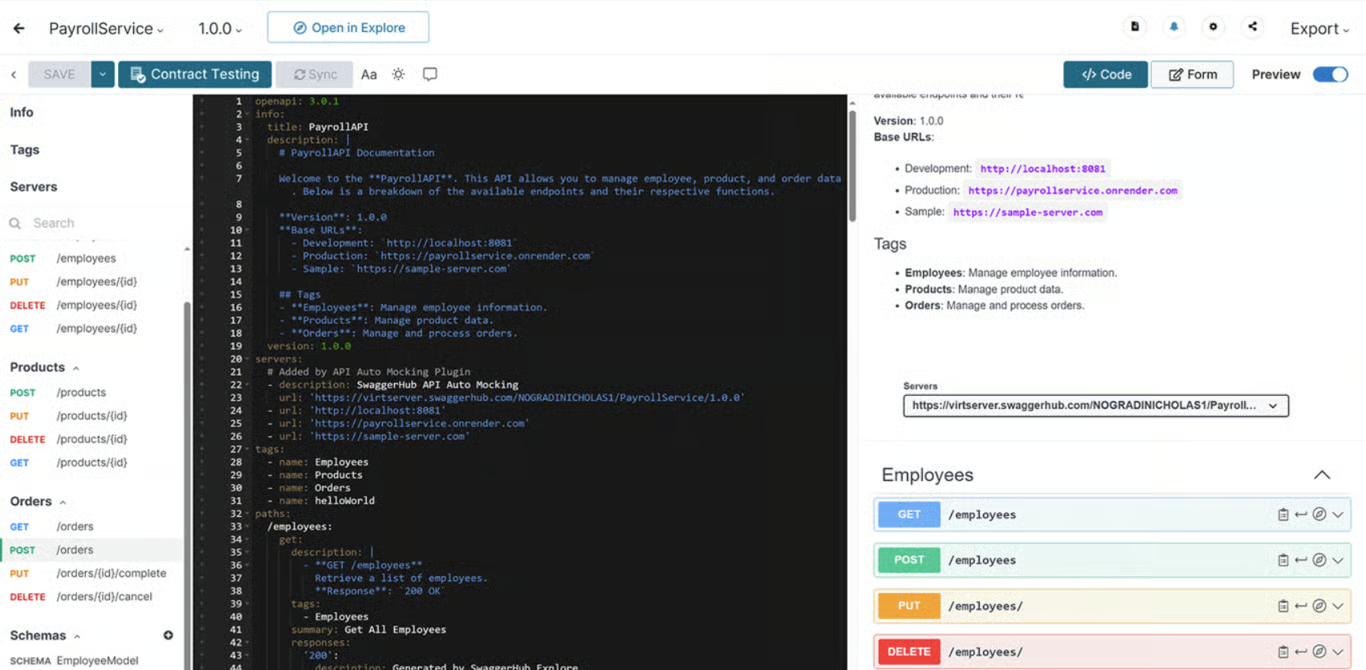
Worth knowing before you commit: SwaggerHub is also a SmartBear product. Moving from Stoplight to SwaggerHub doesn’t reduce vendor concentration, it just changes which SmartBear product you depend on.
Where it falls short: browser-based only, and testing and mocking are separate products rather than part of the editor.
3. Postman
Best for: teams whose collections already live in Postman.
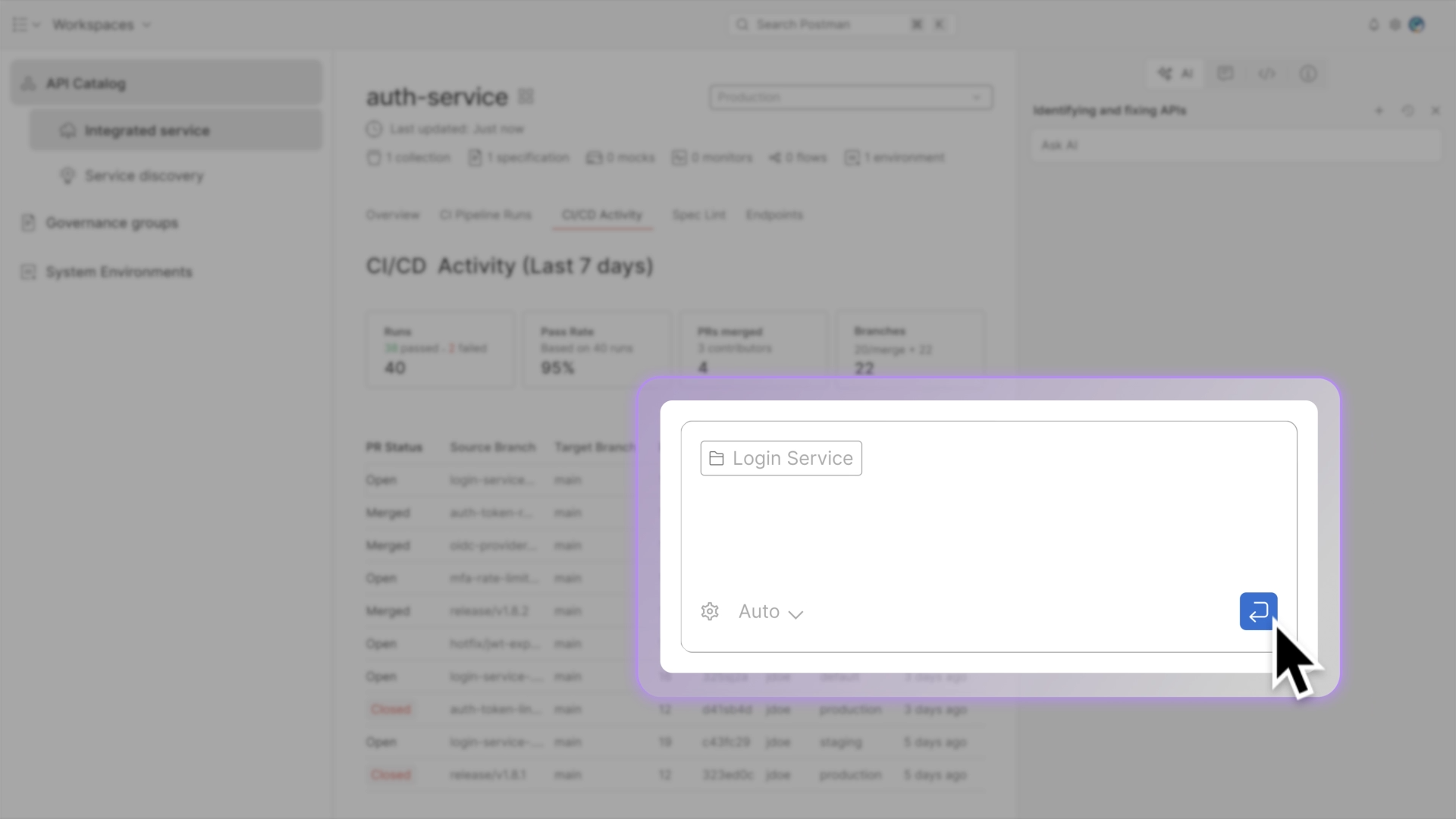
Postman’s Spec Hub brought real OpenAPI editing into the platform, with collection generation and sync so a spec change propagates to the requests built from it. Combined with native Git integration and mock servers on the free plan, it’s a reasonable landing spot if your team already runs on Postman and you only need to absorb the design layer.
Pricing runs Free, Solo at $9/user/month, Team at $19, and Enterprise at $49, billed annually.
Where it falls short: large collections get sluggish, and the features that matter most to teams are tied to Postman’s cloud.
4. Insomnia
Best for: one app for editing the spec and hitting the endpoints.
Insomnia pairs an API spec editor with live preview and a genuinely fast request client, and it handles HTTP, GraphQL, gRPC, and WebSocket in the same window. Git Sync is included on the free plan for up to 3 users, so small teams can version specs properly without paying.
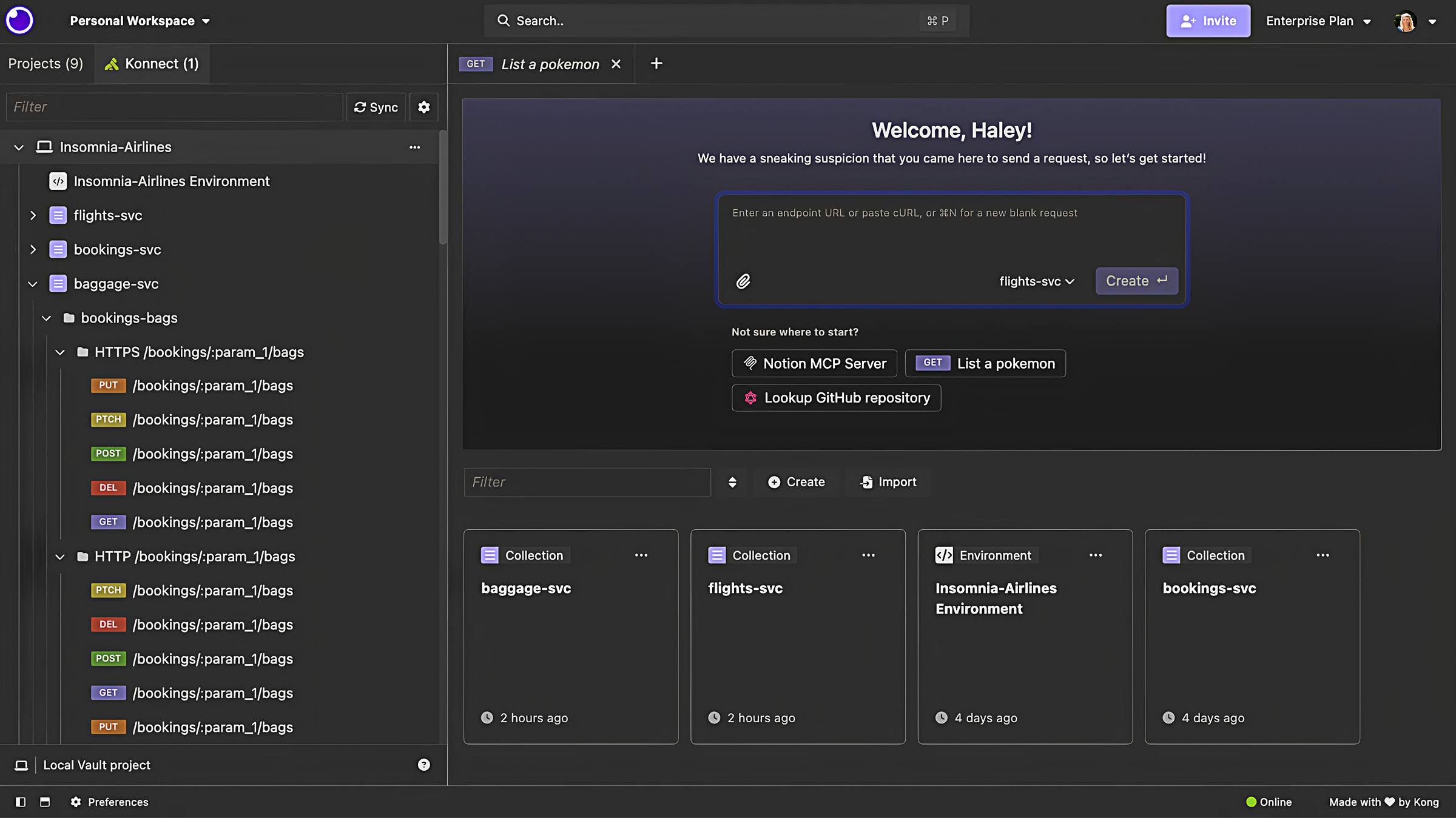
If you don’t want an account at all, the local-only Scratch Pad works without logging in. Paid plans are Pro at $12/user/month and Enterprise at $45/user/month.
Where it falls short: most collaboration features expect a cloud account, and the design tooling is thinner than Stoplight’s style guides and component libraries.
5. Bruno
Best for: treating your API definitions like source code.
Bruno stores everything as plain text files in your repo, so requests and environments go through the same pull request and code review flow as the rest of your codebase. Nothing syncs to a vendor cloud unless you choose it. HTTP, REST, GraphQL, and gRPC are supported across all tiers.
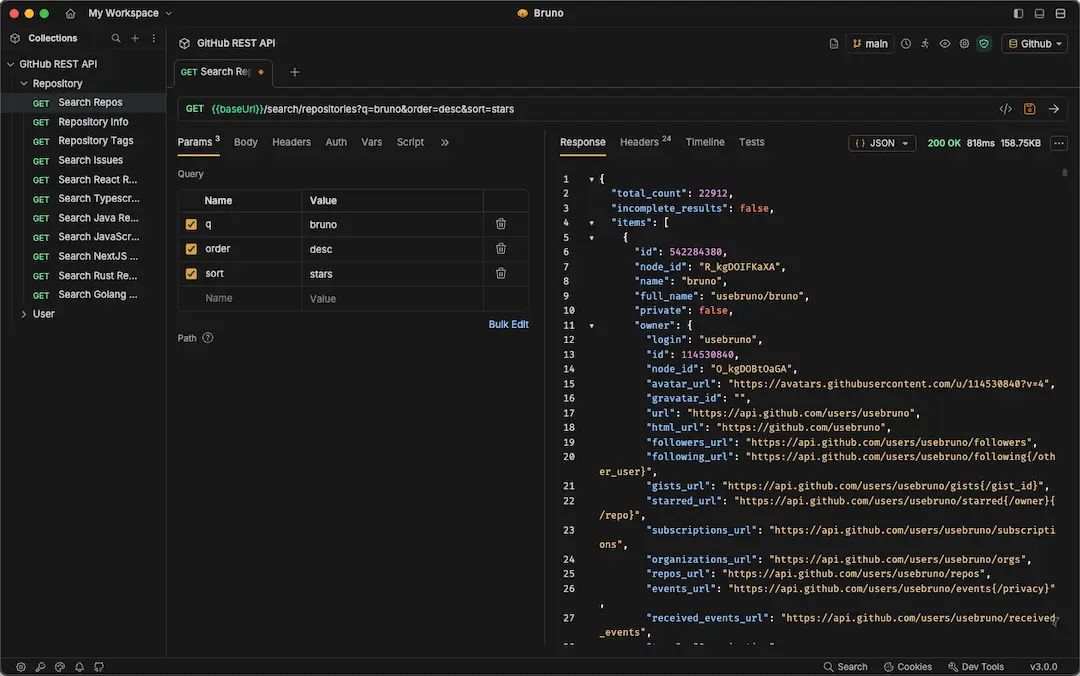
The commercial tiers have grown up: Pro at $6/user/month adds a native Git UI and OpenAPI syncs, and Ultimate at $11/user/month adds unlimited workspaces, SSO, SCIM, and audit logs. The open source tier stays free with 2 workspaces.
Where it falls short: Bruno is a client with OpenAPI sync, not a visual spec designer. If the drag-and-drop schema editing in Studio is what you’re replacing, this isn’t a straight swap.
6. Yaak
Best for: a fast, local-first client with no account and no telemetry.
Yaak is MIT licensed and free, built by the original founder of Insomnia, and it now covers HTTP, GraphQL, gRPC, WebSocket, and SSE in one workspace. Secrets are encrypted and stored in your OS keychain, Git integration keeps everything in plain text, and it imports from Postman, Insomnia, OpenAPI, Swagger, and curl. There’s a CLI and an MCP server for agent workflows.
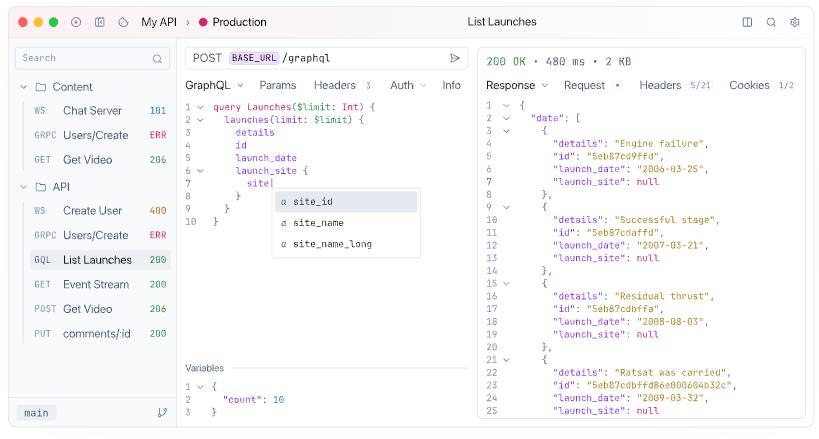
Where it falls short: no visual OpenAPI designer and no hosted documentation. It replaces the request-sending half of your workflow, not the design half.
How to choose
- You want one tool instead of three: Apidog.
- You need style guides and governance across many APIs: SwaggerHub, or Apidog if you also want testing and docs bundled.
- Your team already runs on Postman: stay put and use Spec Hub.
- Your specs must live in Git and nothing may touch a vendor cloud: Bruno or Yaak.
- You mostly need a better request client and light spec editing: Insomnia.
Migrating off Stoplight Studio without losing your specs
Every tool here reads OpenAPI, so the move is less painful than it sounds:
- Export first. Pull your OpenAPI 3.x files out of Stoplight while you still have access. Commit them to a repo so you have a rollback point.
- Import and check the edges. Examples,
$refresolution across files, and security schemes are where imports usually break. Spot check those three before you trust the result. - Rebuild mocks and docs last. These are generated from the spec, so they’re the cheapest part to redo once the spec itself is verified.
For a step-by-step version, see how to migrate from Stoplight to Apidog.
Frequently asked questions
Is Stoplight Studio discontinued?
Not officially. SmartBear has published no end-of-life notice, and the hosted Stoplight platform is still operating. The Studio Desktop app is effectively dormant: its last public release was February 2024, and SmartBear staff have publicly recommended Studio Web instead.
Is there a free Stoplight Studio alternative?
Yes. Yaak is MIT licensed and free. Bruno’s open source tier is free with 2 workspaces. Apidog, Postman, Insomnia, and SwaggerHub all have free plans, though team features are paid.
Can I keep my OpenAPI specs in Git?
Yes, with all of them. Bruno and Yaak store plain text files in your repo by default. Insomnia includes Git Sync free for up to 3 users, Postman has native Git integration, and Apidog supports branching and version control inside the workspace.
What replaces Stoplight’s Prism mock server?
Prism is open source and still usable on its own. If you’d rather not run a separate service, Apidog and Postman both generate mock servers directly from the spec. We compare the options in what is Stoplight Prism Mock.
Which alternative is closest to Stoplight Studio?
SwaggerHub for a like-for-like hosted design platform, Apidog if you want the design experience plus the mocking, testing, and docs that Stoplight users typically bolt on separately.
The bottom line
Stoplight Studio Desktop stopped getting updates in early 2024, and that’s the whole reason this list exists. Where you go next depends on what you were actually using it for. If it was purely the spec editor, SwaggerHub and Insomnia will feel familiar. If your specs belong in Git, Bruno and Yaak keep them there.
If you were using Studio as the front end of a longer workflow that also involved mocking, testing, and publishing docs, Apidog replaces the whole chain in one place. Import your OpenAPI file and see how much of your current toolchain you can drop.