All
 Tutorials
Kimi K3.1 Pro Pricing: API Costs, Caching Math and Kimi Plans
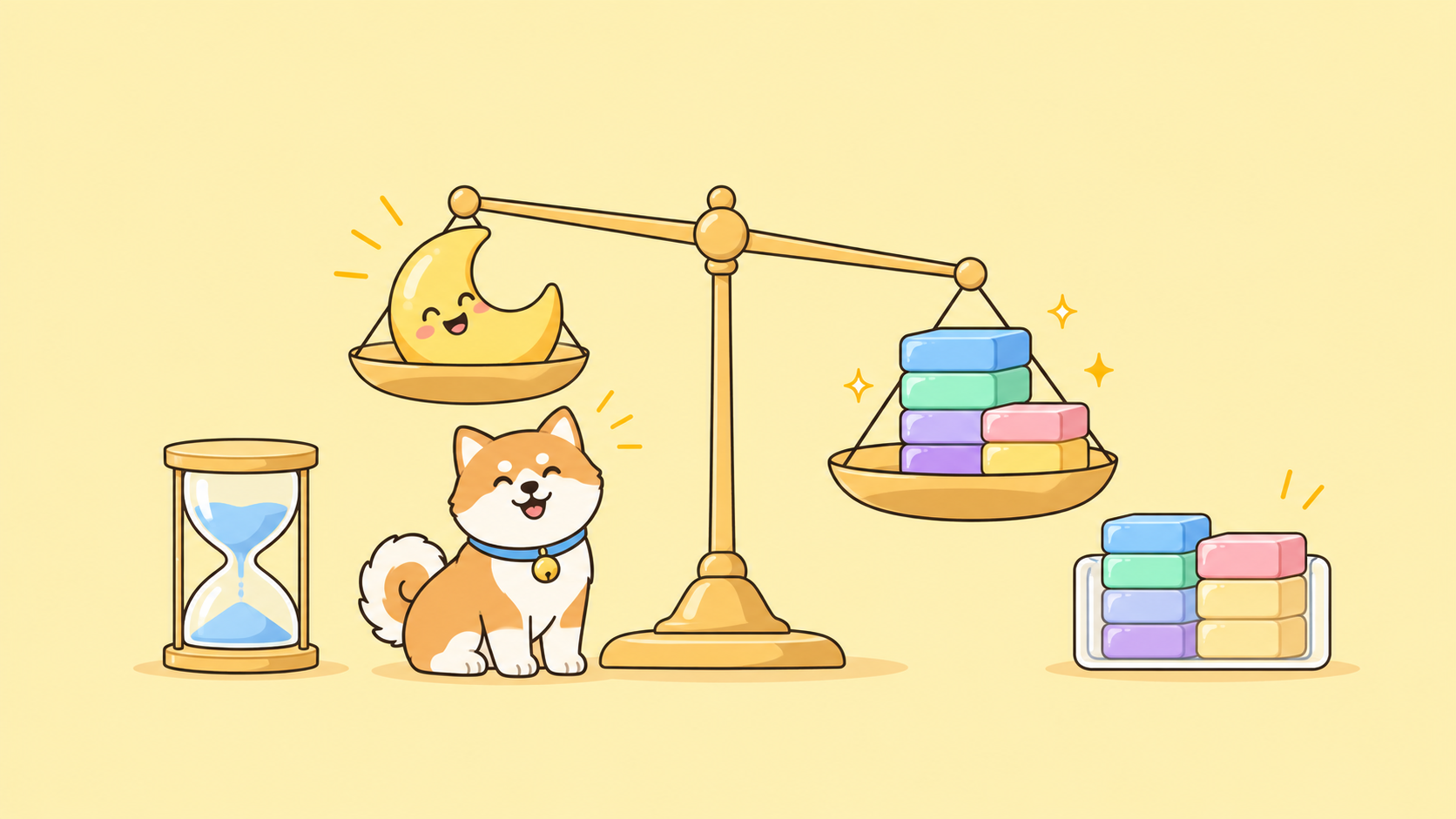
Kimi K3.1 Pro pricing is $2 input and $10 output per 1M tokens, with $0.20 cache hits and no long-context surcharge. Here's the cache write math, worked cost examples, the $1 unlock and rate tiers, Kimi plans, and how it compares with Claude and GPT.

Ashley Innocent
October 24, 2026
 Viewpoint
What Is Kimi K3.1 Pro?
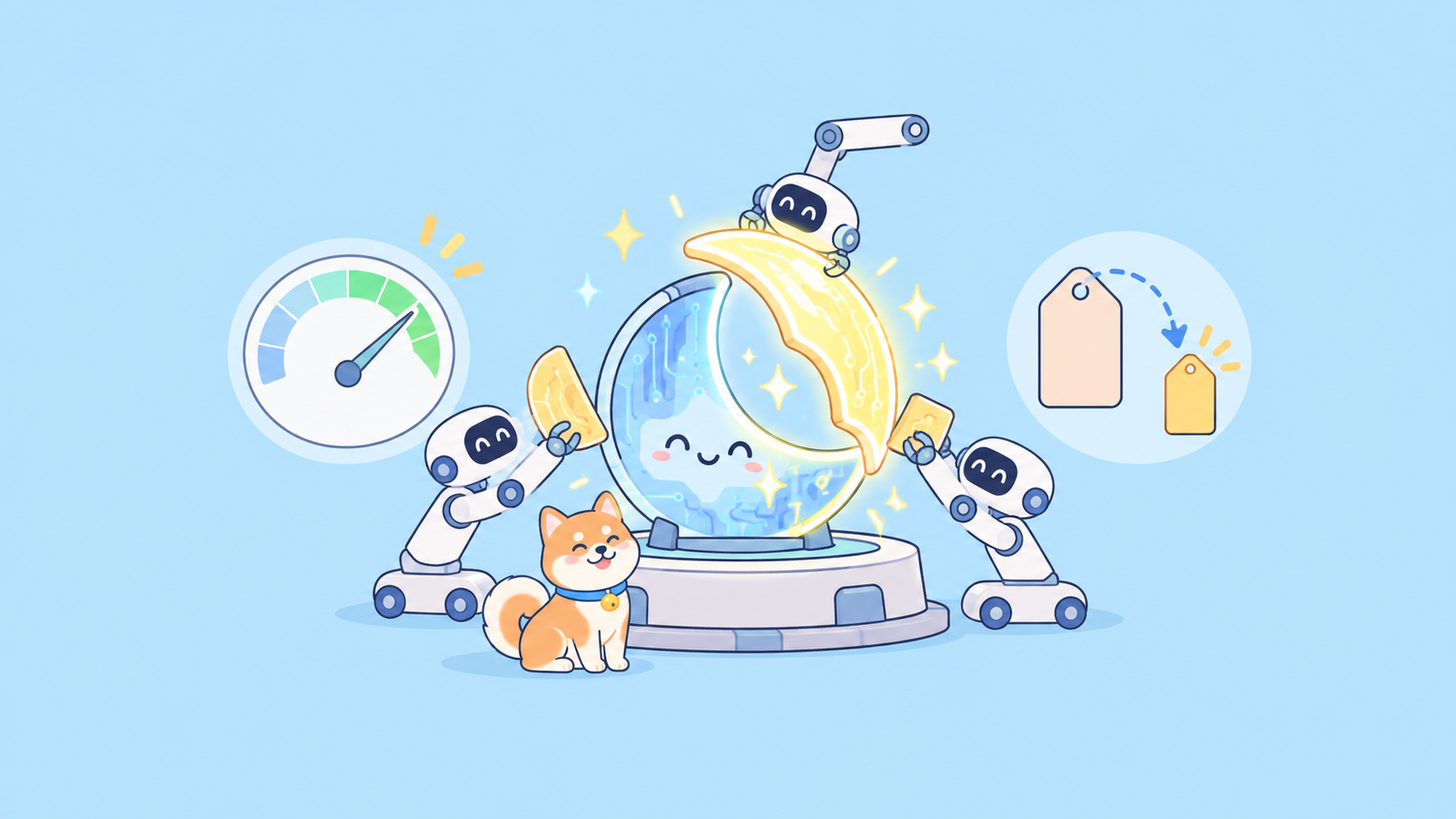
Kimi K3.1 Pro is Moonshot AI's post-trained Kimi K3: same 2.8T MoE design, 1M-token context, one third cheaper at $2/$10 per 1M tokens, and far fewer hallucinations on Moonshot's tests. Specs, vendor-run benchmarks, pricing, Highspeed and the open-weights date.
Ashley Innocent
October 24, 2026
 Tutorials
Kimi K3.1 Pro API: Endpoints, Tool Calling, Caching and Errors
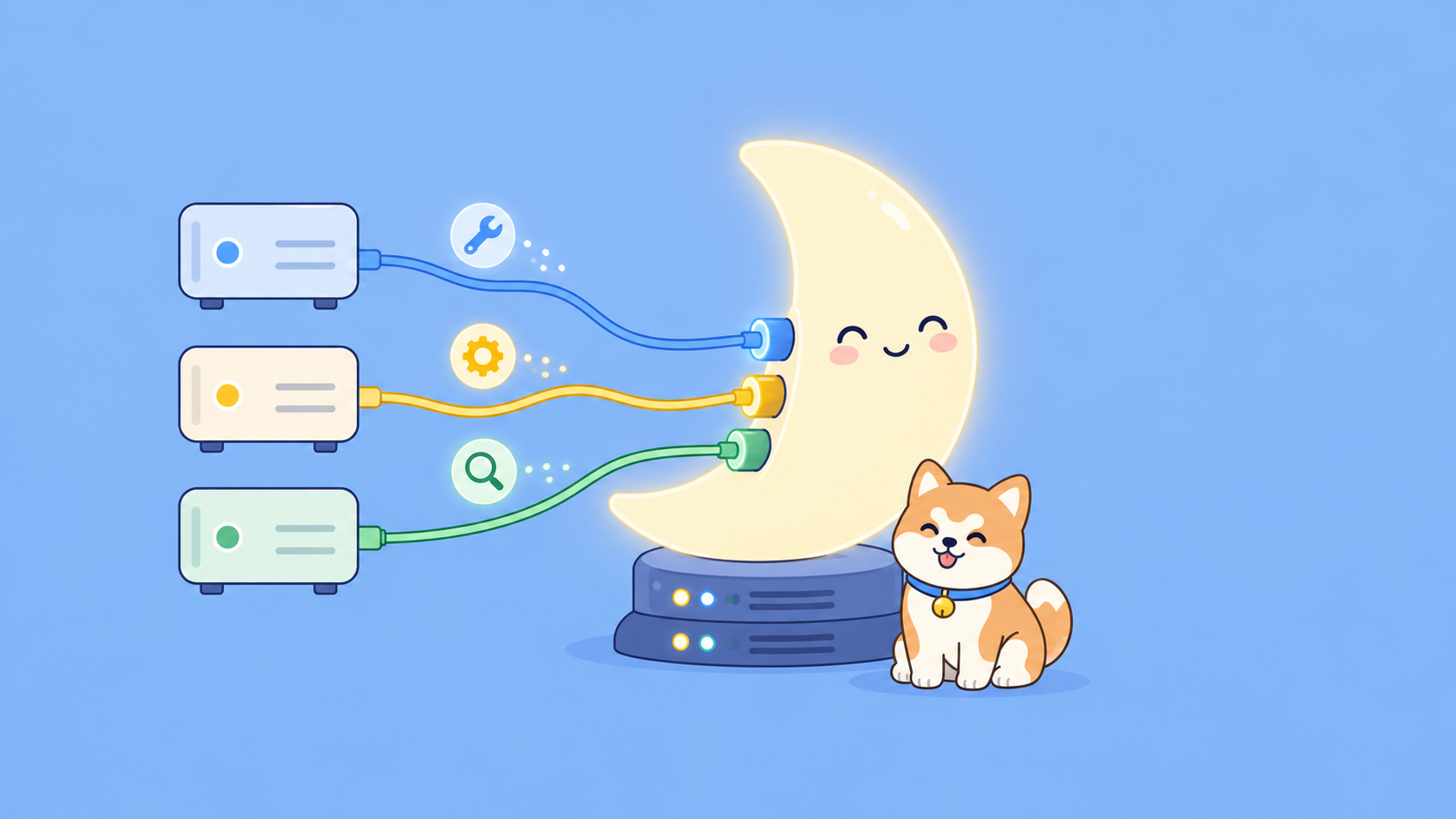
The Kimi K3.1 Pro API speaks Chat Completions, Responses and Anthropic Messages. Here's how to unlock it with $1, the parameters that differ, a complete Python tool calling loop, context caching in code, rate tiers and fixes for every 429 type.

INEZA Felin-Michel
October 24, 2026
 Tutorials
How to Use Kimi K3.1 Pro for Free ?
Want to use Kimi K3.1 Pro for free? The Kimi web and app chat is the only verified $0 route. The API needs a $1 top-up, Kimi Code needs a paid plan, and the open weights land by Nov 4. Here's every route, plus how to stretch $1.
Medy Evrard
October 24, 2026
 Tutorials
How to Use Kimi K3.1 Pro ?
Four ways to run Kimi K3.1 Pro: Kimi chat, the OpenAI-compatible API (reasoning_effort low/high/max, streaming, multi-turn, JSON), Kimi Code on a paid plan, and your own agent via Codex, Claude Code or OpenCode. $2/$10 per 1M tokens after a $1 top-up.
INEZA Felin-Michel
October 24, 2026
 Viewpoint
PHP2Shell: The PHP Bug That Lets Anyone Run Code on Your Server (Patch Now)
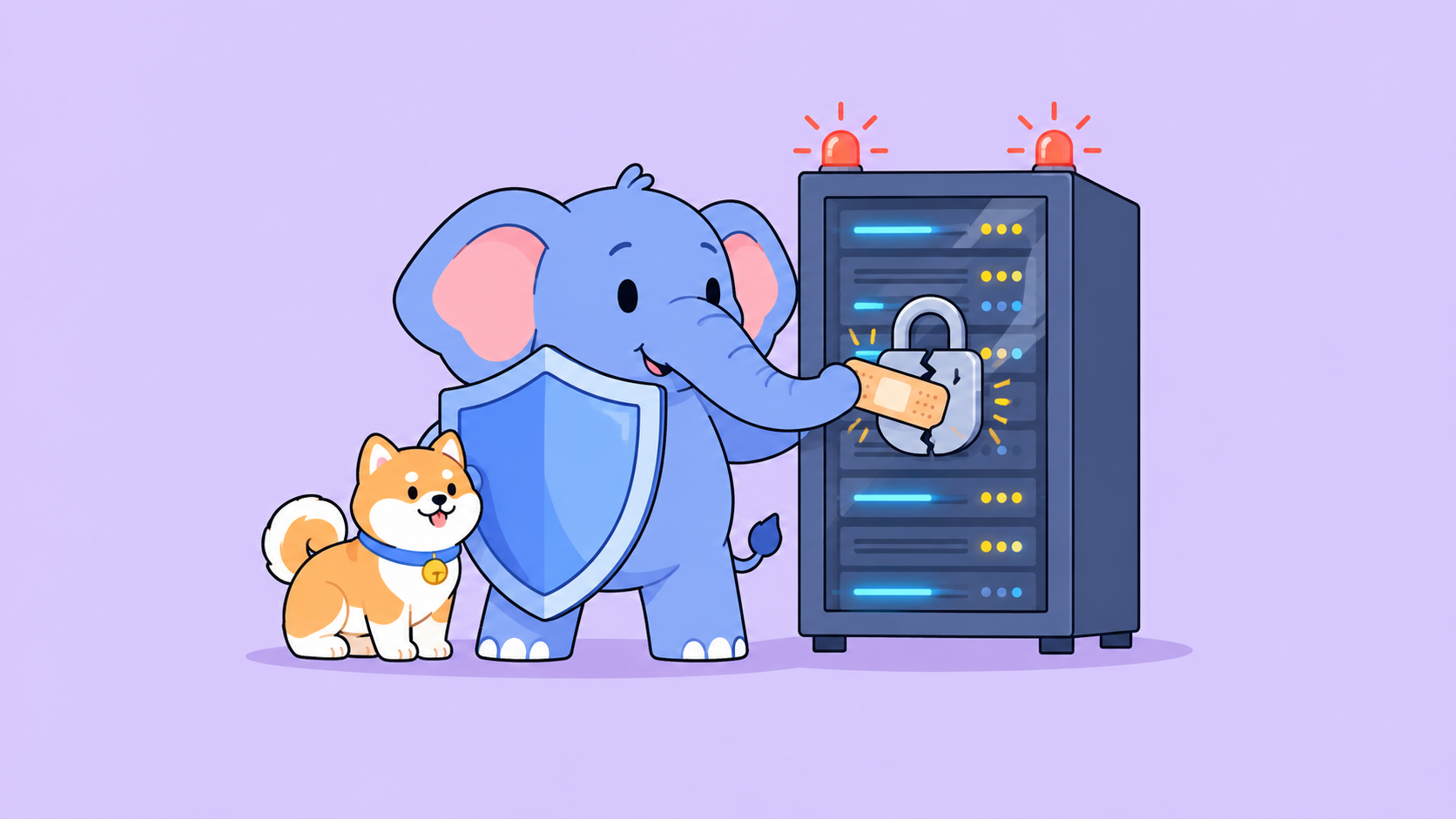
Two critical PHP bugs, CVE-2026-109618 and CVE-2026-109619, give unauthenticated attackers code execution on every SAPI that serves HTTP. Here's how to check your servers, patch to 8.5.12/8.4.27/8.3.36/8.2.35, and what the workarounds really cover.
Ashley Innocent
October 23, 2026
 Tutorials
Top 8 Free AI APIs in October 2026
Eight LLM providers still give you a free AI API with no card: Gemini, Groq, OpenRouter, Mistral, Cloudflare Workers AI, NVIDIA, Cohere and SambaNova. Quotas from each official page on October 22, 2026, plus six starter-credit routes and the ones that stopped being free.
Ashley Innocent
October 22, 2026
 Tutorials
Top 9 Free Web Search API
Nine free web search APIs for AI agents, compared by monthly quota, rate limit and card requirement, all checked on official pricing pages on October 22, 2026. Plus why Google's Custom Search API is no longer an option and how to have your agent test the API with Apidog CLI.
Medy Evrard
October 22, 2026
 Tutorials
Top 10 Free News APIs for Developers
Ten free news APIs compared by daily quota, data delay, commercial terms and card requirement, all checked on official pages on October 22, 2026, with the keyless ones called live. Plus how to have your coding agent test a news API with Apidog CLI.
Ashley Innocent
October 22, 2026
 Tutorials
Gemini API Free Tier in 2026: Limits, Models, and When You Get Billed
The Gemini API free tier covers Gemini 3.8 Flash, 3.6 Flash, the Flash-Lite models and Gemma 4 with no card. Argon, image and video models are paid only. Limits, data terms and the exact point billing starts, from Google's pages on October 22, 2026.
INEZA Felin-Michel
October 22, 2026
 Tutorials
Top 12 Free Map and Geocoding APIs
Twelve free map and geocoding APIs compared: daily and monthly quotas, which need a card, which allow commercial use, and how to test your geocoding calls with Apidog CLI.
Ashley Innocent
October 22, 2026
 Tutorials
GLM-5.3-Flash Is Free in OpenCode
OpenCode made GLM-5.3-Flash free on October 16, 2026. We tested it: no sign-in or API key, but it only works inside OpenCode, caps context at 200K, rejects PDF attachments and answers slowly. Setup, limits and the paid routes.
Ashley Innocent
October 16, 2026
 Viewpoint
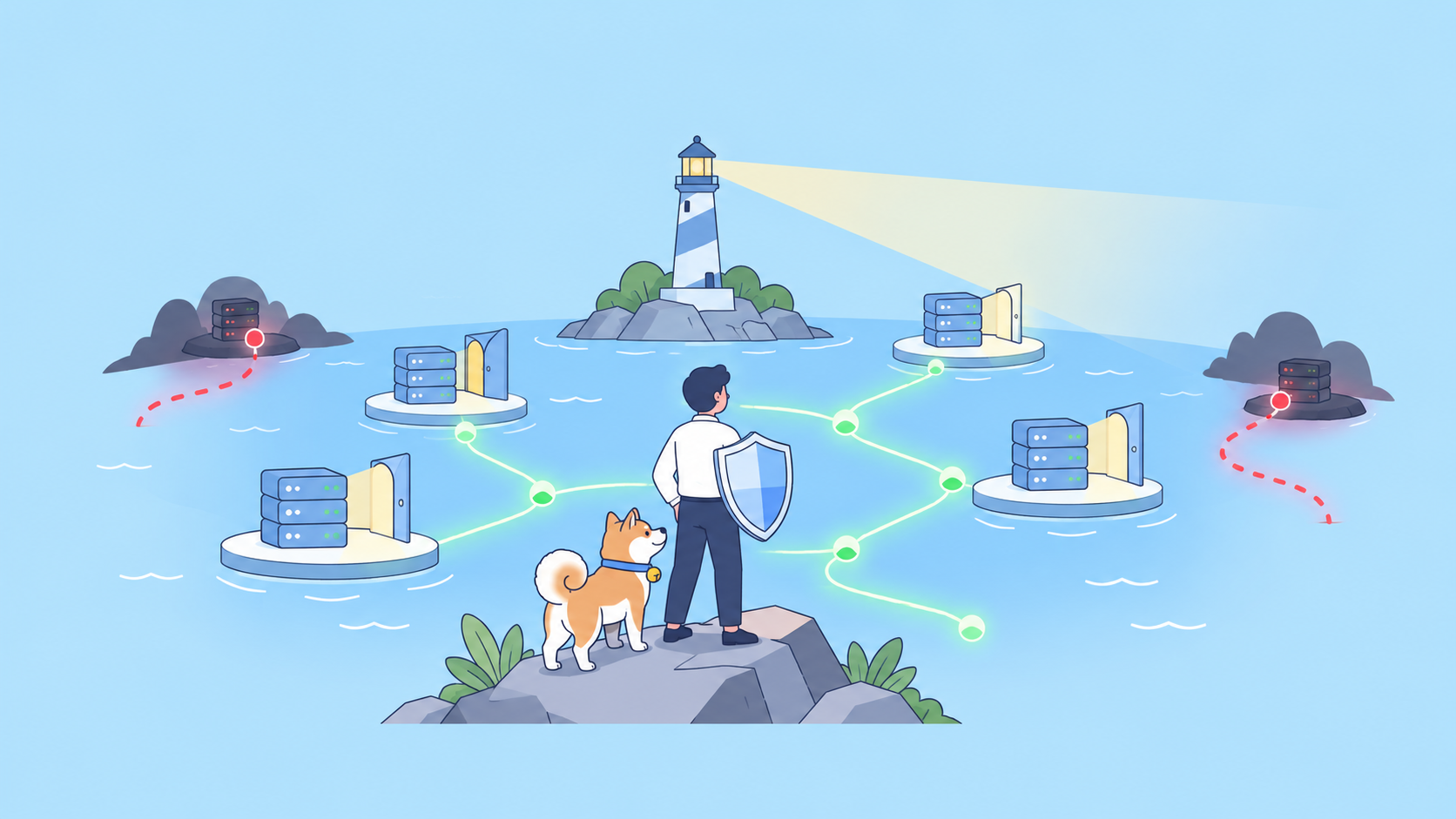
Gemini 4 Argon Ships to Defenders Without Cyber Guardrails: What It Means for the APIs You Run
Google released Gemini 4 Argon without cyber guardrails to Fairwind defenders, and since October 13 any team with a paid Gemini API key can call gemini-4-argon. Here are the cyber numbers, both access routes, Google's safeguards, and the API checks to schedule now.

Ashley Goolam
October 15, 2026
 Tutorials
Is Gemini 4 Argon Free?
Gemini 4 Argon has no free tier. Since its October 13 GA, every route is paid: the Gemini API paid tier ($2/$10 per 1M through Nov 30), the Gemini app on AI Pro or Ultra, Antigravity on Ultra. Here's each route and the free Gemini to build on.
Ashley Goolam
October 15, 2026
 Tutorials
Gemini 4 Argon is OUT
Gemini 4 Argon was released to developers on October 13, 2026, two weeks after a Fairwind-only announcement. Here's the full timeline, who has it by channel (API, Gemini app, Search, Antigravity), and what changes on December 1.
INEZA Felin-Michel
October 15, 2026