Best API Mocking Toolsin 2026 — Reviewed.
We tested 6 of the most popular API mocking tools — from spec-based mock servers to desktop mock applications. Here is everything you need to pick the right tool for your frontend-backend workflow.
The 6 Best API Mocking Tools
In-depth reviews covering mock generation, protocol support, deployment options, real screenshots, pricing, and honest pros and cons.
Apidog

Apidog is a unified API development platform that auto-generates mock servers directly from your OpenAPI specification. Unlike standalone mock tools, Apidog keeps your mock server synchronized with your API spec, requests, test cases, and documentation — when you update your spec, your mock responses update automatically. With smart mocking that generates realistic responses based on field types, support for REST, GraphQL, gRPC, WebSocket, and team collaboration, Apidog eliminates manual mock setup while ensuring mock accuracy. Teams can debug frontend against mocks and switch to real APIs seamlessly.
Pros
- Mocks auto-sync with spec, requests, tests, and docs
- Smart mocking generates realistic data from field types
- Supports REST, GraphQL, gRPC, WebSocket mocking
- Cloud-hosted mock server with custom domains
- Free plan supports up to 4 users with unlimited mocks
- Switch between mock and real APIs instantly
Cons
- Newer brand — smaller community than WireMock
- Best for teams using Apidog's full platform, not standalone mocks
Postman
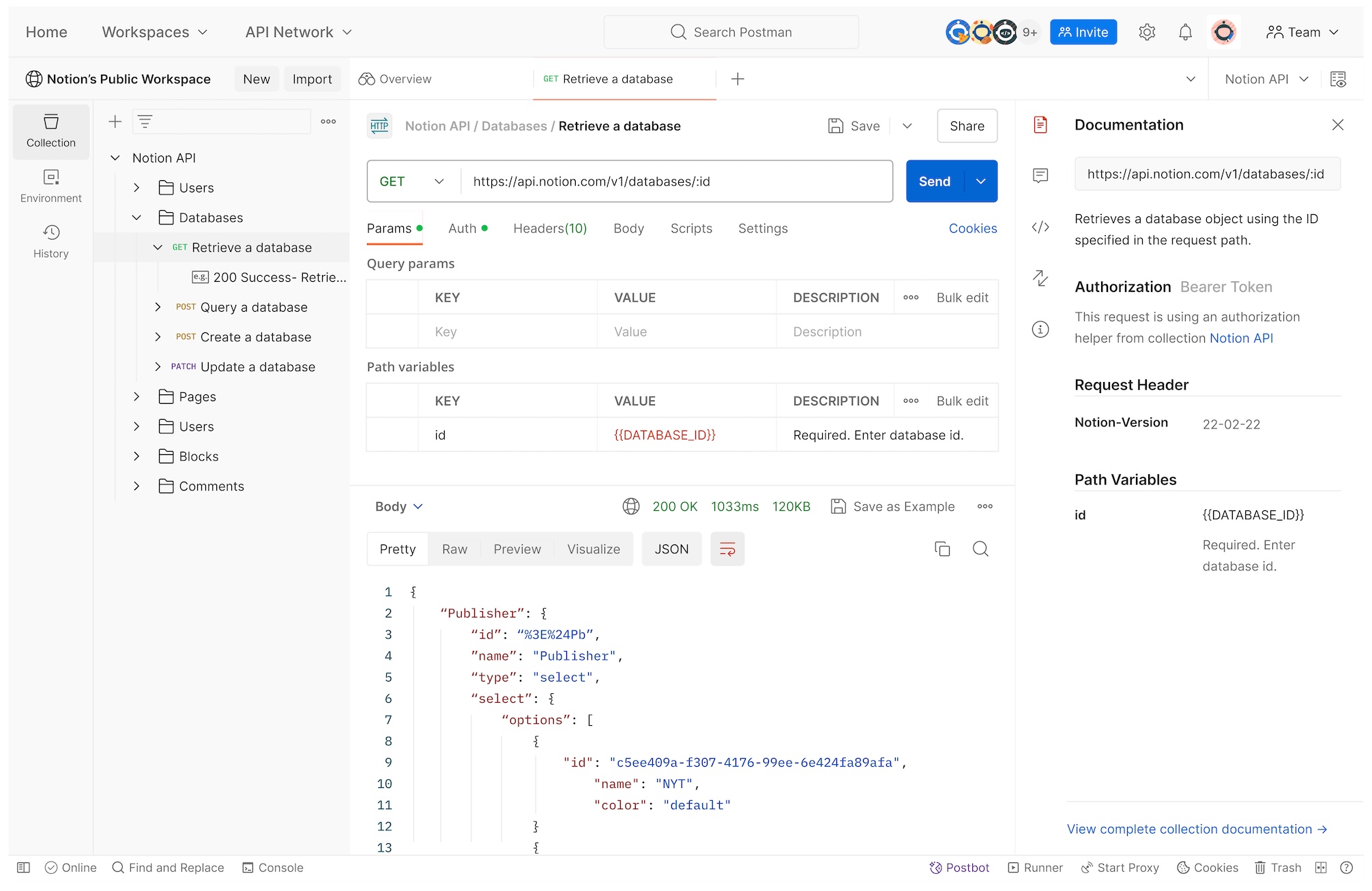
Postman allows you to create mock servers from your Postman collections, with basic response customization and environment variables. It's convenient if your team already uses Postman for debugging, but mocking is a secondary feature, not a primary focus. Postman mocks require manual setup for each endpoint and lack automatic generation from OpenAPI specs. The free plan limits mock servers to a single user, making team collaboration expensive. For teams already in Postman's ecosystem, it's adequate, but for dedicated API mocking workflows, specialized tools offer better features.
Pros
- Convenient if already using Postman for debugging
- Mock server hosted in Postman cloud
- Environment variables for dynamic responses
- Easy to share mocks with team (paid plans)
Cons
- Manual setup — not auto-generated from OpenAPI
- Free plan limited to 1 user
- No smart mocking or realistic data generation
- Mocks disconnected from testing and documentation
- Limited to HTTP/REST — no GraphQL or gRPC mocking
MockServer
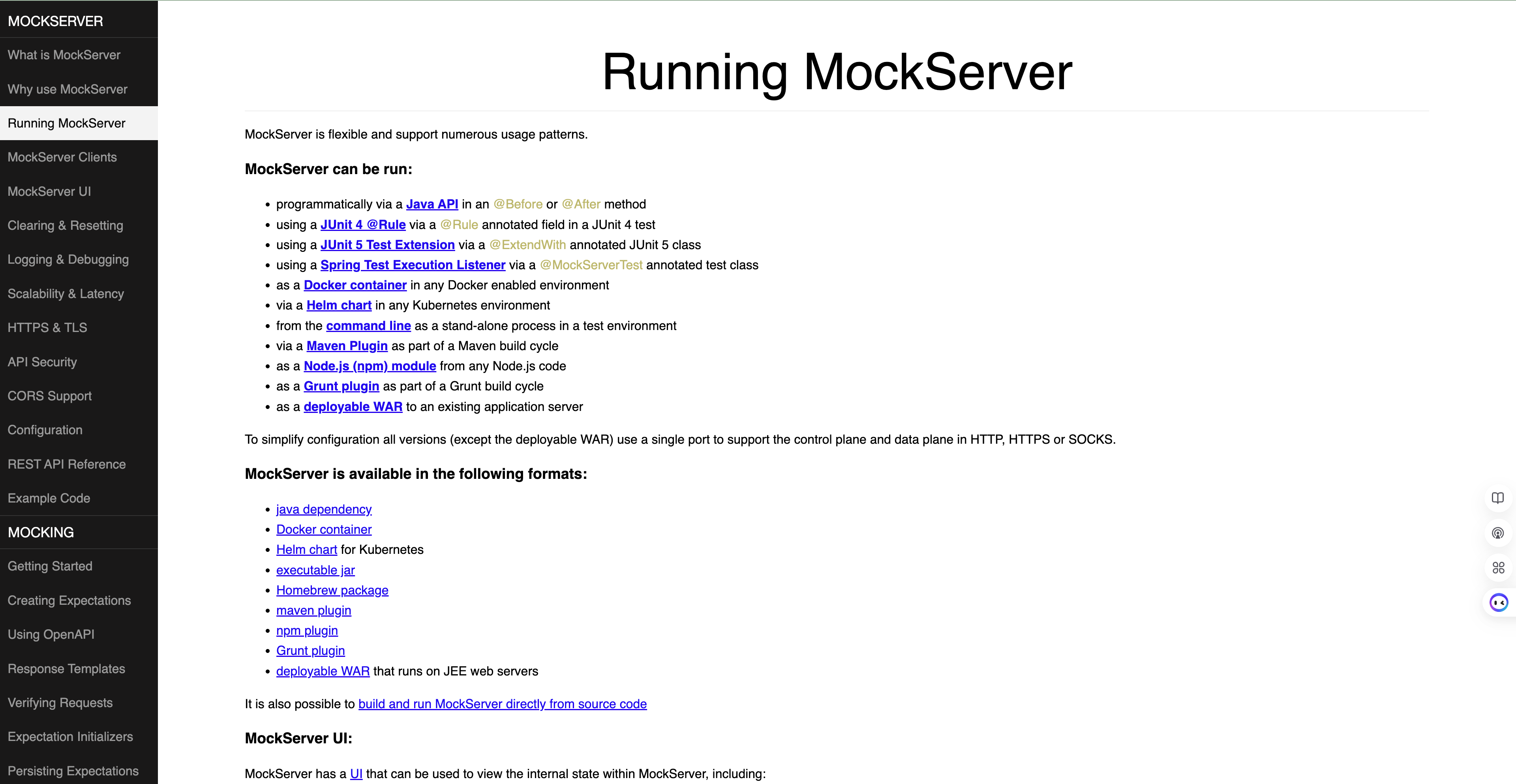
MockServer is a free, open-source mock server that can be deployed locally, in containers, or on servers. It supports mocking REST, SOAP, and arbitrary HTTP services with flexible response configuration. MockServer excels at verifying requests against expectations and can proxy real services while mocking specific endpoints. However, MockServer requires manual configuration via JSON or Java API — it doesn't auto-generate mocks from OpenAPI specs. It's ideal for testing teams needing precise request/response verification, but lacks the smart mocking and lifecycle integration of modern platforms like Apidog.
Pros
- Free and open source
- Flexible deployment: local, Docker, Kubernetes
- Supports REST and SOAP mocking
- Request verification and proxy capabilities
- No vendor lock-in or ongoing costs
- Extensive configuration options
Cons
- Manual setup — not auto-generated from specs
- No smart mocking or realistic data generation
- Requires technical configuration (JSON/Java)
- No sync with API design or testing workflows
- Limited to HTTP-based protocols
- No team collaboration or shared workspaces
WireMock
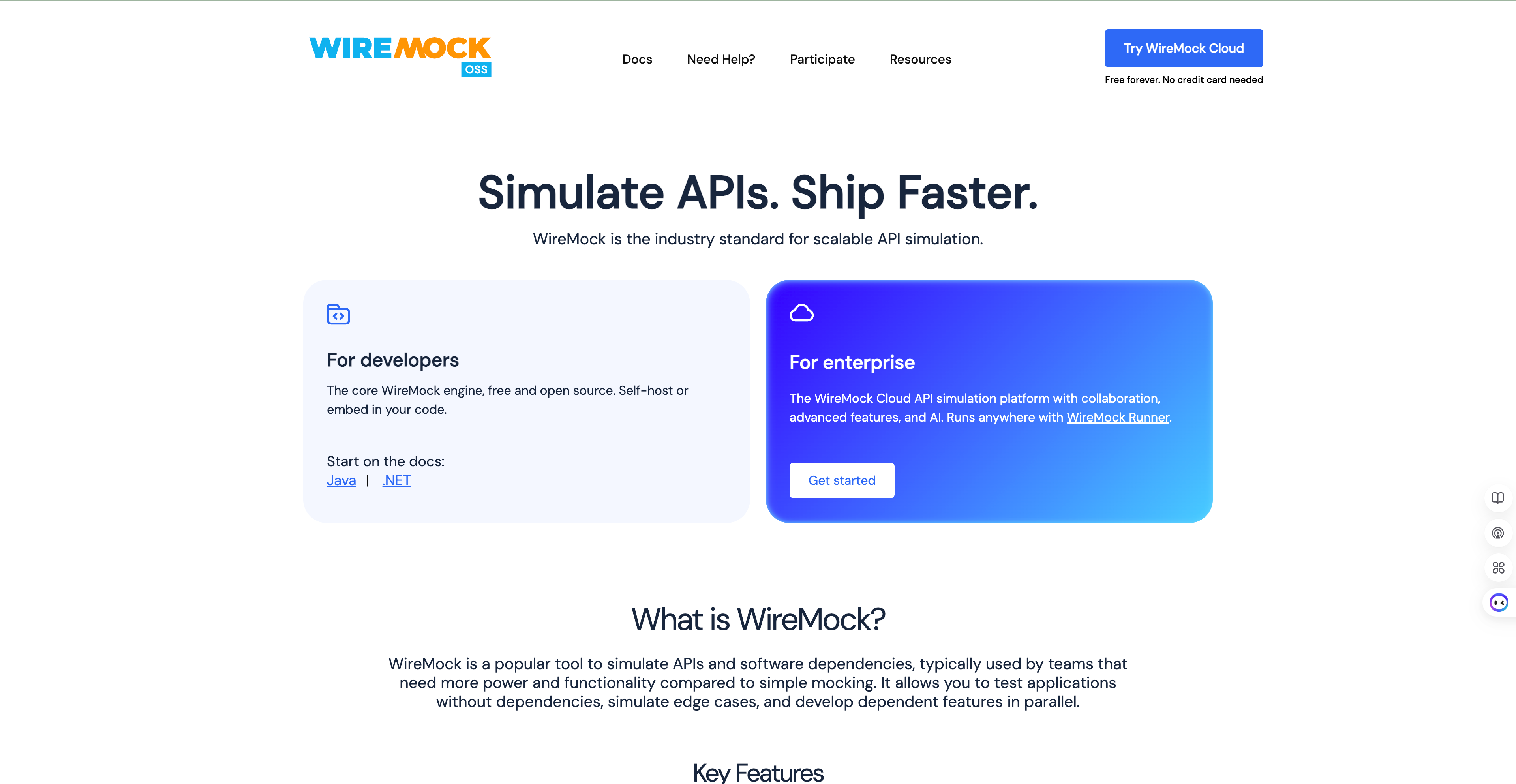
WireMock is a popular open-source mock server designed for HTTP API testing. It offers flexible response templating, request matching, and can run standalone, in Docker, or as a JUnit rule for Java tests. WireMock supports record-playback mode, where it records real API responses and replays them as mocks. It's widely used in Java ecosystems and offers extensive customization via JSON or Java API. However, WireMock requires manual stub configuration and doesn't auto-generate mocks from OpenAPI specs. It's ideal for Java teams needing granular control over mocks, but lacks modern smart mocking features.
Pros
- Free and open source
- Record-playback mode for real API responses
- Flexible deployment: standalone, Docker, JUnit
- Extensive request matching and templating
- Large Java community and ecosystem
- No vendor lock-in or ongoing costs
Cons
- Manual stub setup — not auto-generated from specs
- No smart mocking or realistic data generation
- Java-centric — less ideal for non-Java teams
- No sync with API design or testing workflows
- Limited to HTTP/REST — no GraphQL support
- No team collaboration or cloud hosting
Prism
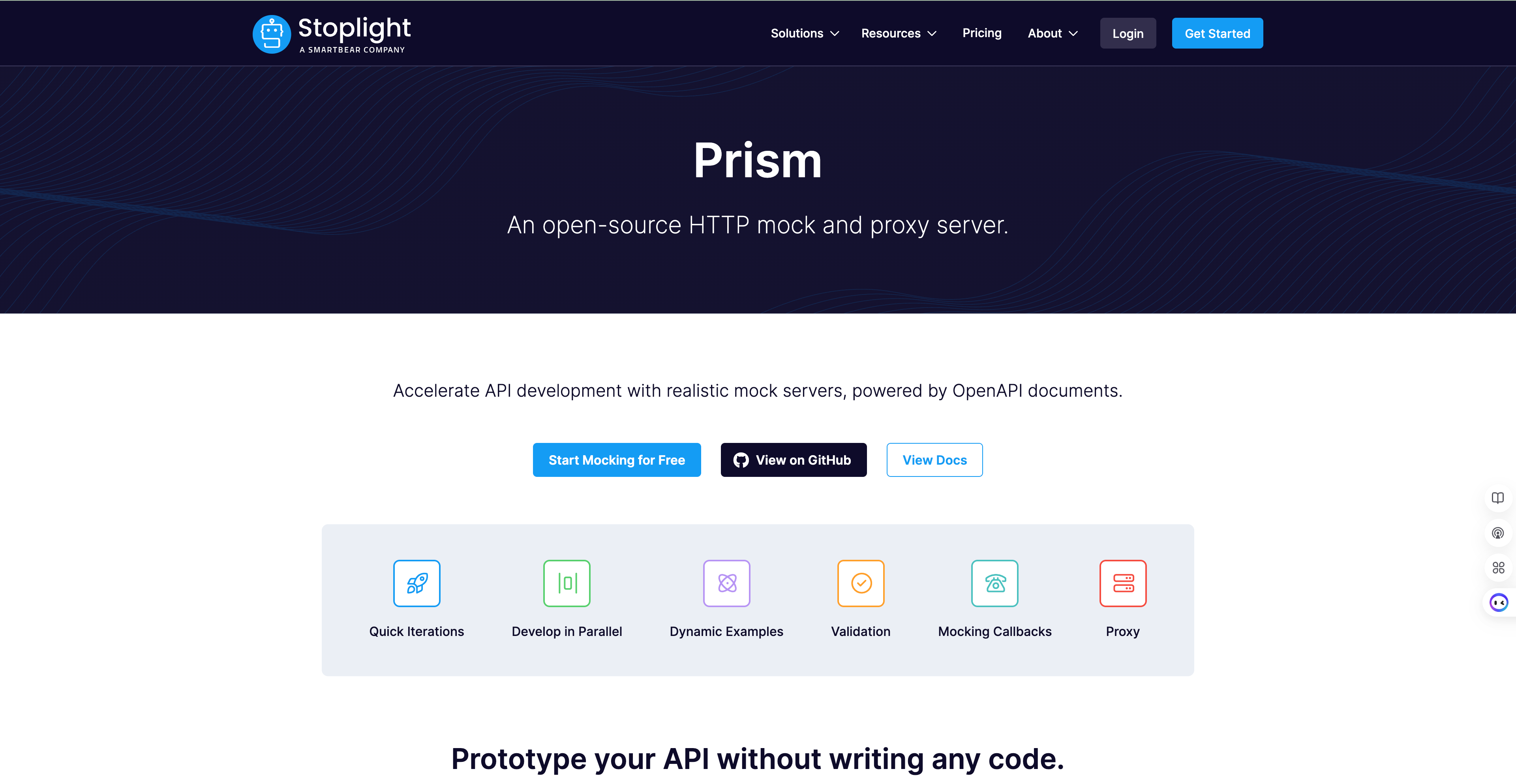
Prism is an open-source mock server by Stoplight that auto-generates mocks directly from OpenAPI specifications. It validates requests against your spec and generates example responses based on schema examples or smart defaults. Prism supports multiple modes: mock (validate requests), proxy (forward to real API), and record (capture real responses). It's ideal for teams using OpenAPI specs who want spec-validated mocking without manual setup. However, Prism is a standalone tool — it doesn't sync with testing, documentation, or API client workflows. It requires self-hosting and lacks team collaboration features.
Pros
- Free and open source
- Auto-generates mocks from OpenAPI specs
- Request validation against spec
- Mock, proxy, and record modes
- Smart example generation from schema
- Self-hostable with full control
Cons
- Standalone tool — no lifecycle integration
- No team collaboration or shared workspaces
- Self-hosting required (no cloud option)
- Limited to HTTP/REST — no GraphQL or gRPC
- No sync with testing or documentation workflows
- Requires technical setup and hosting
Mockoon
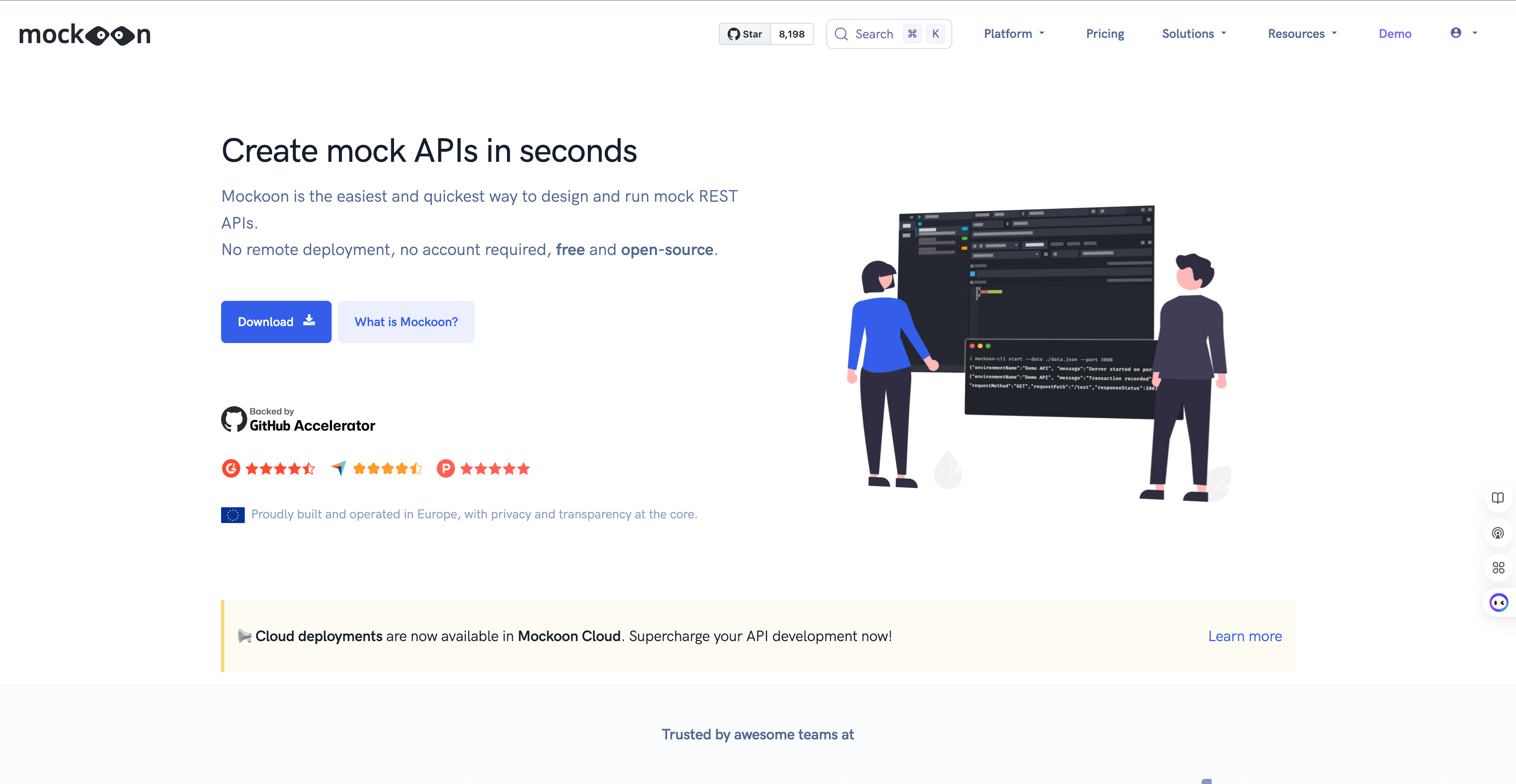
Mockoon is a free, open-source desktop application for creating mock API servers locally. It provides a visual interface to define endpoints, routes, responses, and rules without writing code. Mockoon runs a local HTTP server that your frontend can call during development, making it ideal for frontend-backend decoupling. It supports OpenAPI import/export, response templating, and multiple environments. However, Mockoon is a local-only tool — it doesn't offer cloud hosting, team collaboration, or sync with API testing workflows. It's best for individual developers needing quick local mocks without deploying a server.
Pros
- Free and open source
- Visual desktop interface — no code
- Local HTTP server runs instantly
- OpenAPI import and export
- Response templating and rules
- Multiple environments support
Cons
- Local-only — no cloud hosting or team sharing
- Manual setup — limited spec auto-generation
- No sync with testing or documentation workflows
- Limited to HTTP/REST — no GraphQL support
- No smart mocking or realistic data generation
- Requires desktop app installation
Feature Comparison: 6 API Mocking Tools
A side-by-side feature matrix to help you evaluate which mock tool fits your frontend-backend workflow.
| Features | Postman | MockServer | WireMock | Prism | Mockoon | |
|---|---|---|---|---|---|---|
| Mock Generation | ||||||
| Auto-generated from OpenAPI spec | ||||||
| Dynamic response templating | ||||||
| Smart realistic data generation | ||||||
| Custom routes & matching | ||||||
| Protocol Support | ||||||
| HTTP / REST | ||||||
| GraphQL | ||||||
| gRPC | ||||||
| WebSocket | ||||||
| API Lifecycle Integration | ||||||
| Syncs with API client | ||||||
| Syncs with testing automation | Basic | |||||
| Syncs with API specification | ||||||
| CI/CD integration | ||||||
| Deployment & Collaboration | ||||||
| Cloud-hosted mock server | ||||||
| Self-hosted / on-premises | ||||||
| Local development mocking | ||||||
| Team shared workspaces | ||||||
| Pricing & Deployment | ||||||
| Free plan | Up to 4 Users | 1 User | Open Source | Open Source | Open Source | Open Source |
| On-Premises / Self-hosted | ||||||
Why Teams Choose Apidog for API Mocking
Apidog is the only platform where your mock server stays synchronized with your spec, requests, tests, and docs — automatically.
Mocks Auto-Sync with Your API Spec
When you update your OpenAPI spec in Apidog, your mock server updates automatically. No manual stub configuration, no copy-pasting response examples. Your mocks are always accurate and spec-compliant.
Smart Mocking Generates Realistic Data
Apidog's smart mocking analyzes your field types and generates realistic mock data. Names, emails, dates, IDs — all generated intelligently so your frontend sees believable data without manual crafting.
Multi-Protocol Mocking: REST, GraphQL, gRPC, WebSocket
Apidog supports mocking all modern API protocols in one interface. Mock GraphQL queries, gRPC methods, or WebSocket messages alongside REST endpoints without switching tools.
Switch Between Mock and Real APIs Instantly
Apidog lets you toggle between mock responses and real API calls with one click. Frontend teams can develop against mocks, then switch to production APIs without changing code.
Cloud-Hosted Mocks with Custom Domains
Apidog provides cloud-hosted mock servers accessible from anywhere, with custom domains and SSL. No infrastructure setup — your mocks are live instantly for frontend teams.
Free for Teams (Up to 4 Users)
Apidog offers the most generous free plan for mocking — unlimited mock servers, endpoints, and collaboration for teams of up to 4 users. Most tools charge immediately for team features.
#1 Highest Rated API Mocking Software
Ranked by real users on G2, the world's #1 B2B software review platform.

Frequently Asked Questions
Mock APIs Smarter, Build Faster
Join 1 million+ developers using Apidog to auto-generate realistic, spec-synced mock servers for frontend-backend workflows.