
curlie is a small command-line HTTP client that wraps curl with the friendlier, colorized output of HTTPie, so you get curl’s flags and behavior with output that’s easier to read. It’s a fine daily driver for quick requests, but the moment you need saved requests, shared collections, or tests that run in CI, you’ll want something with more structure. This guide covers the best curlie alternatives, from other terminal HTTP clients to a full API testing platform, with an honest take on where each one fits.
What curlie is, in one line
curlie passes your arguments through to curl but formats the request and response the way HTTPie does: syntax-highlighted JSON, clear headers, sane defaults. You keep curl’s full flag surface and its install-everywhere reliability, and you read the output without squinting. That’s the whole pitch, and it’s a good one for ad-hoc work.
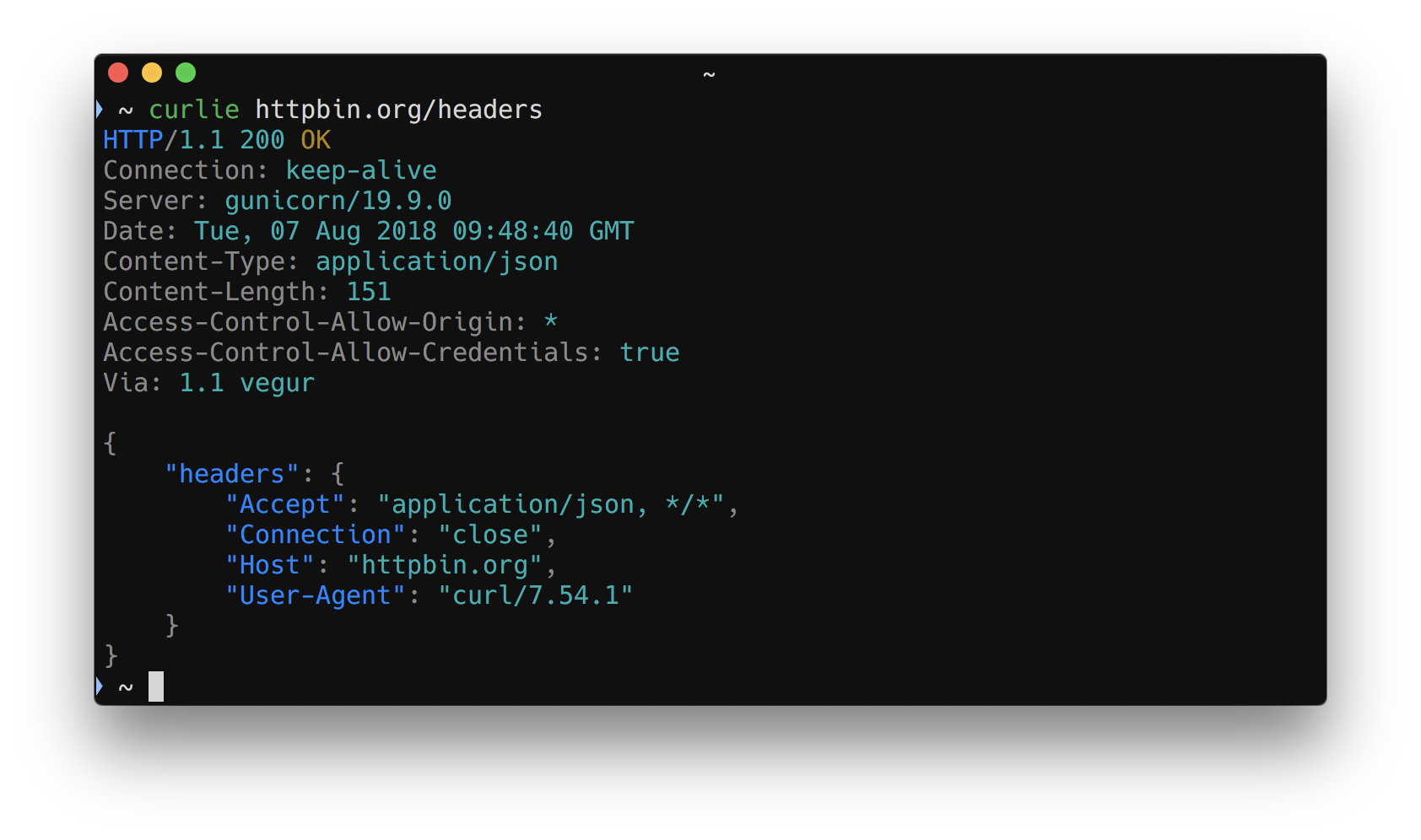
The gap shows up over time. curlie has no concept of a saved request, a collection, an environment, or an assertion. Every call lives in your shell history. When you want to rerun a request next week, document an endpoint for a teammate, or fail a build when a response shape changes, you’ve outgrown what a thin curl wrapper is built to do.
curlie alternatives at a glance
Here’s how the main options compare before we get into detail.
| Tool | Interface | Saved requests | Assertions / tests | CI runner | Best for |
|---|---|---|---|---|---|
| HTTPie | CLI (+ desktop) | Sessions | No (built-in) | Limited | Readable manual requests |
| xh | CLI | Sessions | No | No | Fast HTTPie-compatible calls |
| curl | CLI | No | No | Scriptable | Universal, scriptable baseline |
| Hoppscotch | Web / desktop | Yes | Yes | Via CLI | Lightweight GUI, open source |
| Postman | Desktop / web | Yes | Yes (scripts) | Newman / CLI | Teams already on Postman |
| Apidog | Desktop / web | Yes | Yes (visual + script) | apidog run | Design, test, mock, CI in one |
The lightweight tools win on speed and zero-friction setup. The platforms win once requests need to persist, be shared, and run automatically. Pick based on where your work actually lives.
HTTPie
HTTPie is the tool curlie borrows its output style from. It’s a Python-based CLI built for humans: http GET example.com/api name==value reads almost like a sentence, JSON is the default body type, and responses come back colorized and formatted. There’s also a desktop app if you want a GUI on top of the same engine.
Its real strength is ergonomics. For hand-typed requests against a REST API, the syntax is hard to beat, and sessions let you persist auth and headers across calls. If you want a deeper walkthrough, see our guide to using HTTPie.
Where it stops: HTTPie doesn’t run test suites or assertions out of the box, and there’s no shared collection model for a team. It’s a request tool, not a testing framework.
xh
xh is a Rust reimplementation of HTTPie’s interface. The command syntax is close enough that most HTTPie muscle memory carries over, and because it’s a single compiled binary, it starts fast and installs without a Python runtime. If you liked curlie or HTTPie but wanted less startup latency, xh is the natural pick.

It supports sessions, downloads, and most of the HTTPie flag set. The honest limitation is the same as the others in this tier: it’s built for sending requests, not for organizing them into tested workflows. There’s no GUI and no CI assertion runner. You’d reach for it for the same reasons you reached for curlie, with a speed bump.
curl itself
It’s worth saying plainly: you can drop the wrapper and use curl directly. curl is installed on practically every machine, it’s stable, and it speaks far more than HTTP. For scripts, cron jobs, and reproducible commands you paste into a runbook, raw curl is often the right answer precisely because it has no dependencies.
The trade-off is the one curlie was created to solve. Raw curl output is dense, JSON isn’t pretty-printed without piping through another tool, and the flag syntax is terse. If you want the portability of curl with better request management, see our roundup of curl alternatives for REST API testing, which covers both CLI and GUI options.
Hoppscotch
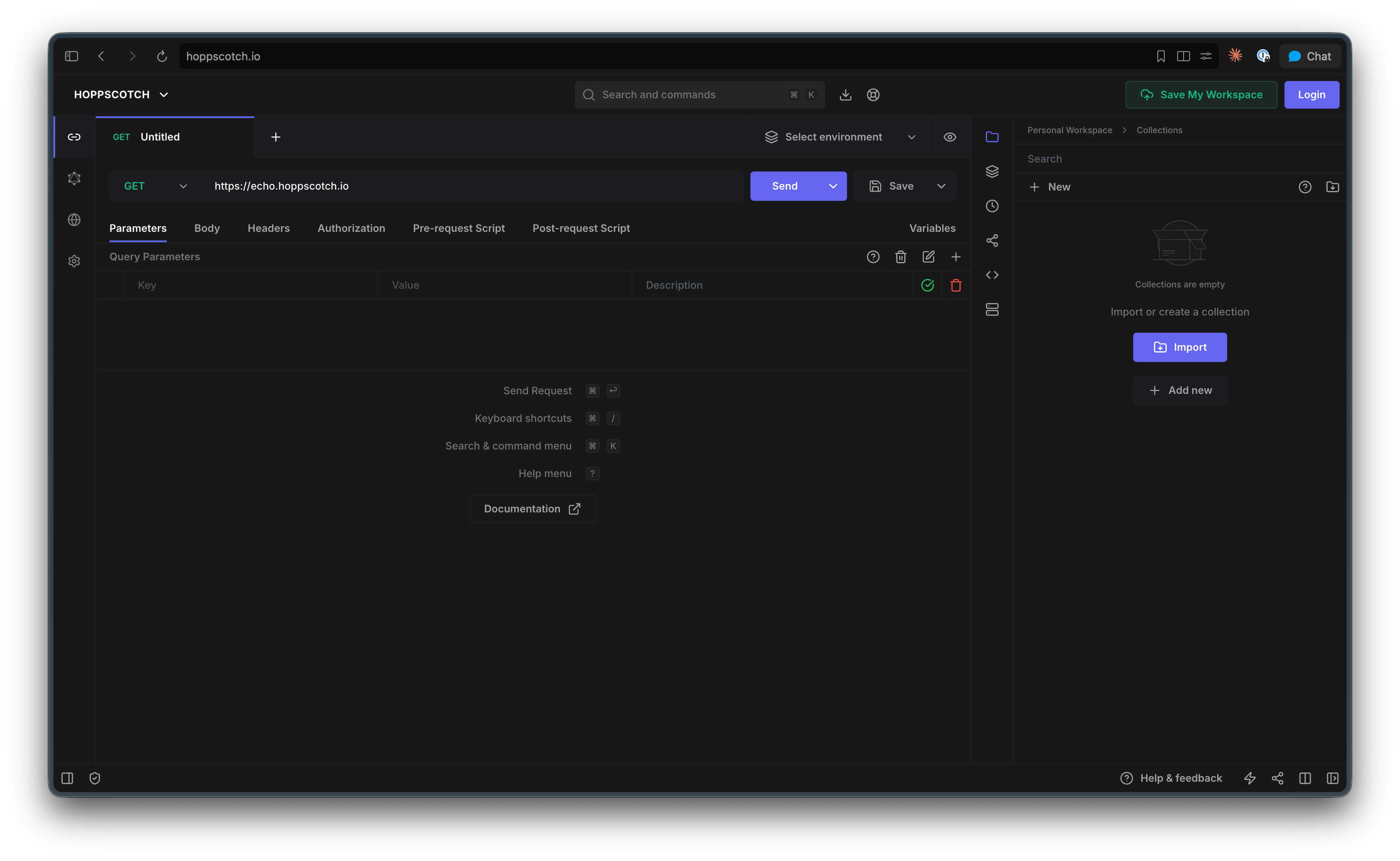
Hoppscotch is an open-source API client that runs in the browser and as a desktop app. It gives you a clean GUI for building requests, organizing them into collections, setting environment variables, and writing assertions, without the weight of a large desktop install. For developers who want a step up from the terminal but prefer something lightweight, it’s a strong free option.
Hoppscotch also has a CLI runner, so you can execute collections in a pipeline. It’s a genuine middle ground between a bare HTTP client and a full platform. If you’re weighing it against similar tools, our list of Hoppscotch alternatives breaks down the options.
The honest edge cases: mock servers, API design, and documentation are not Hoppscotch’s focus, so teams that need those will end up stitching tools together.
Postman
Postman is the most widely known GUI client. It does far more than curlie: collections, environments, scripted pre-request and test logic, mock servers, and a CLI runner (Newman, plus the newer Postman CLI) for CI. If your team already lives in Postman, the path of least resistance is to stay there.
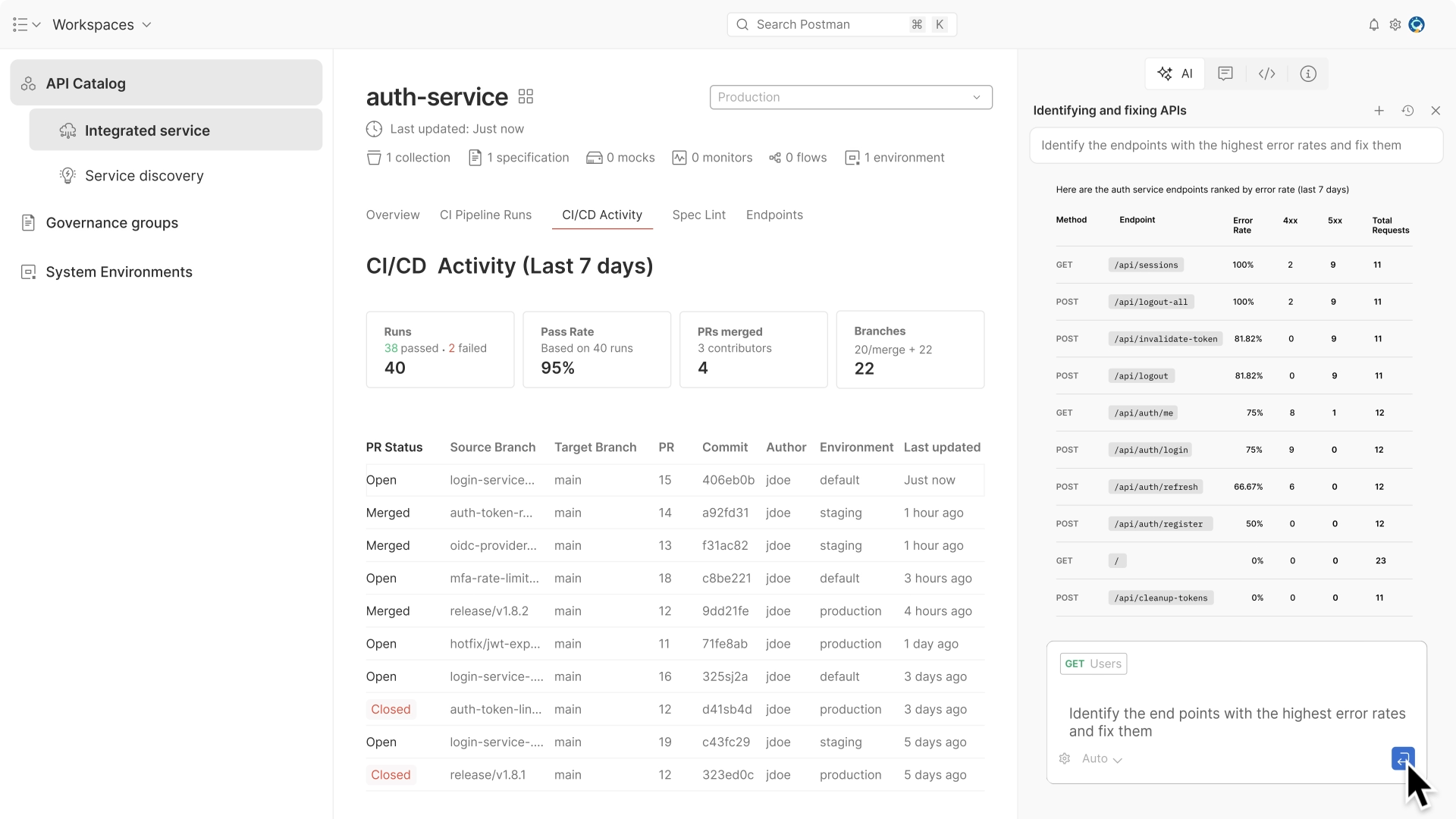
The honest trade-offs are familiar to long-time users. The desktop app has grown heavy, several formerly free features now sit behind paid tiers, and cloud-first defaults raise data-residency questions for some teams. If those points matter to you, our comparison of the best Postman alternatives for API testing is a useful next read.
Apidog: the GUI plus CI upgrade pick
If your real problem is that curlie can’t save, share, or automate requests, Apidog is the upgrade that closes all three gaps at once. It gives you a full GUI for sending and organizing requests, environments and variables, visual assertions you build without writing scripts, plus mock servers and API design in the same workspace. You stop juggling separate tools for design, testing, mocking, and docs.
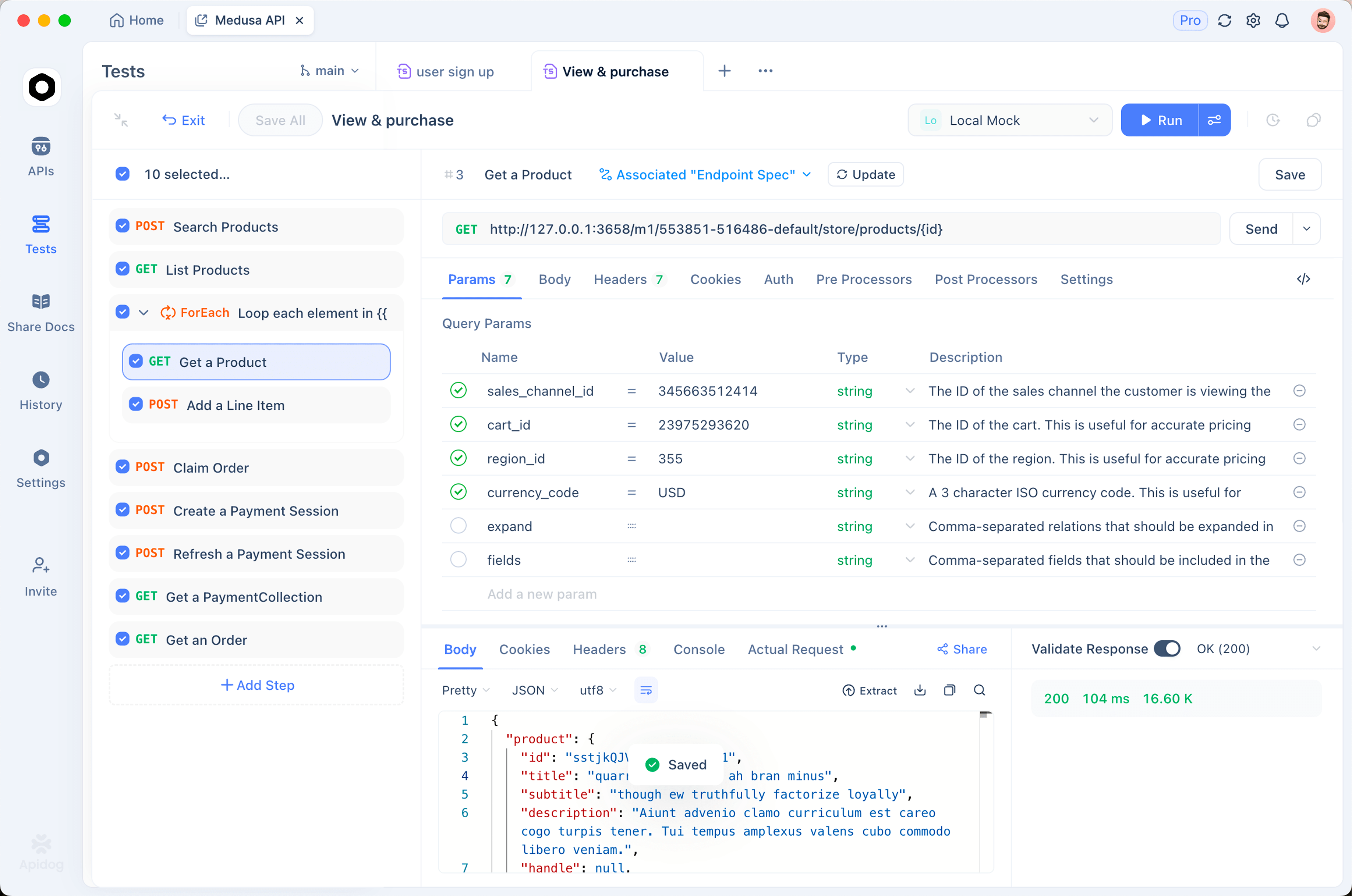
The part that matters most for anyone leaving a terminal client is automation. The Apidog CLI runner (apidog run) executes your saved test scenarios in CI, so the same requests you build in the GUI run on every push or on a schedule. You can wire it into GitHub Actions, GitLab, Jenkins, or any pipeline, and get structured reports back. That’s the leap a curl wrapper can’t make: from one-off shell commands to a tested, repeatable suite.
To be fair to the lightweight tools, Apidog is a bigger install than xh or a single curl binary, and for a five-second one-off request, a terminal client is still faster to reach for. The point isn’t that Apidog replaces a quick http GET; it’s that when those quick requests need to become a maintained, shared, CI-checked test set, Apidog is built for that and curlie isn’t. You can download Apidog and import existing curl commands or Postman collections to start from what you already have.
How to choose
Match the tool to the job, not the hype.
- Quick manual requests, you live in the terminal: HTTPie, xh, or curlie itself.
- Scripts and runbooks that must run anywhere: raw curl.
- A free GUI with collections and light CI: Hoppscotch.
- Your team is already standardized on it: Postman.
- Design, testing, mocking, docs, and CI in one place: Apidog.
Many teams keep a terminal client for fast pokes and adopt a platform for anything that needs to persist. Those two choices aren’t in conflict. For a broader survey of where each tool lands, our list of the top API testing clients goes deeper.
Frequently asked questions
Is curlie better than curl?
For reading output, yes, that’s the point of curlie. It gives you curl’s behavior with HTTPie-style colorized, formatted responses. For scripting and portability, raw curl is still the safer baseline because it has no extra dependency. They solve different problems, so many developers keep both.
What’s the difference between curlie, HTTPie, and xh?
All three aim for readable, human-friendly HTTP requests. curlie wraps curl and inherits its flags. HTTPie is the original Python tool with its own syntax. xh is a fast Rust reimplementation of HTTPie’s interface. The output and ergonomics are similar; the engine and startup speed differ.
Can I run terminal HTTP requests in CI?
You can, but ad-hoc curlie or HTTPie commands in a shell script get hard to maintain as the count grows, because there’s no shared collection or assertion model. A tool built for it, like the Apidog CLI, runs saved test scenarios with assertions and structured reports. See our Postman-like tools for API testing for more CI-ready options.
Do I have to give up my terminal client to use a GUI tool?
No. A lightweight CLI and a platform like Apidog coexist well. Use the terminal for fast one-off requests and the platform for saved, shared, and automated test suites. Apidog can import curl commands, so moving a request from your shell into a tracked collection takes seconds.
Conclusion
curlie is a smart little tool that makes curl pleasant to read, and for quick terminal work it earns its place. The alternatives split cleanly: HTTPie, xh, and curl stay in the lightweight, scriptable lane, while Hoppscotch, Postman, and Apidog give you saved requests, collaboration, and automation. If you’ve hit the wall where requests need to persist, get shared, and run in CI, Apidog is the upgrade that handles design, testing, mocking, docs, and pipeline runs in one workspace. Try it free and bring your existing curl commands along.