In today's fast-paced digital landscape, delivering high-quality software applications quickly and reliably is crucial for businesses. Continuous Integration and Continuous Deployment (CI/CD) have emerged as essential practices to streamline software development, ensuring efficient delivery and minimal errors. In this blog, we will delve deep into the world of CI/CD, exploring what it is, why it matters, and how it works.
What Is CI/CD?
CI/CD stands for Continuous Integration and Continuous Deployment (or Continuous Delivery), and it represents a set of principles, best practices, and tools that enable software development teams to deliver code changes more frequently and reliably. Let's break down these two key components:
Continuous Integration (CI)
CI integrates changes from multiple contributors into a shared repository multiple times daily. The primary objectives are:
- Early Bug Detection: By integrating regularly, you can detect and address bugs before they grow into larger problems.
- Consistent Code Base: It ensures that the codebase is consistent, no matter how many developers contribute.
- Automated Testing: Every integration is automatically tested to ensure new changes do not break existing functionality.
Continuous Deployment/Delivery (CD)
CD can refer to Continuous Deployment or Continuous Delivery, but both aim to streamline software delivery into production.
- Continuous Delivery: This ensures that the codebase is always deployable. It focuses on automating the software delivery process so teams can easily and reliably release new changes to customers anytime.
- Continuous Deployment: This is the next step, where every change in the source code is automatically deployed to production without explicit approval, automating the entire software release process.
Key Benefits of CI/CD:
When it comes to the key benefits of CI/CD, the following four points are the most important:
- Rapid Development Cycles: CI/CD automates the process of building, testing, and deploying code changes, significantly reducing the time it takes to move from development to production. This enables faster release cycles and quick responses to customer needs.
- Reduced Manual Errors: Automation eliminates many manual tasks involved in code integration and deployment, reducing the likelihood of human errors, which are a common source of software issues.
- Consistent and Reliable Builds: CI/CD ensures that code changes are consistently tested and validated before deployment, resulting in more reliable and stable builds, and minimizing the risk of unexpected production issues.
- Early Bug Detection: Automated testing within CI/CD pipelines detects and reports errors early in the development process, allowing developers to address issues when they are easier and less costly to fix.
How Does CI/CD Work?
Now that we have a basic understanding of CI/CD components, let's dive into how it works:
- Version Control: Developers use a version control system (e.g., Git) to manage code changes and collaborate effectively.
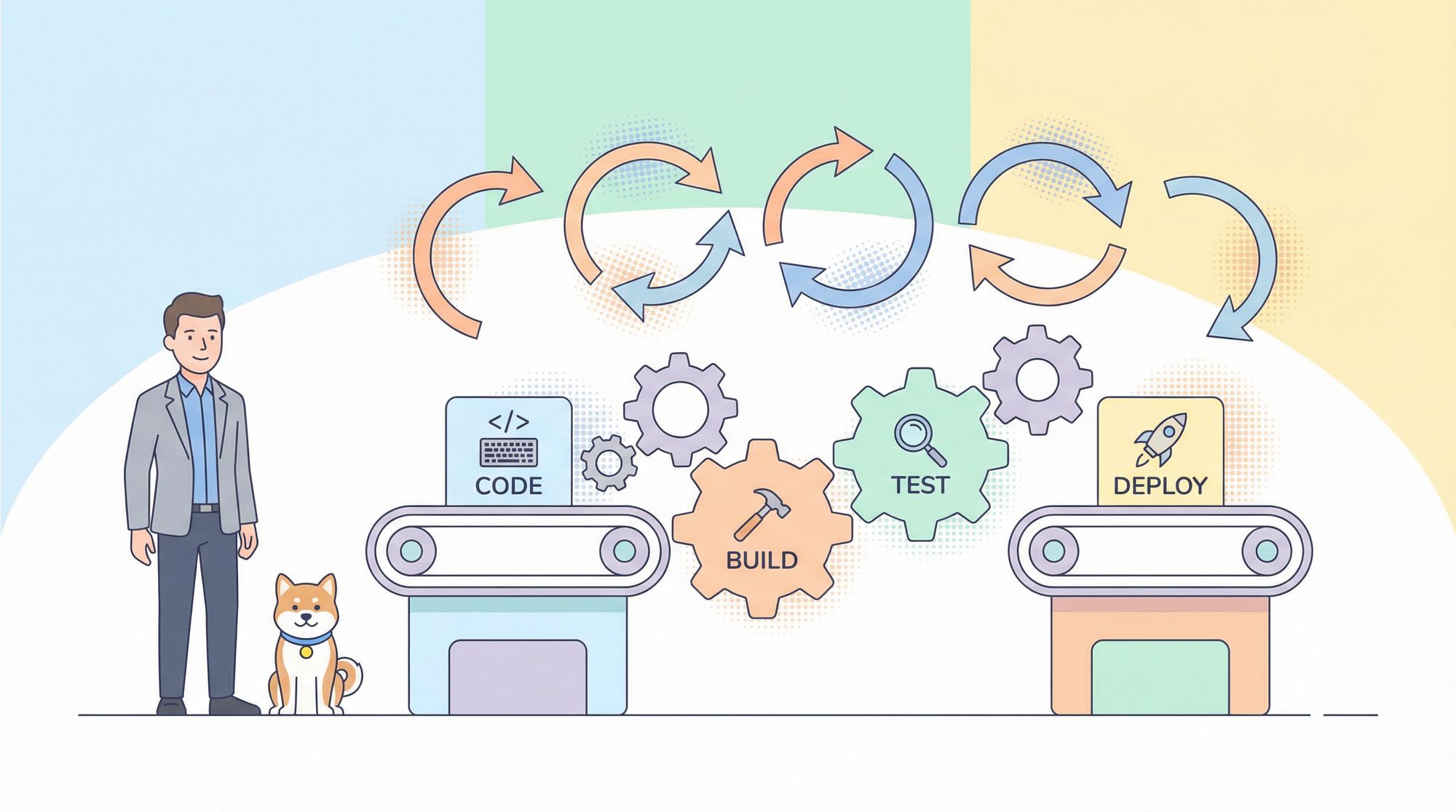
- Automated Build: Whenever code changes are pushed to the repository, CI/CD tools trigger automated builds. These tools compile the code, run tests, and create executable artifacts.
- Testing: Automated testing is a crucial part of CI/CD. It includes unit tests, integration tests, and end-to-end tests. If any test fails, the CI/CD pipeline halts, and developers are notified.
- Deployment: In CD pipelines, successful code changes are automatically deployed to a staging environment. This allows for testing in a production-like environment before deployment to production.
- Manual Approval (Optional): In Continuous Delivery pipelines, a manual approval step may be added to allow human intervention before promoting changes to production.
- Production Deployment (CD): In Continuous Deployment, successful changes are automatically and immediately deployed to the production environment.
Apidog Integration and Command-Line Interface (CLI)
Apidog seamlessly integrates into existing CI/CD pipelines, ensuring that API testing and documentation become integral parts of the continuous deployment process. With its version control feature, teams can effortlessly track changes, compare API versions, and work with the most up-to-date and stable version. Furthermore, Apidog promotes enhanced team collaboration by facilitating discussions, comments, and suggestions directly within the platform.
For developers who prefer terminal-based operations, Apidog CLI provides a command-line utility that bridges the gap. While the primary Apidog platform offers an interactive GUI (Graphical User Interface) for comprehensive API lifecycle management, the CLI allows developers to interact with the platform effortlessly without leaving their terminal environment.
 Ahmed Waheed
Tips and Best Practices
To make the most of CI/CD, consider the following tips and best practices:
- Start Small: If you're new to CI/CD, start with a single project or a small team to learn the ropes and refine your processes.
- Automate Everything: Automate as much of the development, testing, and deployment process as possible. This reduces human error and speeds up the release cycle.
- Version Control Discipline: Enforce good version control practices to maintain a clean and organized codebase.
- Comprehensive Testing: Implement a robust testing strategy, including unit tests, integration tests, and automated UI tests, to catch bugs early.
- Monitor and Measure: Use monitoring tools to track the performance and health of your applications in production. Collect data to identify areas for improvement.
- Security Considerations: Incorporate security scans and checks into your CI/CD pipeline to identify vulnerabilities early.
- Documentation: Maintain clear and up-to-date documentation for your CI/CD pipeline and processes to facilitate collaboration and troubleshooting.
- Feedback Loops: Encourage a culture of continuous improvement by gathering feedback from developers and users to enhance your CI/CD practices continually.
Conclusion
Continuous Integration and Continuous Deployment/Delivery are essential practices in modern software development. By implementing CI/CD, you can accelerate development cycles, reduce errors, and ensure a more reliable and efficient deployment process. Start small, automate rigorously, and continually improve your CI/CD pipelines to keep pace with the ever-changing world of software development.
In summary, CI/CD is not just a development process; it's a mindset that fosters collaboration, quality assurance, and rapid delivery of software solutions. Embrace it, and you'll be on your way to building and deploying software with greater confidence and efficiency.