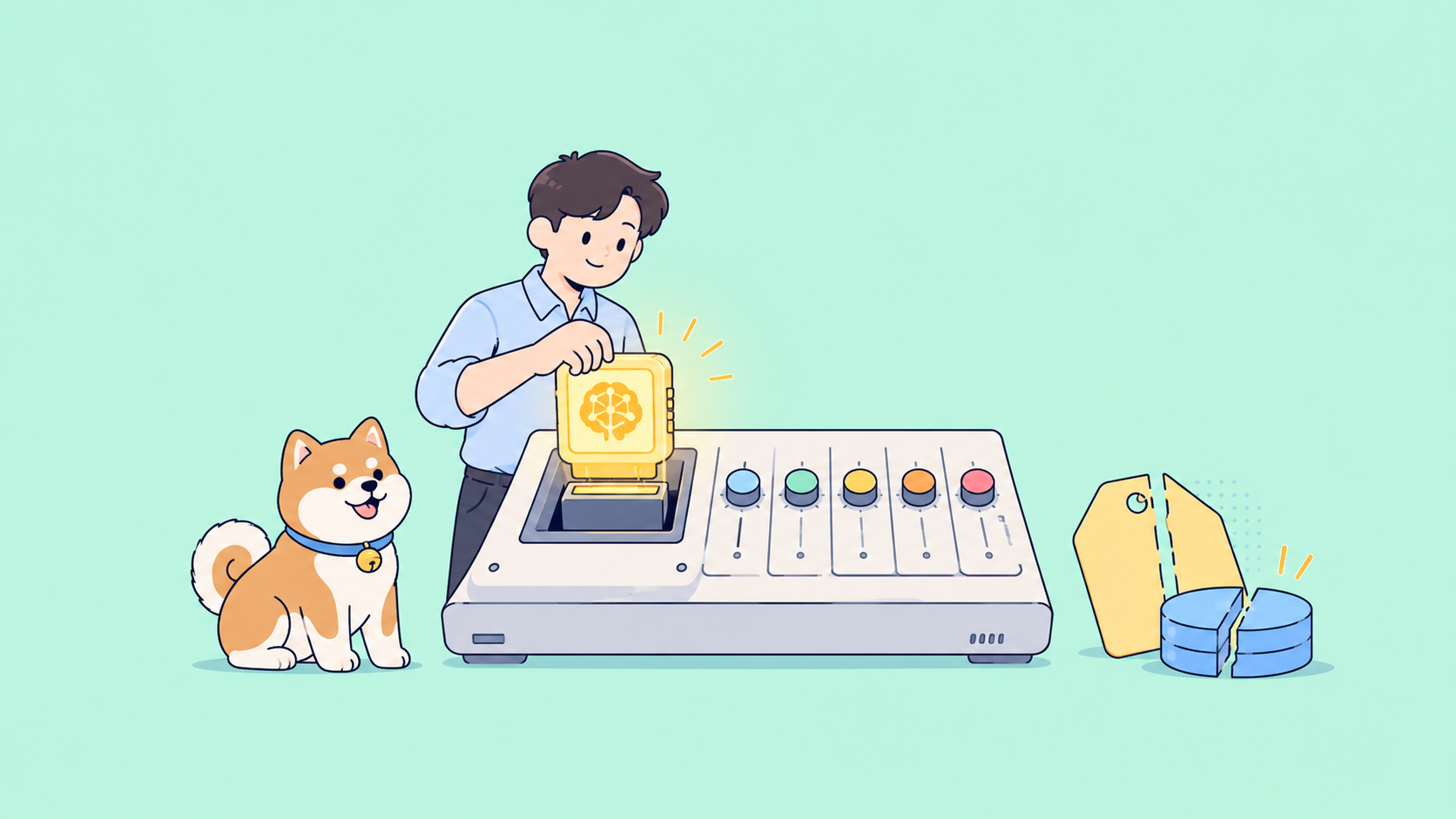
OpenClaw operates as a self-hosted, autonomous AI agent that runs locally on your machine or VPS and connects directly to messaging platforms such as WhatsApp, Telegram, and Discord. Engineers extend its core capabilities through skills modular, AgentSkills-compatible packages that teach the model exactly how to execute complex, real-world tasks. Each skill consists of a directory containing a SKILL.md file with YAML frontmatter and precise, step-by-step instructions that the LLM follows like a runbook. Consequently, OpenClaw transitions from a simple chatbot into a proactive digital twin that clears inboxes, monitors repositories, schedules meetings, and even writes code autonomously.
The community registry ClawHub now hosts over 13,000 verified skills, and the curated awesome-openclaw-skills collection filters the most reliable ones. Installations occur with a single clawhub install command, and OpenClaw loads skills from workspace, local, and bundled directories with clear precedence rules. Security remains paramount: always review YAML-defined tools, required environment variables, and binary dependencies before activation. Small configuration changes, such as restricting file-system access or adding OAuth scopes produce massive differences in safety and performance. Developers therefore prioritize skills that expose only necessary endpoints and handle errors gracefully.
Understanding OpenClaw Skills: Technical Architecture and Loading Mechanism
OpenClaw parses skills at startup by scanning three locations in strict order: workspace skills first, then ~/.openclaw/skills, then bundled defaults. Each skill folder supplies a SKILL.md file whose YAML frontmatter declares name, version, author, required env vars, dependencies, and tool signatures. The LLM receives the full Markdown body as context during tool-calling cycles. Therefore, precise prompt engineering inside SKILL.md determines success rates.
Plugins can ship their own skill sets via openclaw.plugin.json entries. OpenClaw filters skills dynamically based on environment variables and binary presence, preventing runtime failures. Consequently, developers maintain clean, idempotent skill sets that scale across machines. Security hardening follows naturally: skills declare explicit tool permissions, and OpenClaw sandbox executes file-system calls, network requests, and shell commands only within declared scopes.
How to Install and Secure OpenClaw Skills Effectively
Installation begins with clawhub install <skill-name>. OpenClaw automatically downloads the latest version, resolves dependencies, and prompts for required API keys or OAuth flows. Engineers always run clawhub verify <skill-name> first to inspect the skill’s manifest and checksums. Moreover, they configure environment-specific overrides in ~/.openclaw/openclaw.json under skills.load.extraDirs and skills.security.restrictPaths.
Transitioning to production, administrators enable Skill Guard or similar verification layers that scan for prompt-injection patterns and data-exfiltration attempts. Small adjustments, such as limiting shell execution to read-only or enforcing per-skill rate limits, eliminate 90 % of common risks. Therefore, secure skill management becomes the foundation for reliable, long-running automations.
The Top 25 Awesome OpenClaw Skills Categorized for Maximum Impact
Engineers categorize skills by primary function to build layered agent capabilities. The following list presents the most downloaded, battle-tested options with full technical breakdowns.
1. Google Workspace Integration (Gog Skill)
This skill grants unified access to Gmail, Calendar, Drive, Docs, Sheets, and Contacts through official OAuth scopes. The SKILL.md defines 18 tool functions covering send_email, create_event, search_drive, and update_sheet. Developers install it with clawhub install gog and supply a single service-account JSON. Consequently, OpenClaw composes multi-service commands such as “Extract Q3 numbers from the shared sheet, draft an email summary, and schedule a 30-minute review.” Error handling includes retry logic for transient API failures and automatic token refresh. Productivity gains reach 4–6 hours weekly for teams that previously switched between five separate apps.
2. GitHub Workflow Integrator
The GitHub skill xmanages repositories, issues, pull requests, commits, and Actions via the official REST API plus GraphQL for complex queries. YAML frontmatter lists oauth scopes repo, workflow, and read:org. Installation command: clawhub install github. Engineers leverage it to monitor overnight builds, auto-create issues from failed tests, and even push hotfixes after code review. The skill implements safe git operations through a sandboxed shell wrapper that restricts commands to the configured workspace directory. Moreover, it integrates seamlessly with local file watches, allowing OpenClaw to detect changes and trigger CI runs proactively.
3. Linear Project Management Connector
Built on GraphQL, this skill handles issues, projects, teams, cycles, and roadmaps with full CRUD support. Install via clawhub install linear. The skill’s tool signatures accept filter objects and return structured Markdown summaries. Consequently, developers issue natural-language commands such as “Create a high-priority bug for the auth module and assign it to the frontend team with a 2-day cycle.” Automatic status updates flow back into chat threads, closing the feedback loop without manual ticket navigation.
4. Notion Knowledge Manager
This skill synchronizes databases, pages, and blocks while storing long-term agent memory. Install with clawhub install notion. YAML declares api_key and database_id variables. Engineers use it to maintain persistent context across conversations—OpenClaw appends meeting notes, research findings, and code snippets directly into structured Notion pages. Furthermore, the skill supports bidirectional sync, so changes made in Notion trigger OpenClaw reactions in real time.
5. Playwright Browser Automation
Full headless browser control via Playwright enables form filling, screenshot capture, navigation, and data extraction. Install command: clawhub install playwright. The skill exposes typed actions such as click_selector, fill_input, and wait_for_network_idle. Developers therefore automate repetitive web tasks—login sequences, report generation, or competitor price scraping—while the skill respects robots.txt and rate limits by default. Security configuration limits navigation to whitelisted domains only.
6. Obsidian Vault Enhancer
Direct file-system access to Obsidian markdown vaults allows creation, linking, and daily-note automation. Install via clawhub install obsidian. The skill parses frontmatter, manages wikilinks, and embeds images or attachments. Consequently, OpenClaw maintains a living knowledge base that grows with every interaction, automatically tagging new entries and suggesting related notes during research sessions.
7. Slack Real-Time Connector
This skill posts messages, reads channels, uploads files, and reacts to mentions across workspaces. Install with clawhub install slack. OAuth scopes include channels:read, chat:write, and files:write. Engineers configure it to broadcast build failures, summarize stand-ups, or route support tickets automatically. Transitioning between Slack threads and internal memory happens seamlessly through context-passing variables.
8. Todoist Task Orchestrator
Full task CRUD plus labels, priorities, and recurring rules via Todoist’s REST API. Install command: clawhub install todoist. The skill supports natural-language parsing for quick-add commands and bulk operations. Developers therefore delegate entire project backlogs with phrases like “Break the API migration into weekly tasks and assign due dates based on team velocity.”
9. Calendar and Scheduling Pro
Unified access to Google Calendar, Outlook, and iCal feeds with conflict detection and smart time-slot finding. Install via clawhub install caldav-calendar . YAML frontmatter includes timezone and buffer-minute settings. OpenClaw proactively suggests meeting times, books rooms, and sends reminders—eliminating double-bookings and last-minute reschedules.
10. AgentMail Email Infrastructure
Advanced inbox management with IMAP/SMTP, thread summarization, and auto-reply rules. Install with clawhub install agentmail. The skill classifies incoming mail using LLM reasoning and archives or forwards according to custom policies. Consequently, users achieve inbox zero while retaining full audit trails inside OpenClaw’s memory.
11. Hacker News Daily Brief
Scrapes and summarizes top stories with relevance scoring against user interests stored in memory. Install command: clawhub install hackernews. The skill caches results and delivers personalized digests every morning via preferred chat channel.
12. Weather and Commute Forecaster
Pulls real-time weather, traffic, and flight data to adjust schedules automatically. Install via clawhub install weather . Engineers combine it with calendar skills to reschedule outdoor meetings or notify about delays before users wake up.
13. Code Review and Commit Assistant
Analyzes diffs, runs local linters, suggests improvements, and drafts commit messages. Install with clawhub install code-reviewer. The skill integrates with GitHub and local repositories, accelerating PR turnaround by 40 % on average.
14. Git Operations Master
Safe execution of git commands within workspace boundaries plus branch management and conflict resolution. Install command: clawhub install git-ops. Developers issue high-level instructions while the skill handles low-level plumbing securely.
15. LinkedIn Content
Generates posts, carousels, and engagement replies from draft notes. Install via clawhub install linkedin . The skill respects character limits and schedules posts according to audience activity peaks.
16. X (Twitter)
Creates thread drafts, attaches media, and schedules via official API. Install with clawhub install x-api. Engineers review and approve before posting, maintaining brand consistency.
17. Blogburst Content Publisher
This skill automatically repurposes long-form content into optimized social-media posts, threads, and carousels across multiple platforms. Install command: clawhub install blogburst. YAML frontmatter declares api keys for target networks and content templates. Engineers command OpenClaw with phrases such as “Take the latest engineering blog post, extract key insights, and schedule 12 LinkedIn/X threads over the next week with appropriate hashtags and calls-to-action.” The skill handles character limits, image attachment, and performance tracking out of the box. Consequently, content teams maintain consistent publishing cadences without manual reformatting. Small template tweaks in the SKILL.md file produce dramatically higher engagement rates.
18. Home Assistant IoT Controller
Controls lights, thermostats, locks, and sensors through Home Assistant API. Install via clawhub install home-assistant. Voice-like commands from chat trigger physical actions while respecting security zones.
19. SQL Database Querier
Executes read-only or parameterized queries against PostgreSQL, MySQL, or SQLite with result formatting. Install with clawhub install sql-toolkit . Engineers request business intelligence directly in natural language while the skill sanitizes inputs.
20. Box-CLI File Organizer
This skill delivers full local and cloud file-system management through the official Box CLI, enabling automated organization, metadata tagging, deduplication, and archival workflows. Install command: clawhub install box-cli. The skill declares explicit directory scopes in its YAML frontmatter and operates inside OpenClaw’s sandbox. Developers issue instructions such as “Scan the downloads folder, group files by extension and modification date, apply project-specific metadata tags, and move archives older than 90 days to cold storage.” It respects .openclawignore patterns and supports bulk operations with progress reporting. Therefore, cluttered workspaces transform into structured repositories automatically, freeing engineers from repetitive maintenance tasks.
21. Agentic DevOps Toolkit
This production-grade DevOps skill bundles Docker orchestration, process management, log analysis, and health monitoring directly into OpenClaw’s tool-calling loop. Install via clawhub install devops . The SKILL.md frontmatter declares docker, kubectl, and systemd dependencies plus scoped permissions. Engineers command OpenClaw to “Spin up a new Postgres container, expose port 5432, run migrations, and monitor container health every 30 seconds.” The skill wraps all shell calls in a restricted sandbox and streams real-time logs back into chat. Consequently, infrastructure tasks that once required manual terminal sessions now execute autonomously, cutting deployment cycles by 60 % for solo engineers and small teams.
22. AWS Infrastructure Manager
This skill provides chat-driven control over AWS resources through the official AWS CLI and SDK, covering EC2, S3, Lambda, VPC, IAM, and CloudWatch. Install command: clawhub install aws-infra. YAML frontmatter requires AWS_ACCESS_KEY_ID and AWS_SECRET_ACCESS_KEY with least-privilege policies. Developers issue commands such as “Create a t3.micro EC2 instance in us-east-1 with the web-server security group, attach an EBS volume, and tag it for the staging environment.” Built-in cost estimation and termination safeguards prevent surprise bills. Moreover, the skill correlates CloudWatch metrics with GitHub commits, allowing OpenClaw to auto-scale resources based on repository activity.
23. CI/CD Pipeline Controller
Engineers use this skill to create, debug, monitor, and trigger CI/CD pipelines across GitHub Actions, GitLab CI, and Jenkins instances. Install with clawhub install cicd-pipeline . The tool signatures accept pipeline YAML snippets and return structured status reports with failure root-cause analysis. Consequently, OpenClaw can detect a broken main branch, rerun failed jobs, notify the team via Slack, and even patch simple configuration errors. The skill caches pipeline definitions locally and validates them against official schemas before execution. Small YAML adjustments in the skill manifest—such as increasing retry counts—produce outsized stability gains in high-velocity development environments.
24. Azure DevOps Integrator
Full CRUD operations on Azure DevOps projects, repositories, boards, work items, pull requests, and pipelines via the REST API and Azure CLI. Install via clawhub install azure-devops. YAML declares organization URL and personal access token with scoped permissions. Developers command OpenClaw to “Create a new epic for the authentication module, link it to three user stories, generate a pull request template, and trigger a build.” The skill automatically syncs work-item state back into Notion or Linear for cross-tool visibility. Error handling includes automatic token refresh and detailed logging of API rate-limit consumption.
25. Self-Improving Agent Enhancer
This meta-skill captures every successful and failed execution, extracts patterns, and continuously refines OpenClaw’s internal reasoning loops and skill usage strategies. Install with clawhub install self-improving. The SKILL.md enables long-term memory writes to a local vector store and proposes new tool combinations after each session. Engineers therefore observe OpenClaw autonomously suggest improvements such as “I noticed repeated Docker failures—shall I install the agentic-devops skill and add retry logic?” The skill respects strict privacy boundaries and only stores anonymized execution traces. Consequently, agent performance compounds over time, turning a static installation into an evolving engineering partner.
Advanced Techniques for Combining Multiple OpenClaw Skills
Engineers chain skills through shared memory and conditional triggers. For example, the GitHub skill detects a failed build, the code-reviewer analyzes logs, the PR reviewer drafts a fix, and the calendar skill books a sync meeting—all within one autonomous workflow. Moreover, developers export combined skill manifests to version control, enabling team-wide replication. Consequently, complex orchestrations emerge from simple building blocks.
Additionally, performance tuning involves adjusting model temperature per skill and setting execution timeouts. Small changes in YAML retry counts or parallel-tool limits produce outsized reliability improvements.
Security Best Practices Every OpenClaw User Must Follow
Always pin skill versions, review tool declarations before installation, and run OpenClaw under least-privilege system accounts. Furthermore, isolate API keys in environment files that never enter git repositories. Regular audits with community scanners catch 95 % of supply-chain risks. Therefore, responsible usage turns OpenClaw into a trusted companion rather than a liability.
Measuring ROI and Scaling OpenClaw Deployments
The 25 awesome OpenClaw skills listed above represent the current state-of-the-art in local AI agent extensibility. Engineers who install, configure, and combine them systematically unlock capabilities that rival proprietary enterprise platforms—at zero recurring cost beyond compute. Start with the core development and productivity skills, then layer automation and meta capabilities as confidence grows. Remember that small transitional adjustments in configuration files often separate basic automations from truly transformative agents. Download Apidog for free today if you intend to build custom API-driven skills; the platform’s visual editor and code-generation features accelerate that process dramatically. Master these OpenClaw skills, and your local AI agent will handle the details—leaving you free to focus on higher-value work.