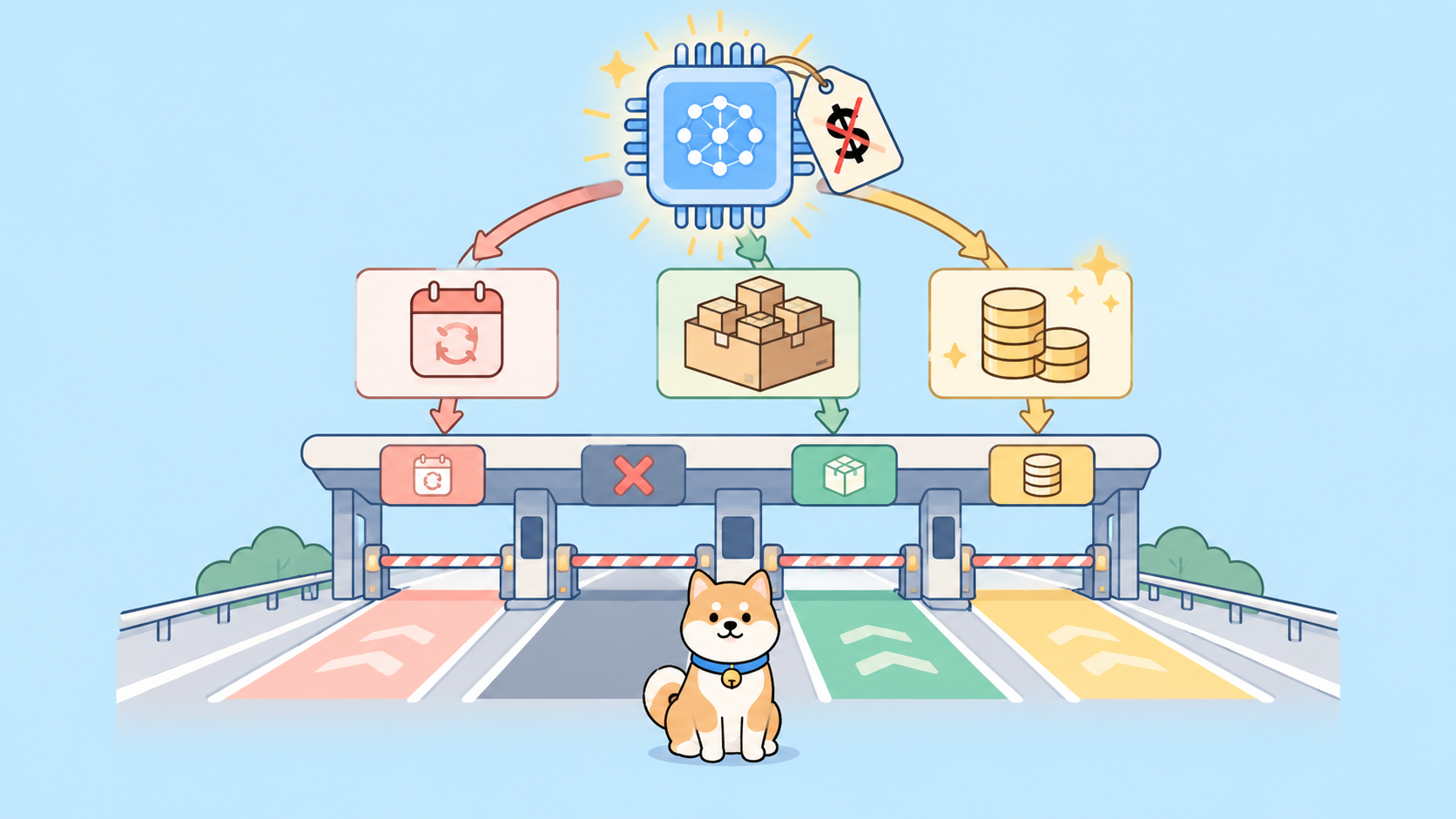
API gateways are essential in today’s digital landscape, ensuring that APIs are secure, scalable, and easy to manage. Among the modern solutions, Helix API Gateway stands out for its simplicity, robust feature set, and operational efficiency. If you're seeking to launch, manage, or monetize APIs with zero DevOps overhead, Helix API Gateway could be the answer.
This comprehensive guide will walk you through what Helix API Gateway is, its unique features, how it works, real-world applications, and how platforms like Apidog integrate seamlessly with Helix API Gateway for a superior API lifecycle experience.
What is Helix API Gateway?
Helix API Gateway is a next-generation API gateway platform designed to simplify API management for organizations of all sizes. Built specifically for modern architectures, Helix API Gateway provides a fast, intuitive, and secure method to deploy, scale, and monitor APIs—without the need for deep DevOps expertise.
Key characteristics of Helix API Gateway:
- Zero learning curve: Designed for ease of use by both developers and non-developers.
- Zero DevOps overhead: No complex infrastructure setup or maintenance required.
- AI-ready: Seamlessly integrates with AI workflows and data pipelines.
- API marketplace: Built-in capabilities for API monetization and discovery.
- Enterprise-grade security: Comprehensive policy management for authentication, authorization, and traffic control.
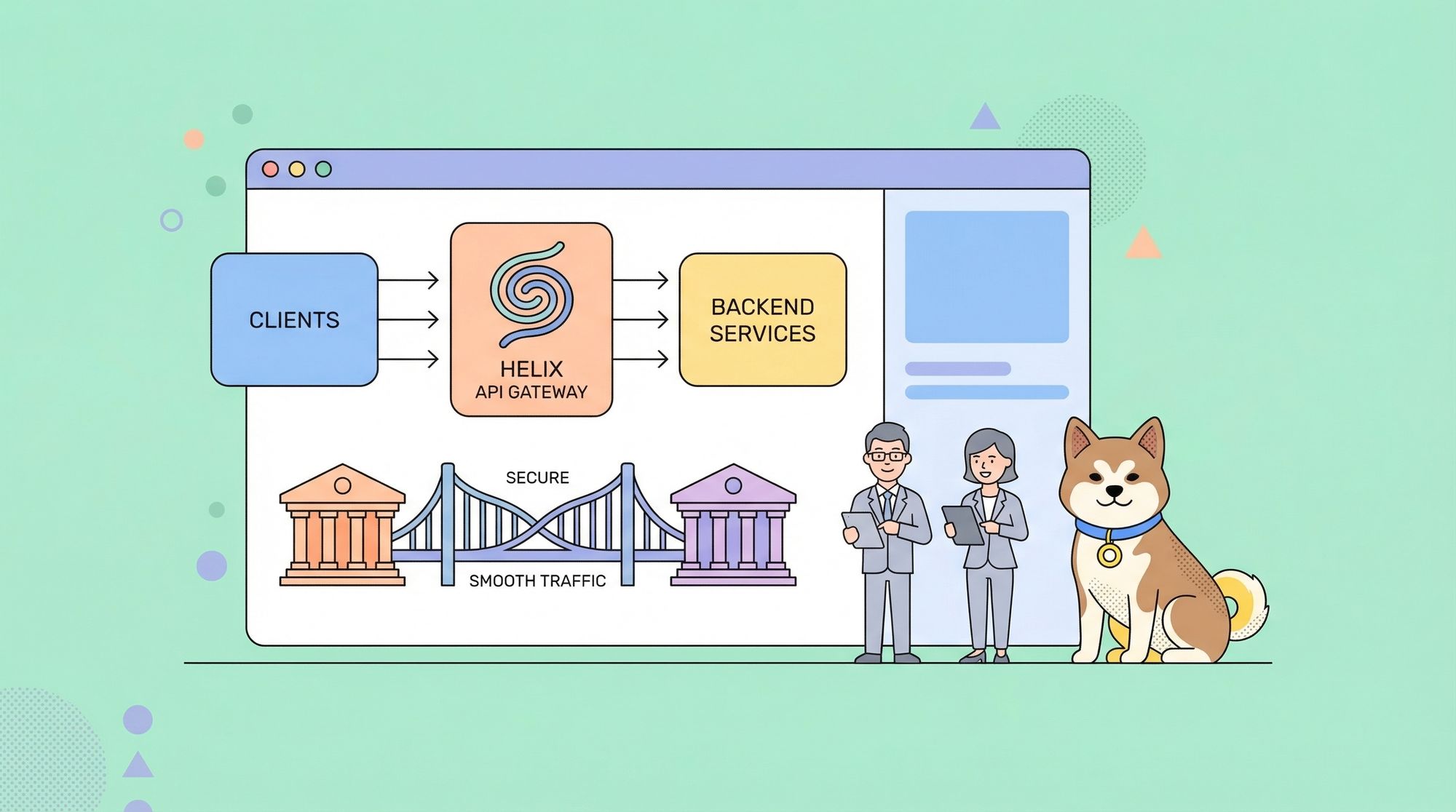
Helix API Gateway acts as a central hub, routing client requests to the appropriate backend services, applying security checks, caching, rate limiting, and transforming data as needed—all while providing visibility and control over your API ecosystem.
Why Helix API Gateway Matters
The Need for Modern API Gateways
As organizations expose more services via APIs, the complexity of managing security, traffic, versioning, and reliability increases. Traditional gateways often require heavy DevOps support and can be slow to adapt to rapidly changing business needs.
Helix API Gateway addresses these challenges by:
- Simplifying API deployment and updates
- Reducing operational costs (reported 40% savings on API ops)
- Increasing API reusability (up to 60%)
- Maintaining high availability (99.99% uptime)
- Handling millions of API calls daily
Who Should Use Helix API Gateway?
Helix API Gateway is ideal for:
- Startups needing to launch APIs quickly without DevOps overhead
- Enterprises seeking to modernize legacy API infrastructure
- SaaS providers looking to monetize APIs via a marketplace
- Teams prioritizing API security, scalability, and analytics
Core Features of Helix API Gateway
1. Effortless API Specification & Design
With Helix API Gateway, you can create, import, or manage API specifications using an intuitive UI. Import OpenAPI/Swagger definitions or design APIs visually. This is where tools like Apidog shine—allowing you to design, document, and test your APIs before integrating with Helix for deployment.
2. Advanced Traffic Management
Helix API Gateway offers robust traffic management, including:
- Rate limiting: Prevents abuse by limiting the number of requests per user or service.
- Load balancing: Distributes incoming traffic efficiently among backend services.
- Caching: Reduces latency and improves response times by serving cached data for repeated requests.
3. Enterprise-Grade Security
Security is at the core of Helix API Gateway:
- Authentication and authorization policies: Support for OAuth2, JWT, API keys, and more.
- Threat protection: Defends against common API attacks (e.g., DDoS, injection).
- TLS/SSL termination: Ensures encrypted communication between clients and the gateway.
4. Centralized Monitoring and Analytics
Gain real-time visibility into API usage, error rates, response times, and more. Helix API Gateway provides detailed dashboards and logs, helping teams optimize performance and catch issues early.
5. Built-in API Marketplace
Monetize and share your APIs securely via the Helix API Gateway marketplace. Define pricing, usage tiers, and access controls without building a marketplace from scratch.
6. AI-Ready Integrations
Helix API Gateway is designed to handle AI workflows, supporting data-intensive APIs and integrating with AI/ML platforms.
How Helix API Gateway Works: Architecture Overview
At its core, Helix API Gateway sits between your clients (mobile apps, web apps, third-party partners) and your backend services. Here’s a step-by-step overview:
1. Client Request: A user or system sends an API request to the Helix API Gateway endpoint.
2. Policy Enforcement: The gateway applies security, authentication, and traffic management policies.
3. Routing & Transformation: The request is routed to the correct backend service, with optional data transformation (e.g., format conversion, enrichment).
4. Caching & Response: If caching is enabled, the gateway may serve a cached response. Otherwise, it forwards the backend’s reply to the client.
5. Logging & Analytics: Every transaction is logged for analytics, billing, and troubleshooting.
This approach decouples clients from backend changes, centralizes API governance, and accelerates innovation.
Practical Examples: Using Helix API Gateway
Example 1: Launching a New Public API with Helix
Suppose your fintech startup wants to expose a payments API to partners and customers. Using Helix API Gateway, you can:
- Design the API in Apidog, specifying endpoints, parameters, and authentication requirements.
- Import the OpenAPI spec into Helix API Gateway.
- Set up security policies (OAuth2, JWT).
- Define traffic limits to prevent abuse.
- Publish the API to the built-in marketplace, allowing partners to discover and subscribe.
- Monitor usage and receive alerts on unusual traffic patterns.
Example 2: Securing Internal Microservices
An enterprise has dozens of microservices, each with different security needs. By placing Helix API Gateway in front of these services:
- Authentication is standardized (single point of entry).
- Service discovery is simplified.
- Traffic shaping ensures critical services aren’t overwhelmed.
- Centralized logging provides full visibility for compliance.
Example 3: Monetizing Data APIs
A SaaS company wants to offer premium data APIs to external developers. With Helix API Gateway:
- Tiered access: Offer free, standard, and premium plans.
- Automated billing: Track usage and bill customers accordingly.
- API key management: Issue and revoke keys with a few clicks.
- Usage analytics: Gain insights into which APIs are most popular.
Integrating Helix API Gateway with Apidog
Apidog is a robust API development platform that complements Helix API Gateway perfectly. Here’s how they work together:
- Design and Test APIs in Apidog: Use Apidog’s visual API designer and mock server to prototype APIs quickly.
- Export OpenAPI Specs: Export your finalized API definitions from Apidog in OpenAPI/Swagger format.
- Import into Helix API Gateway: Seamlessly import your specs into Helix for production deployment.
- Continuous API Documentation: Apidog’s documentation features ensure that your API docs stay in sync, even as you iterate rapidly with Helix.
This integration ensures a smooth workflow—from design and testing (Apidog) to deployment and management (Helix API Gateway).
Best Practices for Using Helix API Gateway
- Spec-Driven Development: Start with a clear API specification in Apidog, then deploy with Helix.
- Automate Security Policies: Use Helix’s policy templates to enforce consistent security standards.
- Monitor Continuously: Leverage Helix’s dashboards for real-time insights and proactive issue management.
- Embrace the Marketplace: Use the gateway’s marketplace to monetize APIs and manage consumer access.
- Iterate Rapidly: Take advantage of Helix’s zero DevOps overhead to deploy updates quickly without downtime.
Helix API Gateway vs. Traditional API Gateways
| Feature | Helix API Gateway | Traditional API Gateways |
|---|---|---|
| DevOps Overhead | Zero/minimal | High |
| Learning Curve | Very low | Steep |
| API Monetization | Built-in marketplace | Rare or custom integration |
| AI Workflow Support | Native | Limited |
| Security Policies | Template-based, advanced | Varies, often complex |
| Integration with Apidog | Seamless | Manual/Custom |
Conclusion: Why Choose Helix API Gateway?
Helix API Gateway is transforming how organizations build, deploy, secure, and monetize APIs. Its user-friendly approach, integrated marketplace, AI readiness, and robust security make it a top choice for digital businesses—whether you’re a startup or an enterprise.
By combining Helix API Gateway with powerful API tools like Apidog, you can accelerate your API lifecycle, enforce best practices, and unlock new business opportunities.
Frequently Asked Questions
Q: What makes Helix API Gateway unique?
A: Zero DevOps overhead, instant API marketplace, AI support, and an intuitive UI set Helix apart from traditional solutions.
Q: Can I use Helix API Gateway with my existing API designs?
A: Yes! Import OpenAPI/Swagger specs from Apidog or other tools directly into Helix.
Q: Is Helix API Gateway suitable for enterprise use?
A: Absolutely. It offers enterprise-grade security, scalability, and uptime guarantees.