ChatGPT Voice got its biggest rebuild since Advanced Voice Mode launched. As of July 8, 2026, GPT-Live is the new default: GPT-Live-1 for paid users on Go, Plus, and Pro, GPT-Live-1 mini for the Free tier.
If you use voice daily, two questions matter: what’s better, and what did you lose. Both answers are concrete, and one of them is the reason you might want to stay on Advanced Voice Mode for a while longer.
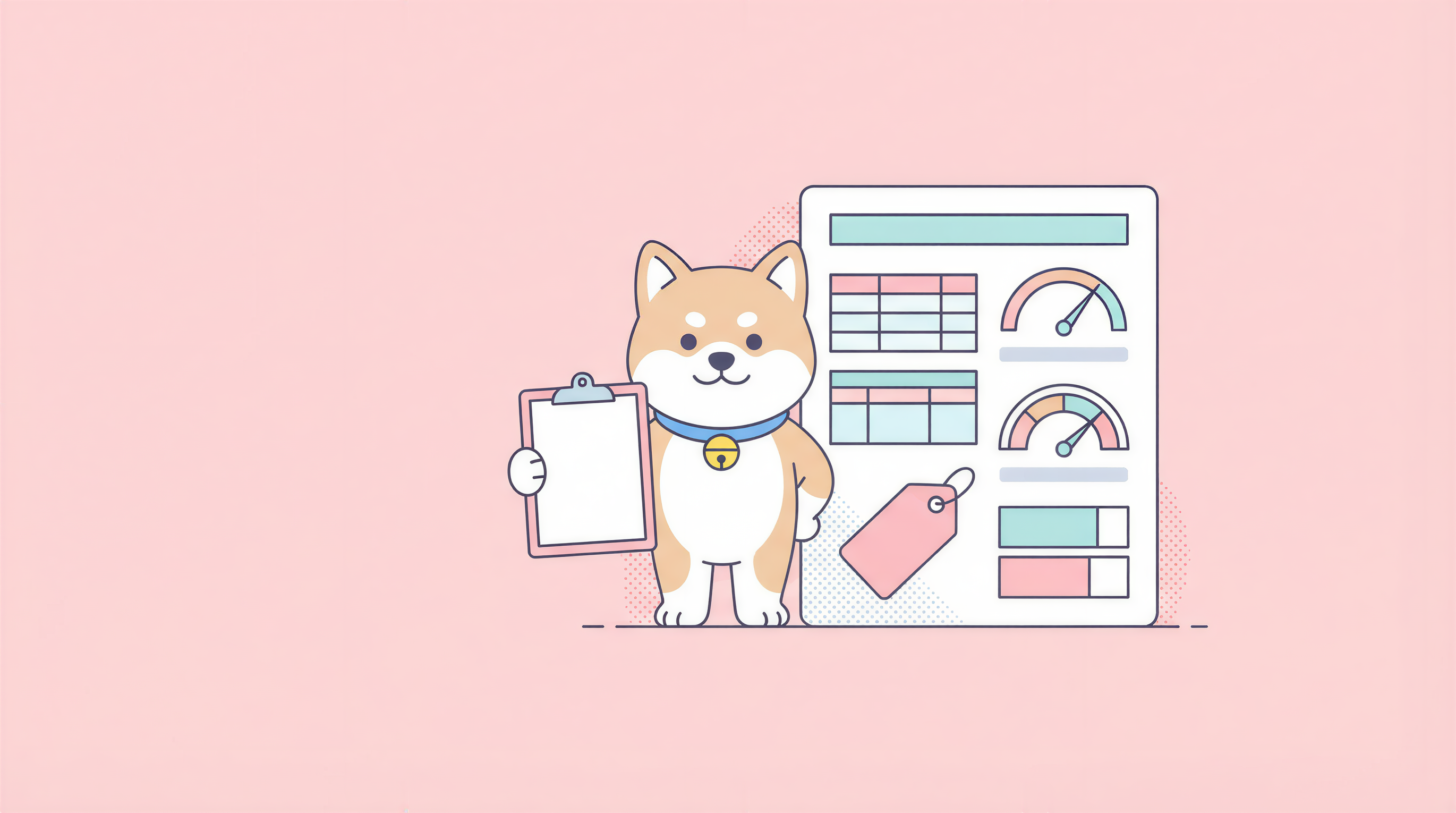
The comparison at a glance
| Advanced Voice Mode | GPT-Live | |
|---|---|---|
| Conversation model | Turn-based: speaks after you stop | Full-duplex: listens while speaking |
| Interruptions | Supported, but turn boundaries misfire | Continuous; decides many times per second |
| Backchannels (“mhmm”) | No | Yes |
| Hard questions | Answered by the voice model itself | Delegated to GPT-5.5 in the background |
| Web search | Limited | Delegated search, folded into conversation |
| Live translation | Basic | Supported |
| Visual cards (weather, stocks, sports) | No | Yes |
| Video and screen sharing | Yes (eligible subscribers) | Not at launch |
| Availability | Remains available | Default, rolling out globally |
What genuinely improved
Turn-taking stopped being the interface. Advanced Voice Mode processed audio in a single model, which cut latency, but conversations still ran in discrete turns. A thinking pause or background noise could read as “user finished,” so the model interrupted at the wrong moments. GPT-Live processes input continuously while generating output; it waits while you think, acknowledges while you explain, and recovers when you talk over it. In OpenAI’s user evaluations, people “strongly preferred” GPT-Live in 5-to-10-minute head-to-head conversations.
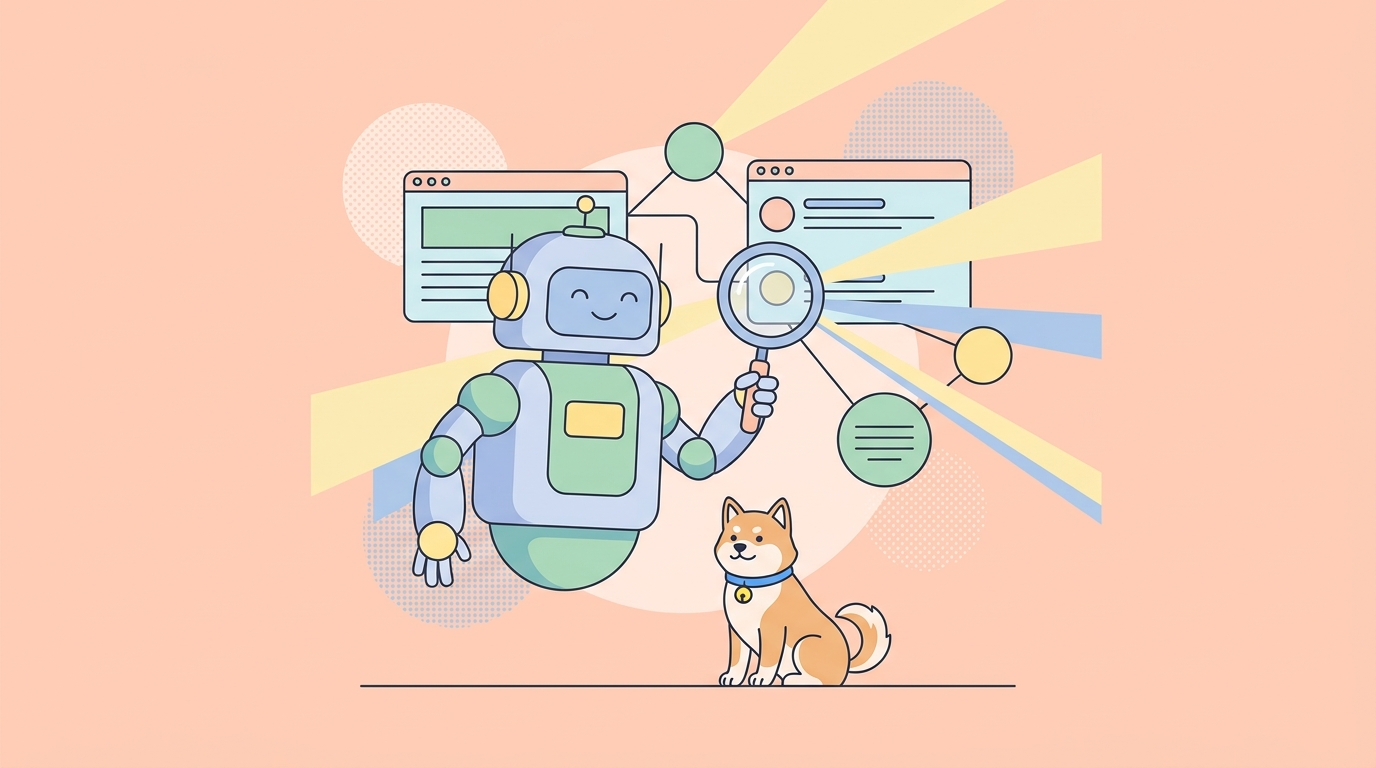
The intelligence ceiling lifted. Advanced Voice Mode answered from its own capability. GPT-Live delegates: “when a question requires search, reasoning, or more agentic capabilities,” it hands the task to a stronger model, GPT-5.5 at launch, and keeps the conversation going until the answer returns. OpenAI reports it “substantially outperforms” Advanced Voice Mode on GPQA (expert-level science questions) and shows “strong gains” on BrowseComp’s agentic web search. Vendor-reported and unquantified, but the architectural reason to believe it is sound: the ceiling is now GPT-5.5’s, not the voice model’s.
The conversation got furniture. Visual cards for weather, stocks, and sports render on screen mid-conversation; images and files can enter a voice chat; memory carries over.
What you lose, for now
Video and screen sharing. OpenAI states it plainly: “At launch, GPT-Live will not support voice with video or screen sharing in ChatGPT, but we’re working to introduce these capabilities soon.”
Advanced Voice Mode keeps both for eligible subscribers. If your workflow involves pointing your camera at a broken appliance, sharing your screen for debugging help, or any show-don’t-tell interaction, GPT-Live is a downgrade today. This is the single strongest reason to delay switching, and OpenAI kept both Standard and Advanced Voice Mode available rather than forcing the migration.
A known quantity. Advanced Voice Mode’s quirks are documented and stable. GPT-Live is a week old and rolling out in stages; early-days behavior changes are normal.
Who should switch, who should wait
Switch now if your voice use is conversation, questions, translation, or hands-free work. The full-duplex difference is not subtle, and delegation makes voice viable for questions you’d previously have typed. The setup path, including variant selection and CarPlay, is in how to use GPT-Live.
Wait if you use video or screen sharing. Keep Advanced Voice Mode until GPT-Live’s “soon” ships; you lose nothing by waiting, since AVM remains available and selectable.
Free-tier users don’t face the choice: GPT-Live-1 mini becomes the default, and it carries the same full-duplex interaction style with GPT-5.5 Instant behind it.
The bigger picture
This release retires the walkie-talkie era of voice AI in the most widely used assistant on the market, and its architecture, a fast conversational front-end delegating to slow deep reasoning, is the pattern rivals now have to match. How it stacks against Google’s approach is a live question we take up in GPT-Live vs Gemini Live, where the trade-off inverts: Gemini Live can see your camera and screen, and GPT-Live out-converses it.
For developers, none of this is in the API yet; the working stack and the waiting game are covered in Is there a GPT-Live API?. If you’re building voice agents on the Realtime API meanwhile, Apidog covers the WebSocket testing and backend mocking that voice projects always need; download it free to keep those sessions inspectable.
FAQ
Is Advanced Voice Mode going away? No. OpenAI kept Standard and Advanced Voice Mode available. GPT-Live becomes the default, not the only option.
Can I switch back to Advanced Voice Mode? Yes, voice mode selection remains in ChatGPT’s voice settings, and eligible subscribers keep AVM’s video and screen-sharing features there.
Does GPT-Live support video or screen sharing? Not at launch. OpenAI says these capabilities are coming to GPT-Live “soon”; until then, AVM is the way to keep them.
Is GPT-Live smarter than Advanced Voice Mode? Per OpenAI: substantially better on GPQA science reasoning and stronger on agentic web search, because it delegates hard questions to GPT-5.5 rather than answering from the voice model alone. Scores weren’t published.