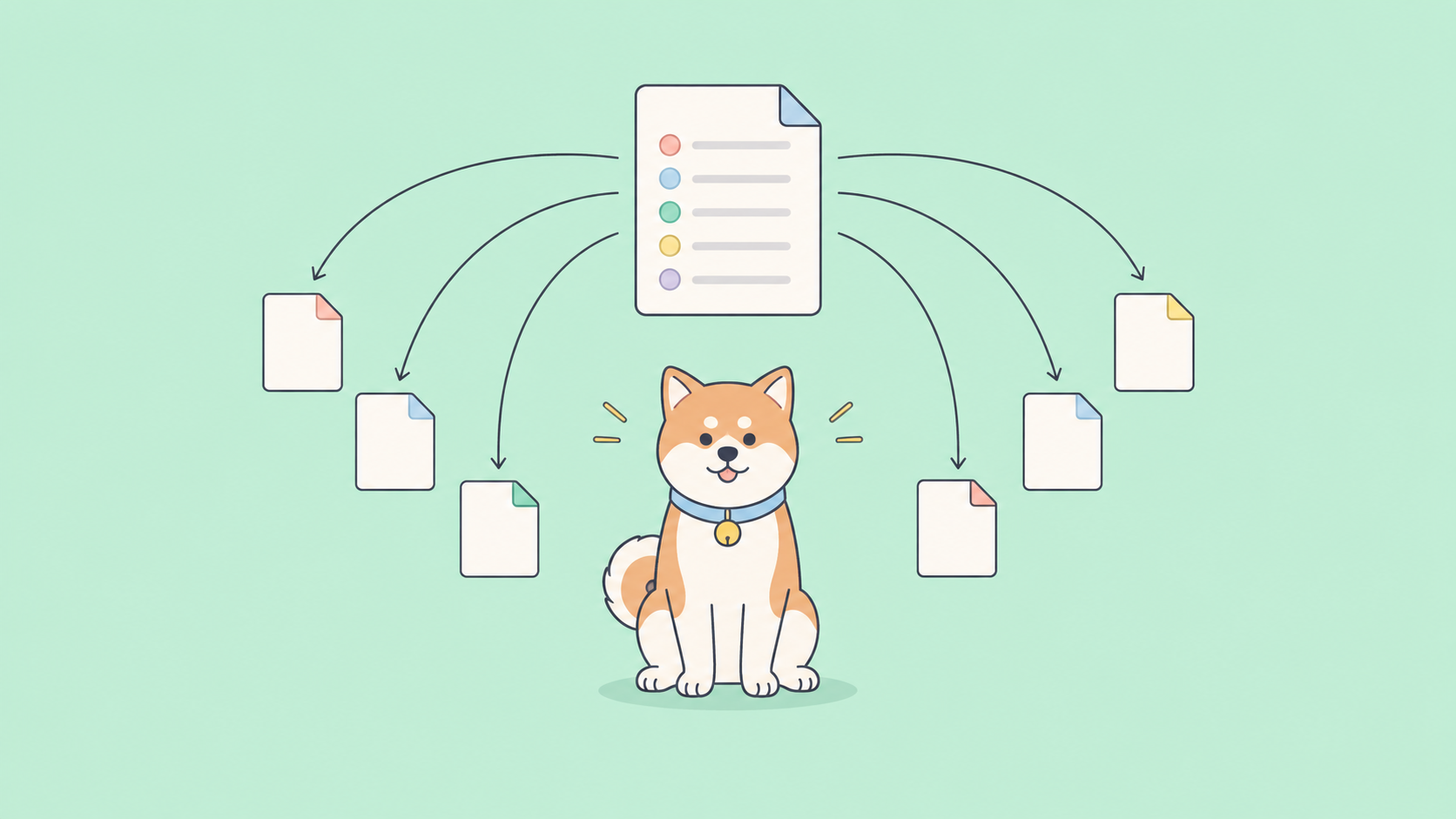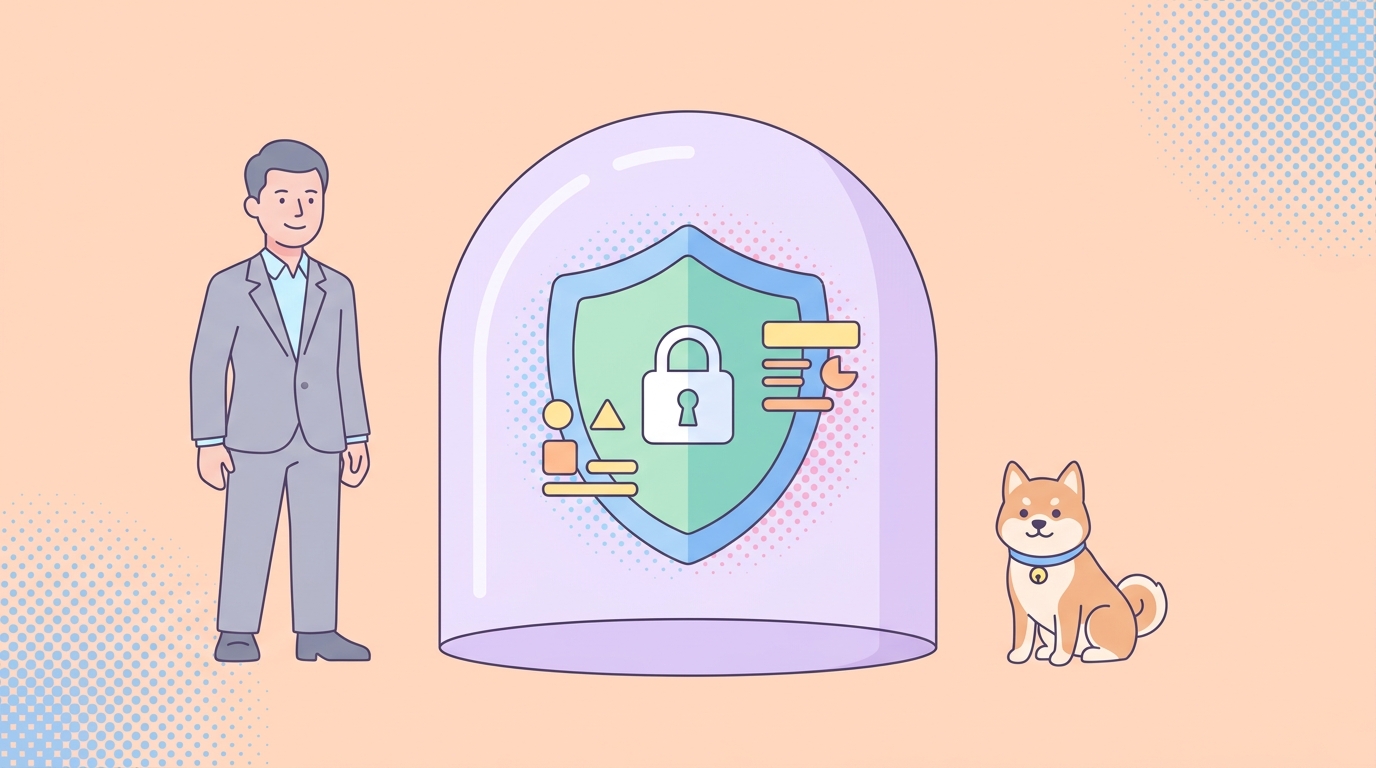
OpenAI’s next flagship model, GPT-5.6, is not getting a normal launch. According to reports published on June 25, 2026, the US government asked OpenAI to hold back a public release and ship the model to a small set of vetted partners first. If that sounds familiar, it is: less than two weeks earlier, Anthropic was forced to pull its Fable 5 and Mythos 5 models offline entirely under a government directive. Two frontier labs, two weeks apart, same root cause. This is quickly becoming the new shape of frontier model releases, and if you build on these APIs, it changes how you should plan.
What’s happening with GPT-5.6
Here is what has been reported. Treat the specifics as reporting, not official confirmation, because neither OpenAI nor the White House has commented publicly.
- Who asked: the Trump administration, specifically the Office of the National Cyber Director and the Office of Science and Technology Policy, asked OpenAI to stagger the rollout. Reported first by The Information and covered by Axios and SiliconANGLE.
- What “staggered” means: instead of a public launch, GPT-5.6 goes to a small group of partners. Government approval is reportedly needed customer by customer during this preview period. Sam Altman indicated a wider rollout would follow “a couple of weeks later” if the review goes well.
- The stated reason: national security. The concern is that a model capable of finding software vulnerabilities or breaking into hardened systems could reach adversaries before safeguards are proven.
- The timing: the June launch window already slipped. Prediction markets that had GPT-5.6 landing in late June collapsed, and a release now looks more likely in July 2026.
So GPT-5.6 is real, it is close, and it is being treated as a controlled release rather than a product launch. The current shipping flagship remains GPT-5.5, which still powers the public API today.
This already happened to Fable 5 and Mythos 5
The GPT-5.6 situation does not come out of nowhere. On June 12, 2026, Anthropic received a government directive and had to disable its newly announced Fable 5 and Mythos 5 models.
The details, per CNBC, Fortune, and Anthropic’s own statement:
- The order was an export-control directive citing national security authorities. It instructed Anthropic to suspend access to the models for any foreign national.
- The trigger was a technique to bypass Fable 5’s safeguards, which were designed to block access to Mythos 5’s stronger cybersecurity capabilities.
- Anthropic could not reliably tell foreign nationals apart from US persons in real time, so the only way to comply was to turn the models off for everyone. Hundreds of millions of users lost access at once.
- Anthropic complied but pushed back, arguing that a narrow, single-instance jailbreak should not require recalling a model deployed at that scale.
That is the precedent. SiliconANGLE’s reporting on GPT-5.6 notes the Anthropic case “appears to have set the template” for how Washington now handles frontier AI releases. The mechanism differs slightly, Anthropic got a hard suspension while OpenAI got a staggered preview, but the driver is the same: cyber-capability concerns triggering government control over who can use a model and when.
Why governments are suddenly gating frontier models
The common thread across both cases is offensive cybersecurity capability. As frontier models get better at reading code, finding vulnerabilities, and chaining exploits, they start to look less like productivity tools and more like dual-use technology. That framing pulls them under the same national-security logic that already governs other sensitive exports.
A few takeaways that matter regardless of where you land on the policy:
- Frontier releases are now reviewable events. A model can be announced and then gated, delayed, or pulled after the fact.
- Access can change with little warning. Anthropic had hours, not weeks. The decision sat outside the company’s control.
- “Available” is no longer permanent. A model you can call today might be partner-gated or offline tomorrow for reasons that have nothing to do with the vendor’s uptime.
This is not a prediction about any single model. It is a structural change in how the most capable models reach the market, and it is worth planning around.
What this means if you build on these APIs
If your product calls a frontier model through an API, these events are a direct operational risk, not just industry news. Picture the Fable 5 outage from the perspective of a team that had standardized on it: the model your features depend on returns errors at 5pm on a Friday, and no amount of retry logic brings it back, because the problem is a government directive.
The same exposure applies to a staggered launch like GPT-5.6. If you were planning to ship on day one, you now cannot, because you may not be an approved partner. You also cannot properly test or benchmark against a model you are not allowed to call yet.
The lesson is not “avoid frontier models.” It is “do not hard-wire your application to a single model you do not control.” Teams that treated their model as a swappable dependency rode out the Fable 5 suspension by failing over to another provider. Teams that had wired one model deep into their code did not.
How to keep your app working when a model goes dark
You cannot control government directives. You can control how tightly your app is coupled to any one model. A few proven approaches, and where API tooling like Apidog fits.
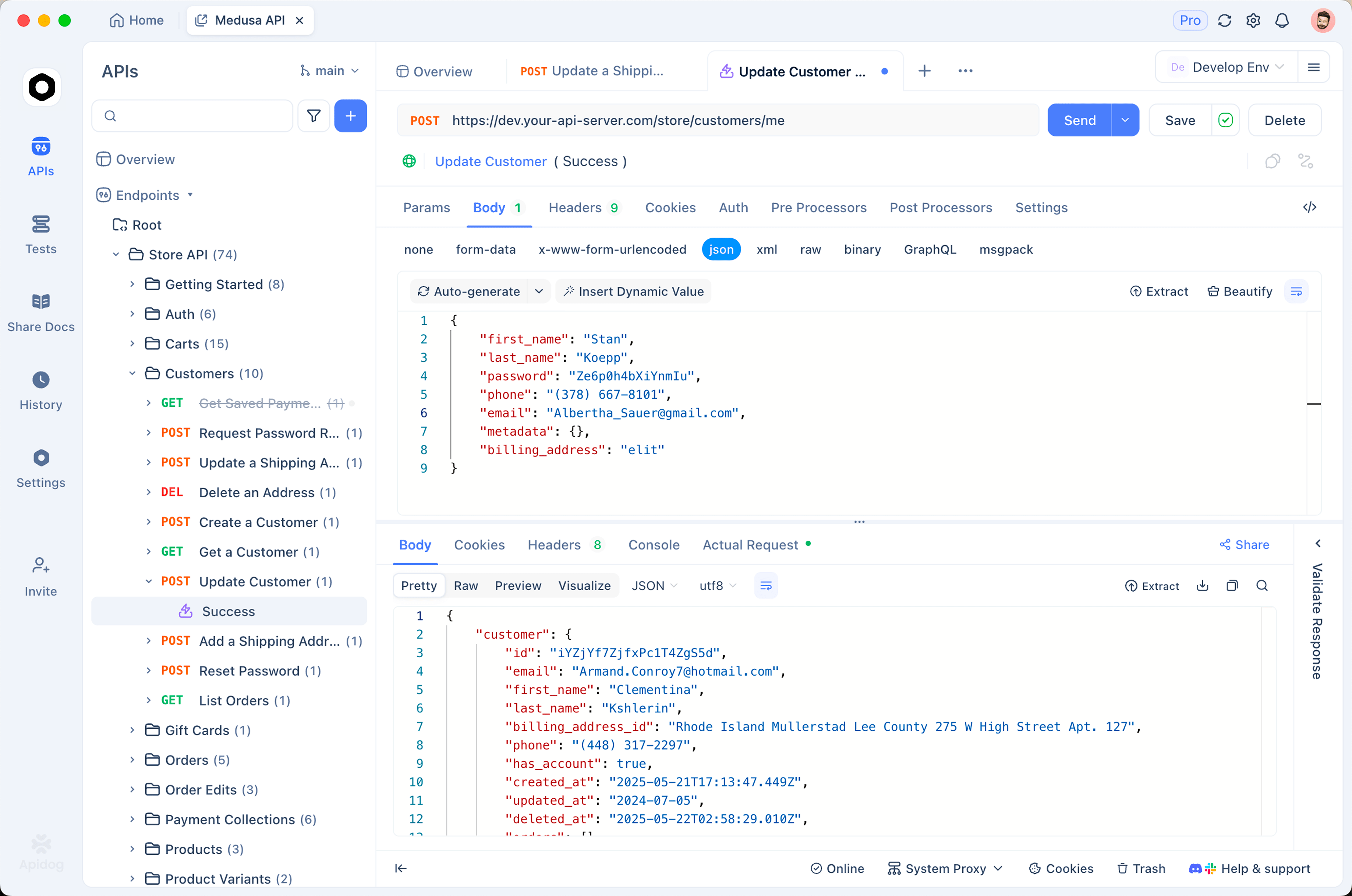
Design provider-agnostic from the start. Put your model calls behind one internal interface so swapping OpenAI for Anthropic, Google, or an open model is a config change, not a rewrite. Most providers expose an OpenAI-compatible endpoint, which makes this easier than it used to be. Our roundup of OpenRouter alternatives and the guide to using LiteLLM cover the routing layer that makes failover practical.
Test the same suite against several models. Keep a single set of API requests with assertions, then run it against each candidate model so you always know which fallbacks actually satisfy your app’s contract. You can build these checks once and reuse them; see how to test the ChatGPT API with Apidog for the pattern, and API assertions for validating the response shape rather than trusting a 200.
Mock the model so an outage does not stop development. Stand up a mock API that returns a representative model response, then point your app at it. Your frontend, your tests, and your CI keep running even when the real endpoint is gated, rate-limited, or pulled. When access returns, you switch the base URL back. This is the difference between a model suspension being an inconvenience and being a multi-day outage.
Watch cost and usage per model. When you fail over, spend and latency shift. Tracking API spend per feature keeps a surprise provider switch from becoming a surprise bill.
None of this requires betting on which model wins. It requires treating any single model as something that can disappear, and building so that it can.
Frequently asked questions
Is GPT-5.6 released yet?
No. As of late June 2026 it has not had a public release. Reports say OpenAI will ship it to a small group of vetted partners first, with a wider rollout possibly a couple of weeks later if a government review goes well. OpenAI has not officially confirmed a date, and the public API still runs on GPT-5.5.
Why did the government step in on GPT-5.6?
The reported reason is national security, specifically concern that a model strong at finding software vulnerabilities or breaking into systems could reach adversaries before its safeguards are proven. The request reportedly came from the Office of the National Cyber Director and the Office of Science and Technology Policy.
What happened to Anthropic’s Fable 5 and Mythos 5?
On June 12, 2026, Anthropic received an export-control directive to suspend access for foreign nationals. Because it could not separate foreign users from US users in real time, it disabled Fable 5 and Mythos 5 for everyone. It was the first time a frontier lab had to pull a publicly available model this way, and it set the template the GPT-5.6 reporting now points back to.
How do I keep my app working if a model gets pulled?
Decouple from any single model. Route calls through one internal interface, keep a tested fallback model ready, and mock the model API so development and testing continue during an outage. If your app can switch providers with a config change, a suspension becomes a quick failover instead of downtime. The Apidog mock server and a reusable test suite are the practical pieces.
Wrapping up
GPT-5.6 getting staggered by the government, two weeks after Fable 5 and Mythos 5 were pulled, is not a coincidence. It is the start of a pattern where the most capable models ship under review, and where access can change for reasons no vendor controls. For developers, the response is not to avoid these models. It is to stop depending on any one of them as if it were permanent. Build provider-agnostic, test your fallbacks, and mock the model API so your product keeps running no matter which model is available this week. You can set the whole thing up in Apidog and stop treating a single model as a single point of failure.