Solana has become one of the most important ecosystems for high-performance blockchain applications.
Its speed, low transaction costs, and growing developer ecosystem have made it a preferred choice for wallet apps, DeFi platforms, trading systems, and increasingly, AI-powered agents that interact directly with on-chain data.
But building anything meaningful on Solana is not just about smart contracts anymore.
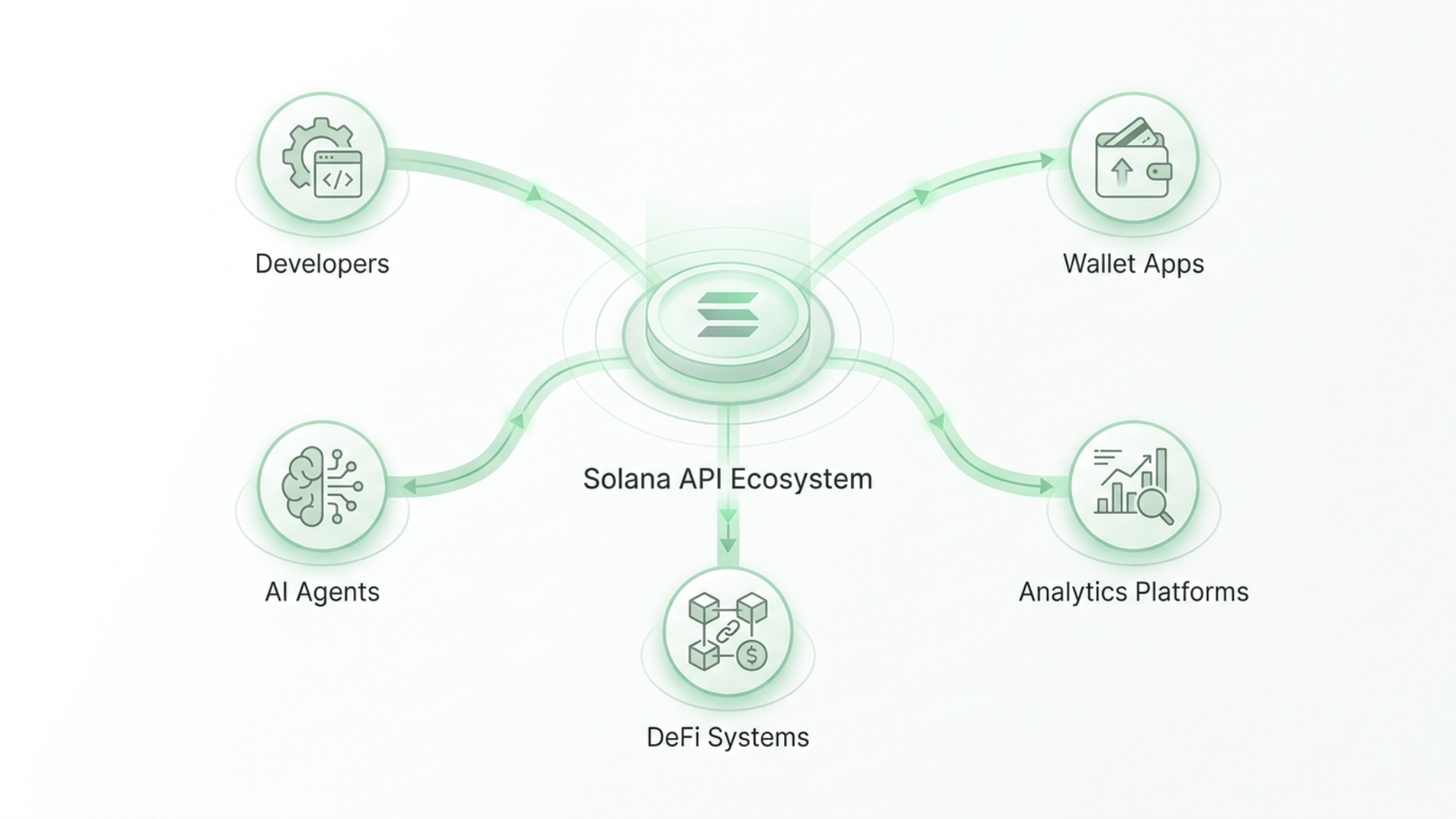
Modern applications need reliable infrastructure for:
- wallet balances and portfolio tracking
- transaction history and indexing
- token pricing and liquidity data
- swap routing and DeFi interactions
- real-time blockchain events
- AI-readable structured data
This is where Solana APIs become essential.
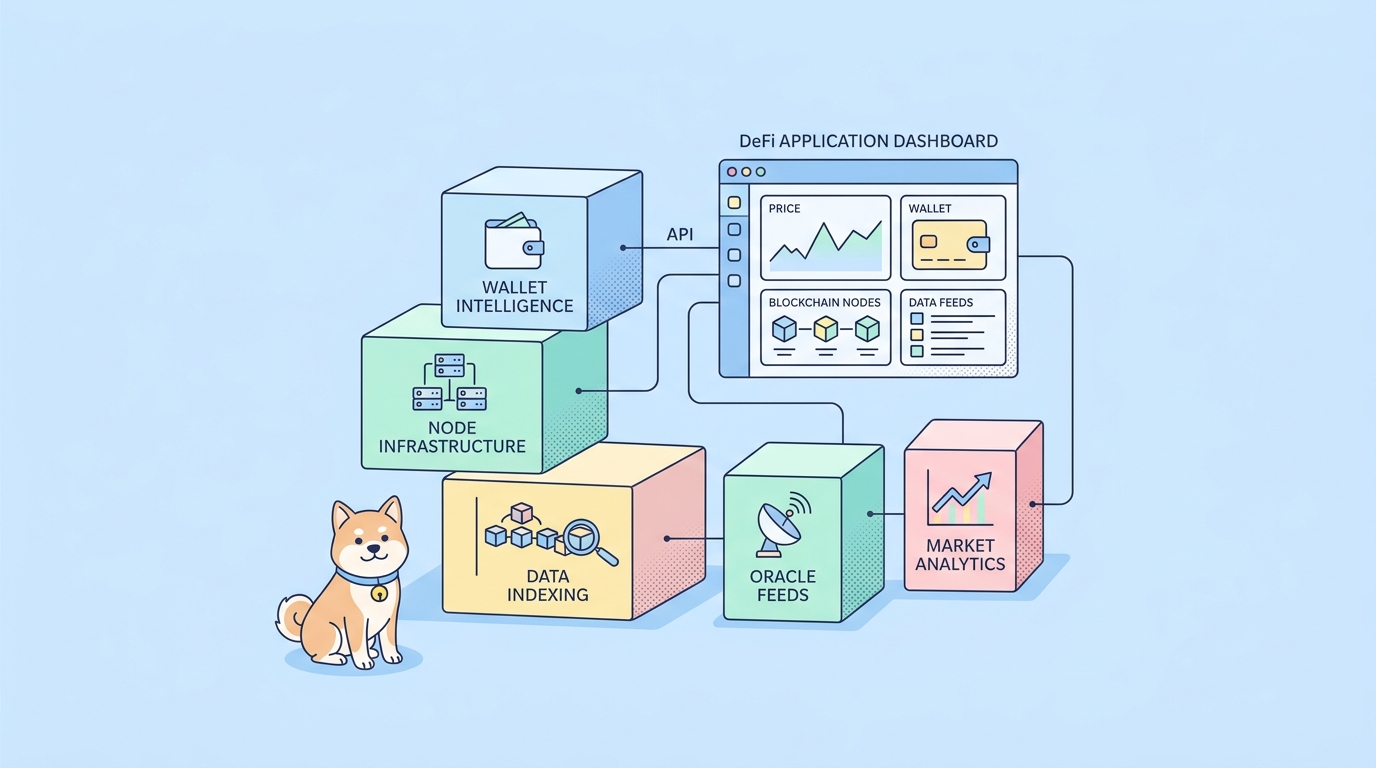
The challenge is that “Solana API” is no longer a single category. Different providers solve different layers of the stack from raw RPC infrastructure to DeFi routing and wallet intelligence.
In this guide, we break down the best Solana APIs in 2026 for developers, wallet apps, and AI agents:
- CoinStats Solana API
- Chainstack
- Jupiter
- Shyft
- Birdeye
- Solscan
Instead of ranking them purely by popularity, we focus on what each tool actually does and where it fits in a real Solana architecture.
What Makes a Good Solana API?
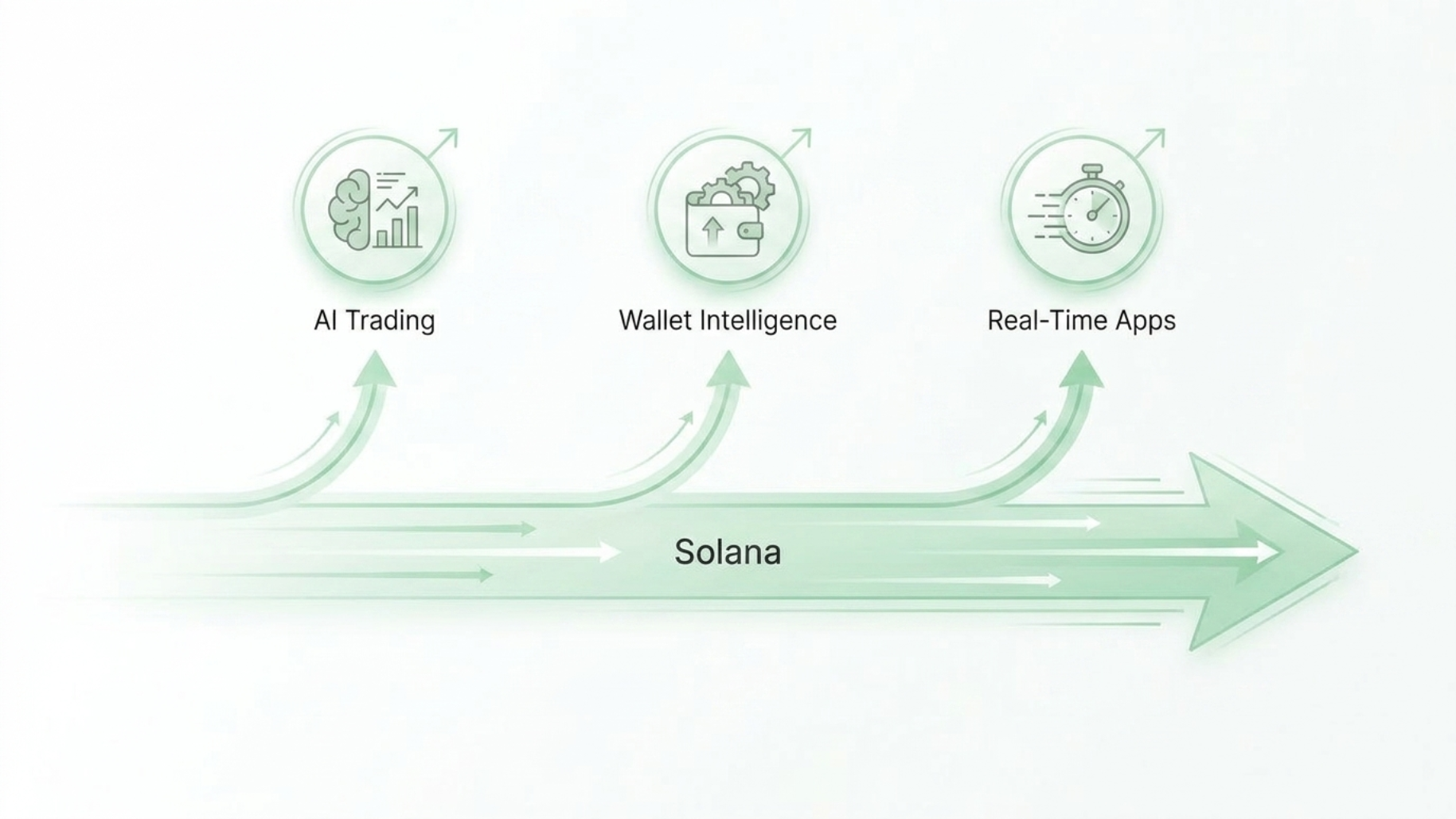
Before choosing a provider, it’s important to understand what modern Solana applications actually require.
Wallet and Account Data
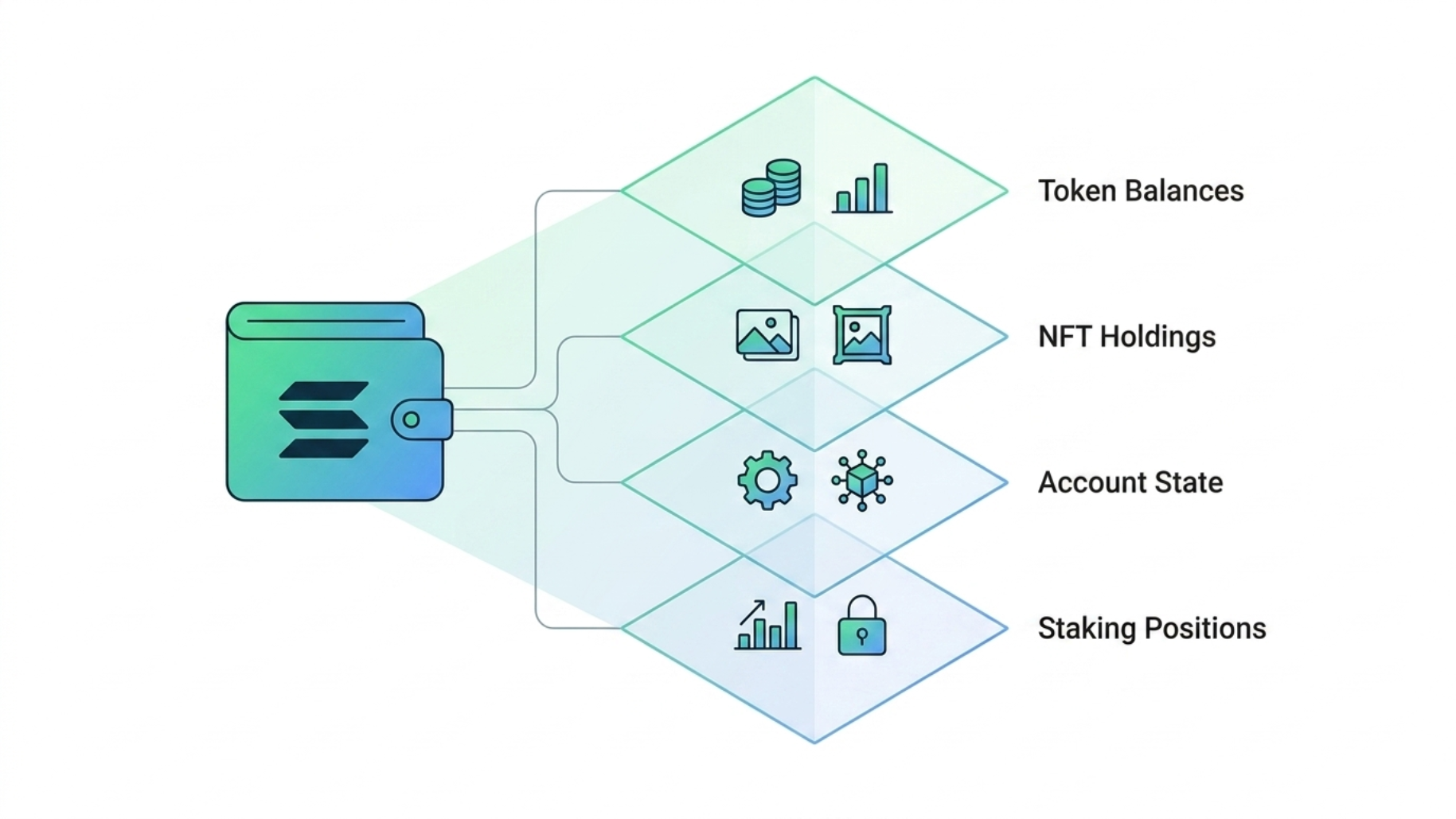
Most Solana applications start with wallet visibility.
Developers often need:
- token balances
- NFT holdings
- account state
- staking positions
Without this layer, it’s impossible to build wallets, dashboards, or AI portfolio tools.
Transaction History and Indexing
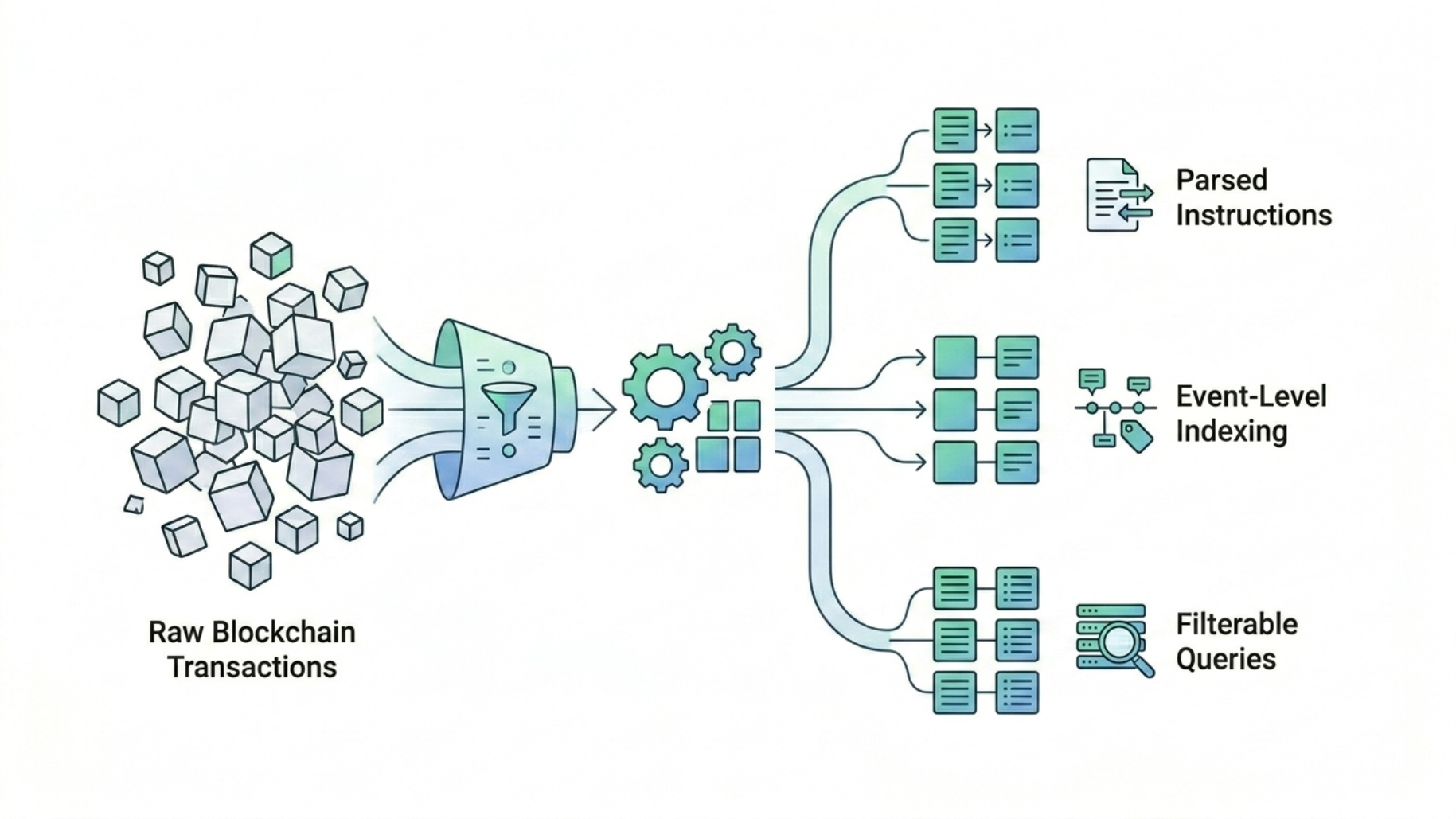
Raw blockchain data is difficult to work with directly.
A good API should provide:
- structured transaction history
- parsed instructions
- event-level indexing
- filterable queries
This is critical for analytics tools and AI agents.
DeFi and Swap Infrastructure
Solana’s DeFi ecosystem is fast-moving.
Applications often require:
- swap routing
- liquidity data
- DEX aggregation
- pricing across pools
Real-Time Performance
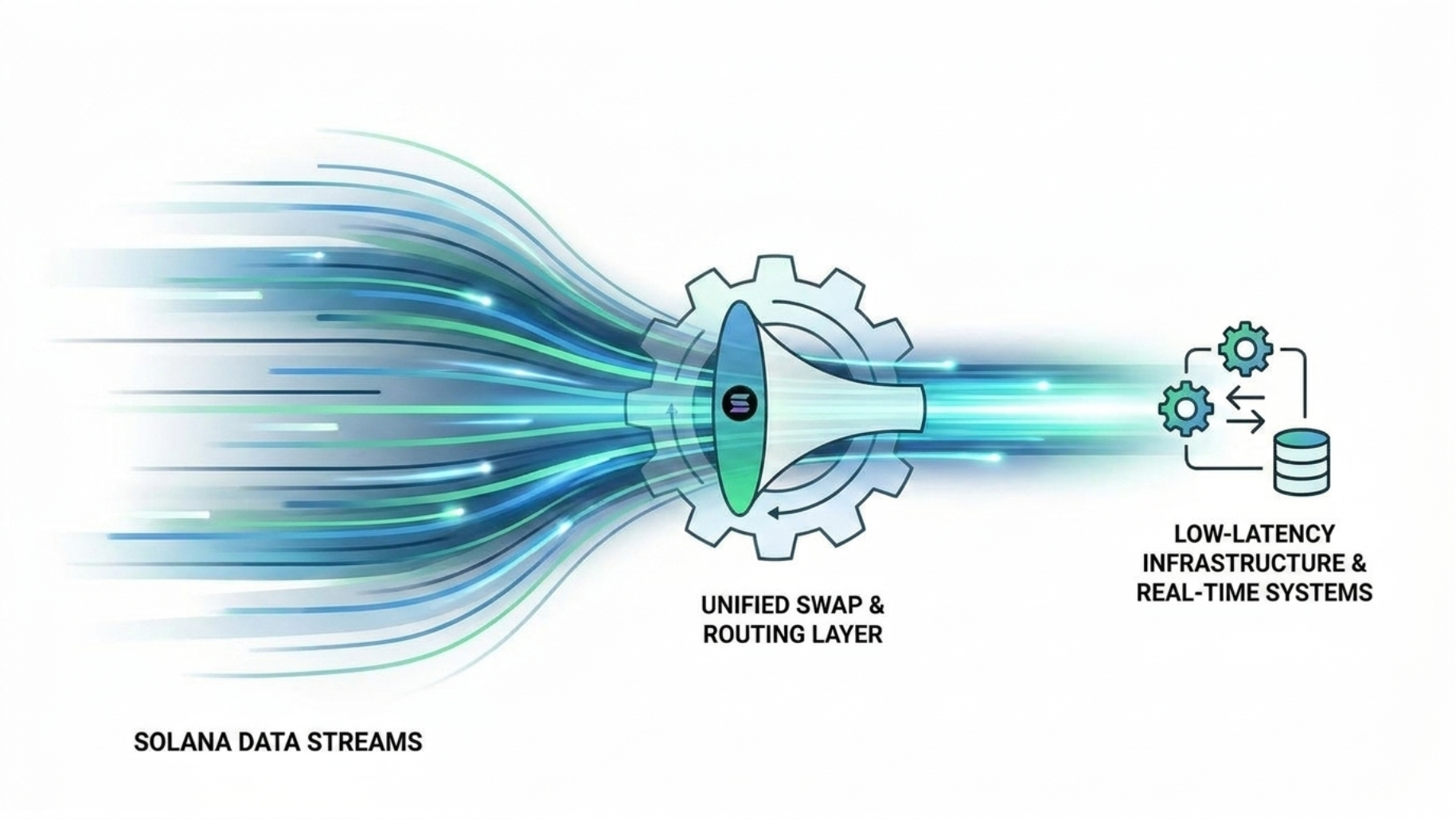
Solana apps are highly sensitive to latency.
APIs must support:
- fast RPC responses
- WebSocket streams
- low-latency indexing
AI and Automation Readiness
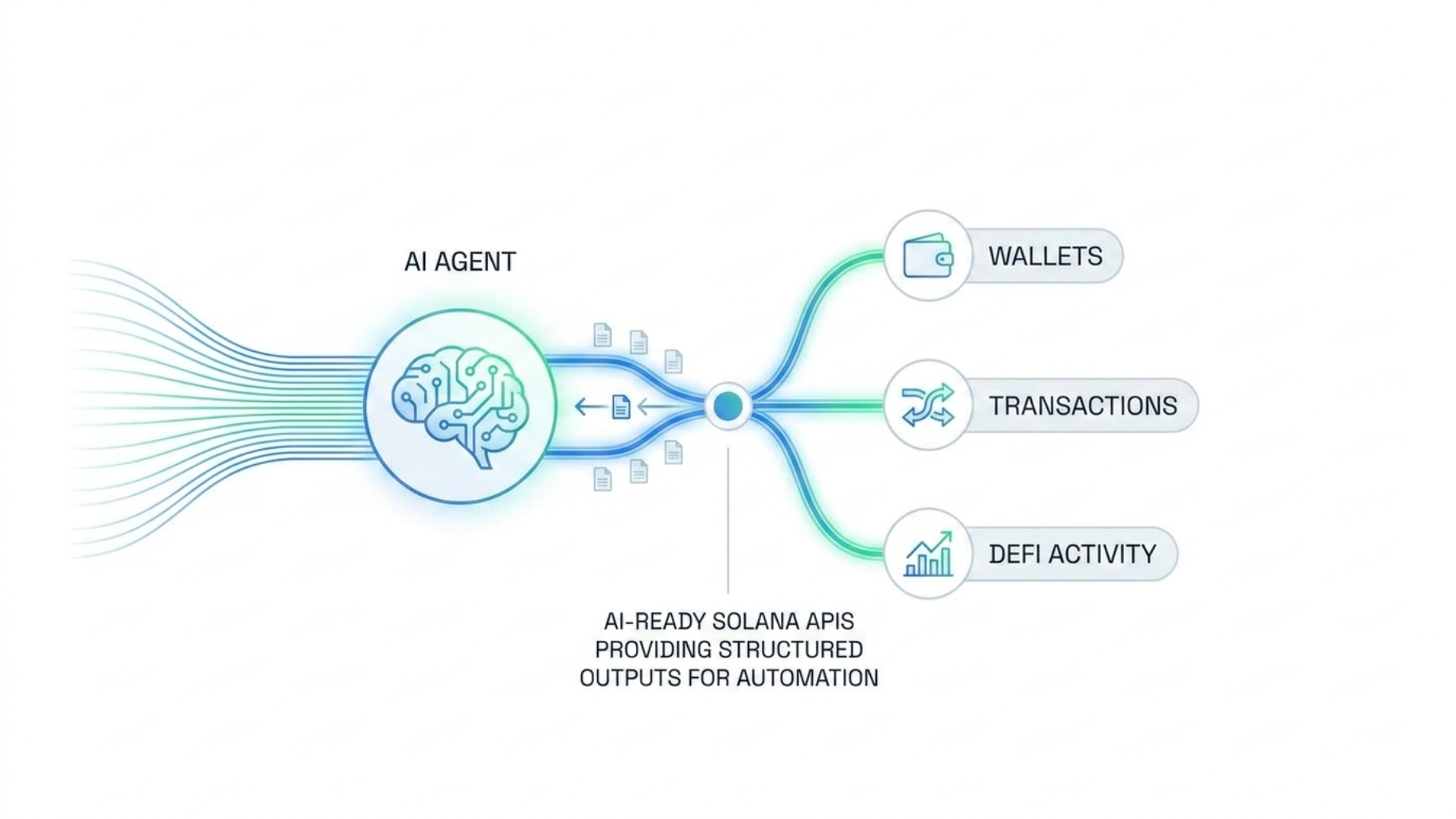
Increasingly, APIs are expected to support AI workflows.
This includes:
- structured outputs
- agent-friendly endpoints
- context-rich responses
1. CoinStats Solana API
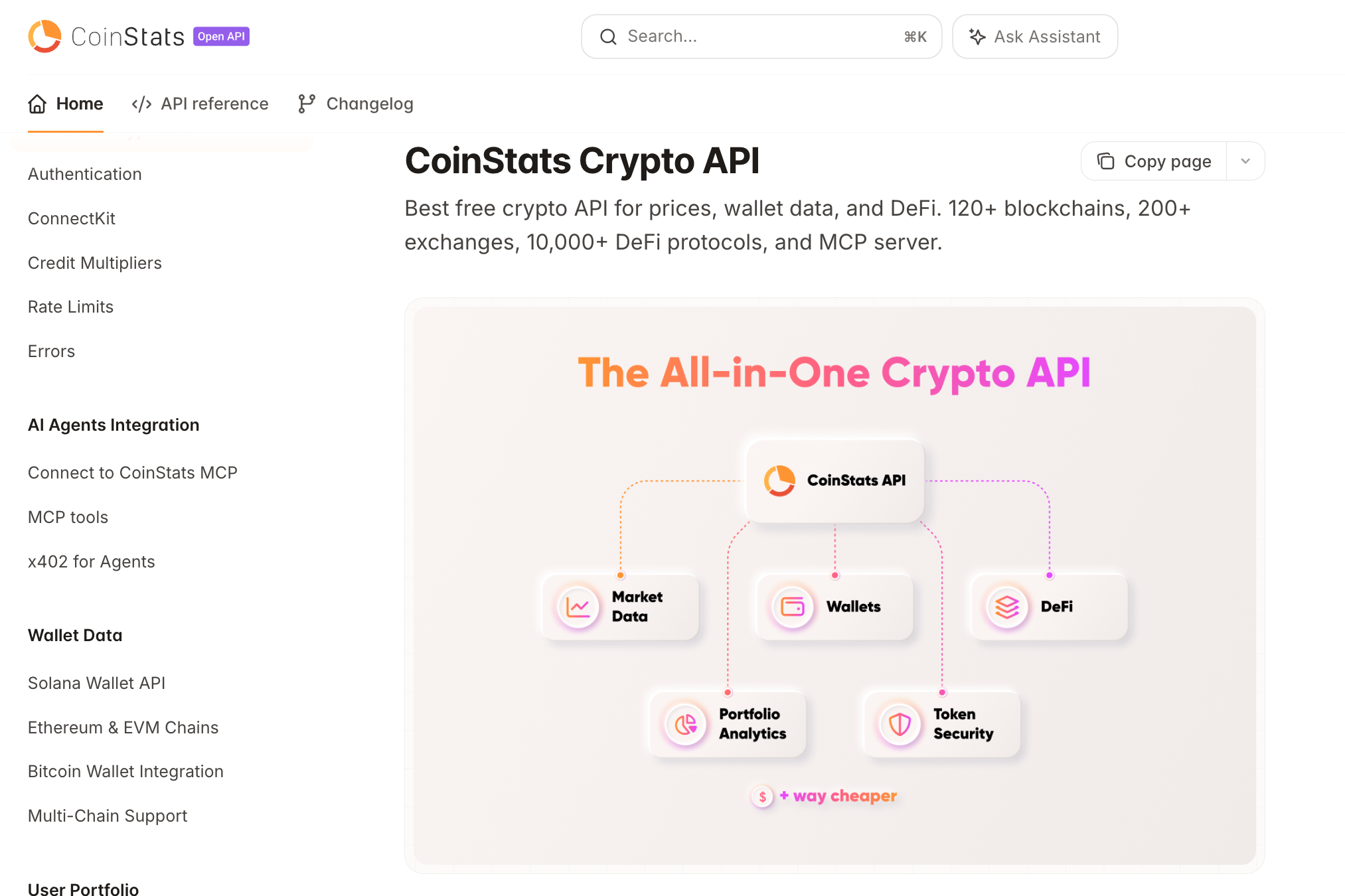
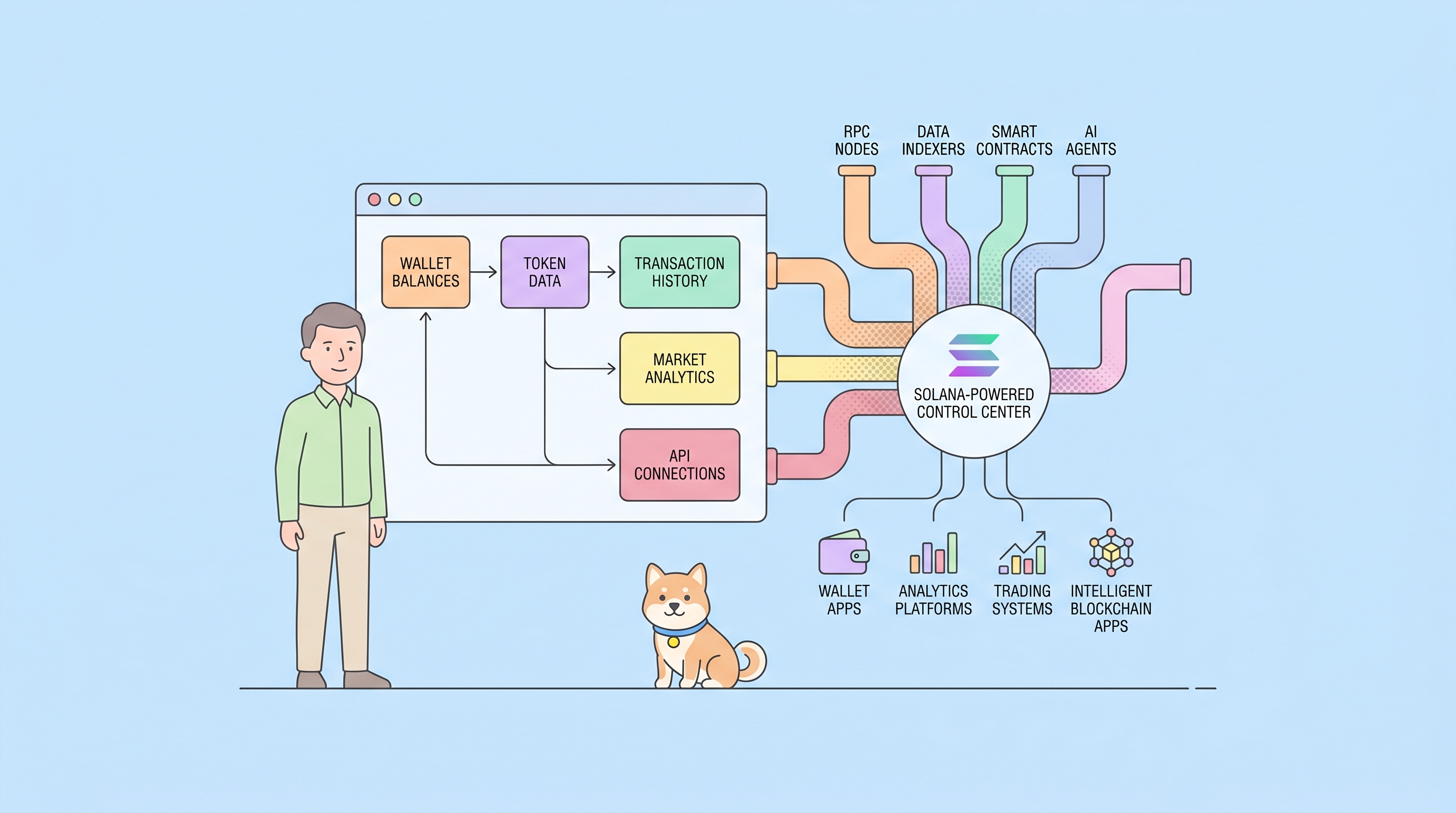
CoinStats Solana API focuses on combining wallet intelligence, portfolio tracking, and multi-chain crypto data into a single structured system.
Instead of forcing developers to stitch together separate APIs for balances, transactions, and portfolio analytics, CoinStats provides a unified layer that organizes data around wallets and user activity.
It is commonly used in applications that need a full view of a user’s Solana activity, including:
- wallet balances across tokens
- transaction history across accounts
- portfolio-level performance tracking
- DeFi exposure and asset distribution
- multi-chain portfolio aggregation
This makes it particularly useful for AI-driven applications, where context matters more than raw data.
For example, instead of only returning token balances, the API can provide structured insights such as:
- portfolio composition
- realized vs unrealized performance
- cross-chain asset distribution
- historical wallet behavior
This reduces the amount of backend infrastructure developers need to build manually.
CoinStats API is often used in:
- market data
- AI portfolio assistants
- wallet tracking applications
- automated crypto dashboards
- multi-chain analytics tools
It is less about low-level blockchain access. CoinStats Solana API turns raw on-chain data into usable financial context. For endpoint breakdowns and use cases, this Solana API guide goes deeper.
Strengths
- Unified wallet, portfolio, and market data in one API
- 120+ chain coverage including Solana
- Strong portfolio analytics layer
- Suitable for AI agents
- Reduces need for multiple data providers
Best For
Market data feeds, wallet apps, portfolio analytics, AI portfolio systems, AI trading bots, and multi-chain analytics platforms.
2. Chainstack
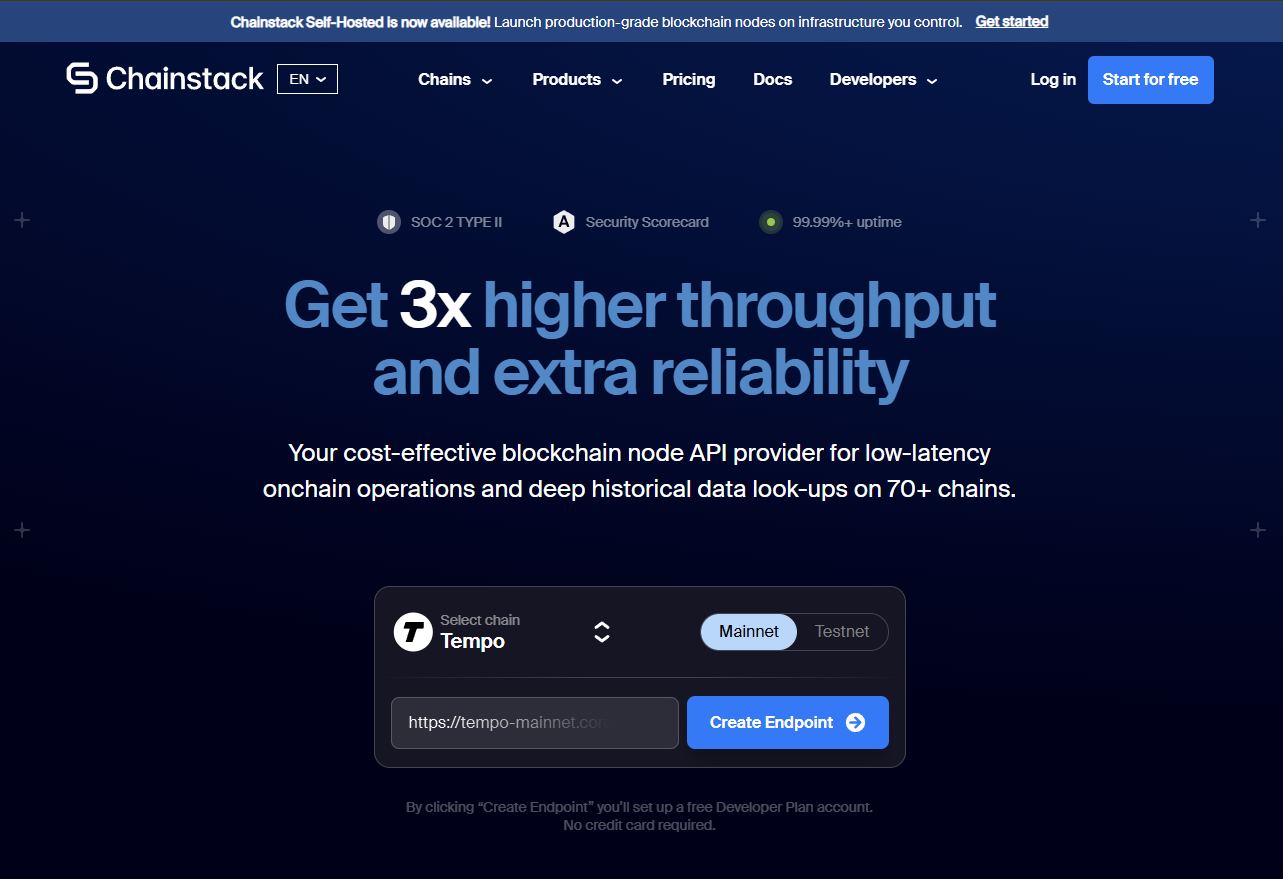
Chainstack provides managed blockchain nodes and RPC services for Solana applications.
It sits one layer below the others in this list. The focus is connectivity and reliability, not packaged DeFi or analytics data.
Developers use it to interact directly with Solana without running their own nodes.
Common use cases include:
- sending and reading transactions
- querying on-chain state
- interacting with smart contracts
- monitoring transaction streams and block activity
- powering backend blockchain services
For high-performance applications, RPC reliability is critical. If node response times are slow or unstable, everything built on top suffers. Wallets, trading systems, and AI agents all depend on stable RPC underneath.
Chainstack is not a data analytics platform. It is a foundational infrastructure provider.
Strengths
- 70+ chains supported beyond Solana
- Dedicated nodes and Yellowstone gRPC streaming for low latency
- Elastic scaling without infrastructure overhead
- MCP server for AI agents and LLMs
- Production-grade uptime and performance
Best For
Backend infrastructure, RPC access, and high-performance Solana applications. Strong fit for DeFi apps, on-chain bots, and AI agents that need reliable RPC underneath.
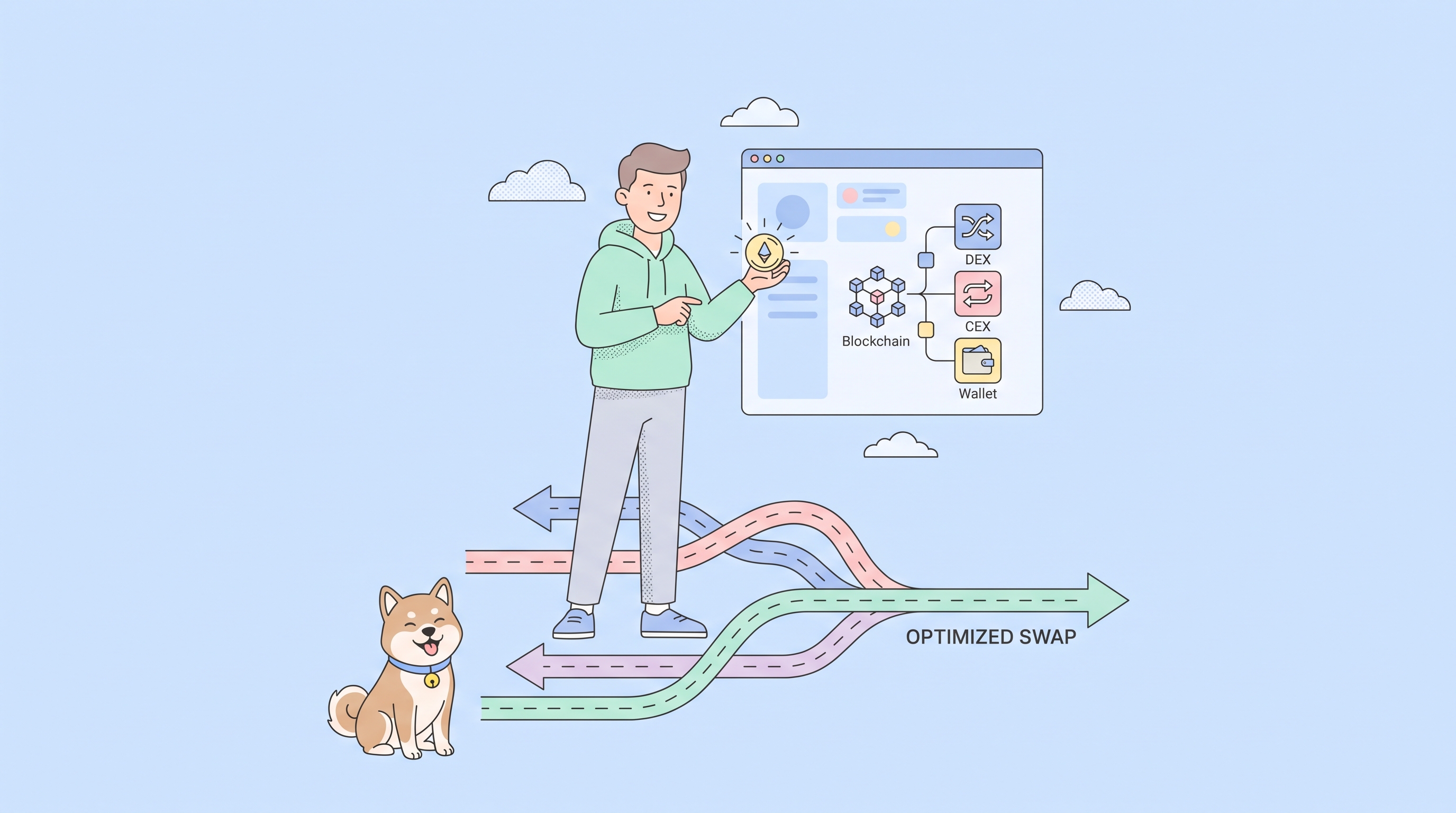
3. Jupiter
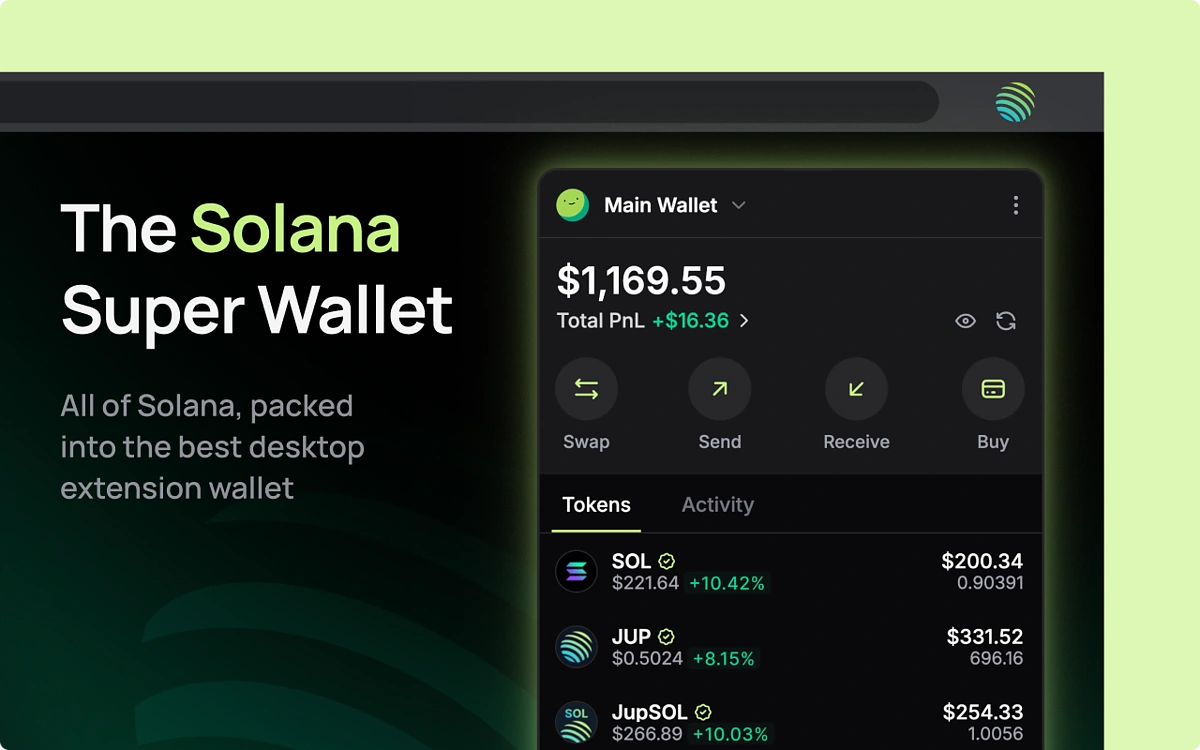
Jupiter is one of the most important liquidity aggregation protocols in the Solana ecosystem.
Instead of acting as a traditional API provider, it focuses on swap routing across decentralized exchanges.
When a user performs a token swap, Jupiter finds the most efficient route across available liquidity sources.
Developers integrate Jupiter when building:
- swap interfaces
- trading bots
- DeFi applications
- automated portfolio rebalancers
Its key value lies in simplifying fragmented liquidity across Solana DEXs.
Rather than integrating each DEX individually, developers can use Jupiter as a unified routing layer.
For AI agents, this becomes especially useful because it enables:
- automated trade execution
- optimized swap decisions
- cross-DEX liquidity access
Jupiter is less about data access and more about execution intelligence.
Strengths
- Best-in-class swap routing
- Aggregates Solana liquidity
- Simplifies DeFi integration
- Strong for automation
Best For
DeFi apps, trading bots, and automated execution systems.
4. Shyft
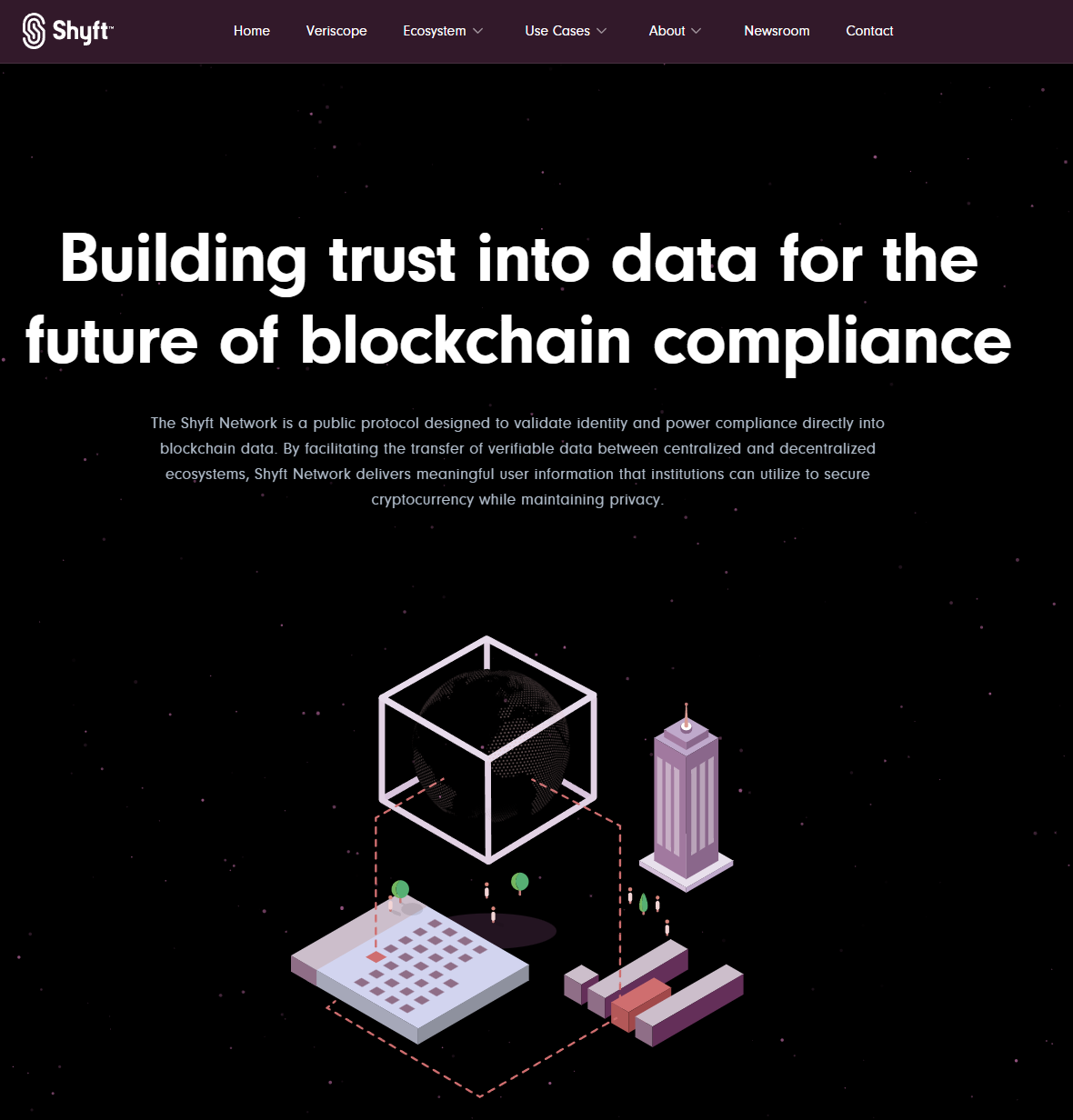
Shyft provides identity, compliance, and structured blockchain data services for Solana applications.
It focuses on making blockchain data more readable and enterprise-friendly.
Instead of raw transaction logs, Shyft provides:
- parsed transaction data
- identity-linked wallet information
- structured event tracking
- compliance-oriented blockchain insights
This makes it useful for applications that need clarity over raw blockchain complexity.
Common use cases include:
- fintech applications
- compliance dashboards
- analytics platforms
- enterprise blockchain tools
For AI systems, structured data is particularly valuable because it reduces ambiguity and improves reasoning quality.
Shyft helps bridge the gap between raw blockchain data and usable application-level intelligence.
Strengths
- Structured and parsed blockchain data
- Identity and compliance features
- Useful for enterprise apps
- AI-friendly data formatting
Best For
Compliance tools, structured analytics, and enterprise Solana applications.
5. Birdeye
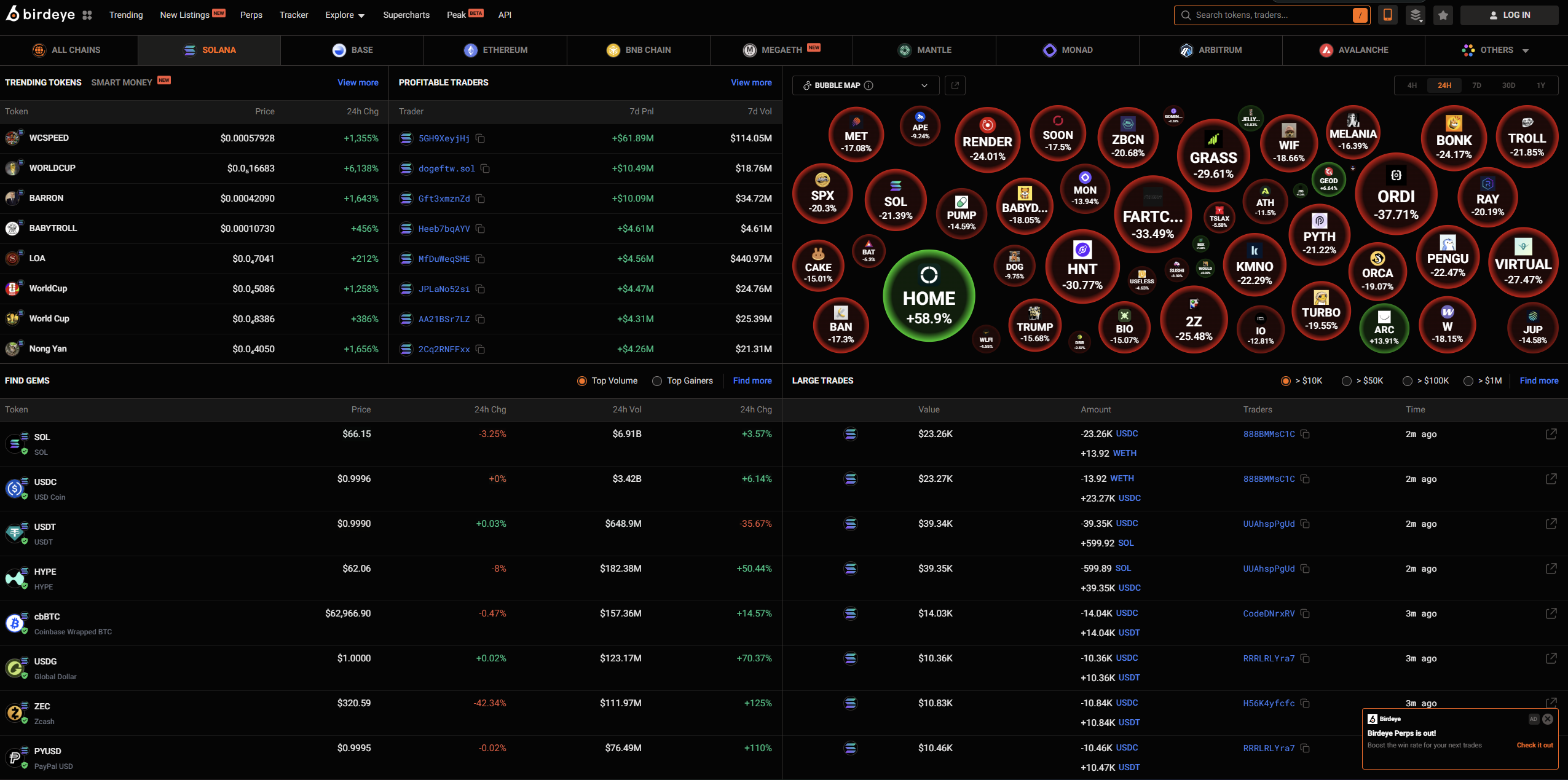
Birdeye is a Solana-focused market data and analytics platform.
It provides detailed insights into token performance, liquidity, and trading activity across Solana ecosystems.
Developers use Birdeye for:
- token price tracking
- liquidity analysis
- DEX trading data
- real-time market feeds
It is especially popular for dashboards and trading tools that need fast and detailed Solana-specific market intelligence.
Unlike general crypto APIs, Birdeye is heavily optimized for Solana-native market behavior.
For AI systems, this data can be used for:
- signal generation
- trading strategy analysis
- market monitoring
Strengths
- Strong Solana market focus
- Real-time DEX data
- Token-level analytics
- Good for trading dashboards
Best For
Market dashboards, trading analytics, and Solana token tracking.
6. Solscan
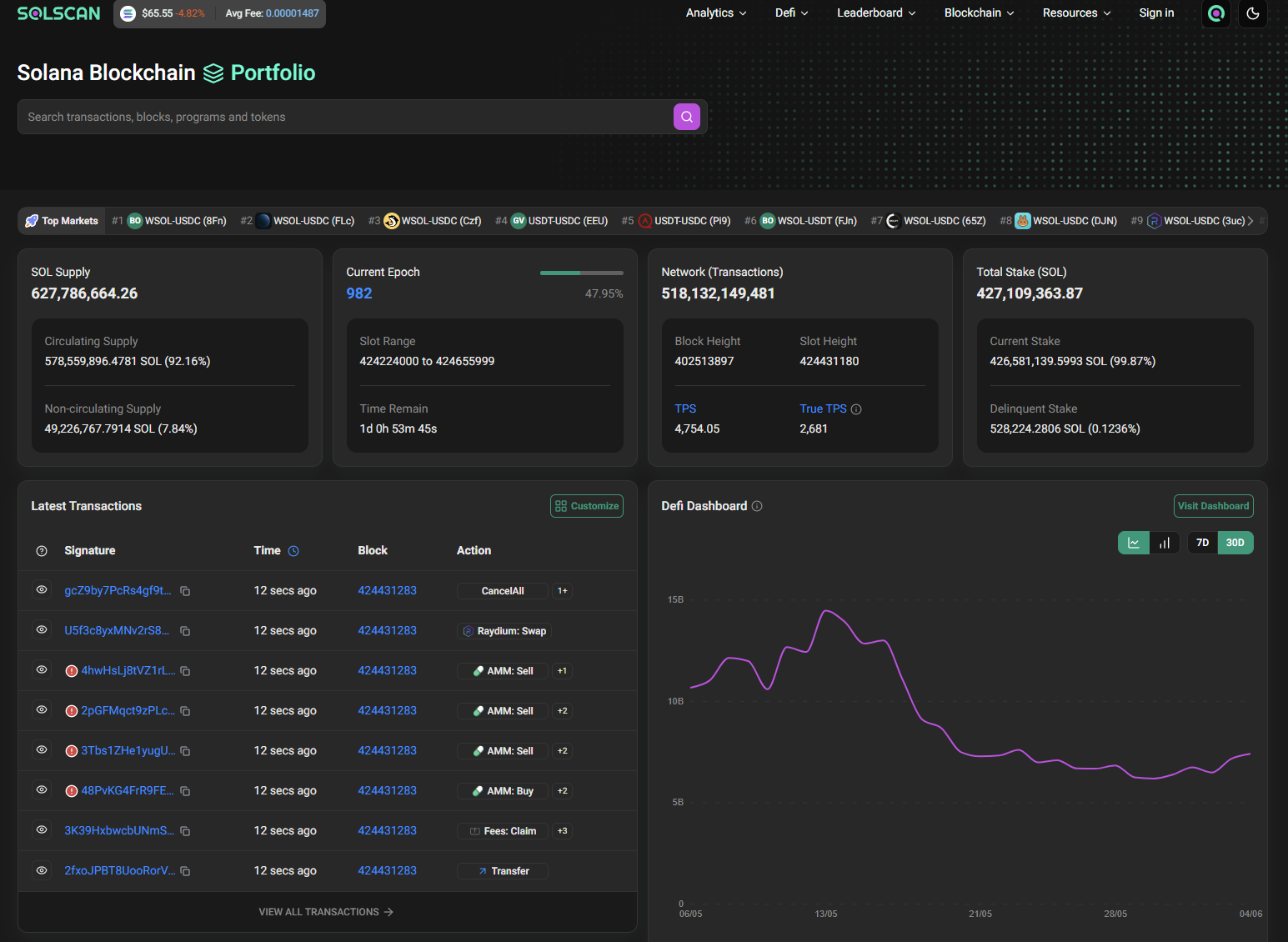
Solscan is one of the most widely used Solana blockchain explorers and data APIs.
It provides direct access to:
- transaction history
- wallet activity
- token metadata
- block-level information
It functions as both a visual explorer and a developer API.
Developers use Solscan when they need:
- raw blockchain transparency
- wallet-level inspection
- transaction verification
- debugging and analysis tools
Unlike higher-level APIs, Solscan is closer to raw chain data.
This makes it useful for systems that need:
- forensic blockchain analysis
- debugging tools
- explorer-based applications
Strengths
- Transparent blockchain data access
- Strong explorer infrastructure
- Useful for debugging and analysis
- Wide adoption
Best For
Blockchain explorers, debugging tools, and raw Solana data access.
Comparison Table
Which Solana API Should You Choose?
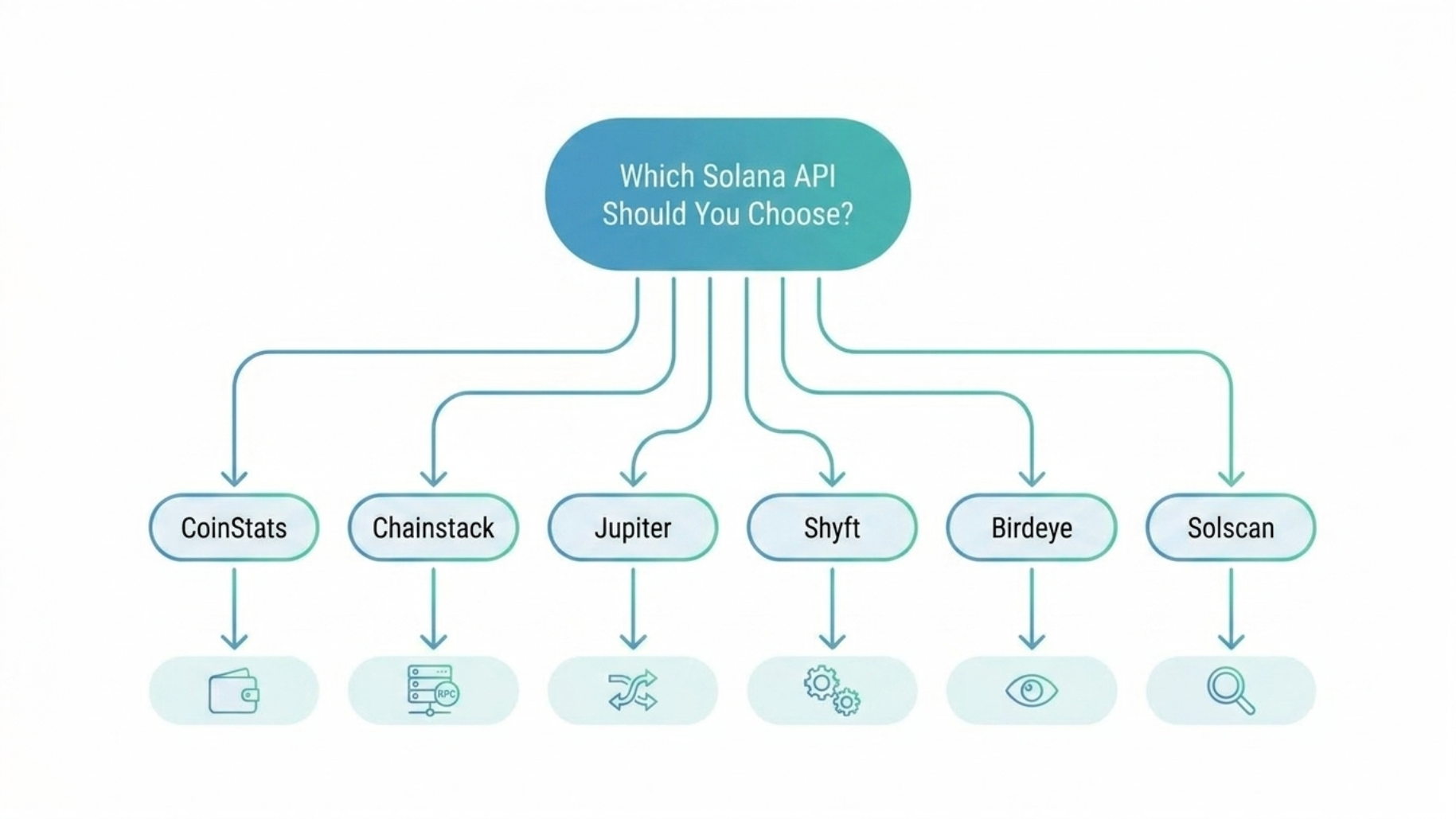
Choose **CoinStats API** if you are building wallet apps, portfolio dashboards or AI portfolio systems that need structured financial context.
Choose Chainstack if you need reliable Solana RPC infrastructure.
Choose Jupiter if your application depends on swaps and DeFi execution.
Choose Shyft if you need structured or compliance-friendly blockchain data.
Choose Birdeye if you want Solana-native market analytics.
Choose Solscan if you need raw blockchain transparency and debugging tools.
Final Thoughts
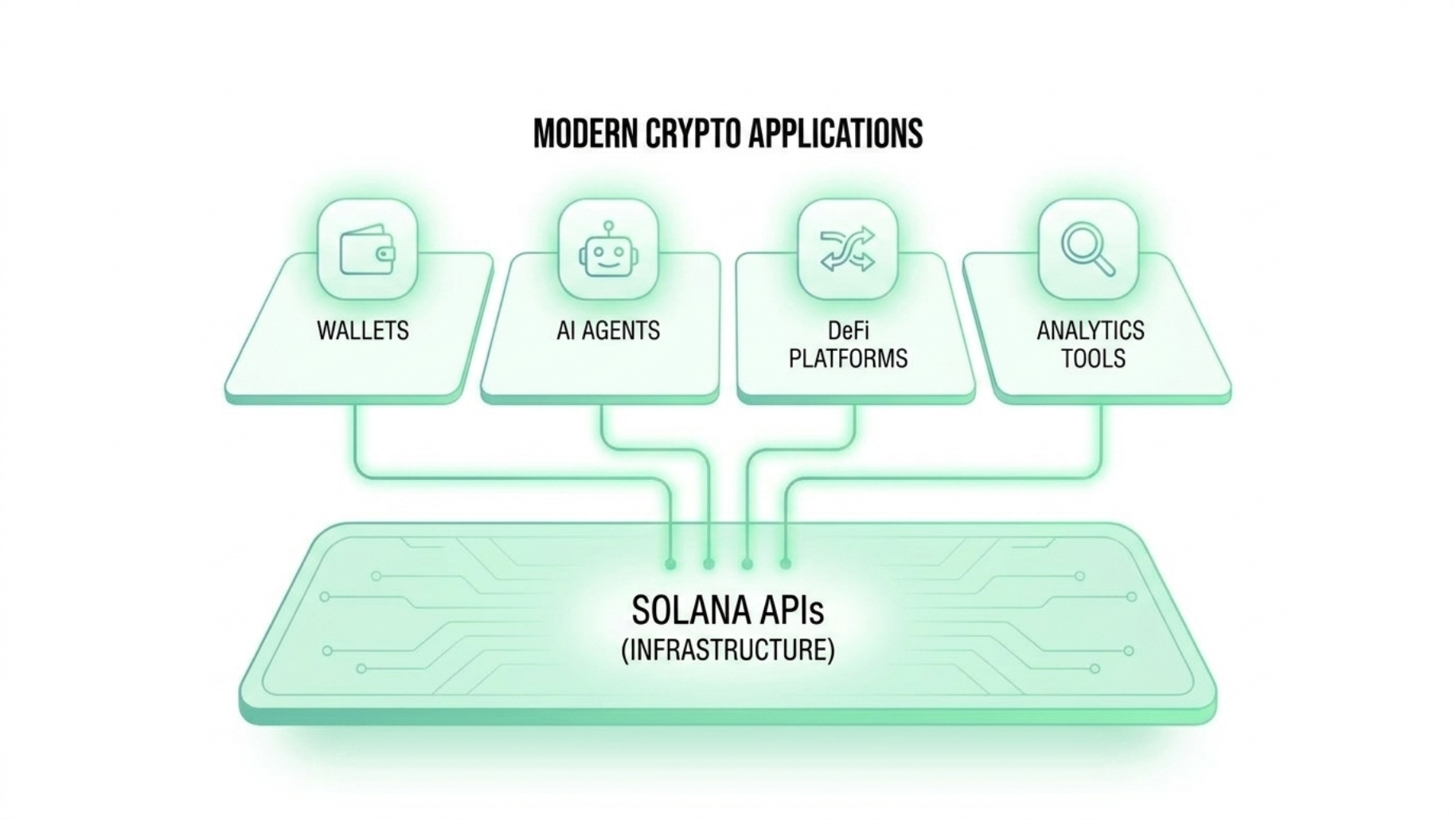
The Solana ecosystem continues to expand rapidly, and so do the requirements of modern crypto applications.
Many projects now need far more than simple blockchain access. They require wallet intelligence, transaction monitoring, portfolio analytics, market data, and DeFi visibility working together within a single product experience.
While Chainstack, Jupiter, Shyft, Birdeye, and Solscan each solve important parts of the Solana infrastructure stack, CoinStats API takes a broader approach by combining wallet tracking, portfolio analytics, market intelligence, and multi-chain visibility into a single platform.
For many developers, that can mean fewer integrations, reduced engineering complexity, and a faster path from prototype to production.
Ultimately, the best Solana API depends on whether your application is centered around infrastructure, trading, analytics, wallet intelligence, or AI-powered crypto experiences.