OpenAI shipped ChatGPT Images 2.5 on September 8, 2026, to a user base it says creates “more than 3 billion images” a week. It replaces Images 2.0 (the April release behind our gpt-image-2 API guide) inside ChatGPT and lands in the API as two models, gpt-image-2.5-flare and gpt-image-2.5-sunburst. The launch post promises “up to 50%” lower latency, better subject preservation, and edits that touch only what you asked for. A system card shipped the same day, and the HN thread supplied most of the early real-world numbers below.
Day-one coverage got one number wrong: several outlets reported that API pricing doubled. It didn’t. Per-token rates match gpt-image-2 exactly; what changed is the quality ladder, which decides what each image costs. If you’re here to write code, the gpt-image-2.5 API guide has curl, Python, and Node examples. If you’re picking a model, the Flare vs Sunburst vs gpt-image-2 comparison is the decision page.
ChatGPT Images 2.5 at a glance
| Item | Detail (OpenAI docs and launch post) |
|---|---|
| Launch date | September 8, 2026 |
| ChatGPT availability | All ChatGPT, ChatGPT Work, and Codex users, across all tiers, on desktop, mobile, and web |
| API model IDs | gpt-image-2.5-flare, gpt-image-2.5-sunburst (snapshots dated 2026-09-08) |
| Headline claim | Up to 50% lower image-generation latency than Images 2.0 |
| New ChatGPT features | Sketch, Templates, Comments on images, Share the prompt |
| Quality levels | low, medium, high, xhigh, max, auto (xhigh and max are new) |
| Per-token pricing | Unchanged from gpt-image-2: $8/1M image input, $30/1M image output, $5/1M text input |
| Cheapest 1024x1024 image | low, 196 tokens, about $0.006 (OpenAI calculator) |
| Most expensive 1024x1024 image | max, 7,024 tokens, about $0.211 (OpenAI calculator) |
Who gets it
Everyone on ChatGPT, including the free tier: OpenAI’s wording is “across all tiers.” Per-plan generation caps still apply, and OpenAI doesn’t publish them as fixed numbers; the in-app banner shows your current cap, which flexes with demand. Community reports (not OpenAI figures) put Free at 2-3 images per 24 hours or 3-10 per rolling 3-hour window, Plus at roughly 40-50 per 3-hour window, Go at “10x” the free tier, and Pro at effectively unlimited with abuse guardrails . The caps we tracked for Images 2.0 on the free tier moved month to month, and our free-tier walkthrough for 2.5 covers how to stretch a small one.
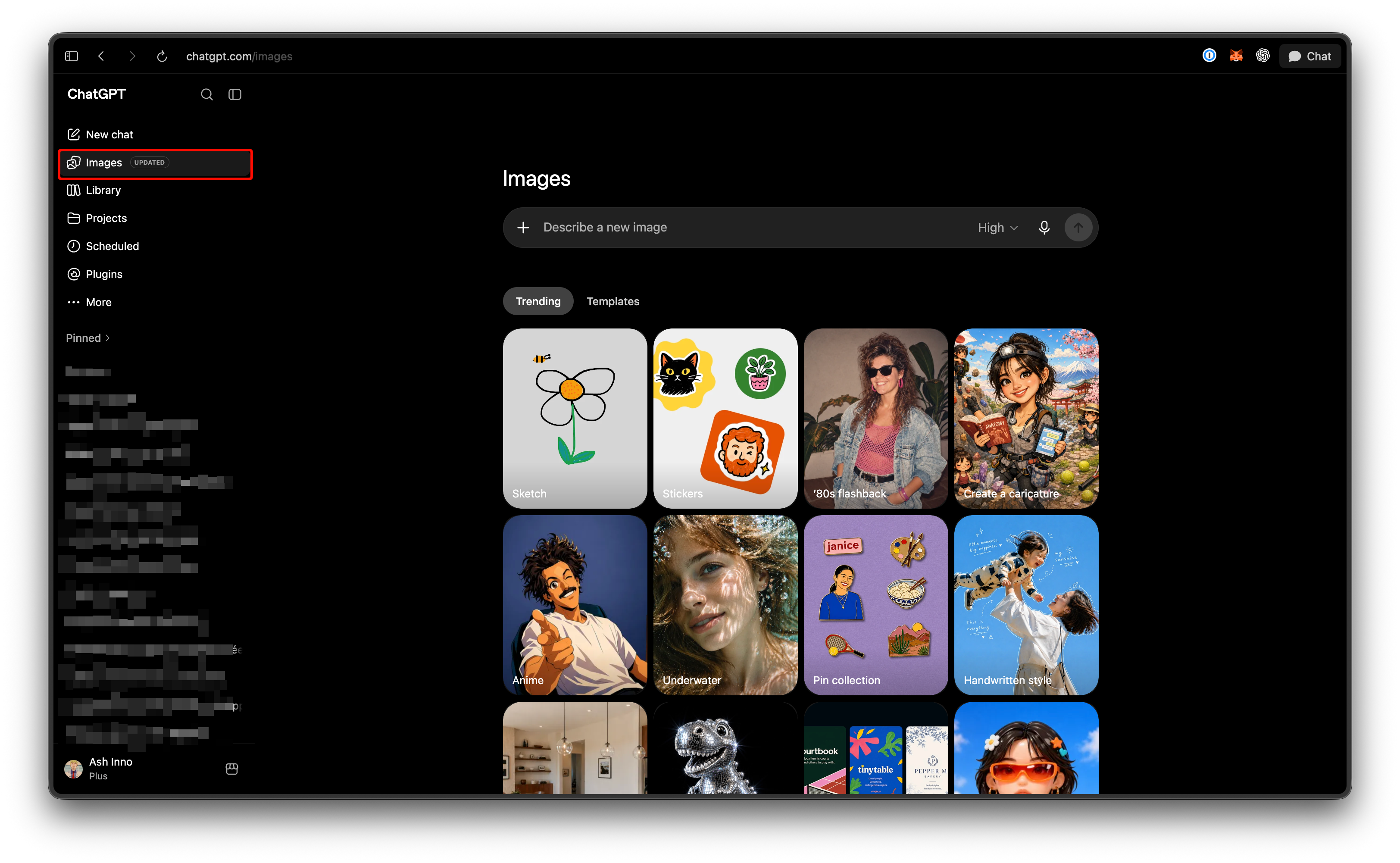
The four new ChatGPT features
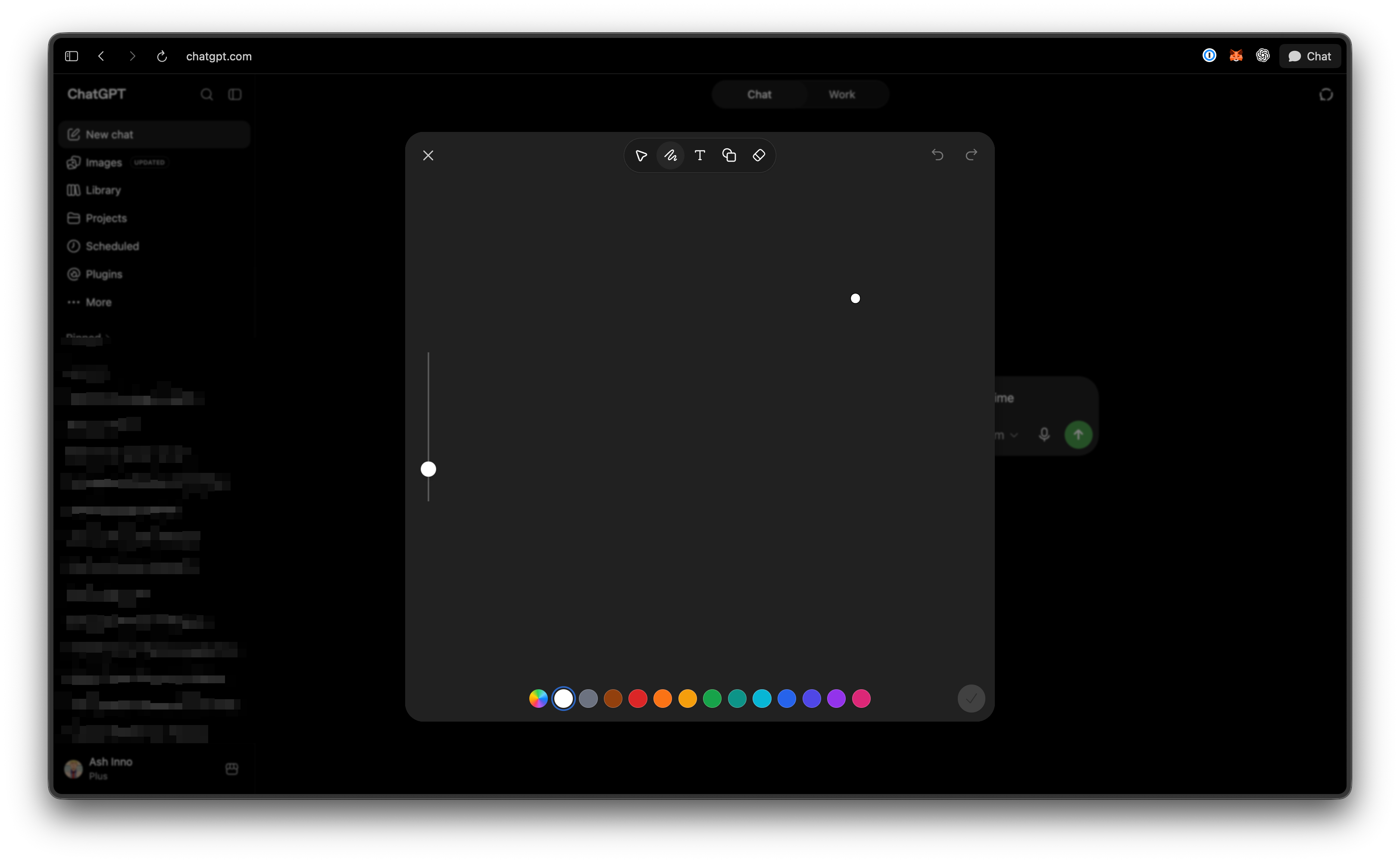
Sketch. Draw directly in ChatGPT and use the drawing as a visual guide. Type @Sketch in the composer, or open chatgpt.com/sketch.
Templates. Presets for “some of the most popular creative formats,” such as “Poster” and “Merch,” flyers, and product photos. One outlet reports templates aren’t available in Work mode.
Comments on images. Click a spot on a generated image, leave a comment, and the next edit targets that area.
Share the prompt. When you share an image, the prompt travels with it, so someone else can remix it with their own photos.
None of the four ship in the API; there you get the two models and the new quality levels on the same endpoints as before.
Flare vs Sunburst: the two API models
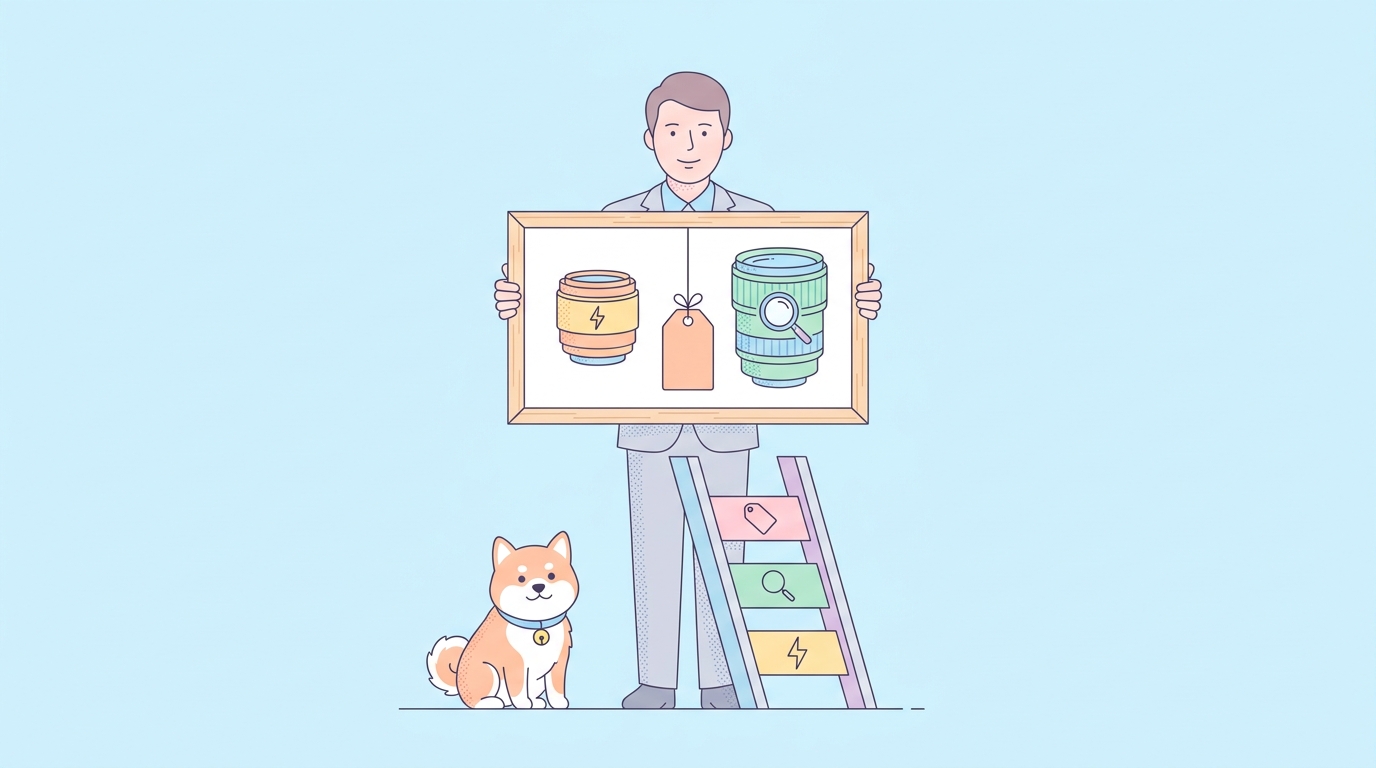
OpenAI split the release into two models with one price and two speed profiles.
gpt-image-2.5-flare |
gpt-image-2.5-sunburst |
|
|---|---|---|
| Positioning (OpenAI) | “The default choice for most applications,” higher quality than GPT-Image-2 “at 50% lower latency” | “An extra level of precision for detailed creative work with longer generation times” |
| Suited to (OpenAI) | Creator and social content, product experiences, visual search, prototyping, high-volume generation | “Production-ready campaign creative or polished product imagery” |
| Per-token price and token counts | Same as gpt-image-2; shared calculator entry | Same as gpt-image-2; shared calculator entry |
Flare is the migration target for anything you run today on gpt-image-2. Sunburst is for the edits endpoint, where reference images and masks must be respected. Both use the same token budget per image at a given quality and size, so latency, not cost, is the Sunburst premium.
Both models sit behind the same surfaces: POST /v1/images/generations (JSON in, base64 out), POST /v1/images/edits (multipart, reference images plus an optional mask), and the Responses API image_generation tool, where you set model to either 2.5 id and the mainline model’s tokens bill on top. The image generation guide covers output formats, custom sizes up to 4K, and partial_images (0-3) streaming at 100 extra output tokens per partial.
Pricing: same per-token rates, a relabeled quality ladder
Per the pricing page, Flare, Sunburst, and gpt-image-2 (Standard) all bill identically: $8.00 per 1M image input tokens, $30.00 per 1M image output tokens, $5.00 per 1M text input tokens. The 2.5 model pages say it directly: “Token rates match GPT Image 2.”
The “2x API pricing” reports put the Standard 2.5 row next to the Batch gpt-image-2 row, which is 50% off. Standard to Standard, nothing moved.
What did move is the meaning of each quality label. OpenAI’s own caveat: “Equal token rates don’t mean equal cost per image: token consumption can differ by model and quality setting.” The OpenAI calculator’s per-image counts for the 2.5 models (image output tokens only, $30/1M, read September 9):
| Quality | 1024x1024 tokens | 1024x1024 cost | 1536x1024 tokens | 1536x1024 cost |
|---|---|---|---|---|
low |
196 | $0.00588 | 158 | $0.00474 |
medium |
439 | $0.01317 | 343 | $0.01029 |
high |
1,756 | $0.05268 | 1,372 | $0.04116 |
xhigh |
3,122 | $0.09366 | 2,459 | $0.07377 |
max |
7,024 | $0.21072 | 5,488 | $0.16464 |
On the same page, gpt-image-2 at 1024x1024 costs about $0.006 at low, $0.053 at medium, and $0.211 at high. So 2.5 high (1,756 tokens) is the old gpt-image-2 medium budget, 2.5 max (7,024 tokens) is the old high budget, and low is unchanged at 196 tokens.
Two consequences for anyone migrating, derived from the table:
- Keep
quality: "high", swap the model id, and each image gets about 4x cheaper, at the old medium token budget. 10,000 images a month at 1024x1024 cost $526.80 on 2.5 versus $2,110 on gpt-image-2high. - Want the old
highoutput budget? Move tomax. The same 10,000 images cost $2,107.20, effectively the old bill.
Reference images on the edits endpoint bill as image input at $8/1M with no published per-image count, so usage.input_tokens is the only way to know; likewise, the table is the calculator’s estimate and usage.output_tokens is what you’re charged. The pricing comparison runs this math across all five qualities and both sizes and adds a migration checklist.
What OpenAI claims vs what the community measured
OpenAI’s number is “up to 50%” lower latency. HN user jjcm, whose AI UI design tool has generated about 50,000 images on gpt-image-2, reports average latency “held at around 104s” there and “around 35-40s” on 2.5. One workload, but a bigger drop than the headline.
Quality is where opinions split. The recurring HN take was “much faster than gpt-image-2 but the quality isn’t much different,” and several users said OpenAI edits still lose fine detail next to Nano Banana 2 or Flux. Opinions, not measurements.
The crowd-voted Arena text-to-image leaderboard (updated September 7, 2026) has Sunburst at 1421, Flare at 1399, and gpt-image-2 (medium) at 1381, ahead of Microsoft’s mai-image-2.6 at 1331 and Nano Banana 2 at 1261. On the image-edit board the same order holds with a wider Sunburst lead: 1520, 1491, 1461. Preference scores, not OpenAI benchmarks, and they move.
Safety numbers from the system card
The system card publishes three rates per model.
| Model | Safe generation | Unsafe blocked | Unsafe presented |
|---|---|---|---|
| Sunburst | 77.0% | 21.9% | 1.09% |
| Flare | 79.4% | 19.2% | 1.41% |
| Images 2.0 baseline | 75.2% | 23.1% | 1.64% |
Both 2.5 models present less unsafe content than the baseline while blocking fewer prompts. Provenance is unchanged: every image carries C2PA metadata plus an invisible watermark, which the system card names as Google DeepMind’s SynthID.
What’s still missing from the docs
As of September 9, four items you’d expect aren’t there.
- Per-tier rate limits. The 2.5 model pages point to the org limits page instead of listing tiers. gpt-image-2 runs from 5 images per minute at Tier 1 to 250 at Tier 5, and image endpoints require a paid tier.
- Batch. The pricing page’s Batch tab lists only
gpt-image-2; whether/v1/batchaccepts a 2.5 id is unconfirmed. If you depend on the Batch API discount, gpt-image-2 is still the documented path. - The
thinkingparameter. Our gpt-image-2 guide documents it, but neither the current gpt-image-2 docs nor the 2.5 docs mention it. Don’t assume it’s accepted or honored. - A gpt-image-2 deprecation date. None posted; the
gpt-image-2-2026-04-21snapshot is still live.
Test Flare and Sunburst side by side in Apidog
The fastest way to learn what 2.5 does to your bill is to send the same request to both models and read usage. Apidog is an API client and testing platform: it doesn’t generate the images, it builds and sends the calls and asserts on what comes back.
- Create a request for
POST https://api.openai.com/v1/images/generationswith your prompt,quality, andsizein the JSON body, and store the API key as an environment variable. - Create
flareandsunburstenvironments, each defining the{{model}}variable the body references, so switching environments switches models. - Add a multipart request for
/v1/images/editswith a reference image and an optional mask, the call where Sunburst is meant to earn its longer wait. - Assert
usage.output_tokensis under your per-image budget anddata[0].b64_jsonis present, decode the base64 in a post-processor script, then schedule the request as a regression test so a silent quality-ladder change fails an assertion, not your invoice.
Download Apidog to follow along with the API guide.
FAQ
Is ChatGPT Images 2.5 free? Yes. OpenAI says it’s available “across all tiers,” including Free; per-plan caps still apply, and the in-app banner is the only official number. The free-tier guide covers each plan and the developer path.
Did OpenAI raise API prices for gpt-image-2.5? No. Per-token rates match gpt-image-2 at $8/1M image input and $30/1M image output; reports of a 2x increase compared 2.5 against gpt-image-2’s half-price Batch rate. Per-image cost did change, because the quality labels map to different token counts.
What’s the difference between Flare and Sunburst? Same price, same token counts, different speed and precision. Flare is OpenAI’s “default choice for most applications” at 50% lower latency than gpt-image-2; Sunburst trades longer generation time for tighter control across edits.
Do I need to change my code to migrate from gpt-image-2? Swap the model id, then check your quality setting. high on 2.5 renders at the old medium token budget; use max for the old high budget. Don’t rely on the thinking parameter, since the 2.5 docs don’t document it .
Where to go next
Images 2.5 is a speed and editing release whose pricing table looks unchanged and isn’t. Pick Flare unless your workload is edit-heavy, and re-measure usage.output_tokens after you migrate instead of trusting the old quality label. The API guide gets you to a working call; build both requests in Apidog and let the response tell you what each image costs.