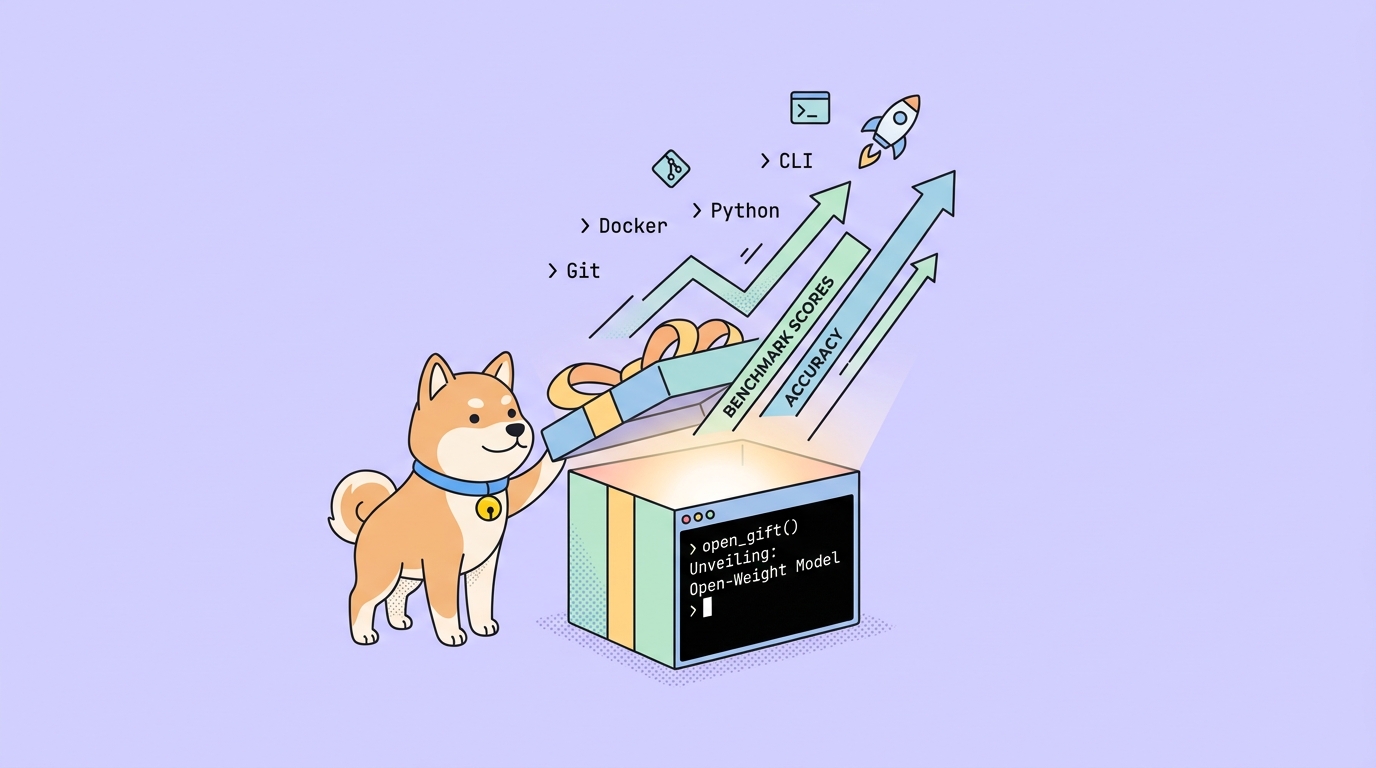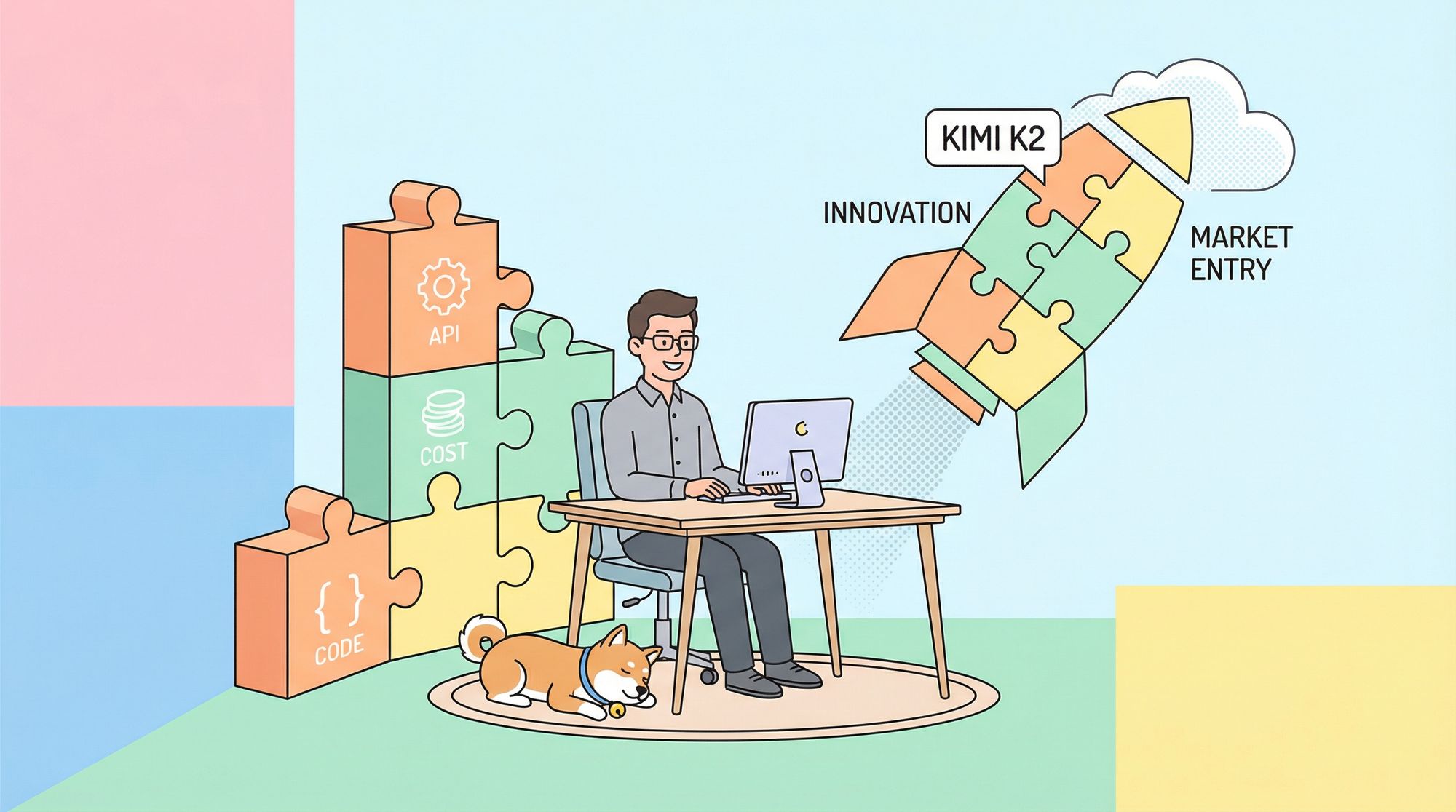
Kimi K2 is Moonshot AI's latest Mixture-of-Experts model with 32 billion activated parameters and 1 trillion total parameters. It achieves state-of-the-art performance in frontier knowledge, math, and coding among non-thinking models. This massive model from Moonshot AI has captured attention not just for its technical capabilities, but for its aggressive pricing strategy that challenges established players.
Understanding Kimi K2's pricing structure becomes crucial for developers planning their AI integration budgets.
Understanding Kimi K2 API Architecture and Capabilities
Technical Foundation of Kimi K2
Large-Scale Training: Moonshot AI pre-trained a 1T parameter MoE model on 15.5T tokens with zero training instability. MuonClip Optimizer: They apply the Muon optimizer to an unprecedented scale, and develop novel optimization techniques to resolve instabilities while scaling up. The technical infrastructure behind Kimi K2 represents a significant breakthrough in large-scale model training.

The model employs a Mixture-of-Experts (MoE) architecture that activates only 32 billion parameters per forward pass from its trillion-parameter base. This approach delivers computational efficiency while maintaining performance levels comparable to larger traditional models. Additionally, the MuonClip optimizer ensures stable training at unprecedented scales, addressing common instability issues that plague ultra-large language models.

Context Window and Performance Characteristics
It supports long-context inference up to 128K tokens and is designed with a novel training stack that includes the MuonClip optimizer for stable large-scale MoE training. The extended context window provides significant advantages for applications requiring comprehensive document analysis, code review, and complex reasoning tasks.
The model excels particularly in coding benchmarks, reasoning tasks, and tool-use scenarios. Tool-use Simulation: It learns by simulating thousands of tool-use tasks across hundreds of domains. These include real tools (APIs, shells, databases) and synthetic ones. This specialized training makes Kimi K2 particularly valuable for developers building agentic applications.

Kimi K2 API Pricing Structure Analysis
Current Pricing Model
At $0.15 per million input tokens for cache hits and $2.50 per million output tokens, Moonshot is pricing aggressively below OpenAI and Anthropic while offering comparable — and in some cases superior — performance. This pricing strategy represents a significant disruption in the AI API market.
The cost structure breaks down as follows:
- Input tokens (cache hits): $0.15 per million tokens
- Output tokens: $2.50 per million tokens
- Context window: Up to 128K tokens
- Free tier availability through OpenRouter

Cost Comparison with Competitors
The pricing advantage becomes more apparent when comparing Kimi K2 with established providers. OpenAI's GPT-4 and Anthropic's Claude models typically cost significantly more per token, making Kimi K2 an attractive option for cost-conscious developers. Moreover, the availability of free access through OpenRouter provides additional value for testing and small-scale applications.
The aggressive pricing strategy suggests Moonshot AI's commitment to rapid market penetration and developer adoption. This approach benefits early adopters who can leverage high-performance AI capabilities at reduced costs while building scalable applications.
Technical Integration Best Practices
API Security and Authentication
Implementing secure API practices becomes crucial when integrating Kimi K2 into production systems. Developers should utilize environment variables for API keys, implement rate limiting to prevent abuse, and monitor usage patterns for anomalies.
OpenRouter provides authentication mechanisms that align with industry standards. Additionally, implementing proper error handling ensures graceful degradation when API limits are reached or service interruptions occur.
Performance Optimization Techniques
Maximizing Kimi K2's performance requires understanding its operational characteristics. The MoE architecture benefits from consistent request patterns that allow for efficient parameter activation.
Developers should implement request queuing to optimize throughput, utilize streaming responses for real-time applications, and cache frequently requested information to reduce token consumption. These techniques improve user experience while controlling costs.
Monitoring and Analytics
Effective monitoring ensures optimal API usage and cost control. Tracking token consumption patterns helps identify optimization opportunities and predict monthly costs. Additionally, performance metrics enable continuous improvement of integration strategies.
Apidog's analytics capabilities provide detailed insights into API usage patterns, response times, and error rates. This information proves invaluable for optimizing integration performance and troubleshooting issues.
Once you've settled on the right pricing tier for your usage volume, the practical next step iswiring Kimi K2 into Cursor so you can reach it directly from your editor without switching context.
For developers also evaluating OpenAI's latest releases,GPT-4.5's API pricing presents a very different cost structurethan Kimi K2's token-per-dollar positioning.
Conclusion
Kimi K2 API pricing represents a significant value proposition for developers seeking high-performance AI capabilities at competitive costs. The model's technical capabilities, combined with aggressive pricing and free access options, create compelling opportunities for innovation.
The integration of robust API testing tools like Apidog enhances development workflows and ensures reliable implementation. Moreover, the model's agentic capabilities and extended context window open new possibilities for sophisticated application development.
Successfully leveraging Kimi K2 requires understanding its capabilities, implementing best practices for integration, and maintaining awareness of market developments. Developers who master these aspects will be well-positioned to create innovative applications that deliver value while controlling costs.