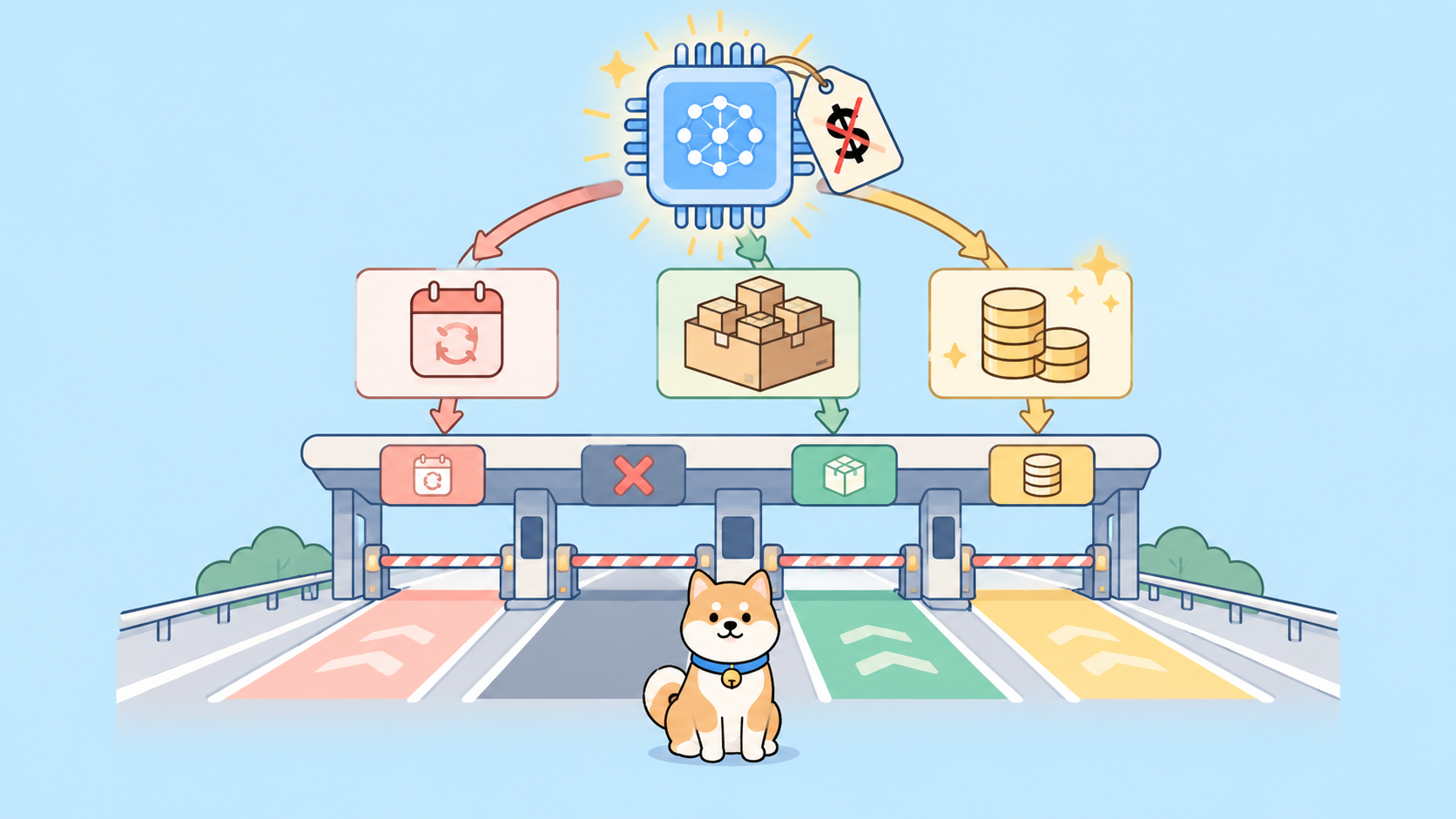
Let’s be straight about this up front: there’s no permanent free API tier for Claude Opus 4.8. It’s Anthropic’s flagship model, priced at $5 per million input tokens and $25 per million output tokens. But “no free API tier” isn’t the same as “no way to use it for free.” You can run Opus 4.8 at zero cost through the consumer apps, burn trial credits before you pay a cent, and cut your bill hard once you do start paying.
This guide covers every legitimate path, in order of how much you get. For the model itself, see what is Claude Opus 4.8. For the full rate card, see the pricing breakdown.
Can you really use Opus 4.8 for free?
Yes, with limits. Here’s the honest summary:
- Free, with caps: the claude.ai free plan gives you some Opus 4.8 access per day
- Free, time-limited: API trial credits and cloud free tiers
- Cheap, not free: low effort levels, prompt caching, and batch mode cut paid usage by a lot
What you won’t find is an unlimited free API key. Anyone advertising one is reselling stolen credits or scraping, and your data goes with it. Stick to the paths below.
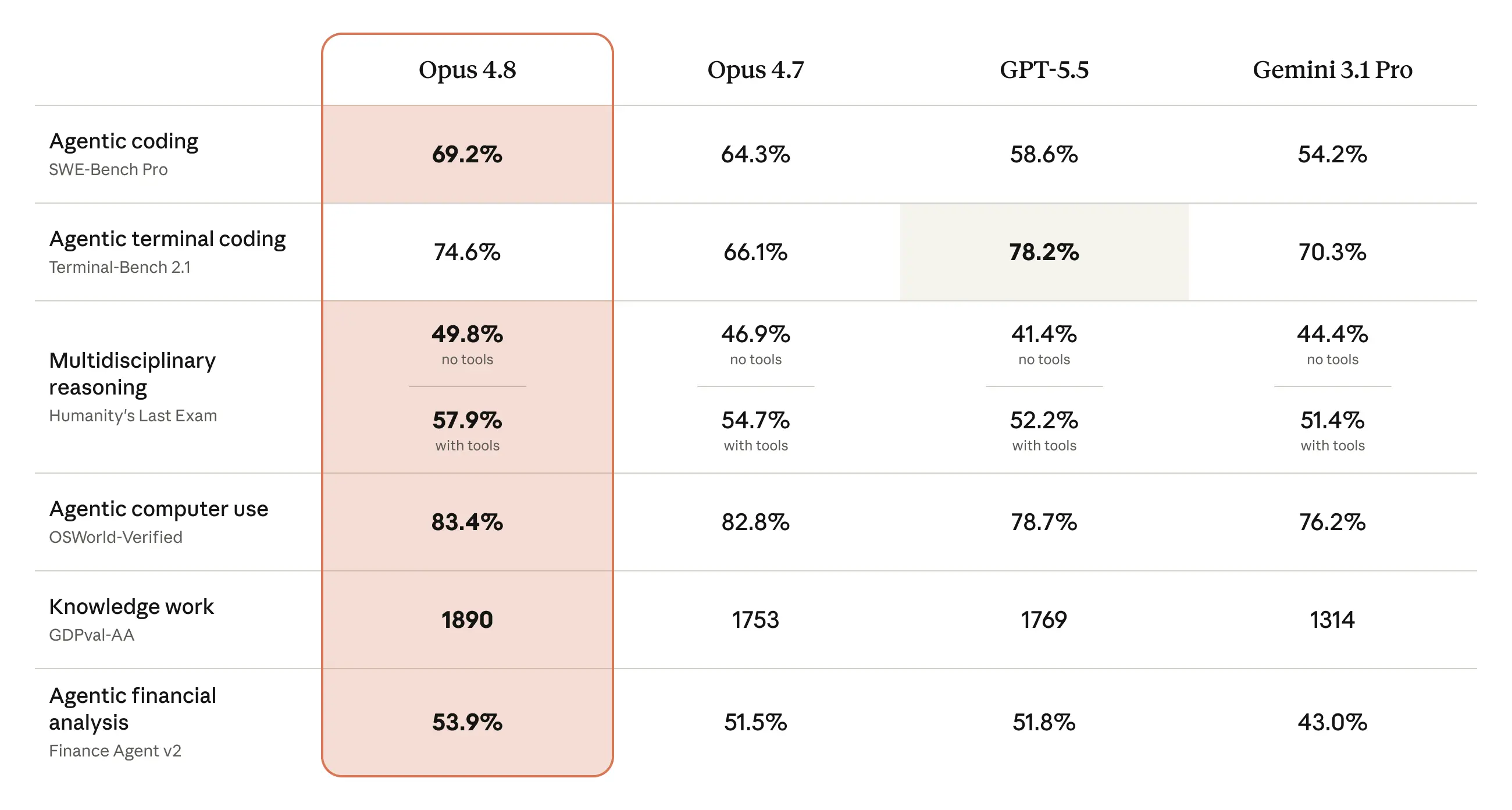
Option 1: The Claude app free plan
The simplest way to use Opus 4.8 for free is the chat interface at claude.ai. Sign up with an email, and the free plan routes your harder messages to the top model within a daily cap. When you hit the cap, Claude falls back to a smaller model or asks you to wait.
This path is best for:
- Trying the model’s reasoning before you commit to building
- One-off coding help, writing, and analysis
- Comparing answers against Gemini 3.5 for free or Qwen 3.7 for free
It’s not a fit for automation. There’s no API key here, so you can’t wire it into your app. For that you need the next option.
Option 2: API trial credits
When you create an account at console.anthropic.com, Anthropic grants trial credits you can spend against any model, including claude-opus-4-8. That’s enough to build and test a real integration before you add a payment method.
The credits stretch further than you’d expect if you’re careful:
- A typical agentic coding request runs a few cents at standard pricing
- Short prompts at
loweffort cost a fraction of that - You only pay for tokens you actually use, with no minimum
To make working calls with your trial credits, follow the Opus 4.8 API guide. Once the trial runs out, you add billing and keep the same key.
Option 3: Cloud free tiers
Opus 4.8 is available on AWS, Vertex AI, and Microsoft Foundry. New cloud accounts often come with promotional credits that cover model usage:
- AWS offers sign-up credits that work against Amazon Bedrock, where the model ID is
anthropic.claude-opus-4-8 - Google Cloud grants new-account credits usable on Vertex AI
- Microsoft Azure does the same for Foundry, though the context window there is capped at 200K tokens
If your team already runs on one of these clouds, check whether you have unused credits before paying Anthropic directly. The billing flows through your existing account.
Option 4: Third-party platforms
Some aggregators and dev tools expose Claude models through their own plans, sometimes with a free allowance or trial. These change often, so check the current terms rather than trusting a screenshot:
- Multi-model chat tools that bundle Claude into a subscription with a daily message allowance
- API routers that hand out a small starting credit balance
- IDE assistants that include Claude access in a free trial
Treat these as “try before you buy,” not a long-term free ride. Read what each one does with your prompts before you send anything sensitive. For a similar look at free access on a competing model, our GPT-5.5 free coverage walks through the trade-offs.
The cheapest paid path
Once you’re past free credits, the goal shifts from “free” to “as cheap as possible.” Opus 4.8 gives you three levers.
Drop the effort level. The effort parameter controls token spend across the whole response. Running low or medium instead of the high default can cut output tokens sharply on simple work, and output tokens are the expensive half at $25 per million. Anthropic’s effort docs cover when each level holds quality.
message = client.messages.create(
    model="claude-opus-4-8",
    max_tokens=2048,
    messages=[{"role": "user", "content": "Classify this ticket: billing, bug, or feature request."}],
    output_config={"effort": "low"},
)
Cache your prompts. If you send the same system prompt or document on every call, prompt caching charges the repeated part at a steep discount. Long-context agents save the most here.
Batch what isn’t urgent. The Batch API runs jobs at a discount when you don’t need a real-time answer. It also unlocks larger output limits. The math is in the pricing breakdown.
Stack all three and a workload that looked expensive at high effort gets a lot more affordable.
Test without burning a cent
Whether you’re on trial credits or paying, you don’t want to spend tokens debugging your own plumbing. Mock the API instead.
Apidog lets you stand up a mock of the Messages endpoint that returns a realistic Opus 4.8 response shape. You build and test your streaming parser, your tool-call handler, and your error retries against the mock, then flip to the real claude-opus-4-8 endpoint only when the integration works.
- Save the real request once, then generate a mock from its response
- Run your full test suite against the mock at zero token cost
- Switch to the live endpoint for a final check
- Add assertions so schema changes fail loudly
Download Apidog, point a request at https://api.anthropic.com/v1/messages, and mock it in a couple of minutes. Your trial credits last far longer when you stop spending them on bugs.
FAQ
Is there a free Claude Opus 4.8 API key? No permanent free key. New API accounts get trial credits, and cloud platforms often include sign-up credits, but there’s no unlimited free tier.
How do I use Opus 4.8 for free right now? Sign in at claude.ai and use the free plan, which routes harder messages to Opus 4.8 within a daily cap. For building, use API trial credits from the console.
Why avoid sites offering free unlimited Opus 4.8 keys? They’re typically reselling stolen or scraped credits. Your prompts and data are exposed, and the keys get revoked. Use the official paths instead.
What’s the cheapest way to run Opus 4.8 in production? Lower the effort level where quality holds, cache repeated prompt content, and batch non-urgent jobs. Output tokens at $25 per million are the cost driver, so trimming them matters most.
Can I use Opus 4.8 free through AWS or Google Cloud? If your new cloud account has promotional credits, they cover model usage on Bedrock or Vertex AI. Check your existing balance before paying Anthropic directly.
Does the free claude.ai plan give me an API key? No. The free plan is the chat interface only. For programmatic access you need an API key from the console, which runs on trial credits then paid billing.