Claude Sonnet 4.6 delivers frontier‑level power for coding, agents, and long‑context reasoning, and Kilo flips the script by making it free inside Cloud Agents until February 28, 2026. Engineers get effectively unlimited tokens for real repositories and long‑running workloads, all without touching local GPUs or budgets.
What Exactly Is Claude Sonnet 4.6 and Why It Matters for Technical Teams
Anthropic released Claude Sonnet 4.6 on February 17, 2026, as the most capable model in the Sonnet family. Engineers immediately noticed it approaches Opus 4.6 performance across coding and agent benchmarks while operating at Sonnet pricing—$3 per million input tokens and $15 per million output tokens. The model ships with a 1-million-token context window in beta, which lets agents ingest entire codebases, documentation sets, or multi-file repositories in one pass.
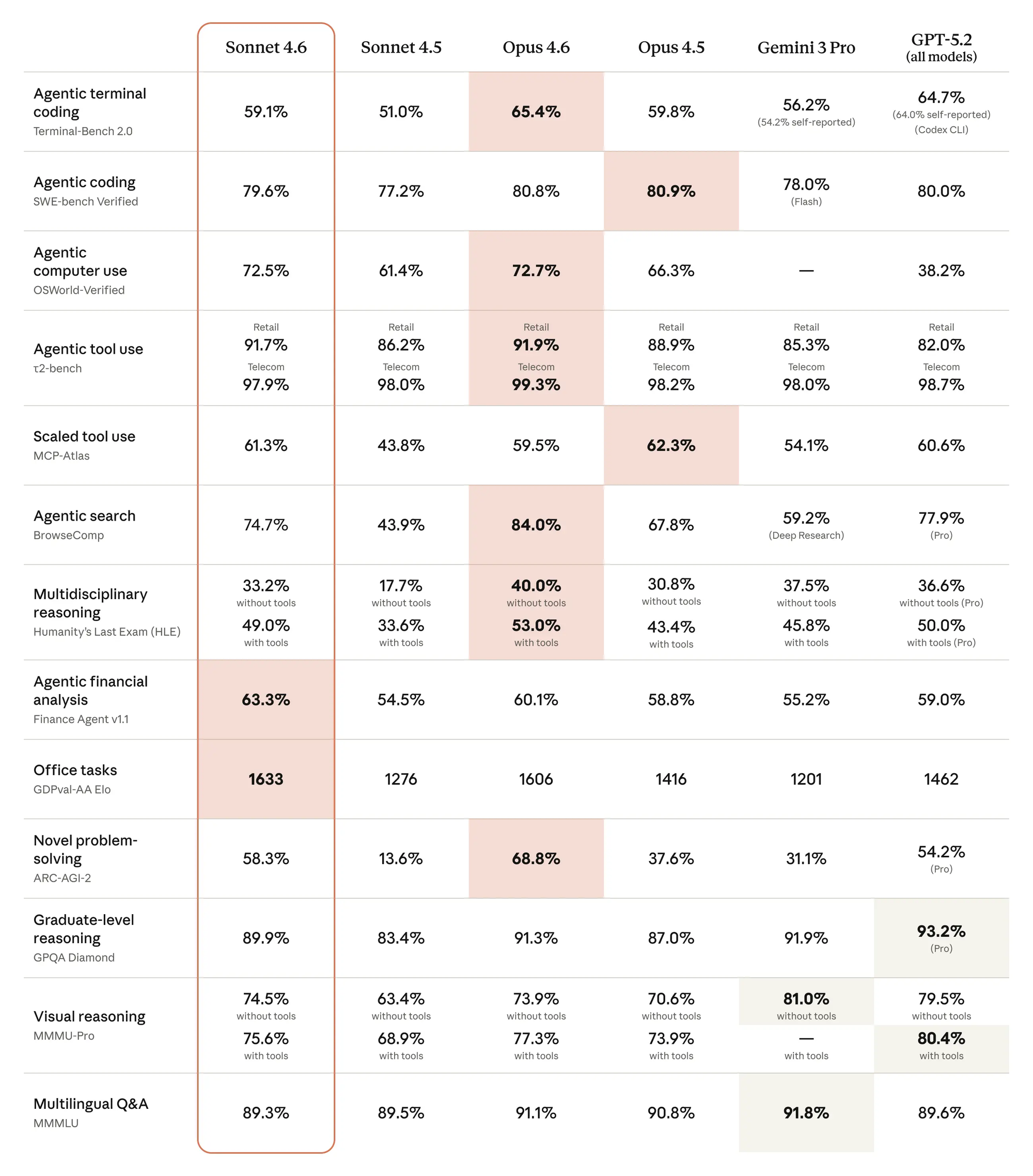
Performance numbers speak for themselves. On SWE-bench Verified, Claude Sonnet 4.6 scores 79.6 percent—placing it near the top of agentic coding leaderboards. Terminal-Bench 2.0 results reach 59.1 percent, OSWorld computer-use benchmarks hit 72.5 percent, and τ-bench Retail tool-use scores 91.7 percent. Developers therefore experience fewer hallucinated function calls, more reliable instruction following, and reduced over-engineering tendencies compared with Sonnet 4.5.
The architecture improvements manifest in practical ways. Claude Sonnet 4.6 handles iterative development cycles with memory persistence, navigates complex dependency graphs without losing thread, and produces polished frontend outputs that require fewer refinement rounds. Consequently, teams ship features faster and with higher confidence.
Why Kilo Represents the Optimal Path to Free Claude Sonnet 4.6 Access
Kilo operates as an open-source, all-in-one agentic engineering platform. The stack includes Kilo Code (the VS Code and JetBrains extension plus CLI), Kilo Cloud for off-device execution, and Kilo Code Reviewer for pull-request analysis. The platform routes requests through its unified Gateway to over 500 models from 60 providers, yet it charges developers exactly the underlying provider rates with zero markup.
During the current launch celebration, Kilo makes Claude Sonnet 4.6 completely free inside Cloud Agents and the Code Reviewer. Users therefore run unlimited sessions until the cutoff without consuming any credits or local GPU cycles. Moreover, Kilo Cloud spins up isolated Linux containers preloaded with Node.js, Git, GitHub CLI, and other essentials. Agents automatically clone repositories, create feature branches, commit changes, and push them—eliminating manual environment management.
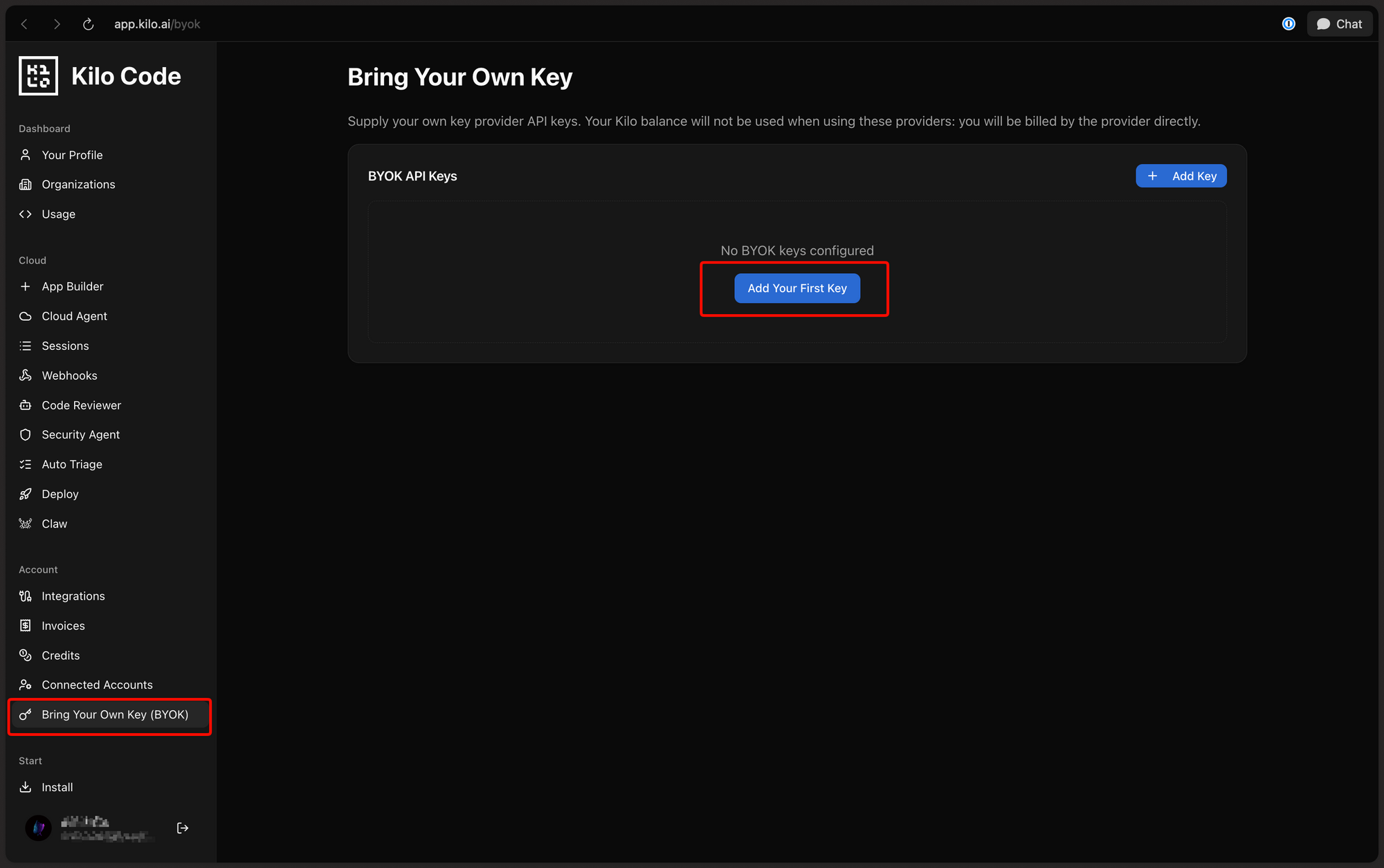
Kilo also supports bring-your-own-key (BYOK) workflows, local models via Ollama, and fallback routing. Engineers therefore maintain flexibility even after the promotion ends. The open-source core (Apache 2.0) allows full customization of agent behaviors, skills, and memory banks.
Step-by-Step Setup: Accessing Claude Sonnet 4.6 Free in Kilo Cloud Agent
Engineers begin by navigating to https://app.kilo.ai and creating an account or signing in with GitHub or Google. The process takes under 60 seconds and requires no credit card.
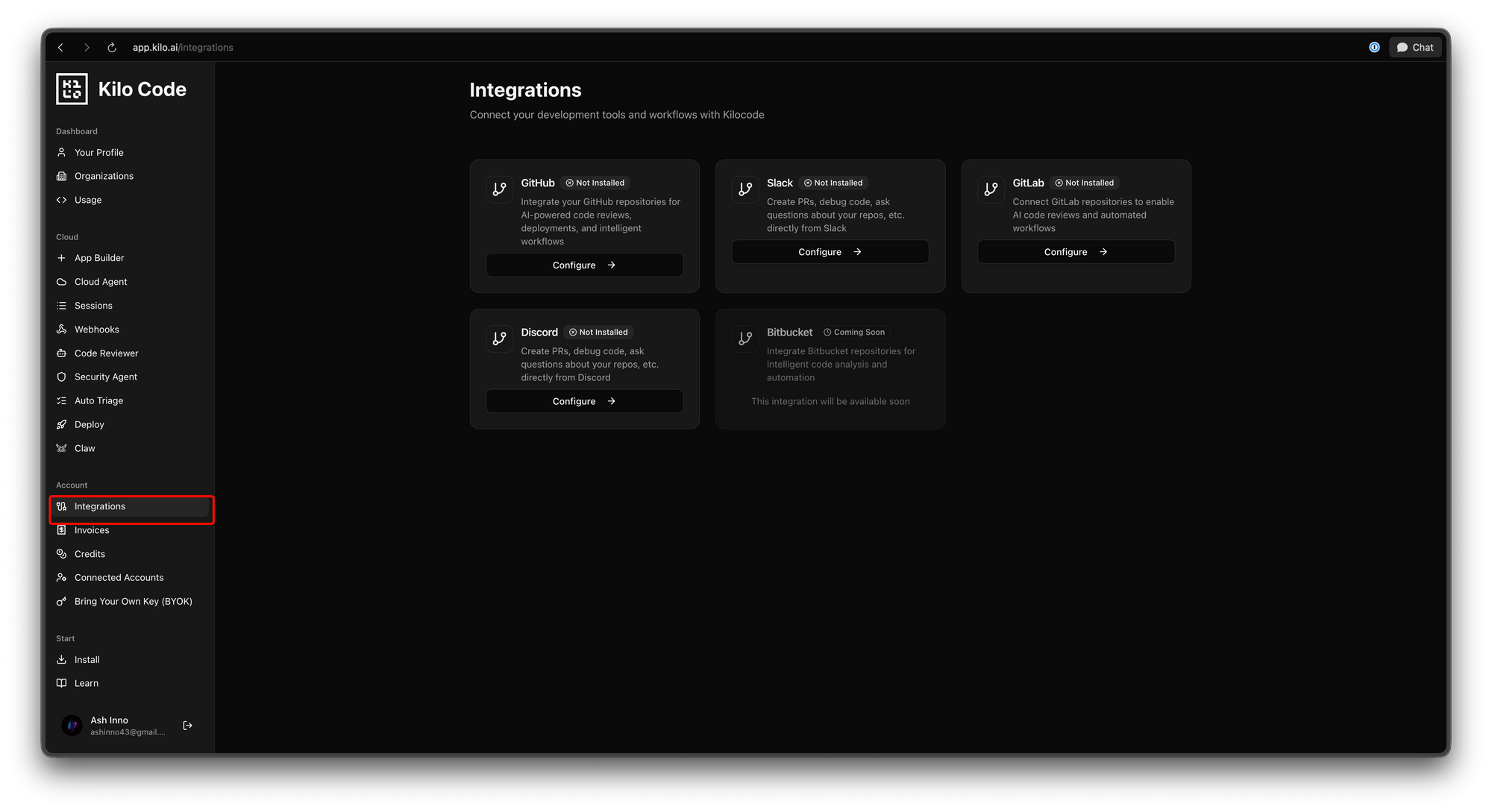
Once inside the dashboard, developers click the Cloud tab or follow the direct link https://kilo.ai/cloud. They then connect their GitHub or GitLab account through the Integrations panel—one-click OAuth grants Kilo permission to clone repositories and manage branches.
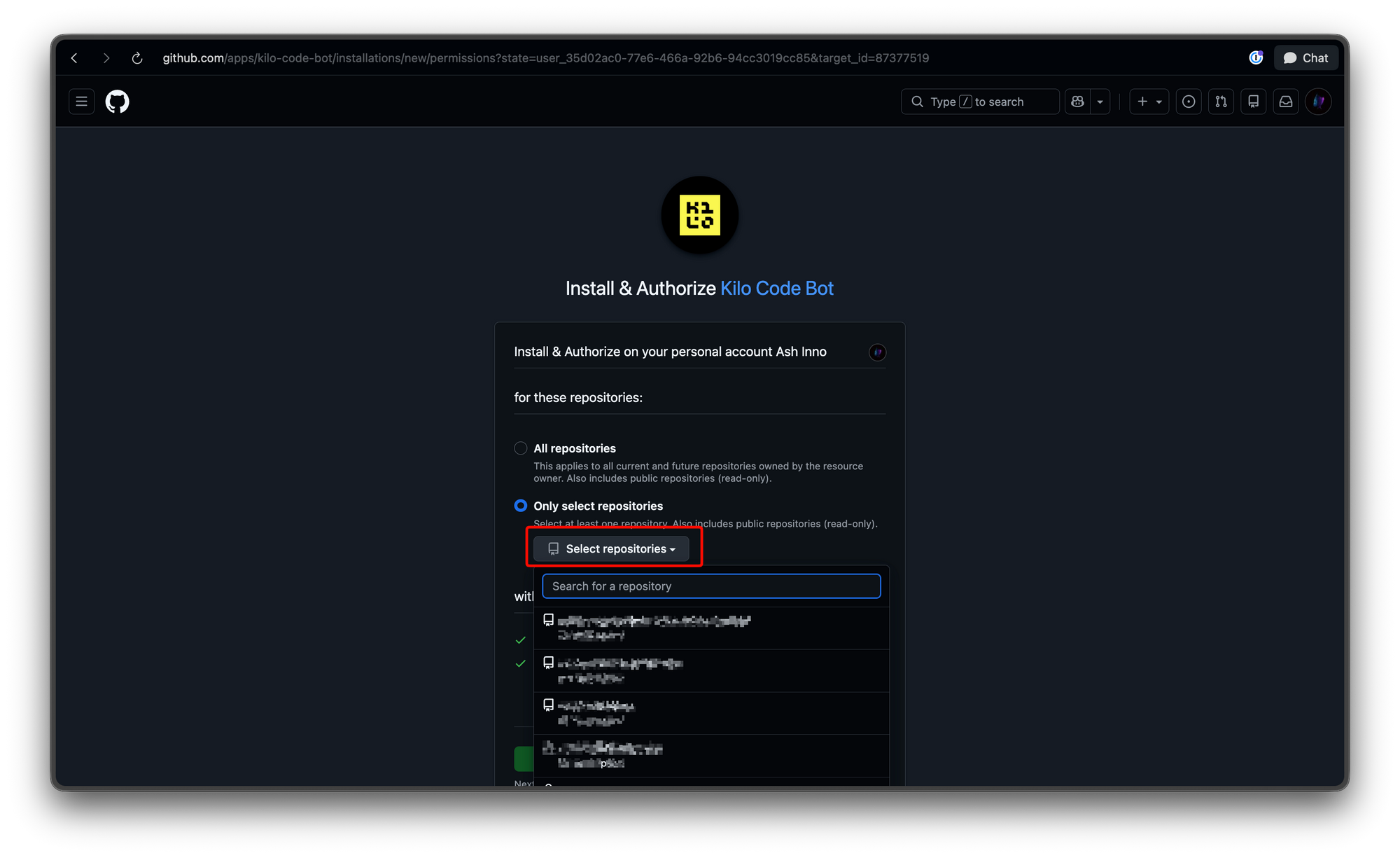
Next, they select a repository from the list. Kilo clones it into an isolated container and creates a unique working branch for the session. Users then configure environment profiles: they add secrets, environment variables, startup commands, and webhook triggers if needed. Profiles save time on recurring projects because engineers reuse the same container setup across sessions.
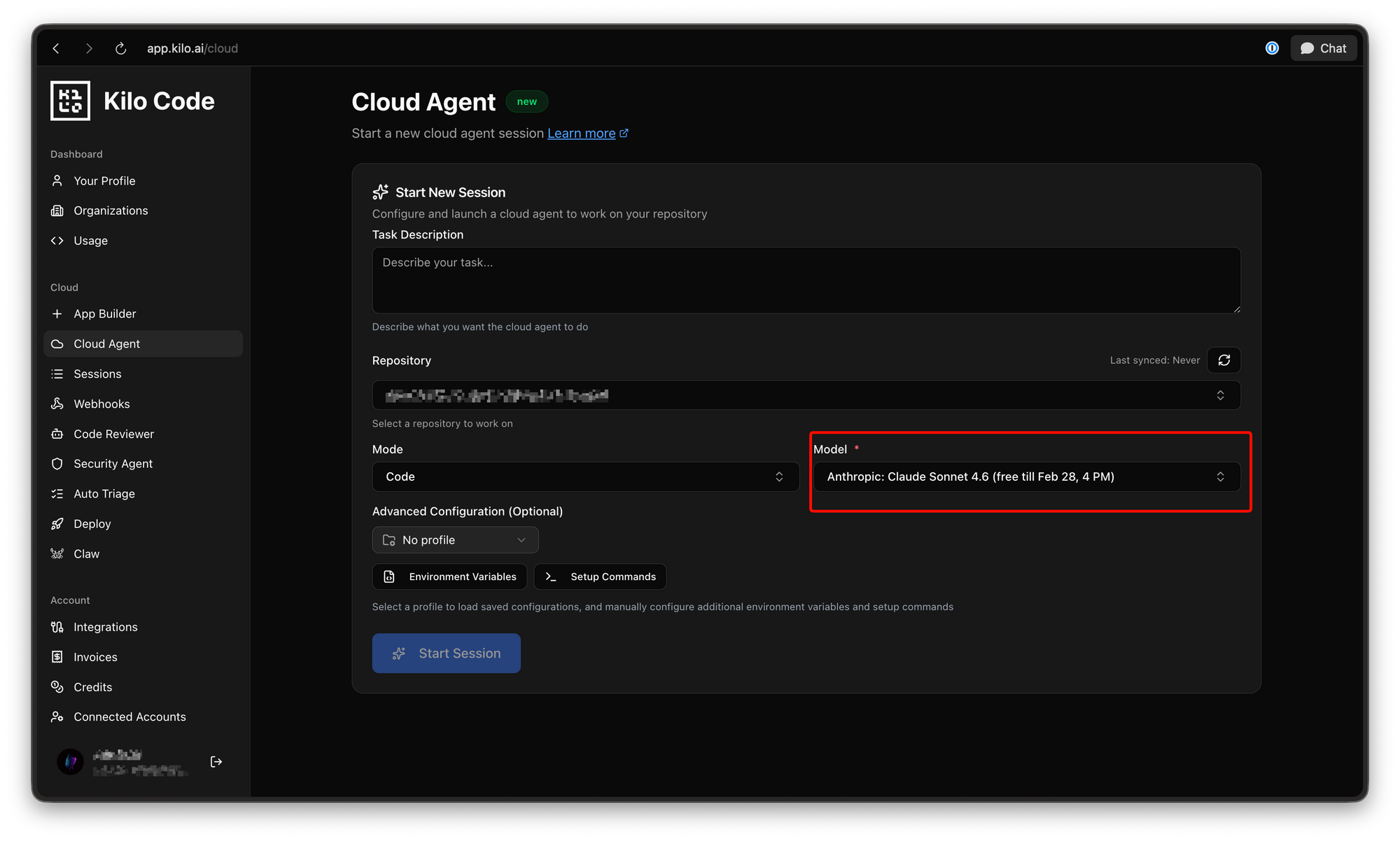
At this stage, they choose the model. The selector lists “claude-sonnet-4.6” prominently with a “Free until Feb 28” badge. They confirm the selection and start a new chat. Claude Sonnet 4.6 immediately loads with full 1M context and agentic capabilities enabled.
Engineers issue prompts in natural language or structured YAML. The agent reads the codebase, proposes changes, runs tests inside the container, and commits successful edits. All work remains portable—developers switch between local Kilo Code and Cloud sessions without losing context.
Installing and Configuring Kilo Code Extension for Local Complement
Many teams combine Cloud Agents with the local Kilo Code extension for maximum velocity. They open VS Code or a JetBrains IDE, search for “Kilo Code” in the extensions marketplace, and install the latest version.
After installation, they sign in with the same Kilo account. The model picker appears in the sidebar. Although the free promotion focuses on Cloud, local sessions still benefit from Kilo’s $25 welcome credits and free fallback models. Engineers select claude-sonnet-4.6 when they want to test locally or when the Cloud quota temporarily saturates.
The extension offers multiple modes—Ask, Code, Architect, Debug, and Orchestrator. Orchestrator mode particularly shines with Claude Sonnet 4.6 because the model plans multi-step tasks, delegates subtasks to parallel agents via git worktrees, and audits results before merging. Consequently, developers handle large refactors that previously required hours of manual coordination.
Integrating Apidog to Supercharge API-Driven Agent Workflows
When Claude Sonnet 4.6 generates REST, GraphQL, or gRPC services inside Kilo agents, developers export the OpenAPI specification directly from the generated code. They import that spec into Apidog, which auto-generates test cases, mock servers, and documentation.
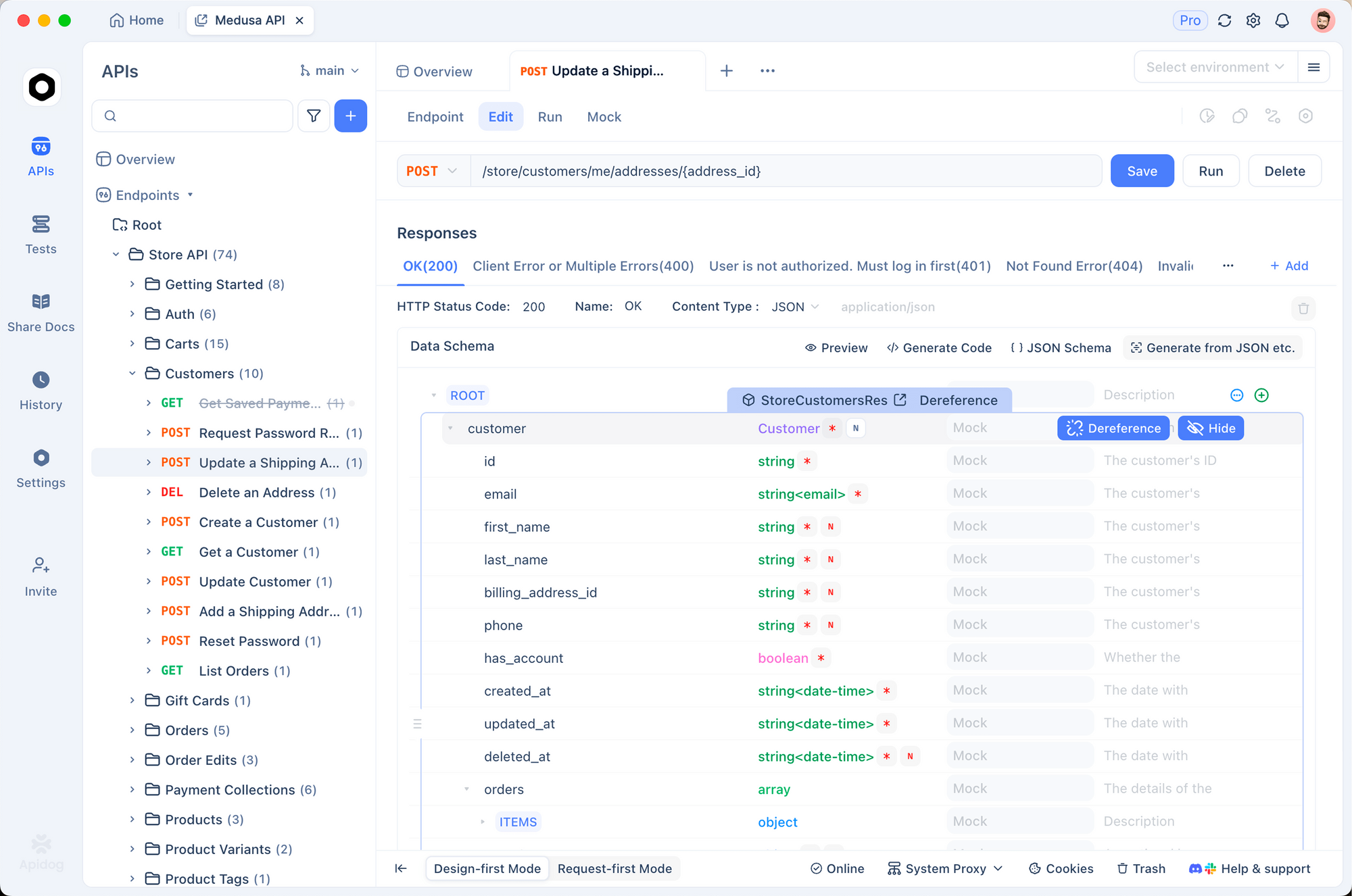
Apidog then monitors live traffic from the running Cloud Agent. Engineers set breakpoints on specific endpoints, inspect payload transformations performed by the model, and validate JSON schemas in real time. If the agent introduces breaking changes, Apidog flags them instantly and suggests fixes.
Teams therefore close the loop between code generation and validation. The workflow looks like this: prompt Claude Sonnet 4.6 → agent writes API handlers → Kilo deploys to container → Apidog tests every route → iterate until green. This closed loop reduces production surprises and accelerates delivery of reliable microservices.
Troubleshooting Common Issues During the Free Access Period
Some users initially hit rate limits inside Cloud Agents because multiple sessions compete for shared infrastructure. The solution involves creating separate environment profiles and staggering start times, or upgrading temporarily to a dedicated container instance once the promotion ends.
Context window overflow occasionally appears when ingesting massive repositories. Engineers solve this by enabling managed indexing, which creates semantic chunks and lets the model retrieve only relevant sections via RAG-style queries.
If the agent fails to push commits, developers check GitHub token scopes in the Integrations tab and ensure the repository allows writes from the Kilo app.
Apidog users sometimes see CORS errors during local testing. They simply enable the mock server inside Apidog and point the frontend to localhost:8080—eliminating network issues while the Cloud Agent continues running.
Best Practices That Separate Power Users from Casual Experimenters
Power users always start sessions with a clear system prompt that defines success criteria, output format, and rollback triggers. They version-control every agent-generated commit and review diffs before merging.
They also monitor usage inside the Kilo dashboard even during free periods to build muscle memory for cost control once the promotion concludes.
Finally, they combine Kilo Agents with Apidog CI/CD hooks. Every merge triggers Apidog contract tests against a staging environment—ensuring zero regressions from AI-generated code.
Conclusion
Claude Sonnet 4.6 inside Kilo Cloud Agent represents one of the most compelling free opportunities in the current AI landscape. Developers gain access to near-Opus intelligence, massive context, and production-ready agent orchestration without spending a cent until February 28, 2026.
The setup process remains deliberately straightforward: sign up, connect Git, select the model, and prompt. Pairing the workflow with Apidog turns generated APIs into fully validated, documented services ready for production.
Engineers who act now ship more features, explore bolder architectures, and gain deep familiarity with frontier models before competitors do. The small decision to configure Kilo Cloud Agent today therefore creates outsized advantages tomorrow.
Start immediately at kilo.cloud and download Apidog for free to complete the professional toolchain. The clock is ticking—make every token count.