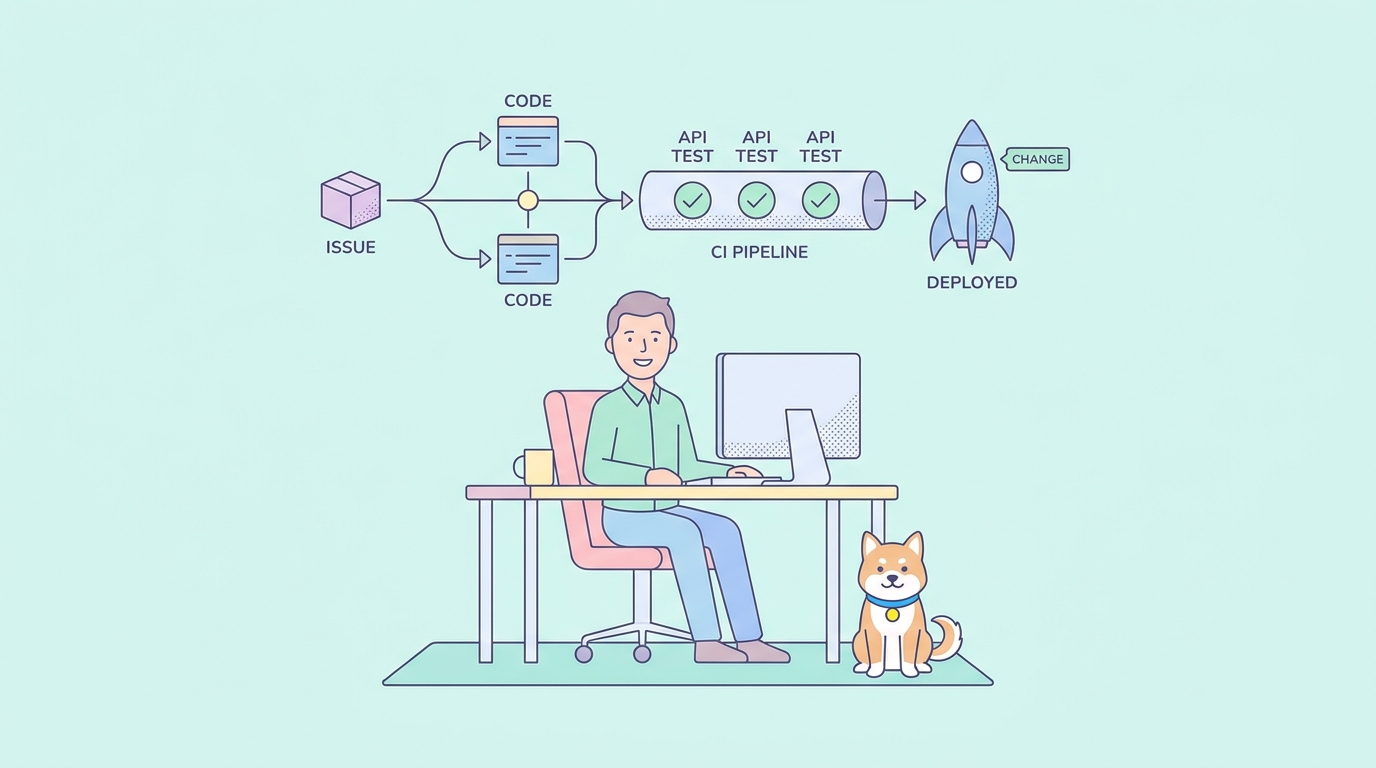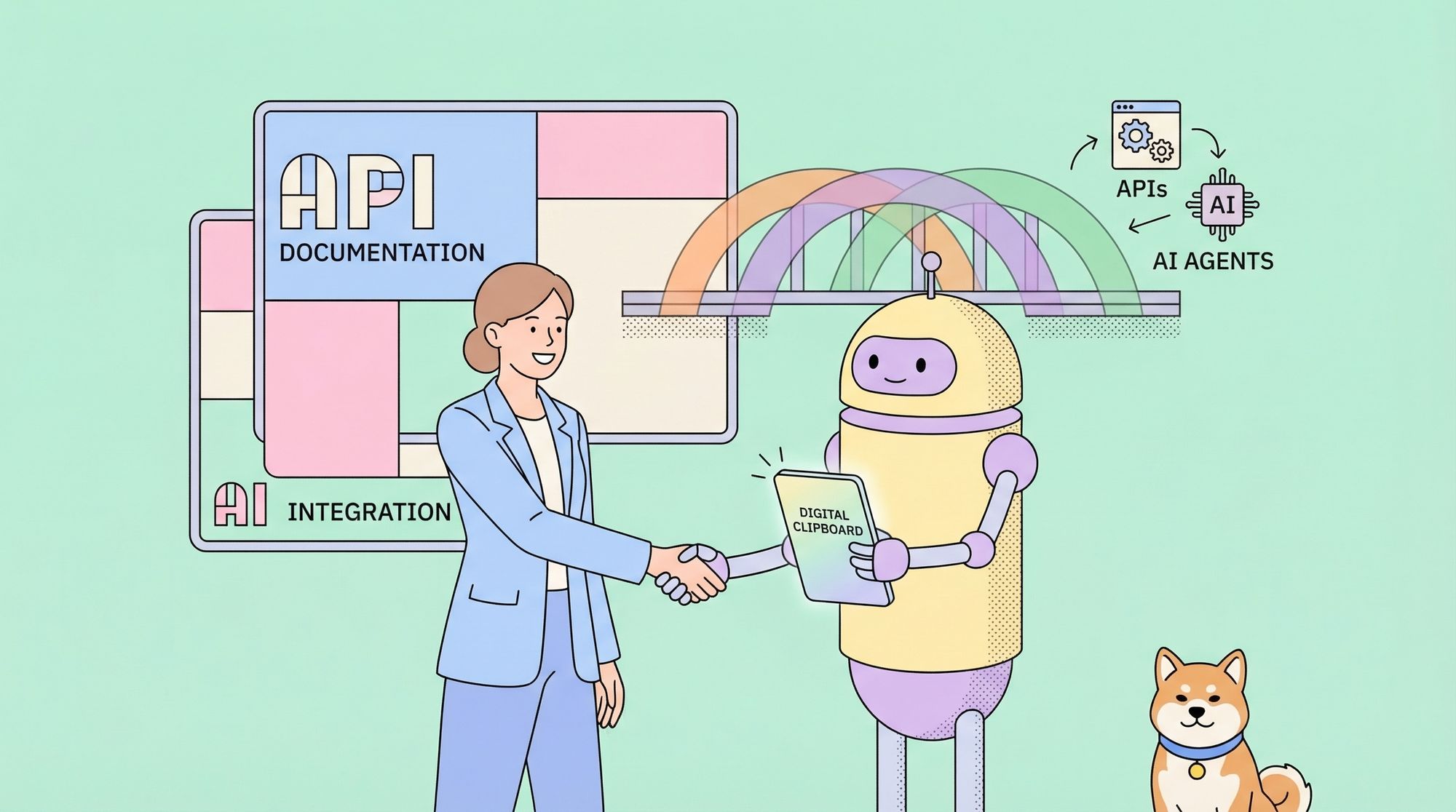
As artificial intelligence rapidly evolves, AI agents are transforming how applications interact with APIs. But traditional APIs, designed for human developers, often fall short in supporting AI agents—intelligent systems that autonomously discover, understand, and execute API operations. If you want your software to stay relevant and leverage the full power of automation, it’s critical to learn how to make your APIs ready for AI agents.
This guide provides a comprehensive look at what it means to make your APIs "agent-ready", why it matters, the practical steps to achieve it, and how tools like Apidog MCP Server can streamline the process.
What Does It Mean to Make Your APIs Ready for AI Agents?
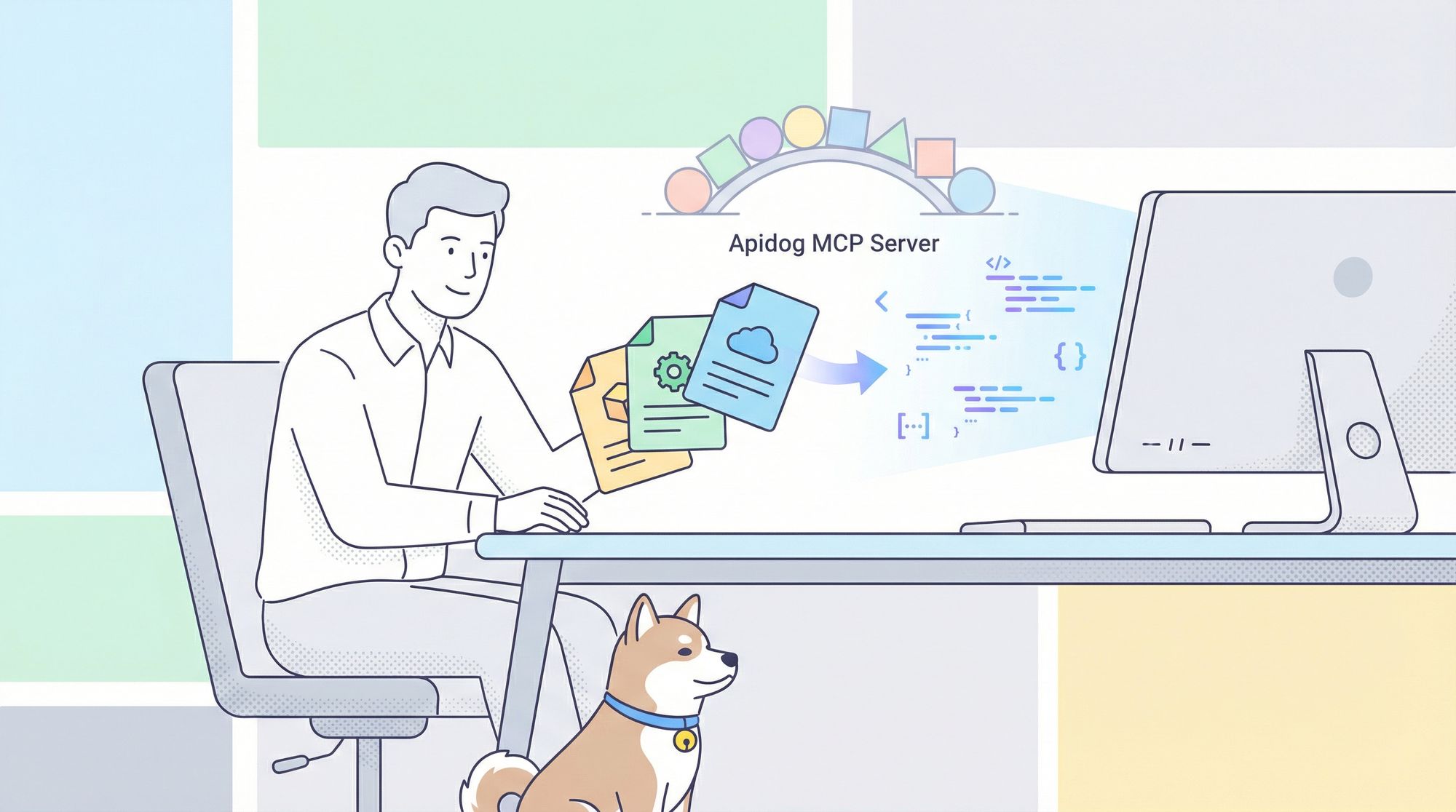
How to make your APIs ready for AI agents is about designing, documenting, and exposing your APIs in a way that intelligent agents—powered by LLMs, automation frameworks, or custom AI—can reliably discover, understand, and use them without manual intervention.
Why Is This Important?
AI agents (like ChatGPT plugins, AutoGPT, and custom LangChain or Boomi agents) are not just passive consumers. They autonomously interpret instructions, make decisions, and execute multi-step tasks—often by calling third-party APIs. If your API isn’t ready for AI agents, you risk:
- Missed automation opportunities: AI agents will skip or misuse your API if it’s hard to understand or ambiguous.
- Increased support burden: Human intervention is needed if AI agents can’t reliably parse your API.
- Falling behind competition: Businesses offering agent-ready APIs will integrate more easily into AI-driven ecosystems.
Key Principles: How to Make Your APIs Ready for AI Agents
Let’s break down the critical elements of making your APIs agent-friendly.
1. Crystal-Clear, Machine-Readable Documentation
AI agents depend on up-to-date, standardized API documentation. Human-written guides help developers, but agents require structured, machine-readable formats.
- Use OpenAPI/Swagger: Always provide an OpenAPI (Swagger) specification. This allows AI agents to parse endpoints, parameters, authentication, and error handling.
- Describe each endpoint clearly: Use precise, unambiguous language for operation summaries and descriptions.
- Document expected inputs/outputs: AI agents need to know required fields, data schemas, response codes, and error scenarios.
Pro Tip: Tools like Apidog make it easy to generate and maintain high-quality OpenAPI documentation, ensuring your APIs are always agent-ready.
2. Consistent and Predictable API Design
Inconsistent or quirky API designs confuse AI agents and increase the risk of errors.
- Follow RESTful conventions: Use standard HTTP verbs (GET, POST, PUT, DELETE) and consistent resource naming.
- Standardize error codes: Use common HTTP status codes and provide detailed error messages with actionable information.
- Avoid ambiguous operations: Clearly differentiate endpoints (e.g.,
/usersvs./users/{id}).
3. Self-Describing Requests and Responses
AI agents work best when APIs are explicit.
- Use descriptive parameter names: Avoid abbreviations and jargon.
- Include data types and validation constraints: Let agents know the allowed value ranges and formats.
- Provide example payloads: Show sample requests and responses for each endpoint in your documentation.
4. Authentication and Authorization for AI Agents
Traditional APIs often assume interactive authentication (OAuth, API keys entered manually). AI agents need automated, well-documented authentication flows.
- Support machine-to-machine authentication: Enable OAuth2 client credentials or API tokens suitable for automated clients.
- Document authentication steps: Provide detailed instructions for agents to obtain and use credentials.
5. Discoverability and Semantic Metadata
AI agents benefit from APIs that are easy to discover and understand programmatically.
- Expose API discovery endpoints: Use standard endpoints (like
/openapi.jsonor/swagger.json) for schema retrieval. - Add semantic metadata: Use tags, operation IDs, and standardized operation summaries to describe intent.
- Version your APIs: Make versioning clear to help agents adapt to changes without breaking.
6. Robust Error Handling and Recovery
Agents need to know how to react to errors.
- Return informative error messages: Include error codes, messages, and suggestions for resolution.
- Document error cases: List possible errors for each endpoint and recommended retries or fallbacks.
7. Support for Rate Limiting and Quotas
AI agents may trigger high-frequency or batch API calls.
- Clearly document rate limits: Include headers (
X-RateLimit-Limit, etc.) and error handling for throttling. - Graceful responses on limit breaches: Inform agents how long to wait or when to retry.
8. Test with AI Agents and Synthetic Clients
Don’t just assume your API is agent-ready—test it!
- Use mocking and simulation: Tools like Apidog can simulate agent-driven workflows, helping you identify gaps.
- Gather feedback from real AI agents: Integrate with popular frameworks (e.g., LangChain, AutoGPT) and monitor for issues.
Practical Steps: How to Make Your APIs Ready for AI Agents
Let’s walk through a step-by-step approach you can apply today.
Step 1: Audit Your APIs for Agent Readiness
- Check for OpenAPI/Swagger documentation.
- Ensure endpoints are consistently named and described.
- Identify authentication mechanisms and their suitability for machine clients.
Step 2: Refactor and Document Using Apidog
Apidog allows you to import, edit, and generate OpenAPI specs, create online documentation that is ready for AI consumption, and mock endpoints—crucial for agent readiness.
- Import existing APIs: Use Apidog to quickly bring in your APIs for analysis.
- Improve schema clarity: Add detailed descriptions, constraints, and example payloads.
- Generate interactive docs: Publish easily navigable documentation for AI agents and human users alike.
Step 3: Add Discovery and Metadata Endpoints
- Ensure your API schema is available at a well-known endpoint (
/openapi.json). - Tag endpoints and add operation IDs for semantic clarity.
Step 4: Enhance Authentication for Automation
- Implement OAuth2 client credentials or similar flows.
- Document how agents should obtain and use credentials, including scopes and token lifetimes.
Step 5: Test with Mocked AI Agent Scenarios
- Use Apidog’s mock server features to simulate agent requests and validate responses.
- Integrate with agent frameworks to see how they interpret your documentation.
Step 6: Monitor, Iterate, and Version
- Gather logs and feedback from AI agent usage.
- Address ambiguity, clarify errors, and improve documentation iteratively.
- Version your APIs and communicate changes proactively.
Real-World Examples: APIs Ready for AI Agents
Let’s see how to make your APIs ready for AI agents in action.
Example 1: A Conversational Travel Booking API
- Before: Endpoints use vague parameter names, minimal documentation, and require interactive OAuth.
- After: Using Apidog, the team generates a detailed OpenAPI spec, adds semantic tags (e.g.,
book_flight), provides example payloads, and enables OAuth2 client credentials. Now, an AI agent can parse the schema, understand booking requirements, and execute bookings autonomously.
Example 2: E-commerce Inventory API
- Before: Custom error codes, inconsistent naming, and no example responses.
- After: The API is refactored to RESTful conventions, error handling is standardized, and documentation includes detailed examples. AI agents can now reliably check stock, update inventory, and handle errors like “out of stock” with clear guidance.
Example 3: Banking Account API
- Before: Documentation is only available as a PDF, responses are not self-describing, and authentication requires manual login.
- After: The API publishes OpenAPI specs, uses descriptive field names, and supports secure automated authentication. AI agents can now manage accounts, process payments, and flag suspicious activity without human oversight.
Code Snippet: Making an API Agent-Ready with OpenAPI
Here’s a simple example of an OpenAPI endpoint description that’s easy for AI agents to understand:
paths:
  /users:
    get:
      summary: List all users
      description: Returns a list of user objects in the system.
      operationId: listUsers
      tags:
        - Users
      responses:
        '200':
          description: A JSON array of user objects
          content:
            application/json:
              schema:
                type: array
                items:
                  $ref: '#/components/schemas/User'
        '401':
          description: Authentication failed or missing token.
Why is this agent-ready?
- Clear, unambiguous summaries and descriptions.
- Standard tags and operation IDs.
- Self-describing schema.
- Documented error responses.
Conclusion: Next Steps for Making Your APIs Ready for AI Agents
The future of software integration is AI-driven. By following these actionable steps and principles, you’ll ensure your APIs are discoverable, understandable, and usable by the next generation of intelligent agents.
- Audit and document: Use tools like Apidog to streamline and automate documentation.
- Adopt standards: Leverage OpenAPI and RESTful conventions for maximum compatibility.
- Iterate and test: Simulate agent usage and refine your APIs over time.
How to make your APIs ready for AI agents isn’t just a technical upgrade—it’s a strategic move to unlock new automation capabilities, improve user experiences, and integrate seamlessly with the AI-powered software ecosystem.
Want to accelerate your journey? Try Apidog’s spec-driven platform to design, document, and test agent-ready APIs—empowering both human and AI consumers with clarity and confidence.