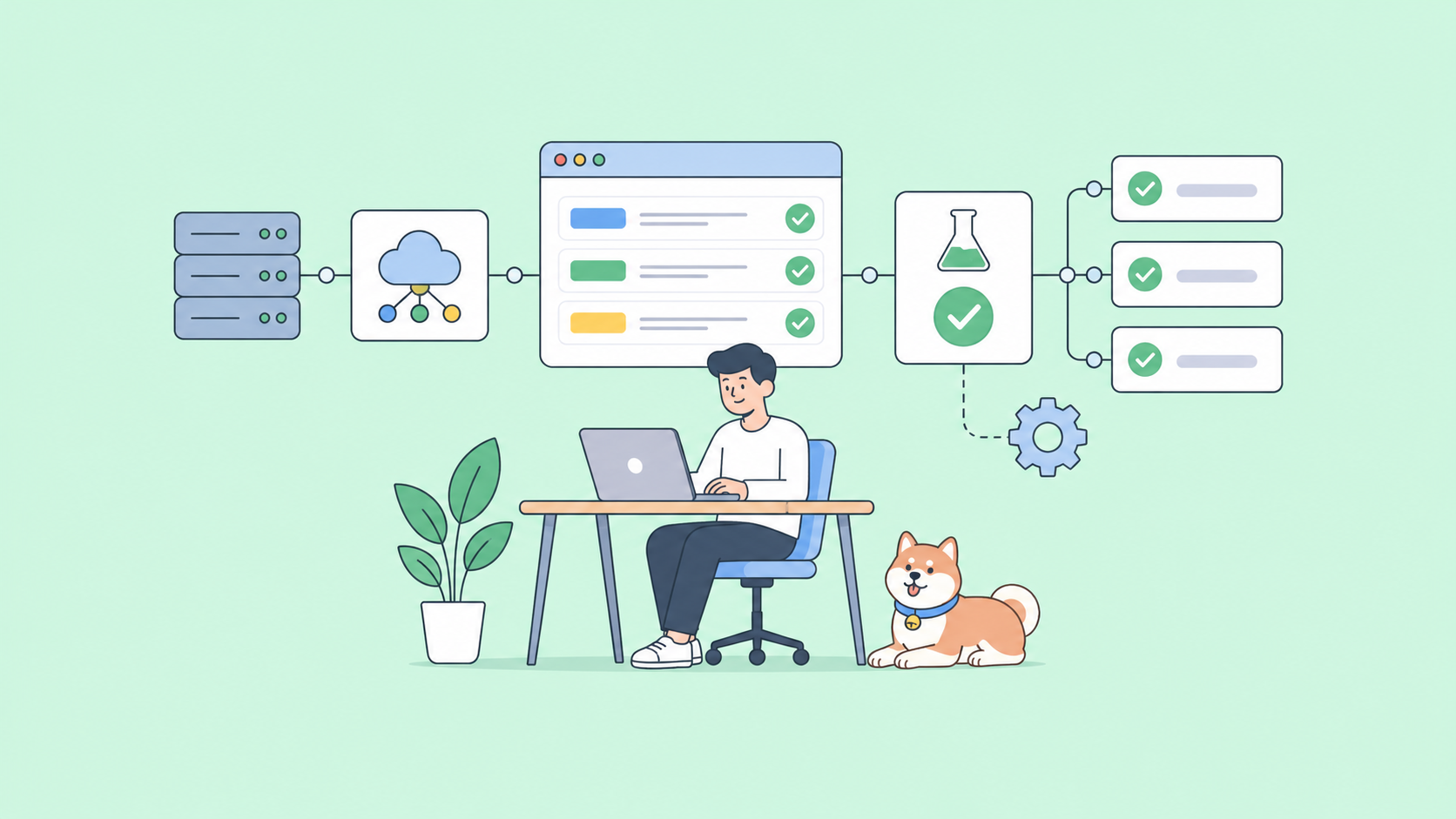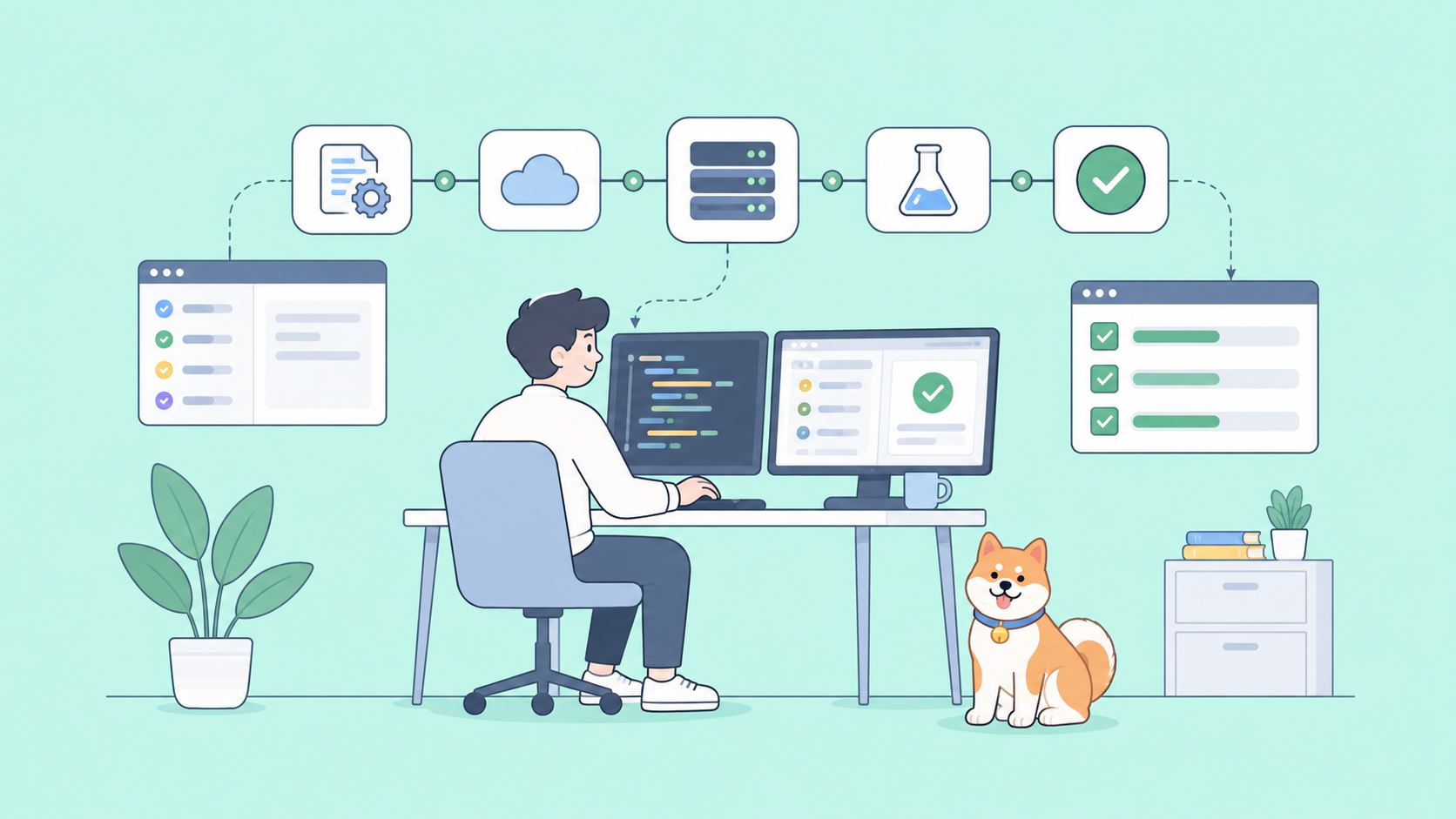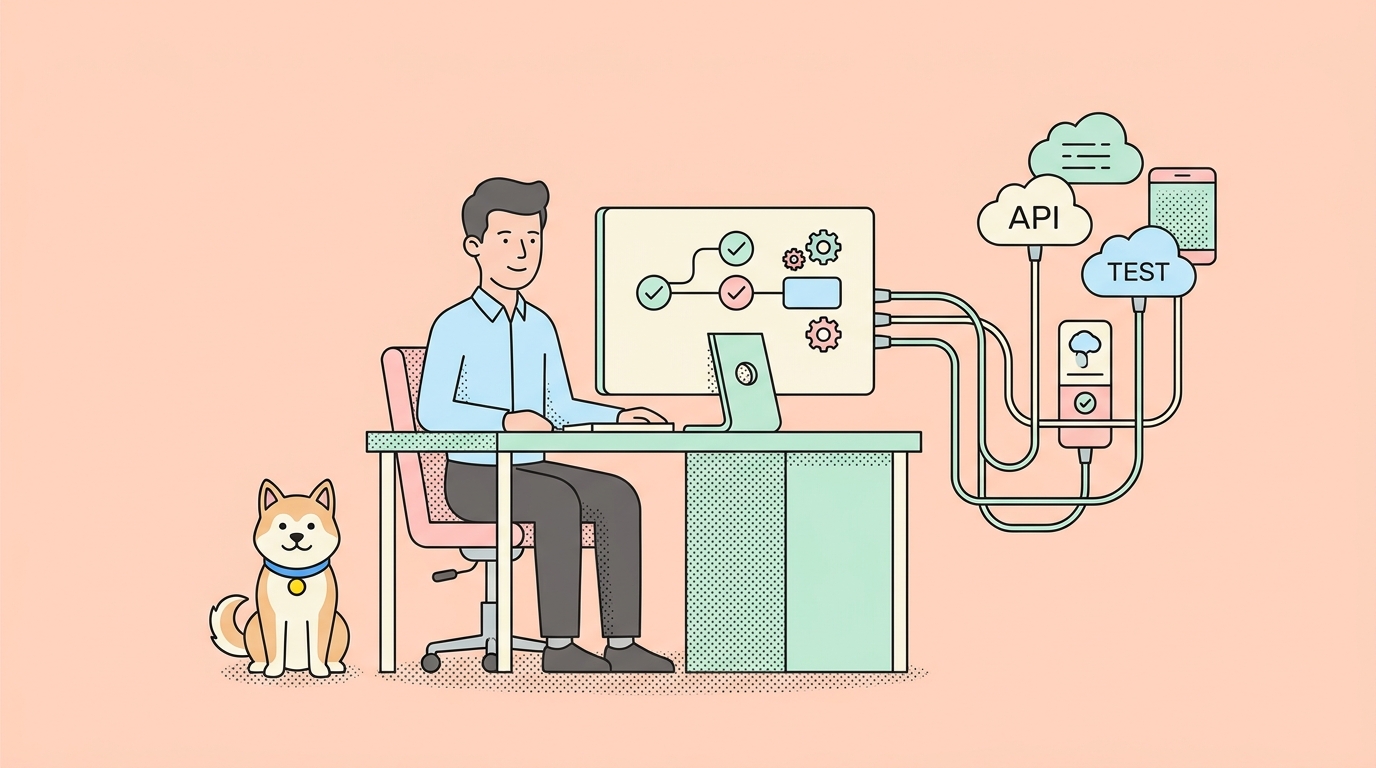
If you build APIs from a spec first, you’ve probably hit the same fork in the road: do you want a tool that turns your OpenAPI file into executable contract checks, or one that designs, mocks, and tests the API end to end? Specmatic and the Apidog CLI both sit in the spec-first camp, but they emphasize different parts of the workflow. This guide compares them head to head so you can pick the right fit, and it leans on real API contract testing concepts plus the official OpenAPI Specification along the way.
The short version
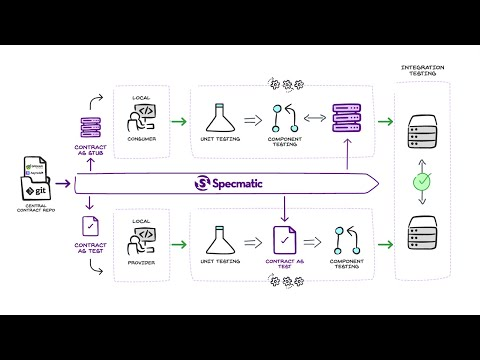
Specmatic treats your API specification as an executable contract. It generates tests from the spec and runs your provider against it, and it can act as a stub so consumers develop against the same contract. That makes it strong for consumer/provider contract verification, especially in microservice setups.
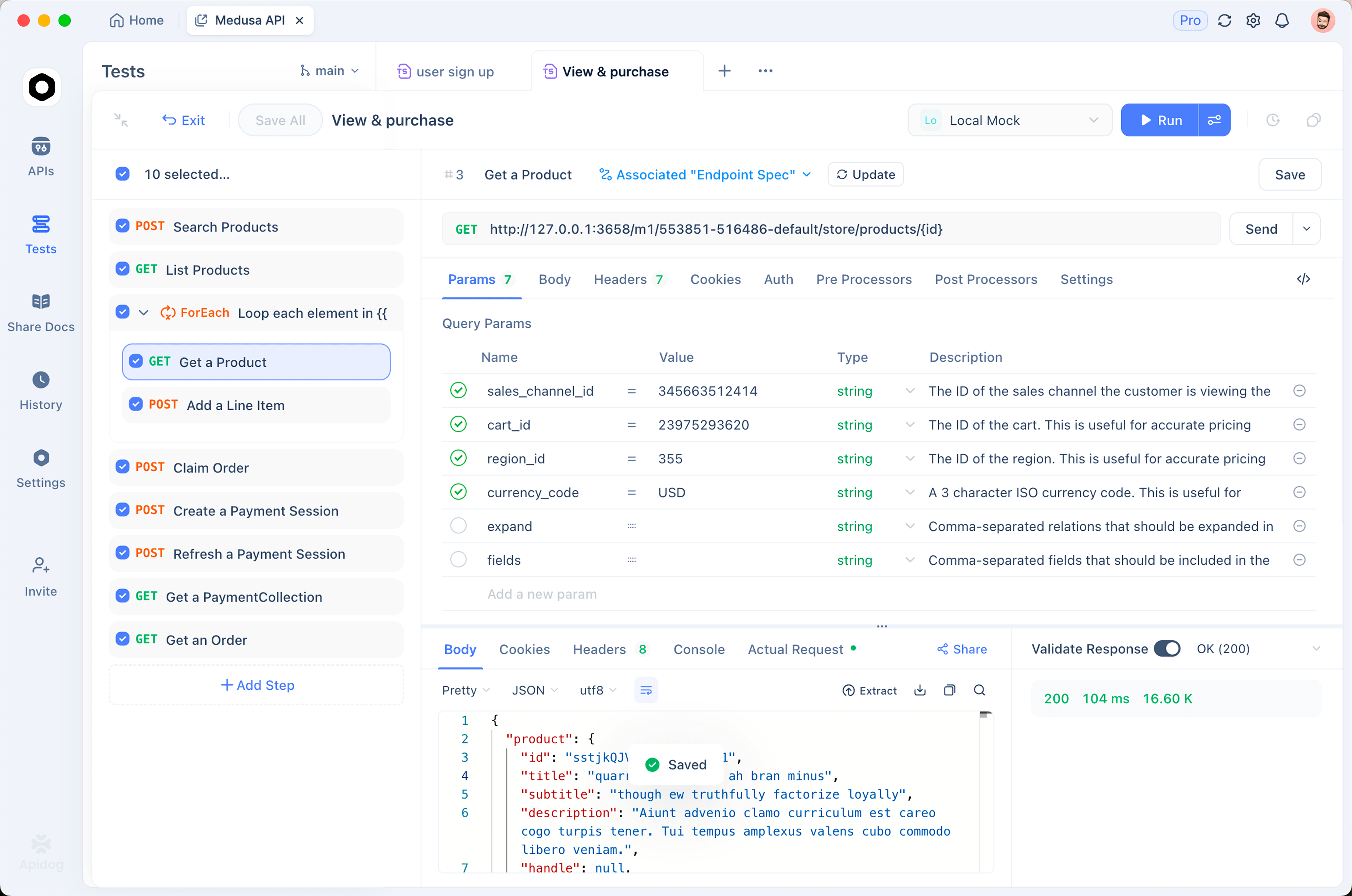
Apidog is a spec-first API platform. You design the API visually against OpenAPI, build functional test scenarios, spin up schema-driven mocks, and run everything in CI with apidog run. It’s broader across the lifecycle, and it covers REST, GraphQL, gRPC, WebSocket, and more.
Neither tool is a strict superset of the other. Specmatic goes deep on contract-as-code. Apidog goes wide across design, mock, functional tests, and CI execution. Plenty of teams can use both.
What Specmatic does well
Specmatic’s core idea is clean: your spec is the contract, and the contract is executable. Point it at an OpenAPI, AsyncAPI, GraphQL, gRPC, or WSDL file, and it derives tests automatically, including positive and negative scenarios, with no test code to write by hand.
Two capabilities stand out:
- Provider verification. Specmatic runs your running service against the spec and flags any drift between what the document promises and what the implementation returns. If your handler quietly drops a field or changes a status code, the contract test catches it.
- Service virtualization (contract-as-stub). The same spec can run as a smart stub. Consumer teams develop against that stub instead of waiting for the real provider, and because the stub is generated from the contract, the consumer and provider stay aligned to one source of truth.
Specmatic is open source on GitHub, runs as a CLI built for CI/CD, and adds commercial layers (Studio for a visual interface, Insights for governance and analytics). It reaches well beyond plain REST too, with support for AsyncAPI, GraphQL, gRPC, WSDL, and event-driven backends like Kafka, JMS, and RabbitMQ. If your main pain is keeping independently deployed services honest against a shared contract across mixed transports, this is a focused, capable answer.
The honest framing: Specmatic is centered on contract verification and virtualization. It’s not trying to be your API design surface or your full functional test suite, and that focus is the point. You still author and maintain the spec elsewhere; Specmatic’s value kicks in once that spec exists and you want it enforced.
What the Apidog CLI does well
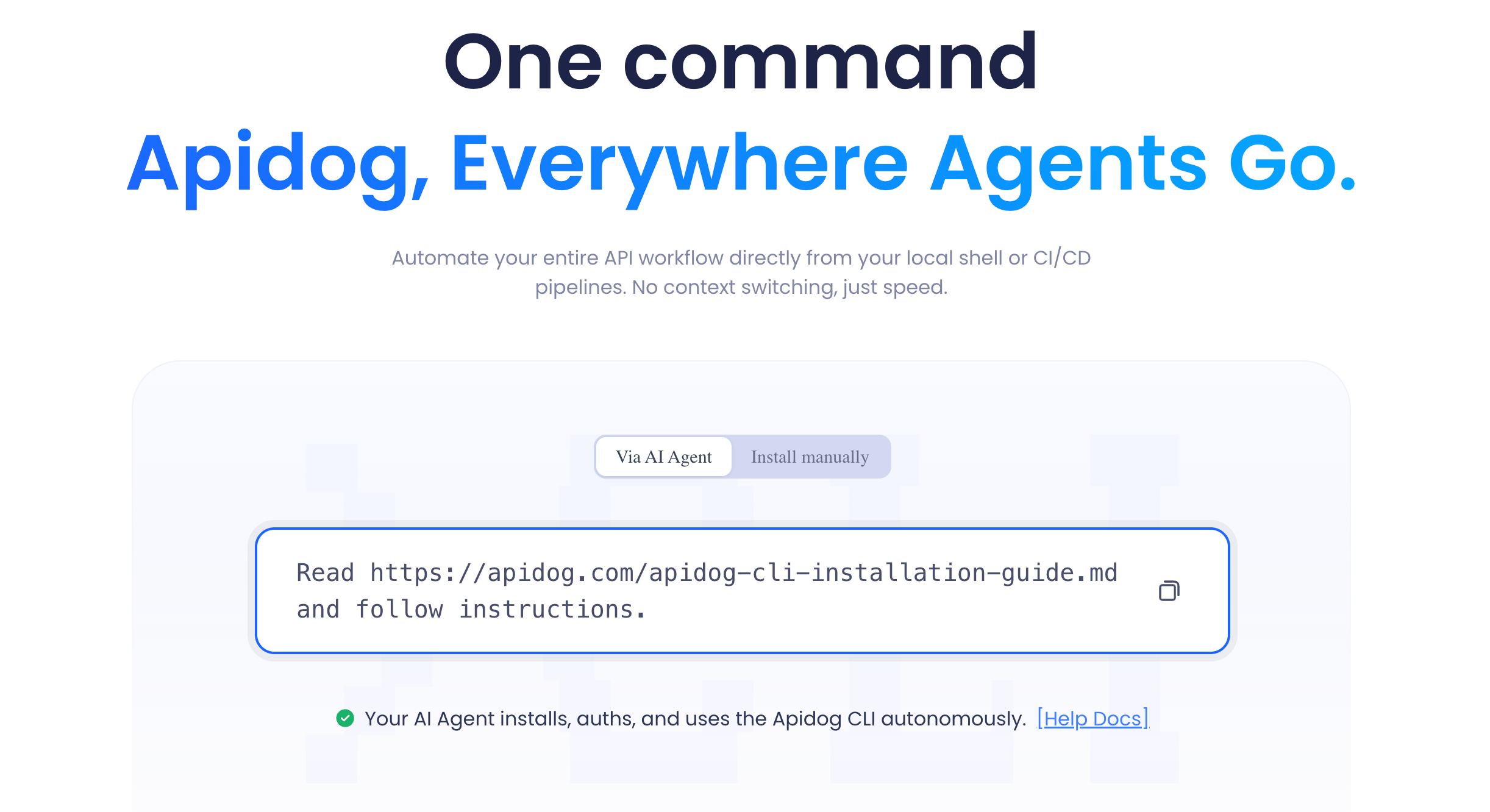
The Apidog CLI is the command-line runner for the Apidog platform. You design and test APIs in the app, then execute those test scenarios headlessly in any pipeline with one command. The setup, flags, and exit-code behavior are covered in the apidog run command reference.
Where Apidog’s spin differs:
- Spec-first design plus mock plus test in one place. You build the OpenAPI definition visually, generate a schema-driven mock from it, and write functional assertions against responses. The mock and the tests both read from the same spec, so design and validation stay close. See how the schema-first mock workflow fits together.
- Functional test scenarios, not just contract shape. Beyond “does the response match the schema,” you chain requests, pass data between steps, assert on values, and run data-driven iterations. That’s closer to end-to-end API testing than pure contract checks.
- Multi-protocol coverage. REST, GraphQL, gRPC, SOAP, and WebSocket all run through the same workflow, which helps if your stack isn’t only REST.
- CI execution with
apidog run. The CLI returns proper exit codes and machine-readable reports, so it drops into GitHub Actions, GitLab CI, Jenkins, and others. The complete Apidog CLI guide walks through a full pipeline run.
The honest framing: Apidog validates responses against your schema and runs functional tests in CI, and it design-and-mocks from the spec. It is not a Pact-style consumer-driven contract broker. If your goal is a formal contract-broker handshake between independently owned consumer and provider repos, that’s Specmatic’s home turf, not Apidog’s.
Side-by-side comparison
| Area | Specmatic | Apidog CLI |
|---|---|---|
| Primary emphasis | Contract-as-code: verify provider against spec, contract-as-stub | Spec-first design, mock, functional tests, CI run |
| Test generation | Auto-generates positive/negative tests from the spec | You build scenarios visually; schema validation built in |
| Provider/consumer contract verification | Core strength | Schema validation, not a contract broker |
| Mocking | Service virtualization from the contract | Schema-driven mock server from the OpenAPI design |
| Protocols | OpenAPI, AsyncAPI, GraphQL, gRPC, WSDL, messaging (Kafka, JMS, etc.) | REST, GraphQL, gRPC, SOAP, WebSocket |
| Interface | CLI plus commercial Studio/Insights | Visual app plus apidog run CLI |
| Functional/E2E flows | Lighter; focused on contract scenarios | Strong: chained steps, data-driven runs, assertions |
| Open source | Yes (core) | Free tier; platform is commercial |
| Best at | Keeping independent services honest against a shared contract | Designing, mocking, and testing an API across its lifecycle |
Where each one wins
Pick Specmatic when the contract between teams is the hard part. If you run several services owned by different squads, deploy them independently, and keep breaking each other at the seams, Specmatic’s provider verification and contract-as-stub give you a tight feedback loop on exactly that problem. The auto-generated tests mean you don’t hand-write contract assertions, which matters when specs change often.
Pick the Apidog CLI when you want one workflow from design through CI. If you’re authoring the spec, mocking it for the frontend before the backend lands, writing functional tests with chained requests, and running them on every push, Apidog keeps all of that in one platform. You don’t context-switch between a design tool, a mock tool, and a test runner, because they share the same project and the same OpenAPI definition. It also helps when you test more than REST, since gRPC and WebSocket ride the same rails. For a deeper look at the moving parts, the guide on contract testing and mock servers covers how design, mock, and verification line up.
A quick gut check: if the sentence that describes your problem starts with “our services keep breaking each other’s contracts,” lean Specmatic. If it starts with “we need to design, mock, and test this API faster,” lean Apidog. If both sentences are true, that’s the case for running them side by side.
Can you use them together?
Yes, and it’s a reasonable setup. Treat your OpenAPI file as the shared source of truth. Design and iterate on it in Apidog, generate the schema-driven mock for consumers, and run your functional test scenarios with apidog run in CI. Then add Specmatic where you need formal provider-contract verification between independently owned services, so any drift fails the build before it reaches staging.
The two tools overlap on the spec-first foundation but emphasize different layers. Apidog owns design, mock, and functional CI execution. Specmatic owns contract verification and virtualization between teams. Used together, you get broad lifecycle coverage and a strict contract gate.
Frequently asked questions
Is Apidog a Specmatic alternative?
For some jobs, yes, and for others, not exactly. If you mainly want to design an API from a spec, mock it, write functional tests, and run them in CI, Apidog covers that ground and more. If you specifically need consumer-driven contract verification with a broker-style handshake, Specmatic is purpose-built for that. Think overlapping spec-first tools with different centers of gravity, not a clean one-to-one swap.
Does the Apidog CLI do contract testing?
Apidog validates API responses against your OpenAPI schema as part of its test runs, which catches structural drift between the spec and the implementation. That’s the most common contract-testing need for a single API. It does not act as a Pact-style contract broker between separate consumer and provider repositories. The piece on what API contract testing is explains where schema validation ends and broker-style contracts begin.
Which one fits CI/CD better?
Both run headlessly in CI. Specmatic ships a CLI made for pipelines and auto-generates contract tests from your spec. Apidog runs your visual test scenarios with apidog run, returns standard exit codes, and emits reports your pipeline can parse. The better fit depends on whether your CI gate is “verify the contract between services” (Specmatic) or “run the full functional suite for this API” (Apidog).
Do I have to write test code with either tool?
Mostly no. Specmatic generates tests from the spec, so there’s little to author by hand for contract scenarios. Apidog uses a visual scenario builder with assertions and data-driven iterations, so you configure tests rather than script them. Both reduce hand-written test code compared to a code-first framework.
Conclusion
Specmatic and the Apidog CLI both start from the spec, then pull in different directions. Specmatic is the sharper tool for contract-as-code: verify a provider against its spec and virtualize it for consumers. The Apidog CLI is the broader one: design, mock, and run functional tests across protocols, with a clean apidog run step in CI. The choice comes down to whether your bottleneck is cross-team contracts or full-lifecycle API work, and using both is a sensible pattern for teams that have both problems.
Want the spec-first, mock, and CI-ready test workflow in one platform? Download Apidog and run your first OpenAPI-driven test suite, or explore what Apidog offers across the API lifecycle. See how the design-to-CI flow works in Apidog before you wire it into your pipeline.