
นี่เป็นบทความชุดที่ 10 ตอน แบ่งปันประสบการณ์การพัฒนา Apidog CLI เครื่องมือ command-line สำหรับการทดสอบ API และการจัดการ lifecycle ของ API อ่านตามลำดับหรือข้ามไปบทความที่คุณสนใจ:
| หัวข้อ | จุดเน้น | |
|---|---|---|
| 1 | เราสร้าง 126 MCP Tools แต่ไม่ใช่ทางเลือกที่ดีที่สุดสำหรับ Agent | การค้นพบปัญหา |
| 2 | ทำไมเราพัฒนา Apidog CLI รุ่นใหม่ | การพัฒนา architecture |
| 3 | กฎสำคัญ: CLI สร้างข้อมูลจริง, AI Model ทำงานบนข้อมูลจริง | หลักการพื้นฐาน |
| 4 | agentHints: สอน CLI ให้คุยกับ Agents |
Structured output |
| 5 | SKILL: Ship ประสบการณ์การใช้งานเป็น Code | ประสบการณ์การใช้งาน |
| 6 | ตัวเลขไม่โกหก: 30% ลด Tool Calls, 25% ลด Tokens | ผลลัพธ์เชิงตัวเลข |
| 7 | จาก PRD ถึง Testing Loop: Agent Workflow สมบูรณ์กับ Apidog CLI | Tutorial ปฏิบัติ |
| 8 | ทำไม CI/CD Compatibility จำเป็นสำหรับ Agent Tools | มุมมอง DevOps |
| 9 | AI Branch: เปลี่ยนแปลง Project อย่างปลอดภัยกับ AI Agents | Security layer |
| 10 | Spec-First เป็นอดีตแล้ว มา Skill-First กัน | วิสัยทัศน์ & อนาคต |
ไม่ต้องให้โมเดลจำกฎทุกอย่าง—ให้กฎถูกดำเนินการในจุดที่เหมาะสม cli-schema validate เปลี่ยน Schema จากความรู้ที่ต้องจำ เป็นประตูคุณภาพที่ต้องผ่าน
หลักการหลัก: ให้กฎถูกประมวลผล ณ ที่ที่เหมาะสม
เราสกัดหลักการหลักหนึ่งจากประสบการณ์ของเรา:
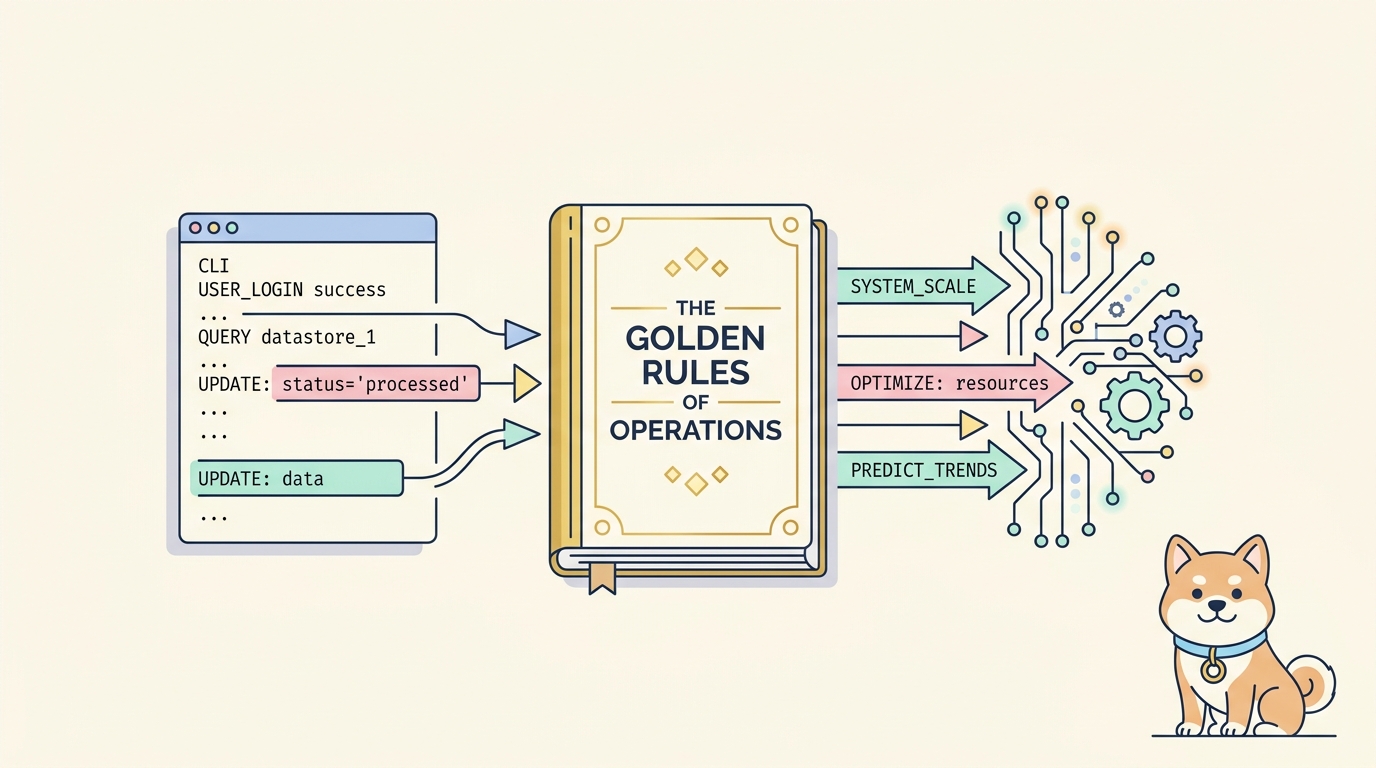
อย่าให้ model จดจำกฎทั้งหมด ให้กฎถูกประมวลผล ณ ที่ที่เหมาะสม
นี่คล้ายกับบทเรียนจากการประเมิน Agent:
| ประเภทตัวชี้วัด | ที่ที่ควรอยู่ |
|---|---|
| ตัวชี้วัดที่แน่นอน | Scripts, code, automated checks |
| การตัดสินเชิงความหมาย | LLMs, model reasoning |
ใน Apidog CLI + SKILL:
| อะไร | ที่ไหน |
|---|---|
| การตรวจสอบโครงสร้างที่แน่นอน | CLI (cli-schema) |
| การตัดสินงานและการสร้างเนื้อหา | Agents |
ให้ CLI ตรวจสอบโครงสร้าง ให้ Agents สร้างเนื้อหา
ปัญหากับ Model Memory
เมื่อ AI Agent ช่วยสร้างหรืออัปเดต Apidog resources ส่วนที่เสี่ยงไม่ใช่แค่การสร้างเนื้อหา
ส่วนที่เสี่ยงคือการเขียนเนื้อหาที่สร้างขึ้นลงในโปรเจกต์จริงโดยไม่มีโครงสร้างหรือการตรวจสอบเพียงพอ
Apidog resources มีโครงสร้าง ลองพิจารณาว่า test case หรือ test scenario ประกอบด้วยอะไร:
| องค์ประกอบ | ความซับซ้อน |
|---|---|
| Request data | Method, URL, headers, body, auth |
| Assertions | Comparator, subject, target value, conditions |
| Variable extraction | Variable name, type, extraction path |
| Pre-processors | Scripts ก่อน request |
| Post-processors | Scripts หลัง response |
| ลำดับขั้นตอน | Sequence, dependencies |
| Environment references | Environment ID, variable overrides |
ถ้า Agent เดาโครงสร้าง:
- ชื่อ field ผิด → Write ล้มเหลว
- ค่า enum ไม่ถูกต้อง → Server ปฏิเสธ
- ขาด field ที่จำเป็น → Resource ไม่สมบูรณ์
- Type ผิด → ปัญหาการแสดงผลใน UI
- การซ้อนทับไม่ถูกต้อง → Tests ทำงานไม่ตามที่คาด
cli-schema validate: ประตูคุณภาพ
การแสดงออกโดยตรงที่สุดของหลักการของเราคือ cli-schema validate
apidog cli-schema validate test-scenario-update --file ./scenario-update.jsonเมื่อ Agent ต้องการเขียนหรืออัปเดต test scenario การให้ AI สร้างโครงสร้างขั้นตอนที่ซับซ้อนมีโอกาสผิดพลาดสูงมาก
คำสั่ง validate:
- ยืนยันชื่อ fields
- ตรวจสอบความถูกต้องของโครงสร้าง
- ตรวจสอบความถูกต้องของค่า enum
- ตรวจสอบข้อจำกัดของ type
ทั้งหมดก่อนเริ่มต้น write request
ข้อผิดพลาดทั่วไปที่ cli-schema จับได้
นี่คือตัวอย่างจริงของข้อผิดพลาดที่ Agents มักทำ—และ cli-schema validate จับได้:
| ค่าผิด | ค่าถูก | บริบท |
|---|---|---|
global |
globals |
Variable scope type |
contains |
include |
Assertion comparator |
responseBody |
responseJson |
Response body subject |
"500" (string) |
500 (number) |
Delay in milliseconds |
equals |
equal |
Assertion comparator |
header |
headers |
Request headers field |
เหล่านี้ไม่ใช่ทฤษฎี เราค้นพบพวกมันผ่านการโต้ตอบกับ Agent จริง
แต่ละข้อผิดพลาดจะทำให้:
- Write request ล้มเหลว
- API error response
- Agent สับสนว่าอะไรผิดพลาด
- ลองใหม่หลายครั้ง
- เสีย tokens กับการเรียกซ้ำๆ
ด้วย cli-schema validate ข้อผิดพลาดเหล่านี้ถูกจับ ภายใน, ก่อน network call
ปรัชญาการออกแบบ
ลองพิจารณาทางเลือกอื่น:
ทางเลือก 1: เขียนกฎลงใน Prompt
ถ้าเราเขียนกฎทุก field ลงใน prompt ของ Agent:
- ชื่อ field ทุกตัวถูกบันทึกไว้
- ค่า enum ทุกค่าถูกระบุไว้
- ข้อจำกัด type ทุกอันถูกอธิบาย
- โครงสร้างซ้อนทับทุกอันถูกอธิบาย
ผลลัพธ์: ภาระ context มหาศาล
Schema ของ test scenario ที่ครอบคลุมอาจต้องการ 5,000+ tokens ของคำอธิบาย นั่นคือ context ที่ model ต้องแบกสำหรับทุก task แม้เมื่อกฎส่วนใหญ่ไม่เกี่ยวข้อง
ทางเลือก 2: พึ่ง Model Memory
ถ้าเราพึ่ง model ที่จะ "รู้" โครงสร้างที่ถูกต้อง:
- Model ถูก train บนรูปแบบ API บางอัน
- แต่ไม่ใช่โดยเฉพาะบน Apidog schemas
- ชื่อ field แตกต่างกันในแต่ละ product
- ค่า enum เป็นเฉพาะ product
ผลลัพธ์: อัตราข้อผิดพลาดสูง
Model ไม่มีความจำที่สมบูรณ์ของ Apidog-specific conventions มันจะเดา—และการเดาจะผิด
แนวทางที่ดีกว่า: ตรวจสอบภายใน
ให้ Agent สร้าง drafts ให้ CLI ตรวจสอบก่อนเขียน
# Agent สร้าง JSON
# (Agent ไม่จำเป็นต้องจดจำกฎทั้งหมด)

# CLI ตรวจสอบ
apidog cli-schema validate test-case-create --file ./test-case-create.json

# CLI แสดงข้อผิดพลาดเฉพาะถ้ามี
# Agent ปรับตามข้อผิดพลาด

# เฉพาะ writes ที่ถูกต้องดำเนินการ
apidog test-case create --project <projectId> --file ./test-case-create.json
การเปลี่ยนแปลงของ Schema
cli-schema validate เปลี่ยนความหมายของ Schema:
| ก่อน | หลัง |
|---|---|
| Schema = ความรู้ที่ model ต้องจดจำ | Schema = ประตูคุณภาพที่ต้องผ่าน |
| ข้อผิดพลาดถูกค้นพบผ่าน writes ที่ล้มเหลว | ข้อผิดพลาดถูกค้นพบผ่านการตรวจสอบภายใน |
| ลองใหม่ผ่าน network calls | แก้ไขผ่านการปรับปรุงภายใน |
| ภาระ context | ประตู execution |
ปัญหาไม่ถูกบริโภคใน network requests ไปมาอย่างไร้ความหมาย
การตรวจสอบคุณภาพเสร็จสิ้นผ่านคำสั่งภายใน
ตัวอย่างการปฏิบัติ
ลองดู workflow จริง:
# Agent อ่าน endpoint
apidog endpoint get <endpointId> --project <projectId>

# Agent สร้าง test case JSON
# (สร้าง ./test-case-create.json)

# ตรวจสอบก่อนเขียน
apidog cli-schema validate test-case-create --file ./test-case-create.json
ถ้าการตรวจสอบผ่าน:
apidog test-case create --project <projectId> --file ./test-case-create.jsonถ้าการตรวจสอบล้มเหลว:
Error: Field "assertions[0].comparator" has invalid value "contains"
Valid values: equal, not_equal, greater, less, include, not_include, exists, not_exists

Error: Field "extractors[0].type" has invalid value "global"
Valid values: globals, environment, collection, local

Suggestion: Fix these fields and re-validate before writing.
Agent:
- อ่านข้อผิดพลาดเฉพาะ
- เข้าใจว่าอะไรผิดพลาด
- ปรับไฟล์ JSON
- รันการตรวจสอบใหม่
- ดำเนินการเฉพาะเมื่อถูกต้อง
ไม่มี writes ที่ล้มเหลว ไม่มี retries ที่สับสน ไม่มี tokens เสียเปล่า
บทเรียนที่กว้างขึ้น
หลักการนี้ขยายไปไกลกว่าการตรวจสอบ
| ประเภทกฎ | ที่ที่ควรอยู่ |
|---|---|
| กฎชื่อ field | cli-schema |
| กฎค่า enum | cli-schema |
| ข้อจำกัด type | cli-schema |
| ลำดับ workflow | SKILL |
| คำแนะนำขั้นตอนถัดไป | agentHints |
| การแยก task | Agent |
กฎที่แน่นอน → ระบบวิศวกรรม
การตัดสินเชิงความหมาย → Agent
ต่อไปคืออะไร
ตอนนี้เราได้สร้างหลักการตรวจสอบแล้ว คำถามต่อไปคือ:
หลังจากการตรวจสอบ CLI แนะนำ Agent ไปยังขั้นตอนถัดไปอย่างไร?
ในตอนที่ 4, agentHints: Teaching CLIs to Talk to Agents เราจะสำรวจว่า structured output กับ next-step suggestions เปลี่ยน CLI จาก command executor ให้เป็น workflow navigator อย่างไร
สรุปประเด็นสำคัญ
- หลักการหลัก: กฎอยู่ใน execution ไม่ใช่ใน context
- cli-schema validate เป็นประตูคุณภาพก่อนเขียน
- ข้อผิดพลาดทั่วไป: ชื่อ field ผิด, enum ไม่ถูกต้อง, type ผิด
- การตรวจสอบจับข้อผิดพลาดภายใน ประหยัด network round-trips
- Schema เปลี่ยนจาก "ความรู้ที่จดจำ" เป็น "ประตูที่ต้องผ่าน"
- กฎที่แน่นอน → วิศวกรรม; การตัดสินเชิงความหมาย → Agent
ดาวน์โหลด Apidog เพื่อ design, mock, test, และ document APIs ใน workspace. เดียว เรียนรู้เพิ่มเติมเกี่ยวกับ Apidog CLI สำหรับ command-line API testing, CI automation, และ AI Agent workflows.