
You can use Claude Sonnet 5 for free right now. Anthropic released it on June 30, 2026, and made it the default model on the free Claude plan at claude.ai and in the Claude Code free tier. So the honest answer to “how do I use Sonnet 5 for free” is short: sign in and start typing. This guide covers every legitimate free path, what each one actually gives you, and where the limits kick in. When you outgrow the free routes and start calling the API, Apidog is where you send, save, and test those requests.
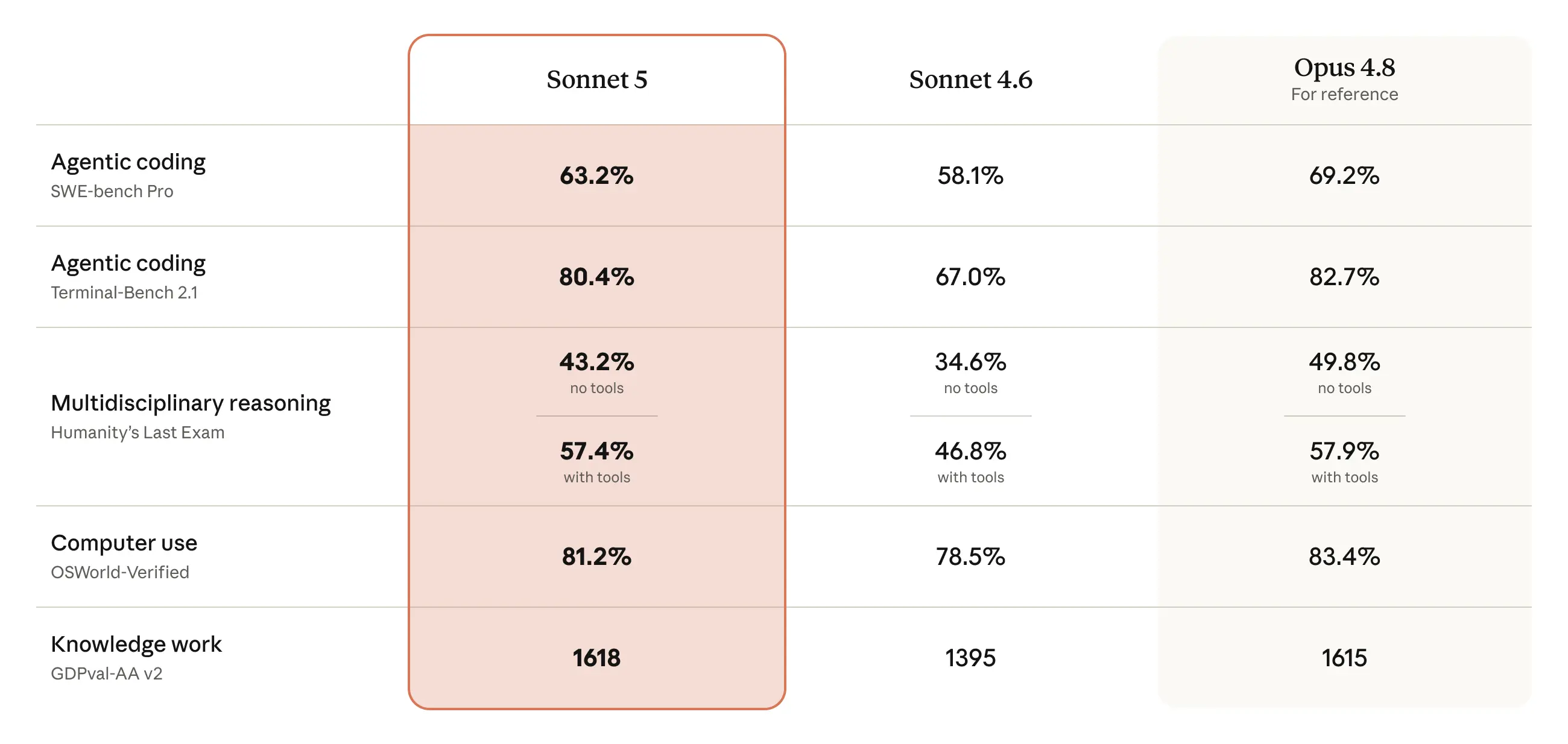
Sonnet 5 is Anthropic’s “best combination of speed and intelligence” and its most agentic Sonnet model yet. On agentic and tool-use tasks it lands close to the pricier Opus 4.8, which makes the free access genuinely useful and not a stripped-down demo. For the full picture of what the model is, see what is Claude Sonnet 5.
What “free” actually means here
There are two very different kinds of free access, and mixing them up causes most of the confusion.
- Free through the Claude apps. You chat with Sonnet 5 in a browser or app. No API key, no code, no billing. This is the path for writing, research, coding help, and everyday tasks.
- Free through the API. You get a
claude-sonnet-5model ID you can call from code. This is never unlimited. “Free” here means trial credits or promotional cloud credits that eventually run out, after which you pay per token.
Both are real. Neither involves sharing keys or hunting for leaked credentials. Skip any site offering “free Claude API keys” or shared logins. Those violate Anthropic’s terms, get revoked fast, and put your data somewhere you don’t control.
Free path 1: the Claude web app and mobile apps
The simplest route. Sonnet 5 is the default model for both the Free and Pro tiers on claude.ai.
- Go to claude.ai and sign in or create an account.
- Start a new conversation. On the Free plan you’re already talking to Sonnet 5, no model switch needed.
- Type your prompt and go.
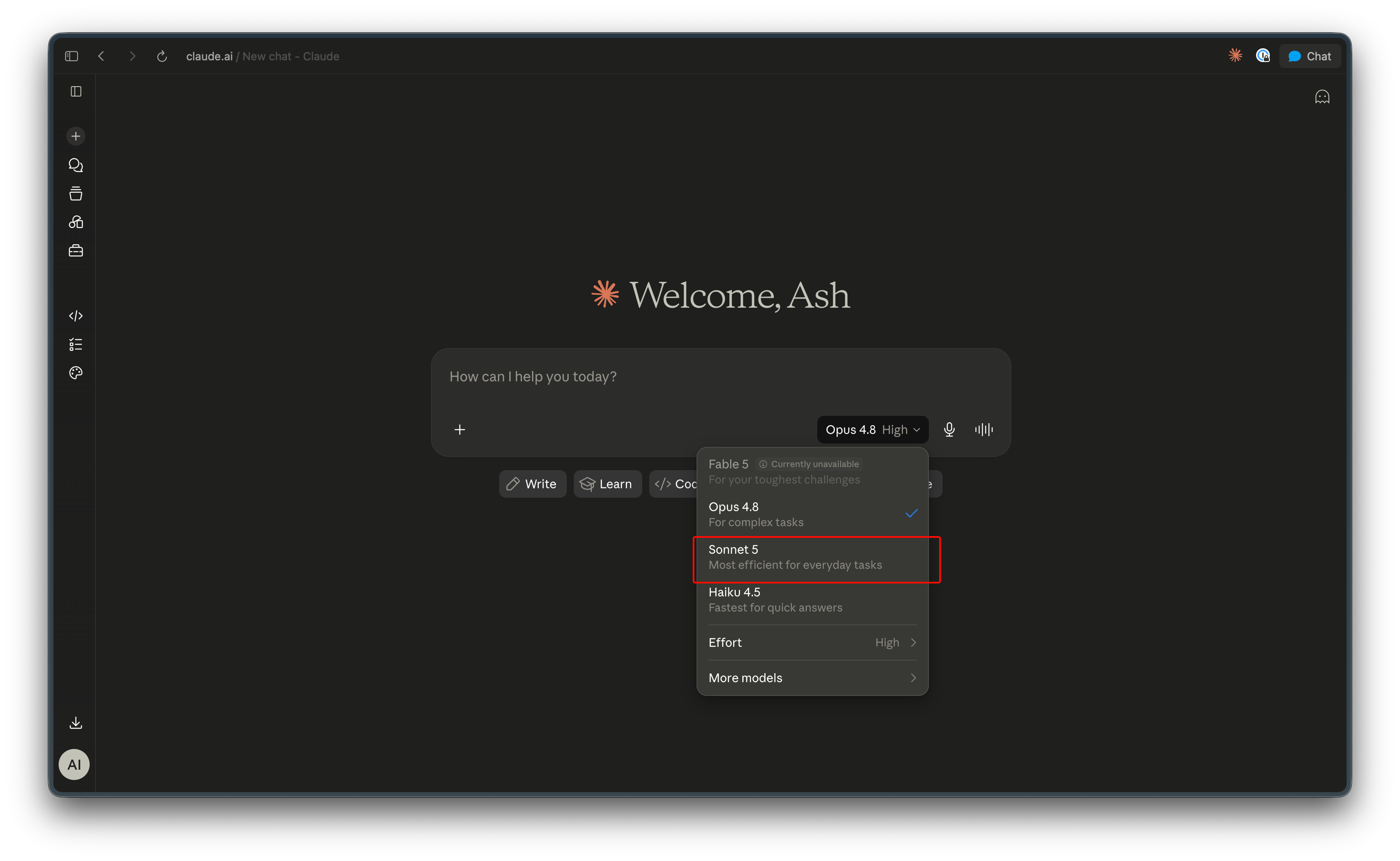
You get the same underlying model that paying users get. The difference is usage volume, not intelligence. Anthropic caps free usage with rolling limits that reset over time. If you hit a limit during a busy session, you wait for the window to reset or upgrade.
A few things worth knowing:
- Adaptive thinking is on by default in Sonnet 5. The model decides when to reason more deeply before answering, so you don’t toggle anything.
- The apps carry the 1,000,000-token context window, which is a lot of room for long documents and multi-file code.
- Free-tier limits are lower than Pro, so heavy back-and-forth sessions can exhaust your allowance sooner.
If you want to know exactly where the free ceiling sits versus what Pro unlocks, the breakdown in Claude free vs Pro walks through the tradeoffs.
Free path 2: Claude Code free tier
Claude Code is Anthropic’s agentic coding tool that runs in your terminal, and Sonnet 5 is available there. There’s a free tier of usage, which makes Sonnet 5 a strong default for agentic coding without an upfront bill.
Sonnet 5 is a good fit for Claude Code because its tool-use performance sits within a few points of Opus 4.8 on the reported launch benchmarks, at a fraction of the cost. On SWE-bench Pro, Anthropic’s launch figures put Sonnet 5 at 63.2% against Opus 4.8’s 69.2%. For agentic coding where the model plans, edits files, and runs commands in a loop, that gap is small.
To use it:
- Install Claude Code and sign in with your Claude account.
- Open the
/modelpicker and select Sonnet 5, or leave it as the default. - Point it at a repository and give it a task.
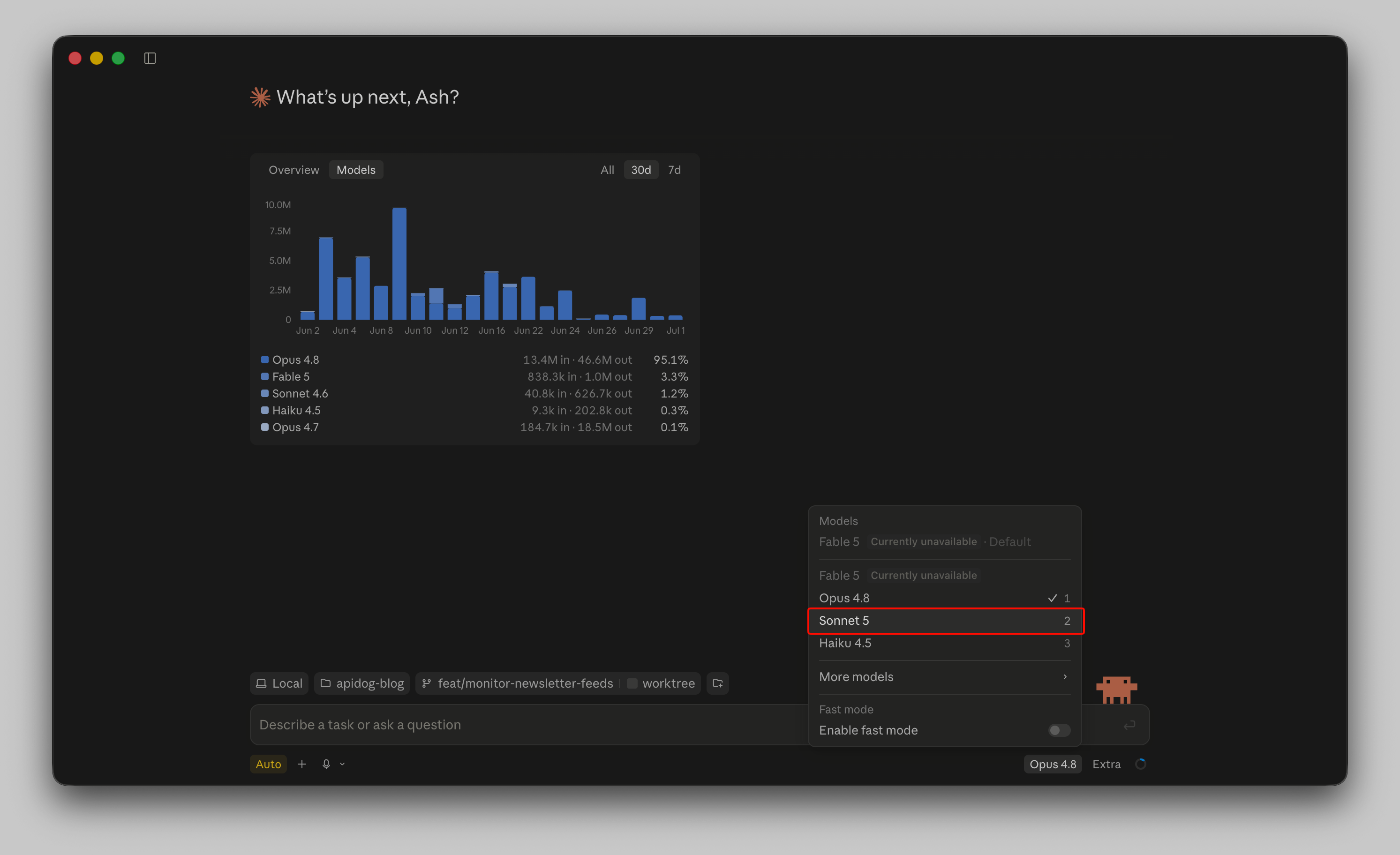
Free-tier usage in Claude Code is metered, so you’ll hit caps if you run large, long-horizon jobs. For a deeper walkthrough of running the model there, see how to use Claude Sonnet 5 in Claude Code. Note that thinking is on by default here too, which uses tokens even before the model writes a response, so a “quick” task can consume more of your allowance than you’d expect.
Free path 3: legitimately free API routes
The Claude API model ID is claude-sonnet-5, available to all API customers. The API itself is pay-as-you-go, but there are honest ways to run it without paying up front.
- Anthropic account trial credits. New API accounts often start with a small credit balance. That’s enough to prototype, test a handful of prompts, and confirm your integration works before you add a payment method.
- Cloud platform free credits. Sonnet 5 is available through Claude in Amazon Bedrock and the Claude Platform on AWS, through Claude on Vertex AI on Google Cloud, and in preview on Microsoft Foundry. New accounts on these clouds frequently include promotional credits you can spend against Claude usage. Read each platform’s current offer directly; the amounts and terms change.
Whatever the source, the credits run out. When they do, you pay standard rates. Sonnet 5 has an introductory price of $2 per million input tokens and $10 per million output tokens through August 31, 2026, moving to $3 / $15 after that. For the full cost picture, including a tokenizer catch that affects real spend, see Claude Sonnet 5 pricing.
One budgeting note that trips people up: Sonnet 5 uses a new tokenizer that produces roughly 30% more tokens for the same input text than Sonnet 4.6 did. Your free trial credits therefore stretch across less text than an equivalent 4.6 balance would have. Count tokens against Sonnet 5 itself rather than reusing old estimates.
Other Anthropic models have similar free stories. If you’re comparing options, how to use Claude Opus 4.8 for free and the older use Claude Sonnet 4.5 free cover the same terrain for their respective models.
Testing the free API with Apidog
Once you have any working key, trial or otherwise, you’ll want to send real requests and confirm the response shape before wiring the model into an app. This is where an API client earns its place. Apidog lets you send the request, save it in a reusable collection, store your key as an environment variable so it never sits in plain text, and add automated assertions.
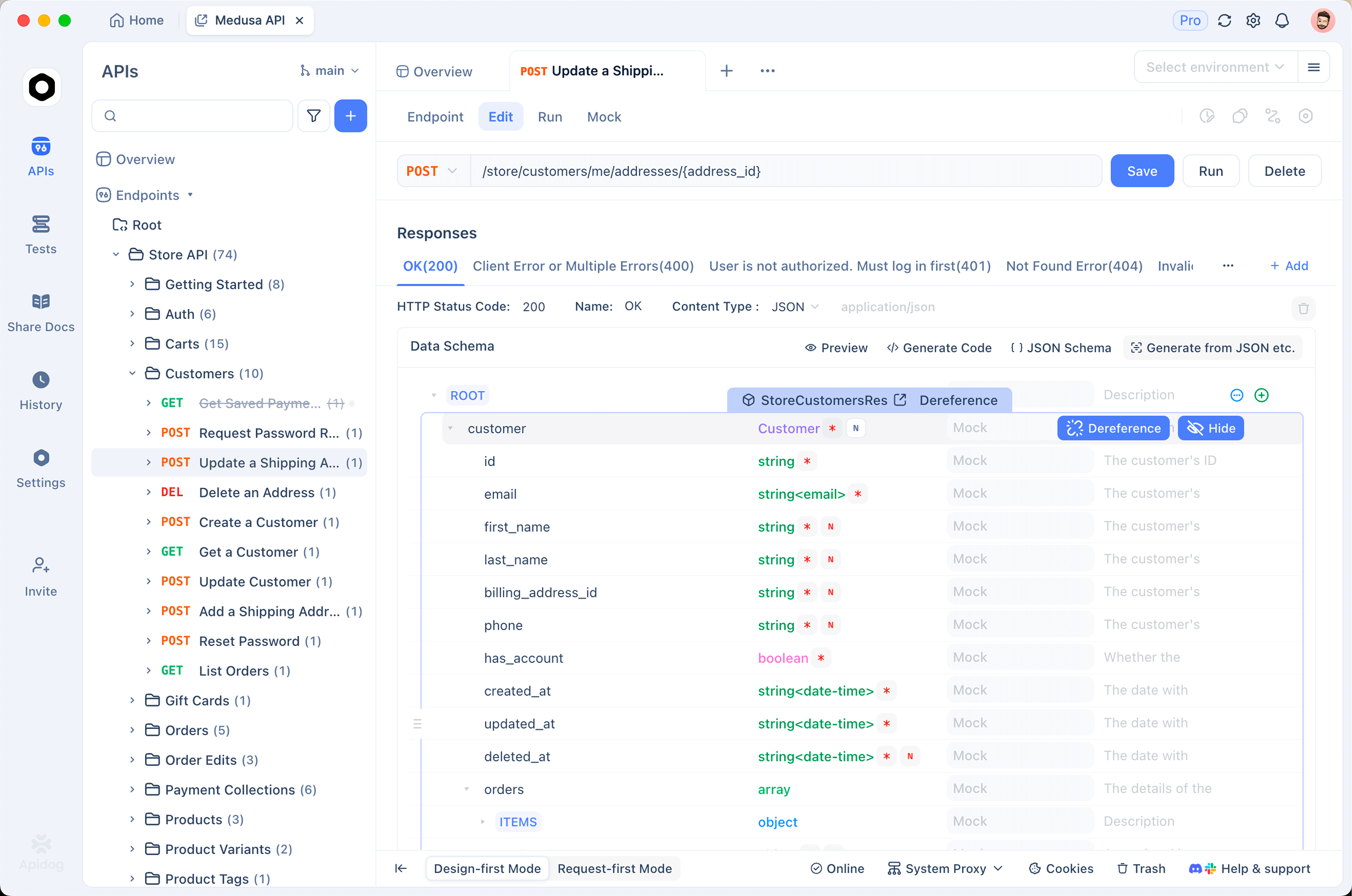
Here’s the shape of a first Sonnet 5 call to the Anthropic Messages API:
curl https://api.anthropic.com/v1/messages \
  --header "x-api-key: $ANTHROPIC_API_KEY" \
  --header "anthropic-version: 2023-06-01" \
  --header "content-type: application/json" \
  --data '{
    "model": "claude-sonnet-5",
    "max_tokens": 1024,
    "messages": [
      {"role": "user", "content": "Summarize the OpenAPI 3.1 spec in three sentences."}
    ]
  }'
In Apidog, you’d create a POST request to that endpoint, set the three headers, and reference your key as {{ANTHROPIC_API_KEY}} from an environment variable. Save it to a collection so every teammate runs the exact same request. Then add an assertion, for example that the response stop_reason equals "end_turn", so you catch behavior changes automatically.
Two Sonnet 5 details worth testing early while your credits are cheap:
- Sampling parameters are rejected. Setting
temperature,top_p, ortop_kto a non-default value returns a 400 error. Leave them out. A saved Apidog request makes it easy to verify your payload is clean. - A refusal is not an error. If a request touches a prohibited cyber topic, Sonnet 5 can decline. That refusal returns as a successful HTTP 200 with
stop_reason: "refusal", not a 4xx. Your test assertions should account for that so a legitimate refusal doesn’t read as a broken integration.
When you’re ready to build against the API for real, Download Apidog and follow the full walkthrough in how to use the Claude Sonnet 5 API. If you’ve been living in Postman, the migration notes in API testing without Postman show what changes.
Which free path fits you
| Goal | Best free path | The catch |
|---|---|---|
| Chat, writing, research | Claude web/mobile app | Rolling usage limits reset over time |
| Agentic coding in a terminal | Claude Code free tier | Metered; long jobs hit caps fast |
| Prototyping an integration | API trial or cloud credits | Credits run out, then you pay per token |
If you just want to use the model, the app is the answer and you’re done. If you’re a developer, start with trial credits, save your requests in Apidog, and move to paid usage once you know the integration works.
Developers who need stronger reasoning or a longer context window can check the free access options for Claude Opus 5 to see whether upgrading makes sense before committing to a paid plan.
FAQ
Is Claude Sonnet 5 really free to use? Yes, through the Claude apps. Sonnet 5 is the default model on the free Claude plan at claude.ai and is available in the Claude Code free tier. You get the same model paying users get, with lower usage limits. Free API access is limited to trial and promotional credits that eventually run out.
Do I need a credit card to try Sonnet 5? Not for the free Claude app. You just sign in. For the API, a new account may include a small trial credit balance you can spend before adding a payment method, but continued API use is pay-as-you-go.
What are the free-tier limits? Anthropic caps free usage with rolling limits that reset over time, and the free ceiling is lower than Pro. Exact numbers change, so check your account. The comparison in Claude free vs Pro explains what upgrading unlocks.
Can I get a free Claude API key from a third-party site? No. Skip any site offering shared or “free” API keys. It violates Anthropic’s terms, the keys get revoked, and you lose control of your data. Use your own trial credits or legitimate cloud promotional credits instead. For legitimate options, see free Claude API access.
Why do my free API credits run out faster than expected? Sonnet 5 uses a new tokenizer that generates roughly 30% more tokens for the same text than Sonnet 4.6. Since you’re billed per token, an equivalent request costs more, so a fixed credit balance covers less text. Count tokens against Sonnet 5 directly.