TL;DR
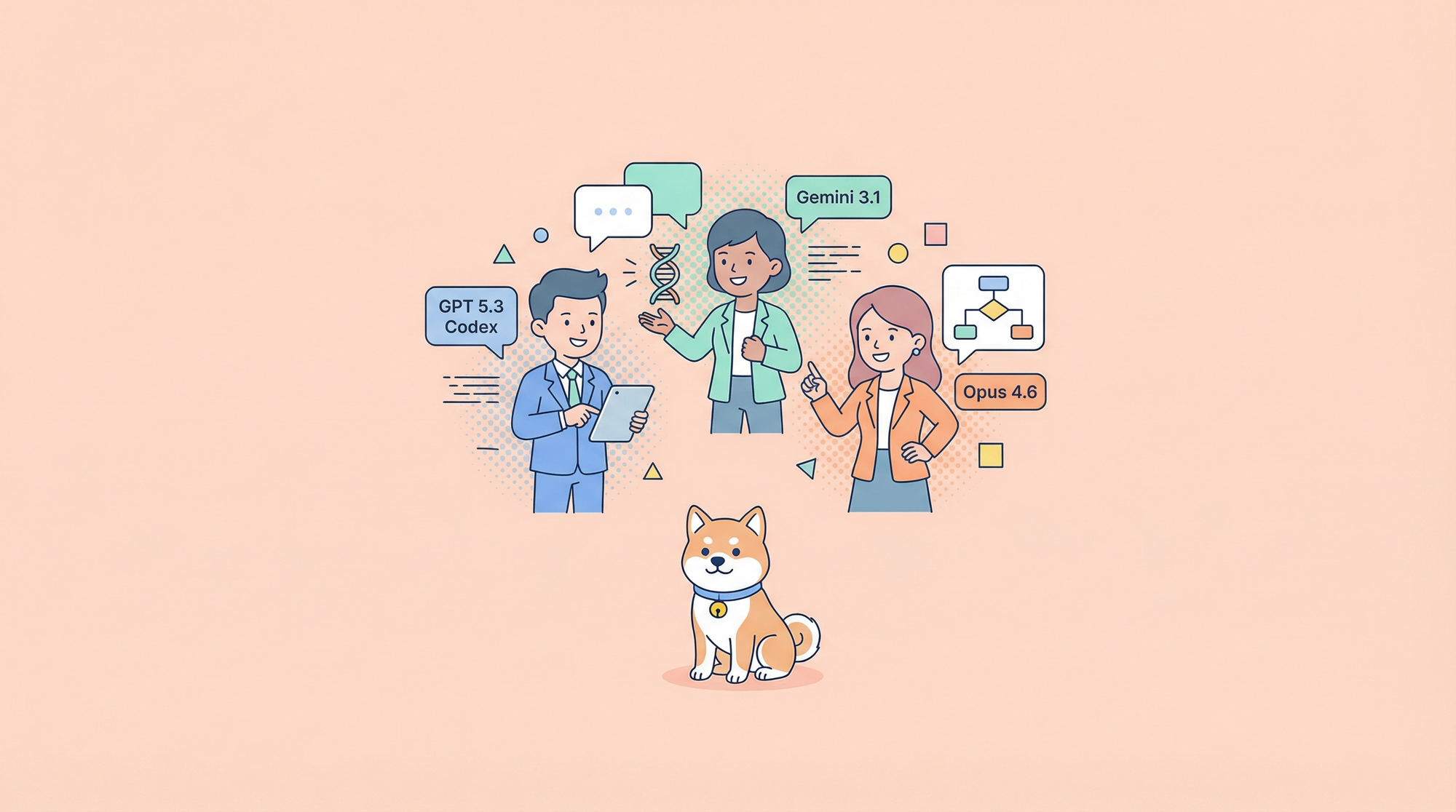
February 2026 brought three cutting-edge AI models: Gemini 3.1 Pro , Claude Opus 4.6 , and GPT-5.3 Codex . No single model dominates all use cases—each excels in specific areas:
- Gemini 3.1 Pro: Leads on reasoning benchmarks (77.1% ARC-AGI-2) and algorithmic coding at 7x lower cost ($2/$12 per million tokens)
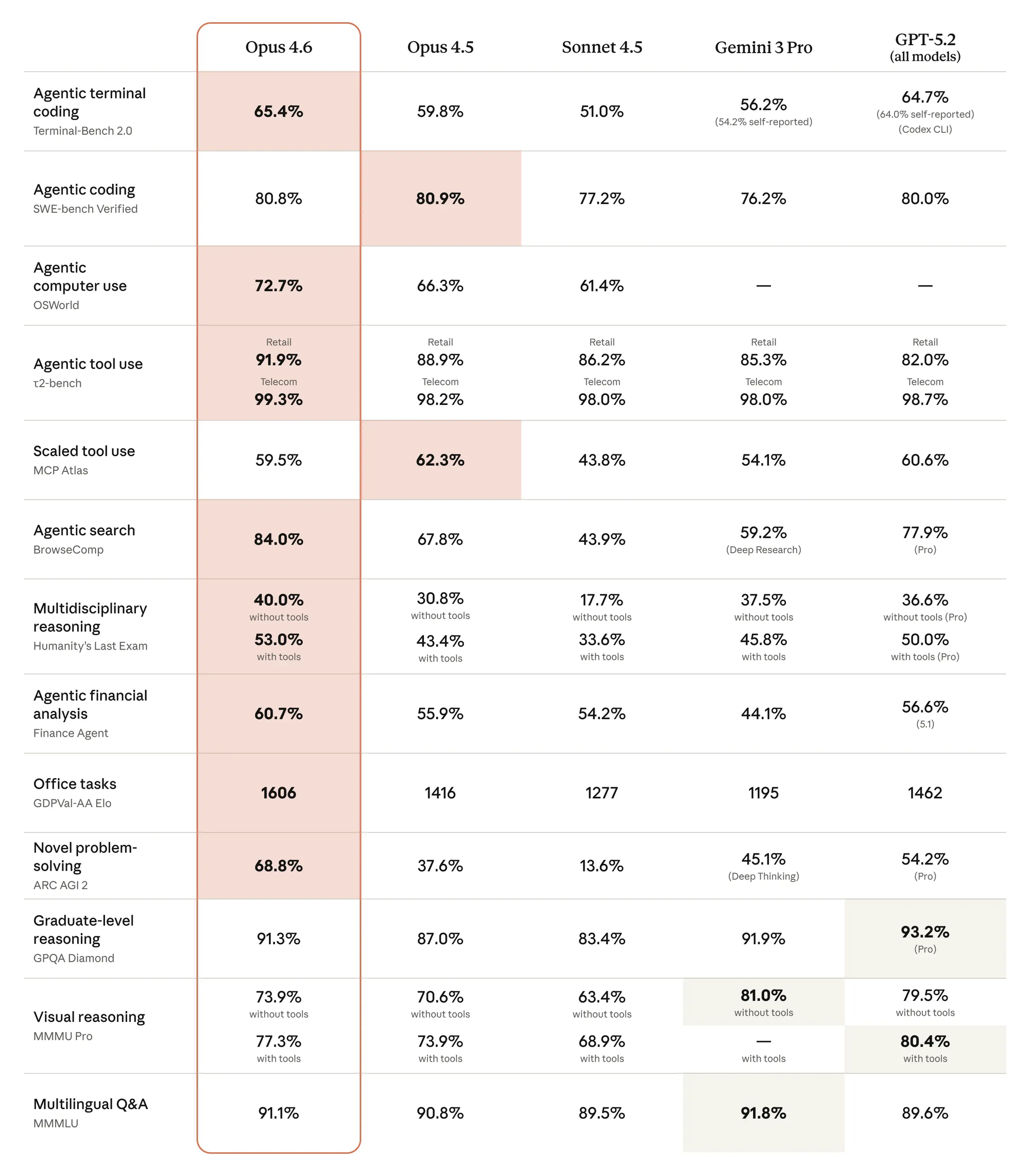
- Claude Opus 4.6: Highest on real-world coding tasks (80.8% SWE-Bench Verified) with unique Agent Teams feature
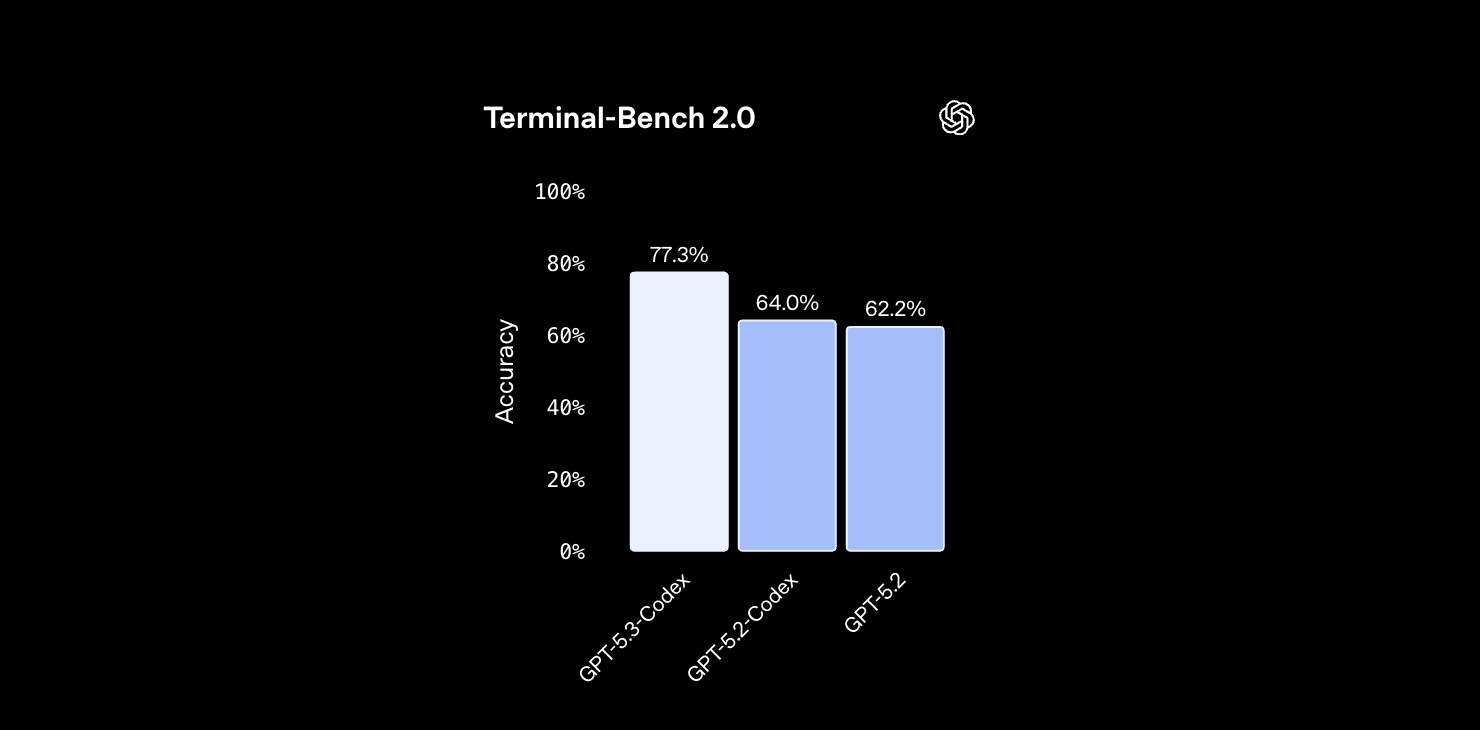
- GPT-5.3 Codex: Dominates terminal workflows (77.3% Terminal-Bench 2.0) with interactive steering and 25% faster inference
Introduction
February 2026 will be remembered as the month AI labs stopped competing on benchmarks and started competing on developer workflows. In just 15 days, three major labs released four flagship models—Claude Opus 4.6 (Feb 5), GPT-5.3 Codex (Feb 5), and Gemini 3.1 Pro (Feb 19)—each claiming to be the "most capable" model for coding and development.
For developers, this creates a practical problem: Which model should you actually use? The answer isn't simple, because unlike previous generations where one model clearly led, these three models each dominate different slices of the development workflow.
In this guide, we'll cut through the marketing claims with real benchmark data, pricing analysis, and practical use cases. We'll also show you how to test and integrate these AI model APIs using Apidog's unified workspace, so you can evaluate all three models in your actual development environment before committing to one.
By the end, you'll know exactly which model to choose for your specific coding tasks—or whether you should use multiple models together.
The February 2026 AI Model Rush
The release timeline tells the story of an unprecedented competitive sprint:
- February 5, 2026: Anthropic launches Claude Opus 4.6 with Agent Teams and 1M context window (beta)
- February 5, 2026: OpenAI releases GPT-5.3 Codex just hours later, emphasizing interactive steering
- February 19, 2026: Google enters with Gemini 3.1 Pro, claiming "13 out of 16 wins" on benchmarks
This wasn't coincidental. Each lab positioned their model as the answer to agentic coding—AI that doesn't just suggest code but plans, executes, and debugs entire projects autonomously.
The strategic timing mattered because these models target the same high-value users: professional developers, dev tool companies building AI features, and enterprises automating software development. The question shifted from "can AI write code?" to "which AI writes code you can actually ship?"
Benchmark Performance Deep Dive
Let's examine how these models perform across industry-standard coding benchmarks:
ARC-AGI-2: Abstract Reasoning
Winner: Gemini 3.1 Pro (77.1%)
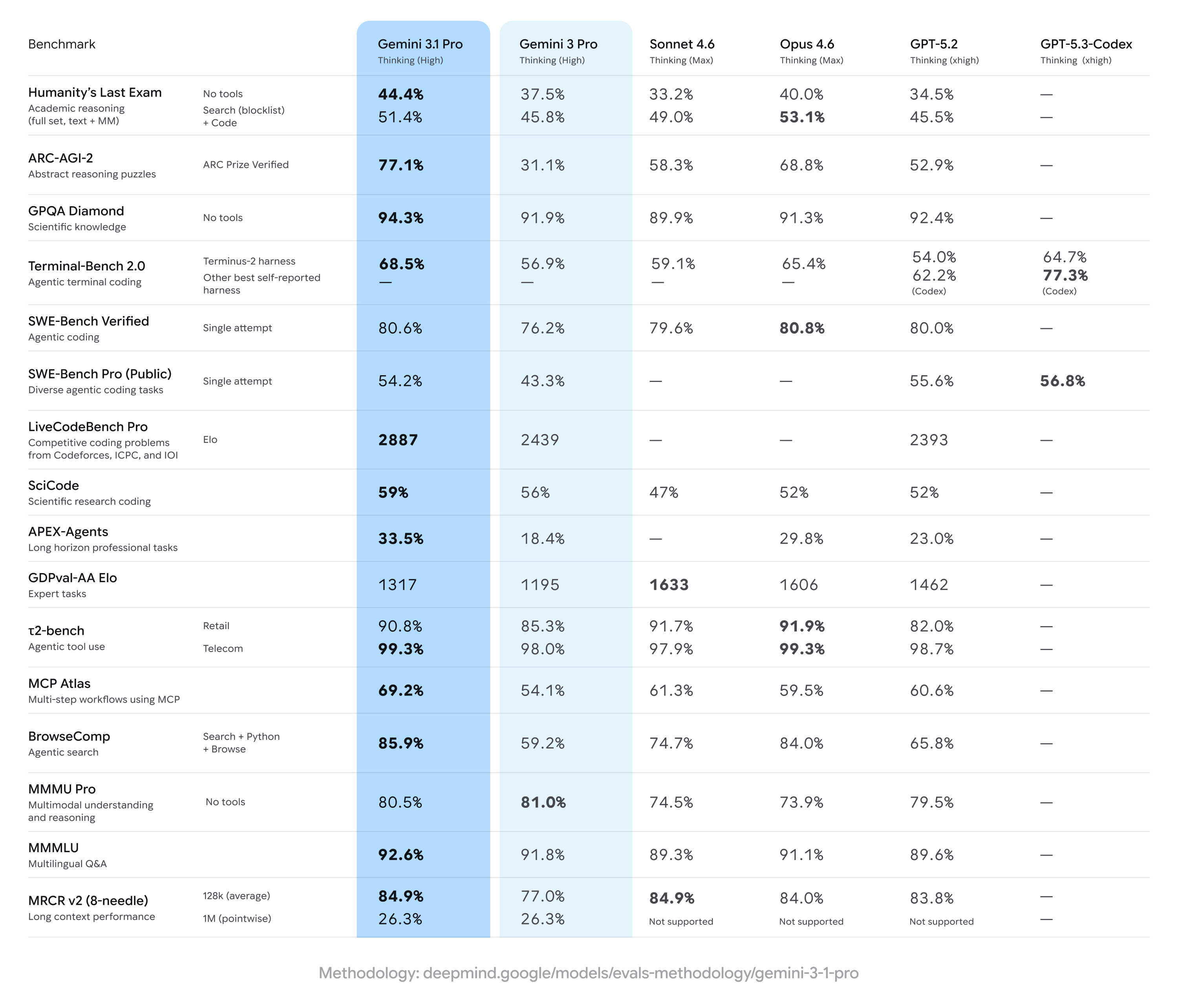
The ARC-AGI-2 benchmark tests abstract reasoning—the ability to solve novel logic patterns without prior training. Gemini 3.1 Pro's score of 77.1% represents a massive jump from Gemini 3 Pro's 31.1%, demonstrating Google's focus on reasoning improvements.
- Gemini 3.1 Pro: 77.1%
- Claude Opus 4.6: 68.8%
- GPT-5.2: 52.9% (GPT-5.3 Codex scores not yet published for ARC-AGI-2)
This matters for competitive programming and algorithm design, where you need to solve unfamiliar problems rather than apply known patterns.
SWE-Bench: Real-World Software Engineering
Winner: Claude Opus 4.6 (80.8% on Verified)
SWE-Bench tests whether models can resolve real GitHub issues in popular Python repositories. This is the closest proxy we have for real-world software engineering tasks.
- Claude Opus 4.6: 80.8% (SWE-Bench Verified)
- GPT-5.3 Codex: 56.8% (SWE-Bench Pro Public)
- Gemini 3.1 Pro: 54.2% (SWE-Bench Pro Public)
Note: These use different SWE-Bench variants, so direct comparison requires caution. The "Verified" subset is smaller but higher-quality than "Pro Public."
Terminal-Bench 2.0: Command-Line Workflows
Winner: GPT-5.3 Codex (77.3%)
Terminal-Bench evaluates models on terminal-based development tasks—debugging, system administration, git operations, and build systems.
- GPT-5.3 Codex: 77.3% (with Codex harness)
- Gemini 3.1 Pro: 68.5%
- Claude Opus 4.6: Data not widely published
Codex's dominance here reflects OpenAI's specific optimization for interactive terminal workflows.
LiveCodeBench: Competitive Coding
Winner: Gemini 3.1 Pro (2887 Elo)
LiveCodeBench uses an Elo rating system for competitive programming challenges, updated continuously to prevent training data contamination.
- Gemini 3.1 Pro: 2887 Elo
- GPT-5.2: ~2650 Elo (estimated from earlier benchmarks)
- Claude Opus 4.6: Data not emphasized in releases
GPQA Diamond: Graduate-Level Science Questions
Winner: Gemini 3.1 Pro (94.3%)
While not coding-specific, GPQA Diamond tests expert-level knowledge across physics, biology, and chemistry—relevant for scientific computing applications.
- Gemini 3.1 Pro: 94.3%
- GPT-5.2: 92.4%
- Claude Opus 4.6: 91.3%
GDPval-AA: Expert Task Performance (Elo Ratings)
Winner: Claude Sonnet 4.6 (1633 Elo, though we're comparing Opus 4.6)
This human-evaluated benchmark measures quality on expert tasks. Claude Opus 4.6 scores 1606 Elo, while Gemini 3.1 Pro achieves 1317 Elo—suggesting Claude produces more polished, contextually appropriate outputs.
Summary: Different Models, Different Strengths
The benchmark data reveals a clear pattern:
- Gemini 3.1 Pro dominates pure reasoning and algorithmic tasks
- Claude Opus 4.6 excels at real-world software engineering with human-preferred output quality
- GPT-5.3 Codex specializes in terminal workflows and interactive debugging
There's no single "best" model—your choice depends on your specific workflow.
Pricing & Cost Analysis
Cost matters when you're making thousands of API calls daily. Here's how the pricing stacks up:
Token Pricing Comparison
| Model | Input Tokens | Output Tokens | Long Context Premium |
|---|---|---|---|
| Gemini 3.1 Pro | $2 per million | $12 per million | $4/$18 (200K-1M tokens) |
| Claude Opus 4.6 | $5 per million | $25 per million | $10/$37.50 (>200K tokens) |
| GPT-5.3 Codex | Not yet announced | Not yet announced | TBD |
Key Insight: Gemini 3.1 Pro is 7x cheaper than Claude Opus 4.6 on a per-request basis for standard prompts under 200K tokens.
Real-World Cost Examples
Let's calculate costs for common development tasks:
Task 1: Code Review (3,000 input tokens, 800 output tokens)
- Gemini 3.1 Pro: $0.006 + $0.0096 = $0.0156
- Claude Opus 4.6: $0.015 + $0.020 = $0.035
- GPT-5.3 Codex: TBD
Task 2: Refactoring Large File (15,000 input tokens, 12,000 output tokens)
- Gemini 3.1 Pro: $0.030 + $0.144 = $0.174
- Claude Opus 4.6: $0.075 + $0.300 = $0.375
- GPT-5.3 Codex: TBD
Task 3: Long-Context Repository Analysis (500,000 input tokens, 3,000 output tokens)
- Gemini 3.1 Pro: $2.00 + $0.054 = $2.054
- Claude Opus 4.6: $5.00 + $0.112 = $5.112
- GPT-5.3 Codex: TBD
Value for Money Analysis
While Gemini 3.1 Pro offers the lowest per-token cost, cost per task depends on efficiency:
- If Claude Opus 4.6 completes a task correctly in one attempt while Gemini 3.1 Pro requires three iterations, Claude may be cheaper overall
- Token usage varies—some models generate more verbose code or explanations
- Long-context discounts favor Gemini for repository-scale analysis
Recommendation: Start with Gemini 3.1 Pro for cost-sensitive workflows, but track completion rates to calculate true cost-per-successful-task.
Key Features & Capabilities
Beyond benchmarks and pricing, each model offers unique features that change how you work:
Gemini 3.1 Pro Features
1 Million Token Context Window (Standard)
Gemini 3.1 Pro's 1M token context is available without beta access, allowing you to:
- Load entire codebases for comprehensive analysis
- Process 900 images, 8.4 hours of audio, or 1 hour of video in a single prompt
- Maintain conversation history across complex debugging sessions
The output limit is 65,536 tokens—sufficient for generating complete modules.
Multimodal Reasoning
Unlike text-focused coding models, Gemini 3.1 Pro handles:
- Wireframe images → working code
- Architecture diagrams → implementation
- Video walkthroughs → functional requirements
This matters for design-driven development workflows.
Google Ecosystem Integration
Native integration with:
- Vertex AI for enterprise deployment
- Google Cloud services
- NotebookLM for documentation
- GitHub Copilot (in preview as of Feb 19, 2026)
Transformer Mixture-of-Experts Architecture
The three-tier thinking system optimizes for deep reasoning—evident in the ARC-AGI-2 score improvement.
Claude Opus 4.6 Features
Agent Teams (Paradigm Shift)
Claude Opus 4.6 introduces Agent Teams—multiple Claude instances collaborating on a task with distinct roles (planner, executor, reviewer). This has no direct equivalent in OpenAI or Google's offerings.
Use cases:
- One agent generates code while another writes tests
- Parallel exploration of multiple solution approaches
- Automatic code review before presenting to humans
Adaptive Thinking Mode
Opus 4.6 spends variable time "thinking" before responding, similar to o1-style reasoning. You see a thinking indicator while it plans the approach, then receives a more thought-through solution.
This reduces iterations on complex problems.
1 Million Token Context (Beta) + 128K Output
While Gemini offers 1M input tokens standard, Claude's 128K output capacity enables:
- Generating complete applications in one response
- Long-form documentation generation
- Comprehensive refactoring of large modules
The 1M context is currently in beta but available to API users.
Extended Thinking on Demand
You can request "extended thinking" for tasks requiring deep planning, trading latency for solution quality.
GPT-5.3 Codex Features
Interactive Steering
Unlike traditional LLMs that complete your prompt and stop, GPT-5.3 Codex supports mid-execution steering:
- You can course-correct while it's working
- Provide feedback without losing context
- Iteratively refine the approach in real-time
This feels more like pair programming than prompt engineering.
Self-Bootstrapping Sandboxes
Codex can spin up isolated environments, test its own code, and debug failures autonomously—reducing the feedback loop from minutes to seconds.
25% Faster Inference
OpenAI optimized GPT-5.3 Codex for speed, making it noticeably snappier than GPT-5.2 while maintaining quality.
Deep Diffs
Codex generates contextual diffs that explain not just what changed but why, making code review and Git workflows more efficient.
First Self-Improving Model
GPT-5.3 Codex is OpenAI's first model where early versions helped debug its own training, manage deployment, and diagnose test results—an interesting milestone in AI development.
Testing AI Model APIs with Apidog
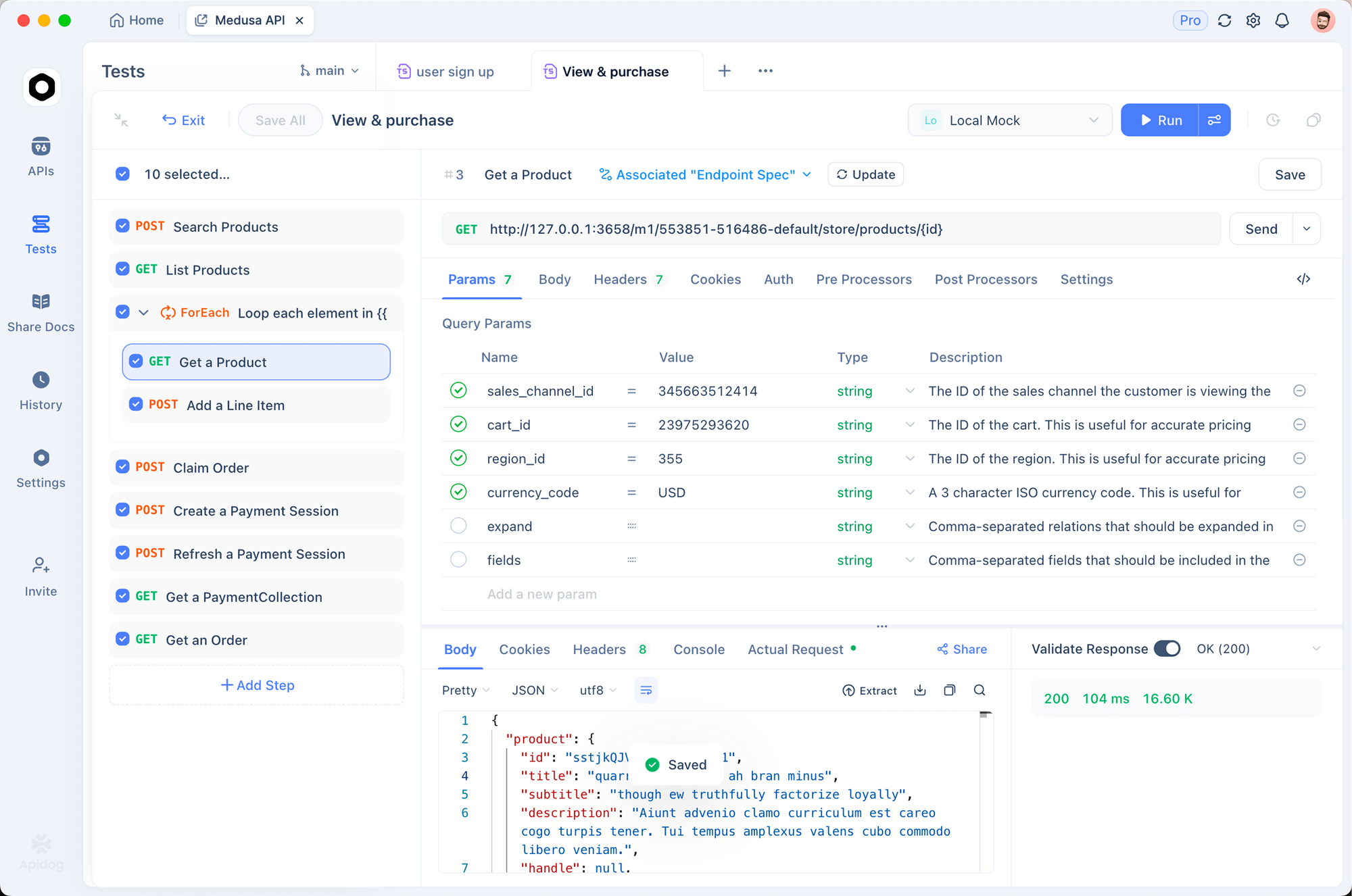
If you're serious about choosing the right AI model, you need to test them with your actual use cases. Apidog's unified workspace makes it easy to compare all three models side-by-side.
Why Test AI Model APIs?
- Response time varies significantly across providers
- Token usage differs—some models are more verbose
- Output quality is subjective; test with your specific prompts
- Error rates and edge case handling vary
- Rate limits and quotas differ by provider
Setting Up AI Model Endpoints in Apidog
Here's how to configure all three models in a single Apidog workspace:
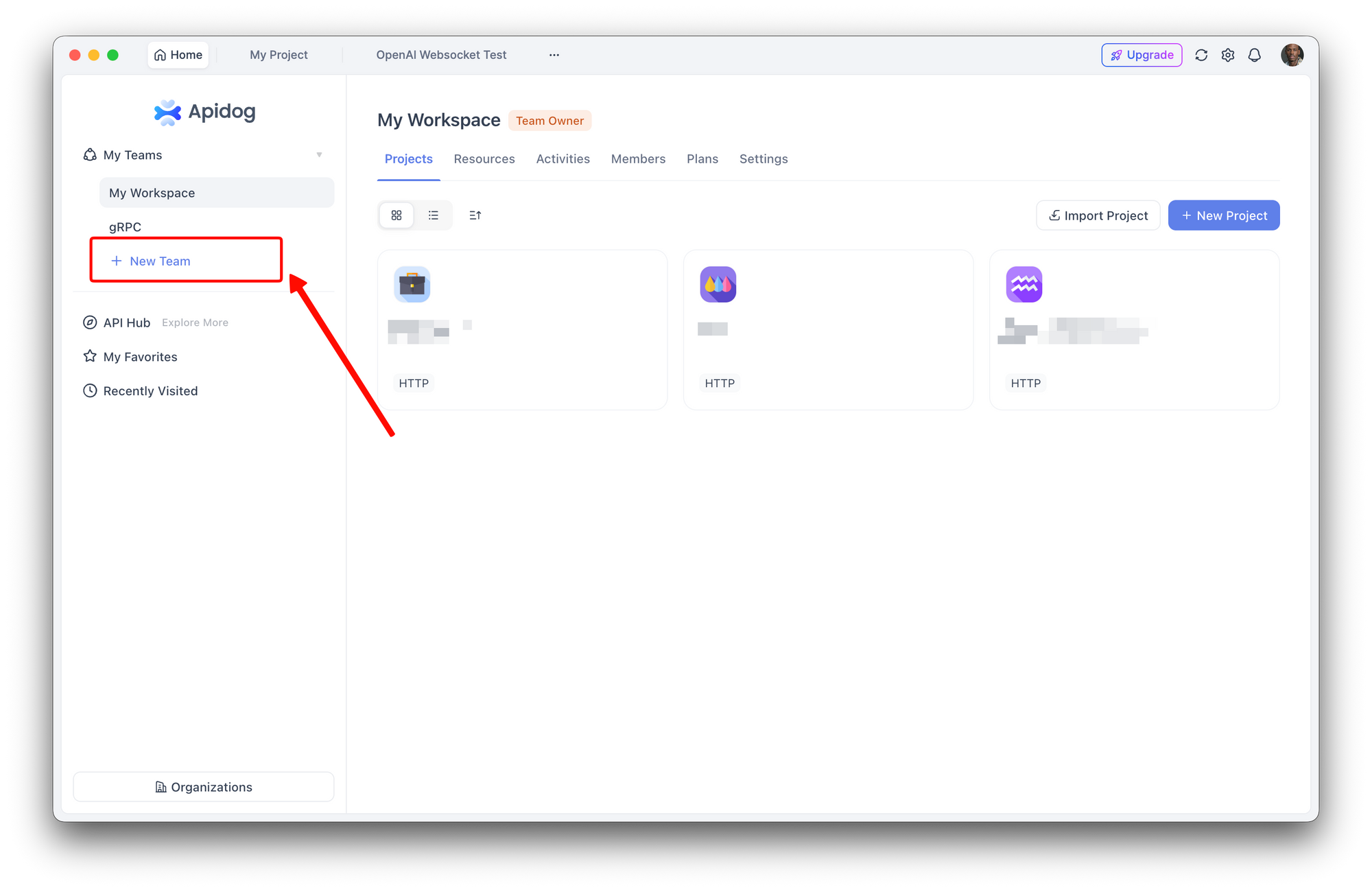
Step 1: Create a New Workspace
In Apidog, create a workspace named "AI Models Comparison" to organize your test requests.
Step 2: Set Up Environment Variables
Navigate to Environments → Create environment variables for each API key:
GEMINI_API_KEY=your_google_api_key_here
CLAUDE_API_KEY=your_anthropic_api_key_here
OPENAI_API_KEY=your_openai_api_key_here
This keeps credentials secure and makes it easy to switch between development and production keys.
Step 3: Add Gemini 3.1 Pro Endpoint
Create a new POST request:
URL: https://generativelanguage.googleapis.com/v1beta/models/gemini-3.1-pro:generateContent
Headers:
  x-goog-api-key: {{GEMINI_API_KEY}}
  Content-Type: application/json

Body:
{
  "contents": [{
    "parts": [{
      "text": "Write a Python function to check if a number is prime."
    }]
  }],
  "generationConfig": {
    "temperature": 0.7,
    "maxOutputTokens": 2048
  }
}
Step 4: Add Claude Opus 4.6 Endpoint
Create a new POST request:
URL: https://api.anthropic.com/v1/messages
Headers:
  x-api-key: {{CLAUDE_API_KEY}}
  anthropic-version: 2023-06-01
  Content-Type: application/json

Body:
{
  "model": "claude-opus-4-6-20260205",
  "max_tokens": 2048,
  "messages": [{
    "role": "user",
    "content": "Write a Python function to check if a number is prime."
  }]
}
Step 5: Add GPT-5.3 Codex Endpoint
Create a new POST request:
URL: https://api.openai.com/v1/chat/completions
Headers:
  Authorization: Bearer {{OPENAI_API_KEY}}
  Content-Type: application/json

Body:
{
  "model": "gpt-5.3-codex",
  "messages": [{
    "role": "user",
    "content": "Write a Python function to check if a number is prime."
  }],
  "temperature": 0.7,
  "max_tokens": 2048
}
Comparing Response Quality
With all three endpoints configured, you can:
- Send identical prompts to each model
- Compare response times in Apidog's response panel
- Analyze token usage from response headers
- Evaluate code quality side-by-side
- Track costs using token counts and pricing data
Pro Tip: Use Apidog's test scenarios to automate this comparison across multiple prompts, giving you statistically meaningful quality data.
Monitoring Token Usage and Costs
Add post-request scripts to calculate costs automatically:
// Example for Gemini 3.1 Pro
const inputTokens = pm.response.json().usageMetadata.promptTokenCount;
const outputTokens = pm.response.json().usageMetadata.candidatesTokenCount;
const cost = (inputTokens * 0.000002) + (outputTokens * 0.000012);

console.log(`Tokens used: ${inputTokens} input, ${outputTokens} output`);
console.log(`Estimated cost: $${cost.toFixed(4)}`);
This gives you real-time cost awareness while testing.
Use Case Recommendations
After analyzing benchmarks, features, and developer feedback, here's when to use each model:
Use Gemini 3.1 Pro For:
Algorithmic Coding & Competitive Programming
- LeetCode-style problems
- Algorithm optimization
- Mathematical computations
- Data structure implementations
Reason: Highest ARC-AGI-2 and LiveCodeBench scores demonstrate superior reasoning for novel problems.
Large Codebase Analysis
- Repository-wide refactoring
- Dependency analysis
- Architecture reviews
- Security audits
Reason: 1M token context window (standard, not beta) + lowest cost for long-context tasks.
Multimodal Development
- Converting designs to code
- Analyzing architecture diagrams
- Video-to-requirements extraction
- Screenshot debugging
Reason: Native multimodal support across images, audio, and video.
Cost-Sensitive Projects
- High-volume API calls
- Prototyping and experimentation
- Educational use cases
- Budget-conscious startups
Reason: $2/$12 per million tokens is 7x cheaper than Claude Opus 4.6.
Use Claude Opus 4.6 For:
Greenfield Projects & Creative Work
- New feature development
- UI/UX implementation
- Architecture design
- API design
Reason: Developers report Claude produces more "polished and contextually appropriate" code for creative tasks.
Complex Multi-Step Tasks
- Large refactoring projects
- Migration between frameworks
- System design
- End-to-end feature implementation
Reason: Agent Teams and adaptive thinking mode handle complex planning better.
Long-Form Code Generation
- Complete application generation
- Comprehensive documentation
- Full module implementations
- Test suite creation
Reason: 128K output token limit enables generating complete applications in one response.
Quality Over Speed
- Production code
- Customer-facing features
- Mission-critical systems
- Code you'll maintain long-term
Reason: Human evaluators consistently prefer Claude's output quality (GDPval-AA: 1606 Elo).
Use GPT-5.3 Codex For:
Terminal & Command-Line Workflows
- Shell scripting
- CI/CD pipeline configuration
- DevOps automation
- System administration tasks
Reason: 77.3% Terminal-Bench 2.0 score—highest by significant margin.
Code Review & Analysis
- Pull request reviews
- Architectural critique
- Security vulnerability scanning
- Finding edge cases
Reason: Deep diff capabilities and code review optimizations.
Interactive Debugging
- Real-time troubleshooting
- Step-by-step debugging
- Performance optimization
- Iterative refinement
Reason: Interactive steering allows mid-execution course correction.
Refactoring Existing Code
- Modernizing legacy codebases
- Dependency updates
- Code cleanup
- Performance improvements
Reason: Excels at understanding existing patterns and applying consistent changes.
Multi-Model Strategies
Many professional developers use multiple models together:
Strategy 1: Model Routing by Task Type
- Claude Opus 4.6 for feature development
- GPT-5.3 Codex for code review
- Gemini 3.1 Pro for algorithmic challenges
Strategy 2: Cost Optimization
- Start with Gemini 3.1 Pro (cheapest)
- Escalate to Claude Opus 4.6 if Gemini fails
- Use Codex for terminal-specific tasks
Strategy 3: Quality Consensus
- Generate solutions with all three models
- Compare outputs
- Choose best or synthesize hybrid approach
Real Developer Experiences
Beyond benchmarks, how are developers actually using these models?
Case Study: Shipping 93,000 Lines in 5 Days
One developer documented using Claude Opus 4.6 to ship 93,000 lines of code in 5 days, including 44 pull requests. The workflow relied on Agent Teams—one agent writing code while another wrote tests and a third reviewed for security issues.
Key Insight: The adaptive thinking mode reduced back-and-forth iterations, allowing more features to ship in the first attempt.
Common Pain Points
Across developer forums and case studies, common themes emerge:
Gemini 3.1 Pro:
- Occasionally produces verbose explanations when you just want code
- Multimodal features require careful prompt engineering
- Less polished outputs on subjective tasks
Claude Opus 4.6:
- Higher cost becomes prohibitive for high-volume use
- 1M context still in beta (not guaranteed availability)
- Slower response times than competitors
GPT-5.3 Codex:
- API access still rolling out (not universally available yet)
- Pricing not announced, creating budgeting uncertainty
- Interactive features require integration work
Switching Patterns
Developers report starting with one model and switching when:
- Cost accumulates: Start with Gemini, switch to Claude for quality-critical tasks
- Task changes: Use Codex for terminal work, Claude for creative development
- Quality isn't adequate: Escalate from cheaper to more expensive models
How to Get Started
Ready to test these models yourself? Here's how to get started with each:
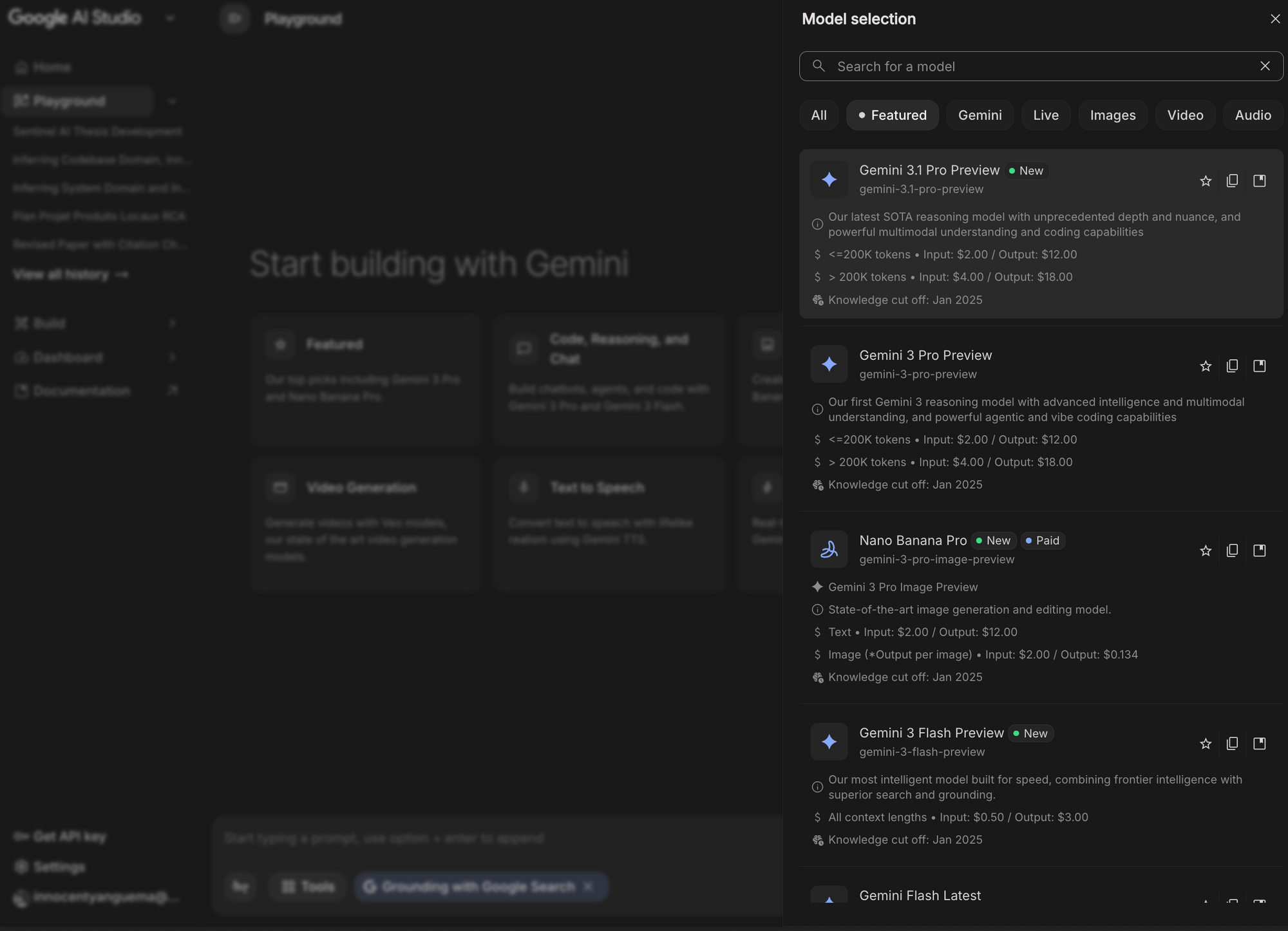
Getting Started with Gemini 3.1 Pro
Access:
- Google AI Studio (web interface)
- Gemini API (requires Google Cloud account)
- Vertex AI (enterprise customers)
- GitHub Copilot (preview, as of Feb 19)
Authentication:
- Visit Google AI Studio
- Create an API key
- Use key in
x-goog-api-keyheader
First API Request:
curl https://generativelanguage.googleapis.com/v1beta/models/gemini-3.1-pro:generateContent \
  -H "x-goog-api-key: YOUR_API_KEY" \
  -H "Content-Type: application/json" \
  -d '{
    "contents": [{
      "parts": [{"text": "Write a Python function to reverse a string."}]
    }]
  }'
Pricing: Pay-as-you-go, $2/$12 per million tokens
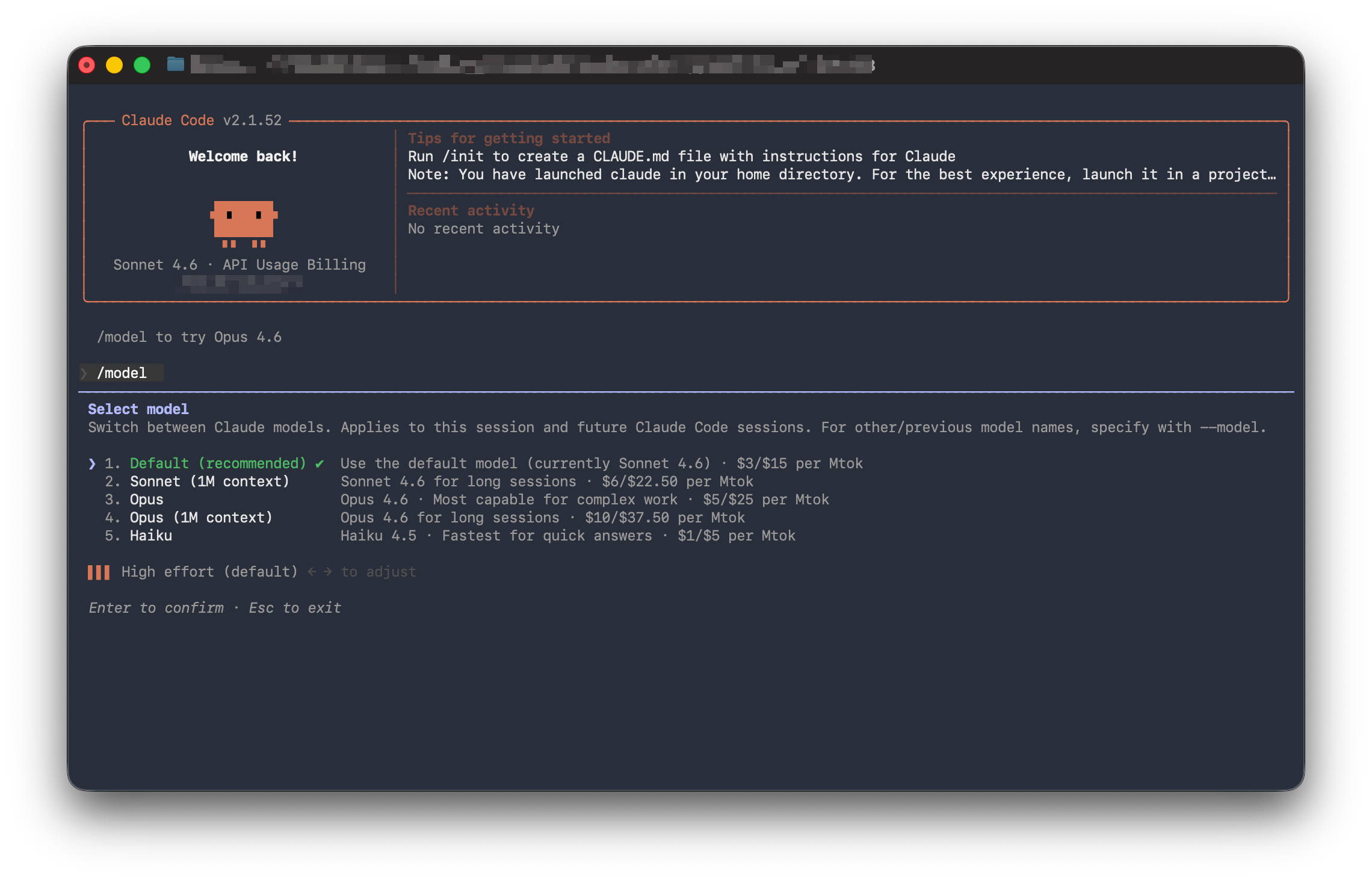
Getting Started with Claude Opus 4.6
Access:
- claude.ai (web interface, free tier available)
- Anthropic API (direct API access)
- AWS Bedrock (AWS customers)
- Google Cloud Vertex AI
- Microsoft Foundry on Azure
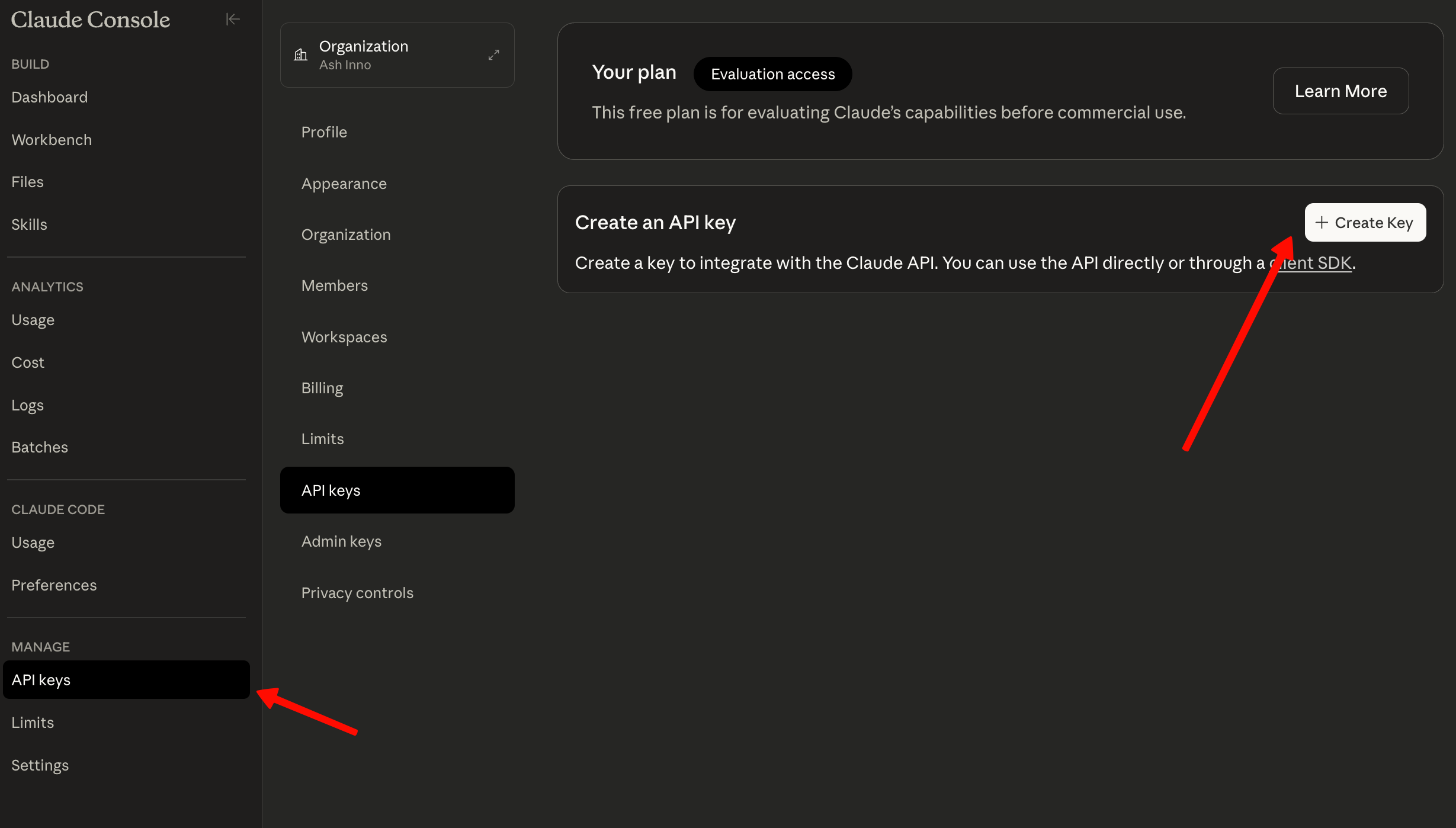
Authentication:
- Visit platform.claude.com
- Generate an API key
- Use key in
x-api-keyheader
First API Request:
curl https://api.anthropic.com/v1/messages \
  -H "x-api-key: YOUR_API_KEY" \
  -H "anthropic-version: 2023-06-01" \
  -H "Content-Type: application/json" \
  -d '{
    "model": "claude-opus-4-6-20260205",
    "max_tokens": 1024,
    "messages": [{
      "role": "user",
      "content": "Write a Python function to reverse a string."
    }]
  }'
Pricing: $5/$25 per million tokens ($10/$37.50 for >200K context)
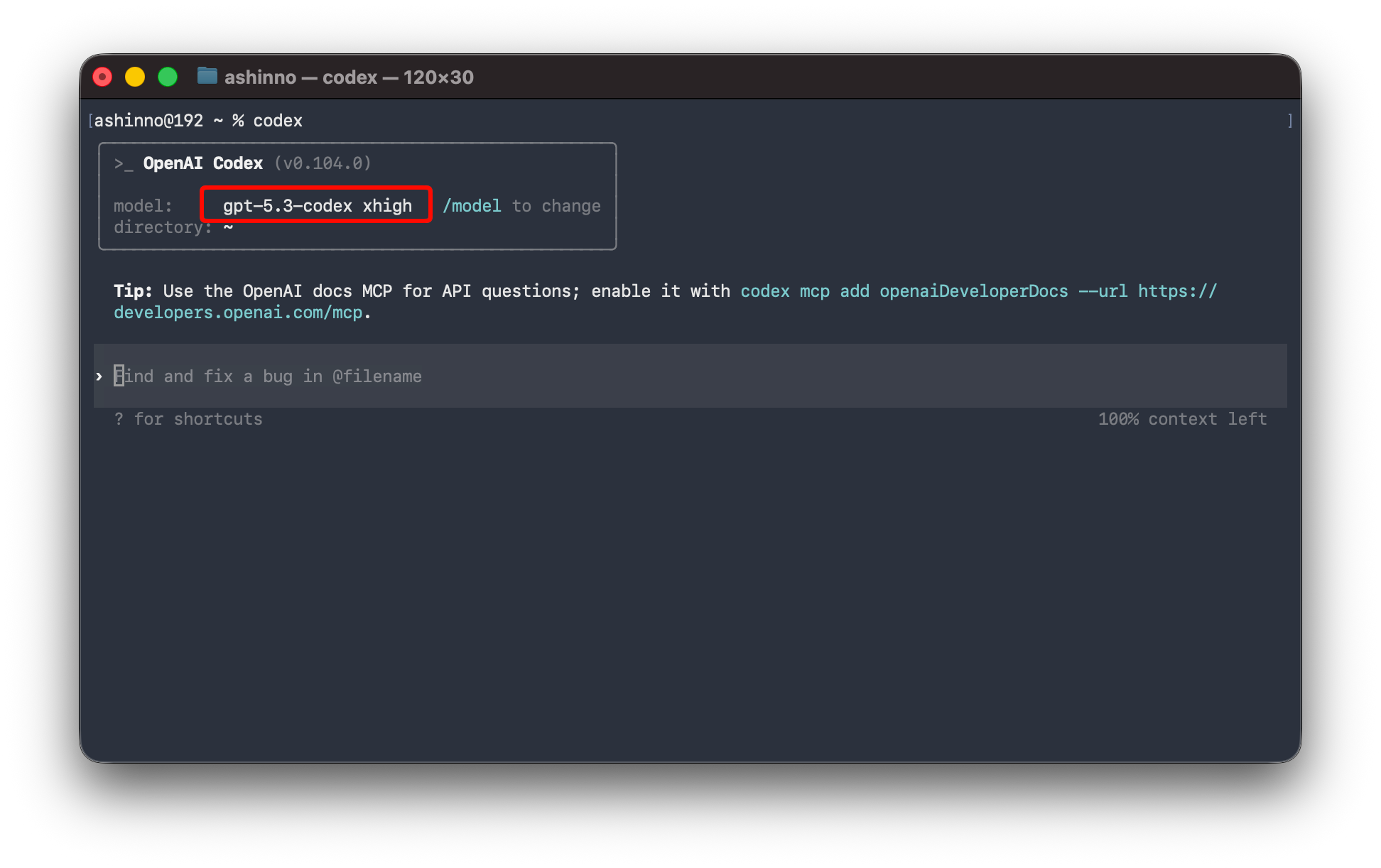
Getting Started with GPT-5.3 Codex
Access:
- ChatGPT Plus (web interface, Codex mode)
- OpenAI API (rolling out, check availability)
- GitHub Copilot (generally available as of Feb 9)
- Codex CLI tool (downloadable from OpenAI)
Authentication:
- Visit platform.openai.com
- Generate an API key
- Use key in
Authorization: Bearerheader
First API Request (when API access available):
curl https://api.openai.com/v1/chat/completions \
  -H "Authorization: Bearer YOUR_API_KEY" \
  -H "Content-Type: application/json" \
  -d '{
    "model": "gpt-5.3-codex",
    "messages": [{
      "role": "user",
      "content": "Write a Python function to reverse a string."
    }]
  }'
Pricing: Not yet announced (currently bundled with ChatGPT Plus for web access)
Testing All Three in Apidog
The fastest way to compare all three models:
- Import the AI Models collection from Apidog's template library (if available)
- Configure environment variables for all three API keys
- Run test scenarios with identical prompts across models
- Compare response times, token usage, and output quality
- Monitor costs using Apidog's cost tracking features
This gives you empirical data to make an informed choice for your specific use case.
Conclusion
The February 2026 AI model releases mark a turning point: we've moved from "which model is best?" to "which model is best for this specific task?"
The verdict:
- Gemini 3.1 Pro is the price-performance champion for reasoning-heavy tasks, offering 7x lower costs with leading benchmark scores on algorithmic coding
- Claude Opus 4.6 is the quality champion for real-world software engineering, with human evaluators consistently preferring its polished, contextually appropriate outputs
- GPT-5.3 Codex is the specialist champion for terminal workflows and interactive debugging, offering unique features like mid-execution steering
Rather than picking one model, professional developers increasingly use multiple models together—routing tasks to the optimal model or using consensus approaches for critical code.
The fastest way to determine which model works best for your workflow is to test all three with your actual use cases. Apidog's unified workspace makes this easy—set up all three API endpoints, configure your API keys once, and send identical prompts to compare response quality, speed, and cost in real-time.
Ready to compare these AI models for your specific use case? Import your existing API collections into Apidog's workspace in 60 seconds and test Gemini 3.1 Pro, Claude Opus 4.6, and GPT-5.3 Codex side-by-side with no code required.
Try Apidog free—no credit card required.