
You can get a free maps API from 12 providers today, but “free” means very different things. Geoapify gives you 3,000 requests a day with no card and allows commercial use. TomTom gives 20,000 geocodes a month with no card. Google Maps gives 10,000 calls per SKU a month but needs a billing account. Nominatim and the US Census Geocoder need no key at all.
Free maps API comparison at a glance
A free maps API is a map, tile or geocoding service you can call at $0 within a published quota. The quota is usually counted per request, per map load or per credit, and resets daily or monthly. Most providers stop serving, or start billing, once you cross it.
| Provider | Free quota (checked 2026-10-22) | Card needed | Commercial use on free tier |
|---|---|---|---|
| Google Maps Platform | 10,000 calls per SKU per month | Yes, billing account | Yes |
| Mapbox | 50,000 web map loads + 100,000 temporary geocodes per month | No (lower demo caps until you add one) | Yes |
| HERE Base plan | 30,000 geocodes + 30,000 tiles per month | Yes, payment method | Yes |
| TomTom | 20,000 geocodes + 200,000 tiles per month | No | Yes |
| Esri ArcGIS Location Platform | 20,000 geocodes + 2,000,000 basemap tiles | Only to go past the free tier | Yes |
| Azure Maps | 5,000 search + 5,000 map tile transactions per month | Yes, for identity check | Yes |
| Geoapify | 3,000 credits per day | No | Yes, with attribution |
| LocationIQ | 5,000 requests per day, 2 per second | Not stated | Limited, with a backlink |
| Geocodio | 2,500 lookups per day | No | Not stated |
| MapTiler Cloud | 5,000 map sessions + 100,000 API requests per month | No | No, non-commercial |
| OSM Nominatim | 1 request per second, no key | No | Light use only |
| US Census Geocoder | No stated quota, 10,000 addresses per batch file | No | Yes (public service) |
For other categories, see our free APIs guide.
Free map APIs that need no credit card
These five let you sign up and ship a prototype without entering payment details.
1. Geoapify
Geoapify’s pricing page lists 3,000 credits per day on the free plan, where a simple geocoding, places or routing call costs 1 credit. The rate limit is 5 requests per second. The page says “No credit card required” and the FAQ allows production and commercial use, as long as you show “Powered by Geoapify” plus the data source attribution.
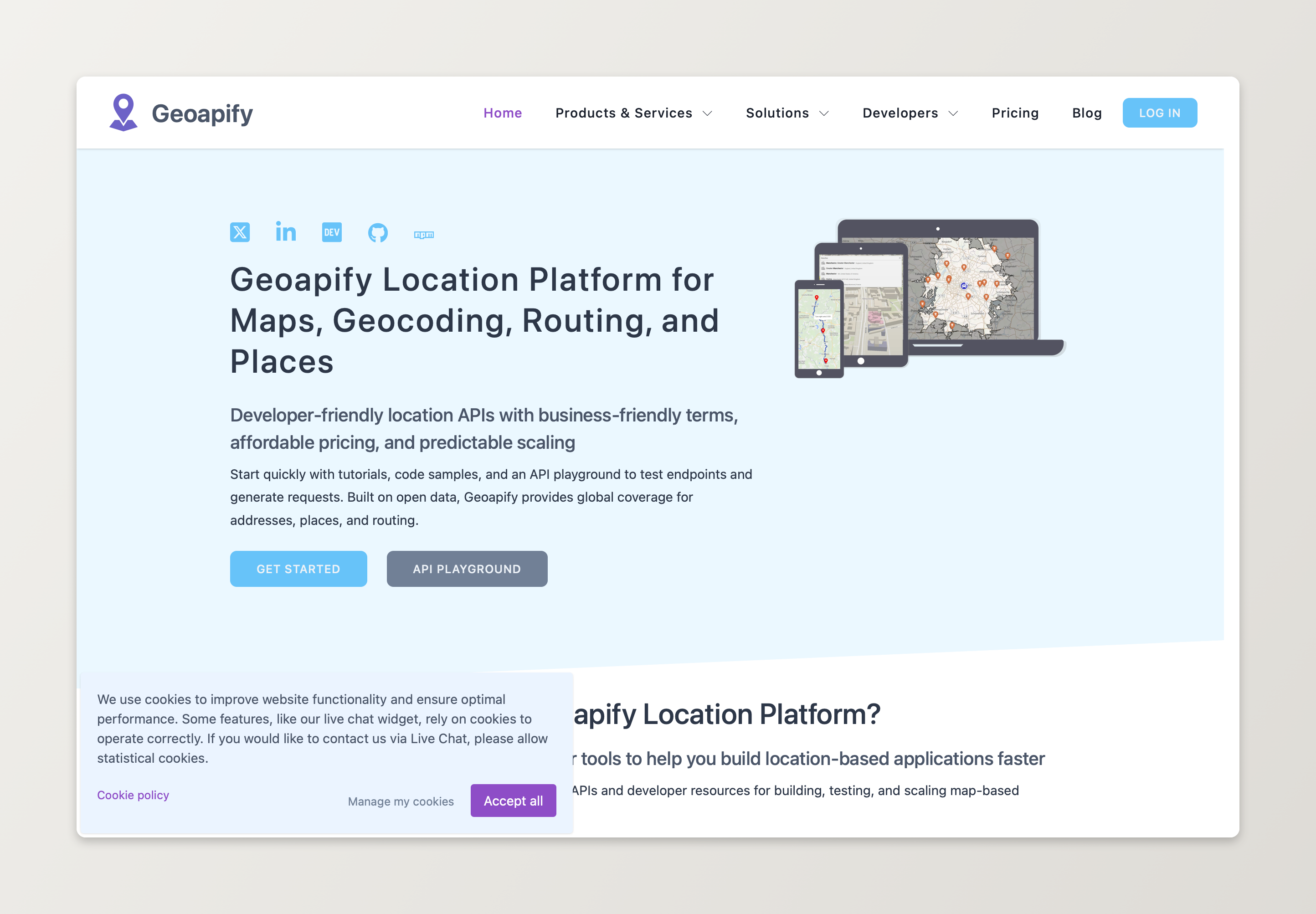
Best for: a small commercial app that needs geocoding, routing and tiles from one key.
2. TomTom
TomTom’s developer pricing now counts free usage per month, not per day. You get 20,000 geocoding and 20,000 reverse geocoding requests, plus 200,000 map tile requests each month. The page states “no credit card needed.”
Best for: a higher monthly geocoding volume without a billing account.
3. Mapbox
Mapbox pricing includes 50,000 web map loads (GL JS) and 100,000 temporary geocoding requests per month. You can sign up without a card, but you stay on “demo access” with lower caps (5,000 map loads and 10,000 temporary geocodes per month) until you add one. Permanent geocoding, where you store the results, has no free tier. Geocoding defaults to 1,000 requests per minute.
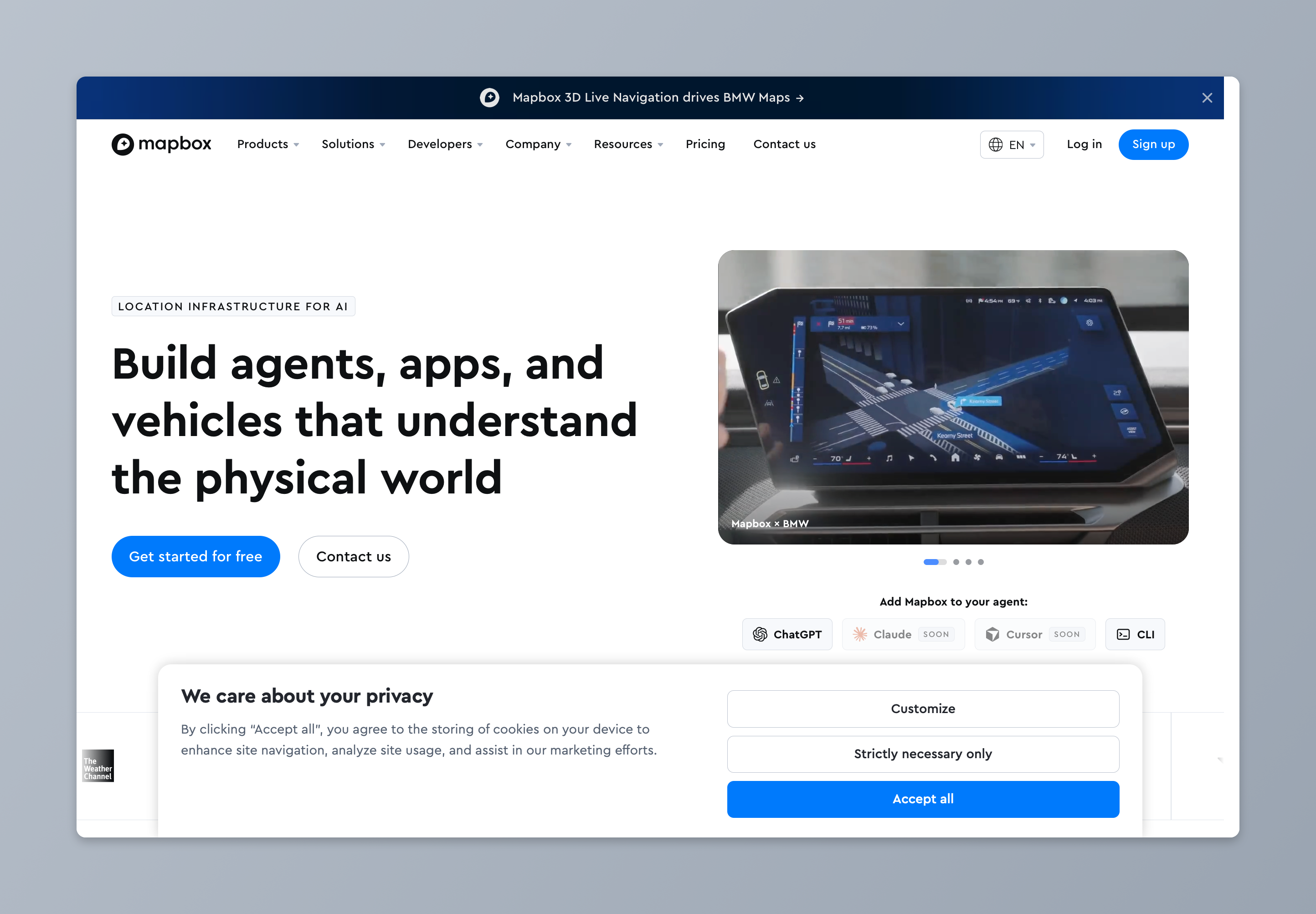
Best for: polished vector maps in a web or mobile app.
4. Geocodio
Geocodio gives you the first 2,500 lookups per day free on its pay-as-you-go plan, and they don’t roll over. No card is required until you exceed the free tier. Coverage on that plan is the US, Canada and Mexico only.
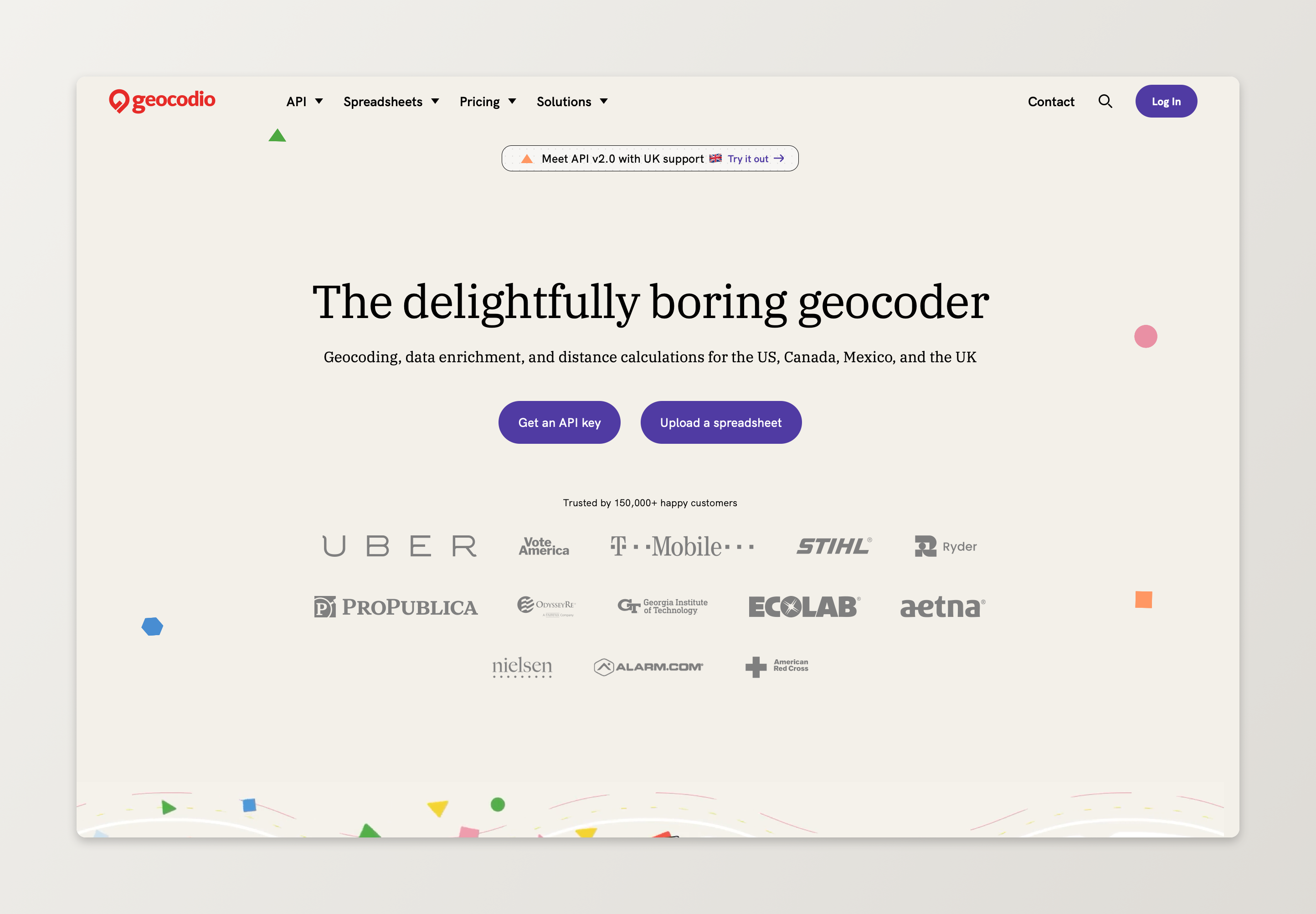
Best for: North American address geocoding and spreadsheet cleanup.
5. MapTiler Cloud
MapTiler’s free plan covers 5,000 map sessions, 1,000 search sessions and 100,000 API requests per month, no card needed. It’s labelled for testing, prototypes, personal or non-commercial use, and the MapTiler logo must stay on the map.
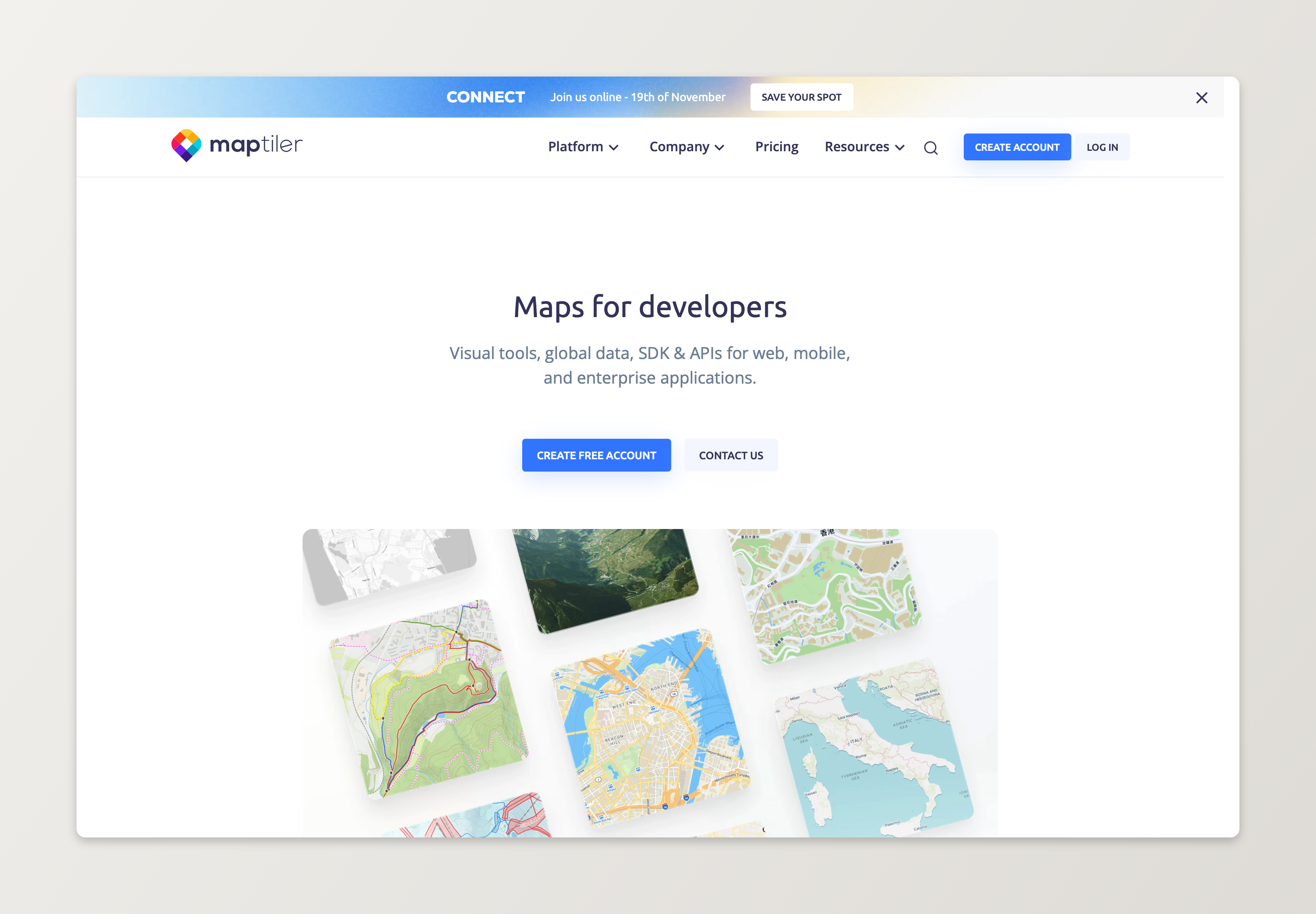
Best for: side projects and prototypes with custom map styles.
Free tiers behind a billing account
The next four are free inside their quotas, but you have to attach a card or payment method first. Set a budget alert on day one.
6. Google Maps Platform
Google’s pricing page gives each Essentials SKU, including Geocoding and Dynamic Maps, 10,000 free billable events per calendar month. The Maps Embed API is unlimited. You need a Cloud project with billing enabled, even for the free usage. Geocoding results fall under caching limits (place IDs can be stored), and results you display on a map must go on a Google map.
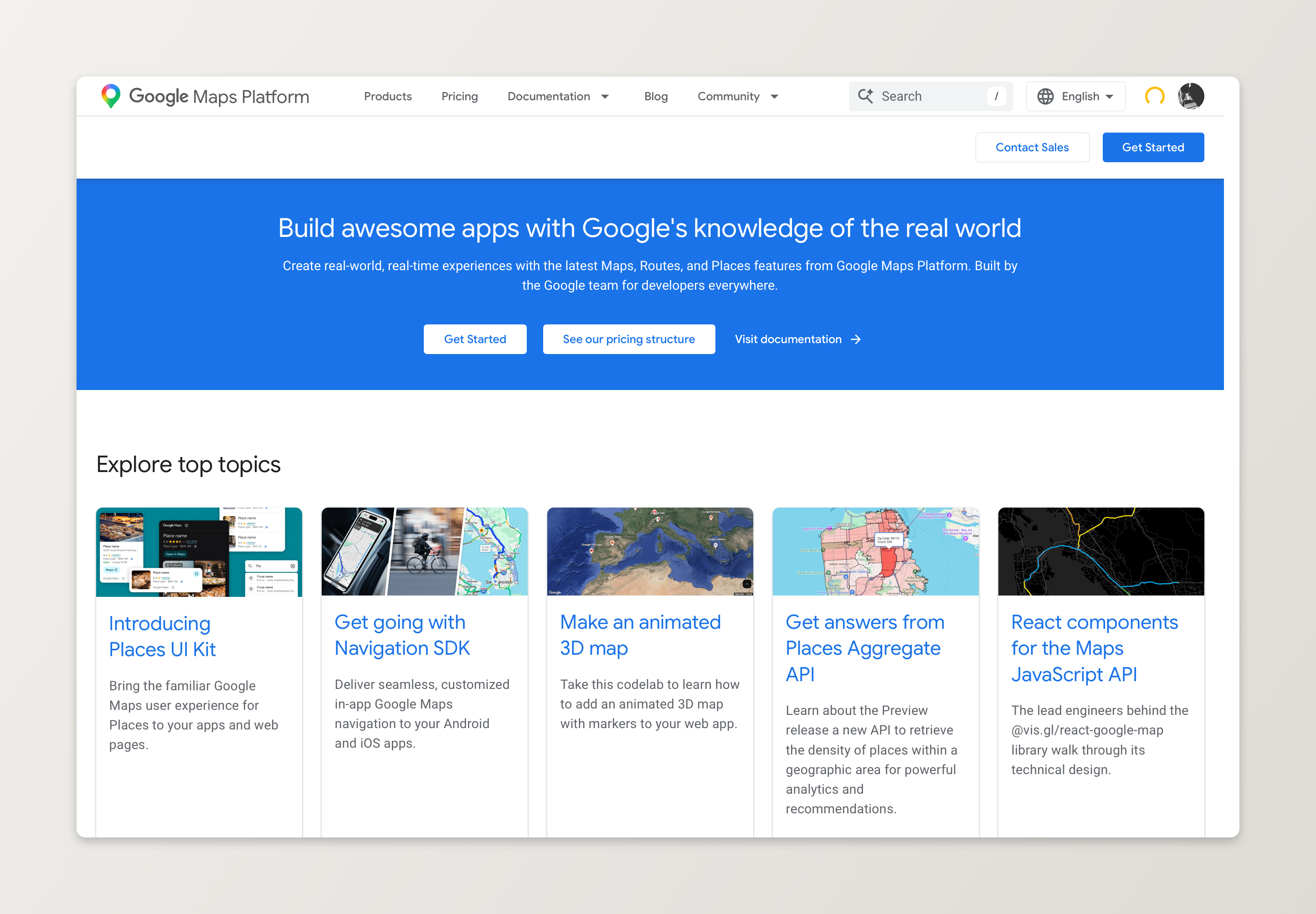
Best for: apps that need Google’s place data and familiar map UI. Our Google Maps API integration guide walks through the key setup.
7. HERE Base plan
HERE’s pricing page lists 30,000 free transactions per month each for geocode and reverse geocode, autocomplete, vector tiles and raster tiles, with “no daily transaction limits.” HERE’s April 2025 release notes say a payment method is required during onboarding.
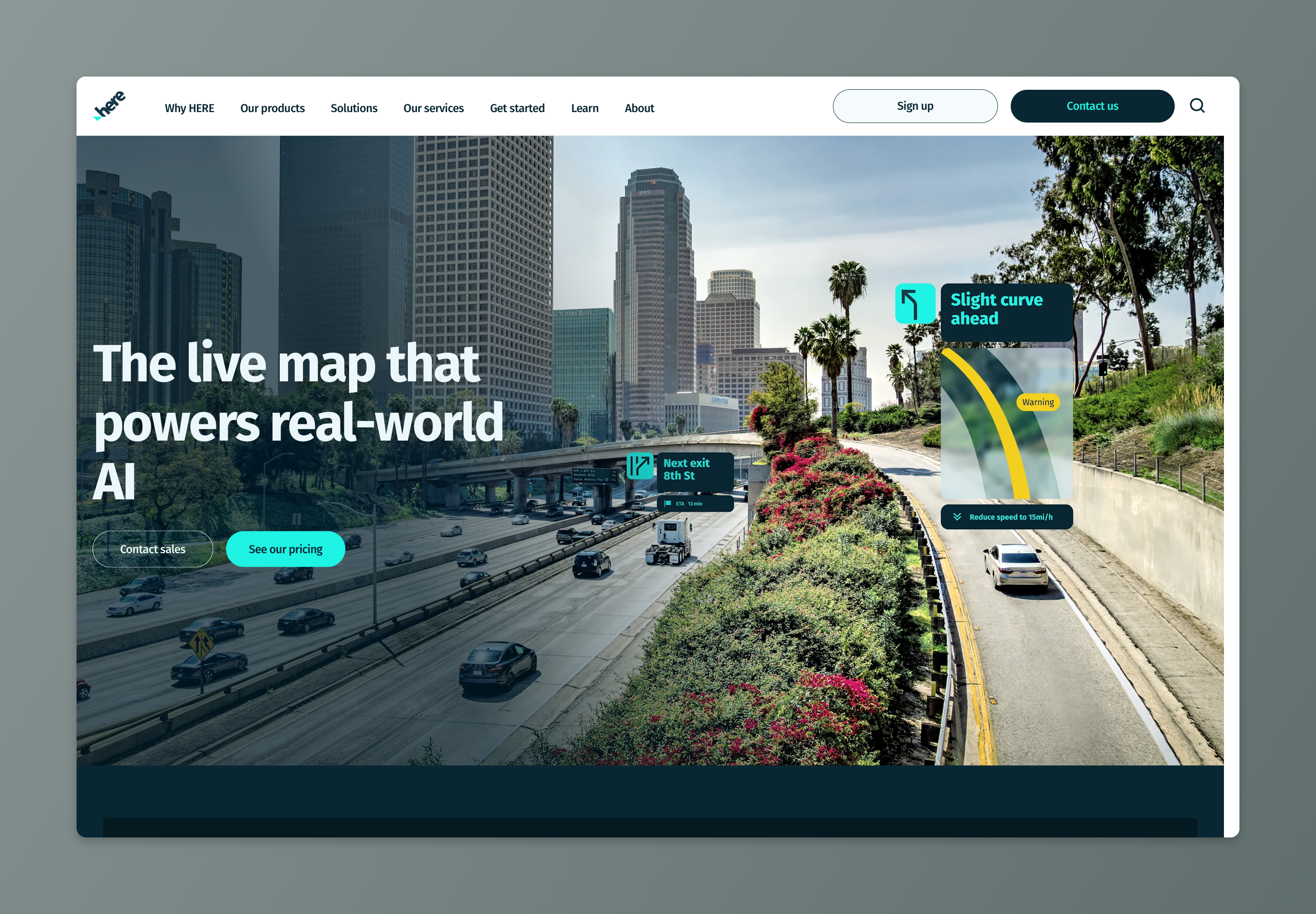
Best for: logistics and fleet prototypes that will grow into HERE routing.
8. Esri ArcGIS Location Platform
ArcGIS Location Platform pricing includes 20,000 geocodes (not stored), 2,000,000 basemap tiles, 1,000 basemap sessions and 20,000 routes. The billing help says you add a payment method only to turn on pay-as-you-go beyond the free tier. Stored geocodes have no free tier. The page frames costs monthly, but it doesn’t spell out the reset period.
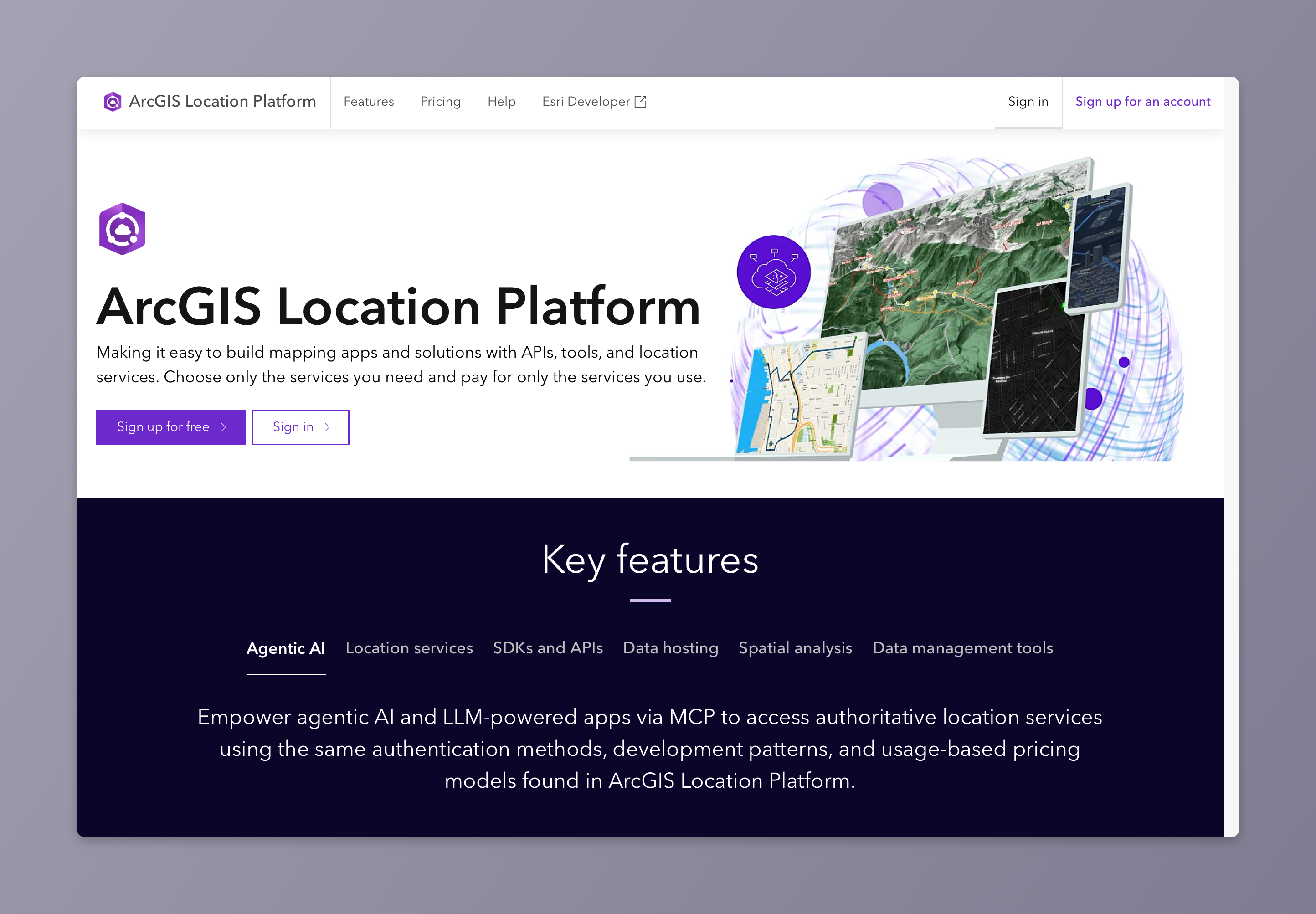
Best for: GIS-heavy apps and teams already using ArcGIS tools.
9. Azure Maps
Azure Maps Gen2 pricing includes 5,000 free search transactions, 5,000 base map tile transactions, 5,000 geolocation and 1,000 routing transactions per month. Azure’s free account FAQ says sign-up needs a credit or debit card for identity verification.
Best for: teams already on Azure that want geocoding under the same bill.
Free geocoding APIs with no key or limited terms
10. LocationIQ
LocationIQ’s free plan allows 5,000 requests per day at 2 requests per second and 60 per minute. Commercial use is “limited”: you must add a visible “Search by LocationIQ.com” link. Responses can be cached for up to 48 hours.
Best for: OpenStreetMap-based geocoding with a real API key and support for a commercial site.
11. OpenStreetMap Nominatim
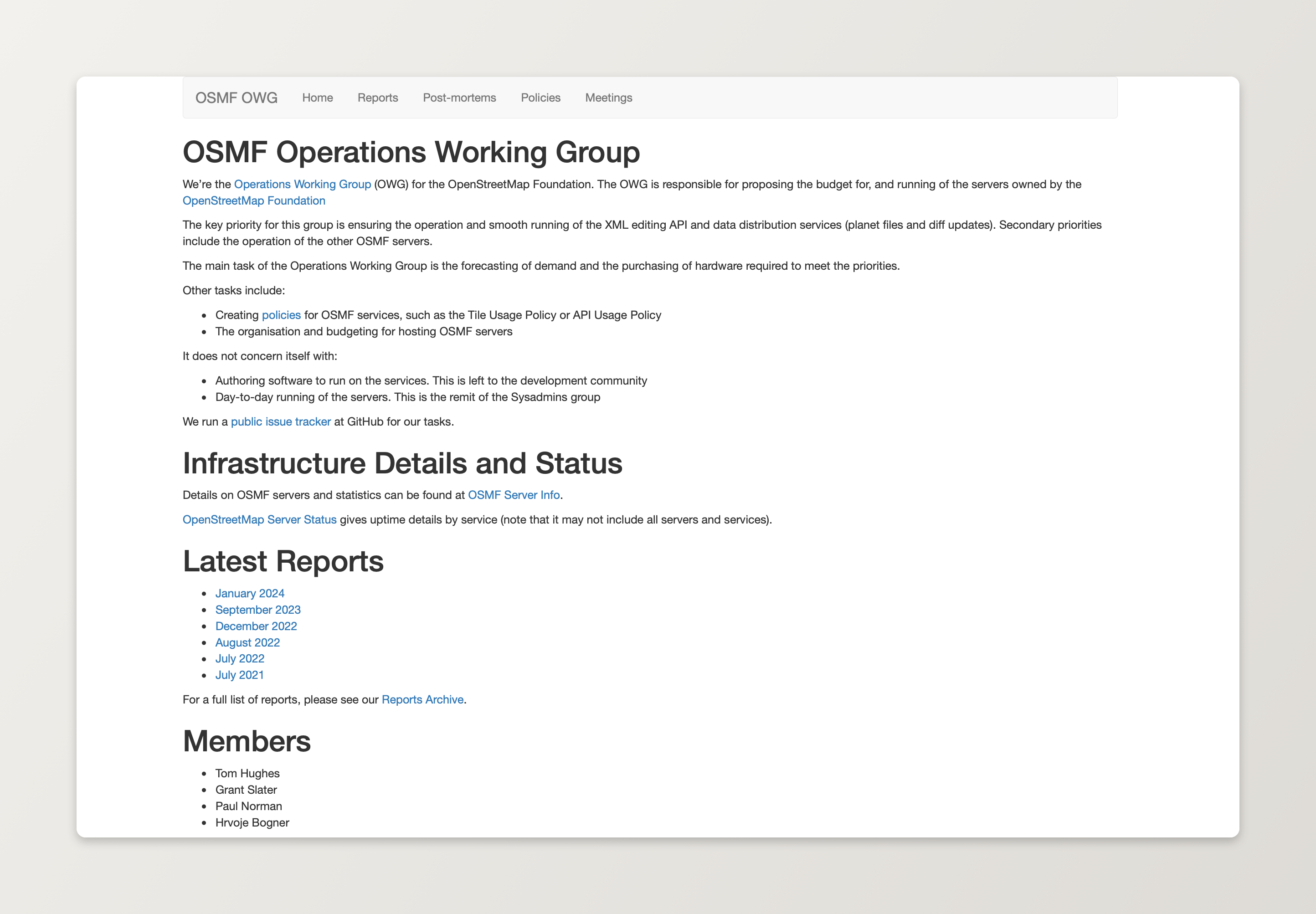
The public Nominatim server needs no key and no account. The Nominatim usage policy caps you at 1 request per second for your whole app, requires a User-Agent or Referer that names your app, bans autocomplete and grid queries, and discourages bulk geocoding. You must credit OpenStreetMap under the ODbL license.
A test call we ran today returned 52.5162699, 13.3777034 for the Brandenburg Gate:
curl -s -A "my-app/1.0 (you@example.com)" \
  "https://nominatim.openstreetmap.org/search?q=Brandenburg+Gate&format=json&limit=1"
OpenStreetMap’s standard tiles follow a separate tile usage policy: visible attribution, 7-day caching and no bulk downloads.
Best for: low-traffic tools and demos.
12. US Census Bureau Geocoder
The Census Geocoder matches US addresses to coordinates and census geographies. Our live call used no key and matched the White House at longitude -77.0352, latitude 38.8987. Batch files take up to 10,000 addresses. The docs don’t state a rate limit, so throttle yourself.
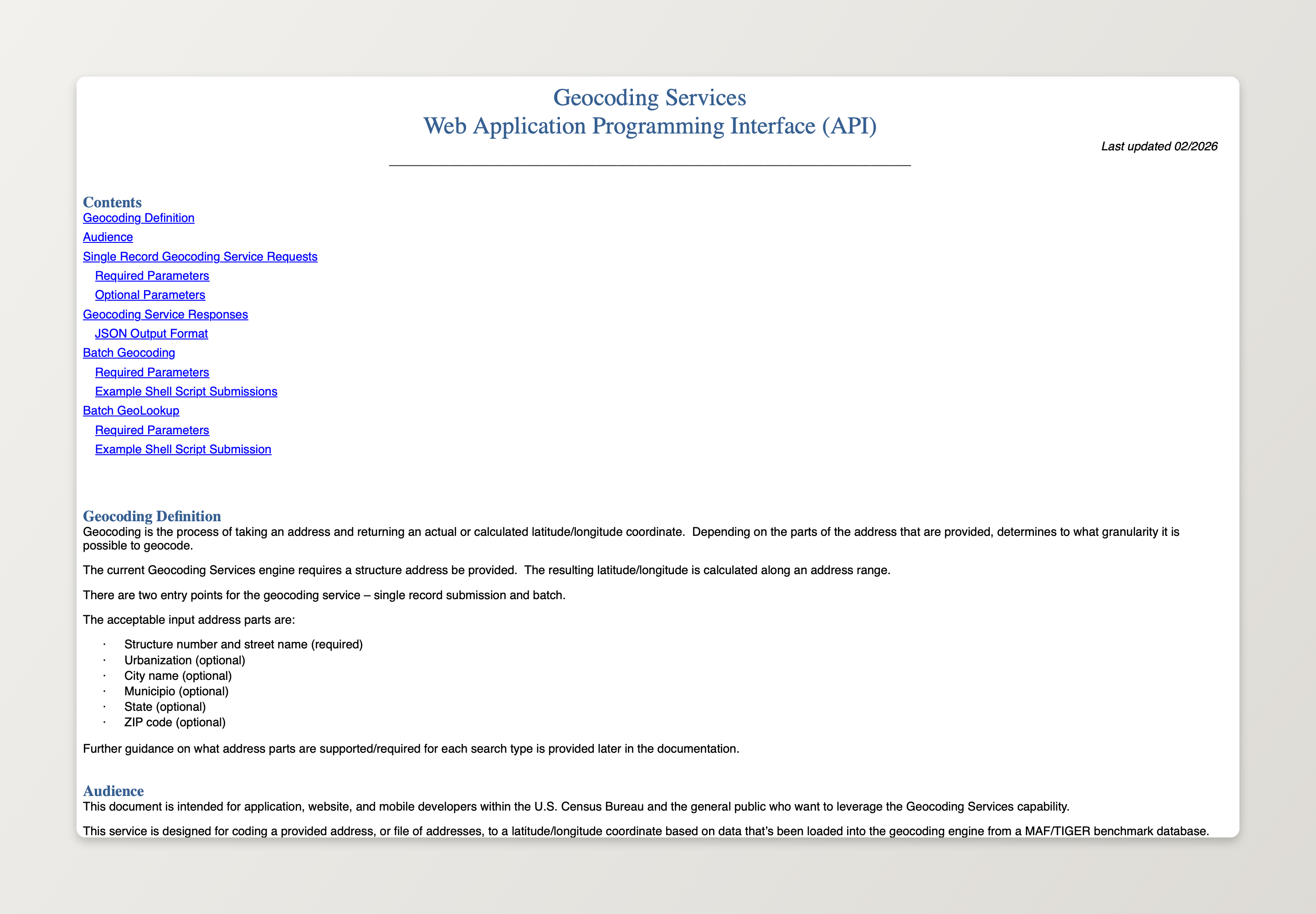
curl -s "https://geocoding.geo.census.gov/geocoder/locations/onelineaddress?address=1600+Pennsylvania+Ave+NW,+Washington,+DC+20500&benchmark=Public_AR_Current&format=json"
Best for: US-only address data, research and civic projects.
Two more options exist but come with tight terms. OpenCage’s free tier is 2,500 requests per day at 1 per second, labelled testing only. Stadia Maps gives 200,000 credits per month but doesn’t allow commercial use.
Which free geocoding API should you pick?
Match the provider to your constraint, not to the biggest number in the table:
- No card, commercial app: Geoapify (3,000 per day) or TomTom (20,000 geocodes per month).
- No key at all: Nominatim for global lookups, the Census Geocoder for US addresses.
- US address cleanup in bulk: Geocodio (2,500 per day) or the Census batch file.
- Best-looking web maps: Mapbox or MapTiler, depending on whether you’re commercial.
- Already paying a cloud bill: Google Maps on Google Cloud, Azure Maps on Azure.
If your app also needs forecasts, our weather API roundup pairs well with any of these.
Limits that matter more than the quota
Free tiers rarely fail on volume first. They fail on terms:
- Storage: Mapbox temporary geocodes, Esri non-stored geocodes and Stadia results can’t be kept long term. Storing them needs a paid “permanent” SKU.
- Attribution: Geoapify, LocationIQ, MapTiler and OpenStreetMap all require visible credit.
- Commercial use: MapTiler, Stadia Maps and OpenCage free plans aren’t for production revenue apps.
- What happens at the cap: MapTiler pauses service, Mapbox demo access blocks every API until you add a card, and Google or Azure start billing.
Let your coding agent test it with Apidog CLI
A retry loop can burn a day’s free quota in minutes. Let your coding agent write geocoding tests once and run them on every change with Apidog CLI.
npm install -g apidog-cli@latest
apidog login --with-token <YOUR_TOKEN>
npx -y skills add https://apidog.com   # pick your agent when prompted
Then give Claude Code, Codex or Cursor one prompt:
In Apidog project <id>, create an environment "geoapify" with base URL
https://api.geoapify.com and a variable GEOAPIFY_KEY. Create a test case for
GET /v1/geocode/search?text=Brandenburg Gate&apiKey={{GEOAPIFY_KEY}} that asserts
status 200, at least one feature, and lat between 52.5 and 52.6. Run it once
and summarize any failures. Don't run it more than 3 times.
The agent reads the payload schemas, validates its files and runs the case:
apidog environment create geoapify --project <id> --base-url https://api.geoapify.com
apidog cli-schema get test-case-create
apidog cli-schema validate test-case-create --file case.json
apidog test-case create --project <id> --file case.json
apidog run --test-case <caseId> --project <id> -e <envId> \
  --env-var "GEOAPIFY_KEY=$GEOAPIFY_KEY" -r cli,json
Passing the key with --env-var keeps it out of the saved environment. The same apidog run ... -r junit line drops into GitHub Actions, as shown in our Apidog CLI CI/CD guide. For a full agent setup, see Apidog CLI in Claude Code. Apidog’s Free plan covers up to 4 users.
FAQ
Is there a completely free maps API? Yes. Nominatim, OpenStreetMap’s standard tiles and the US Census Geocoder need no key. Fair-use rules, like 1 request per second on Nominatim, limit them to low-traffic apps.
Is the Google Maps API free? Partly. Each Essentials SKU, including Geocoding and Dynamic Maps, gets 10,000 free calls per month, and the Maps Embed API is unlimited. You still need a billing account with a card.
Which free geocoding API allows commercial use without a card? Geoapify allows commercial use on its free plan with attribution, and TomTom’s free monthly requests need no card. LocationIQ allows limited commercial use with a backlink.
Can I store results from a free geocoding API? Often not. Mapbox temporary geocoding, Esri non-stored geocodes and Stadia Maps limit storage. OpenCage allows storage, but its free tier is for testing only.
What’s the best free map API for a side project? MapTiler or Mapbox for styled maps, plus Nominatim or Geoapify for geocoding. All four work without a card.
How do I avoid surprise bills on Google Maps or Azure Maps? Set a budget alert and per-API quota caps in the cloud console before you ship.