TL;DR
DALL-E 3 is reliable and well-integrated with ChatGPT, but costs $0.040-$0.120 per image with a single-model architecture and no video capabilities. Better-value alternatives include Flux 2 Pro (comparable quality, lower cost), Seedream 4.5 (60-75% cheaper), and Gemini 3 Pro Image (Google ecosystem integration). Test them in Apidog before switching.
Introduction
DALL-E 3 was OpenAI’s workhorse image API for two years. Consistent quality, solid documentation, deep ChatGPT integration. For many teams, it became the default choice without a lot of deliberation.
The 2026 landscape has moved. GPT Image 1.5 has superseded DALL-E 3 within OpenAI’s own lineup. Competing models match or exceed DALL-E 3’s quality at lower prices. And the single-model architecture means you’re locked into one aesthetic and one pricing tier.
If you’re still defaulting to DALL-E 3, here’s what else is worth considering.
DALL-E 3’s current position
LM Arena Elo: ~1,125 (GPT Image 1.5 scores 1,264 by comparison) Price: $0.040-$0.120 per image depending on resolution API: Yes, stable and well-documented Video: No Customization: None
DALL-E 3 still works well. It’s not the best choice on any dimension in 2026. GPT Image 1.5 outperforms it while remaining in the same OpenAI ecosystem. Competing models match its quality at a fraction of the cost.
Top DALL-E 3 alternatives
GPT Image 1.5 (upgrade within OpenAI)
LM Arena Elo: 1,264 versus DALL-E 3’s ~1,125 Price: $0.040-$0.080 per image API: Same OpenAI API pattern
If you’re using DALL-E 3 for quality, switching to GPT Image 1.5 is the easiest upgrade. Same authentication, same API endpoint structure, measurably better outputs. Migration takes minutes, not hours.
Flux 2 Pro (Black Forest Labs)
Price: $0.025-$0.045 per image Quality: ~1,258 Elo API: Open-weight, available via multiple providers
Flux 2 Pro matches DALL-E 3 on quality while costing 35-60% less per image. The open-weight architecture means you can choose your inference provider. LoRA fine-tuning is available. No vendor lock-in to a single company.
Seedream 4.5 (ByteDance, via WaveSpeed)
Price: $0.002-$0.035 per image (60-75% savings vs DALL-E 3) API: REST via WaveSpeed Strengths: Fashion, product, dynamic imagery
Seedream 4.5 is the cost-efficiency option. At 60-75% lower pricing than DALL-E 3, it’s the right choice for high-volume workflows where cost per image matters more than achieving the absolute quality ceiling.
Gemini 3 Pro Image (Google)
Price: Tiered, free tier available API: Google AI Studio / Vertex AI Strengths: Complex prompts, Google Workspace integration, fast generation (3-5 seconds)
For teams in the Google ecosystem, Gemini 3 Pro Image offers comparable quality with faster generation and a free tier for testing. The Workspace integration is useful for enterprise teams building document or presentation automation.
Cost comparison at scale
| Model | $0.040/image baseline | 1,000 images | 10,000 images |
|---|---|---|---|
| DALL-E 3 (standard) | $0.040 | $40 | $400 |
| GPT Image 1.5 | $0.040-$0.080 | $40-$80 | $400-$800 |
| Flux 2 Pro | $0.025-$0.045 | $25-$45 | $250-$450 |
| Seedream 4.5 | $0.002-$0.035 | $2-$35 | $20-$350 |
| Gemini 3 Pro | Tiered | Varies | Varies |
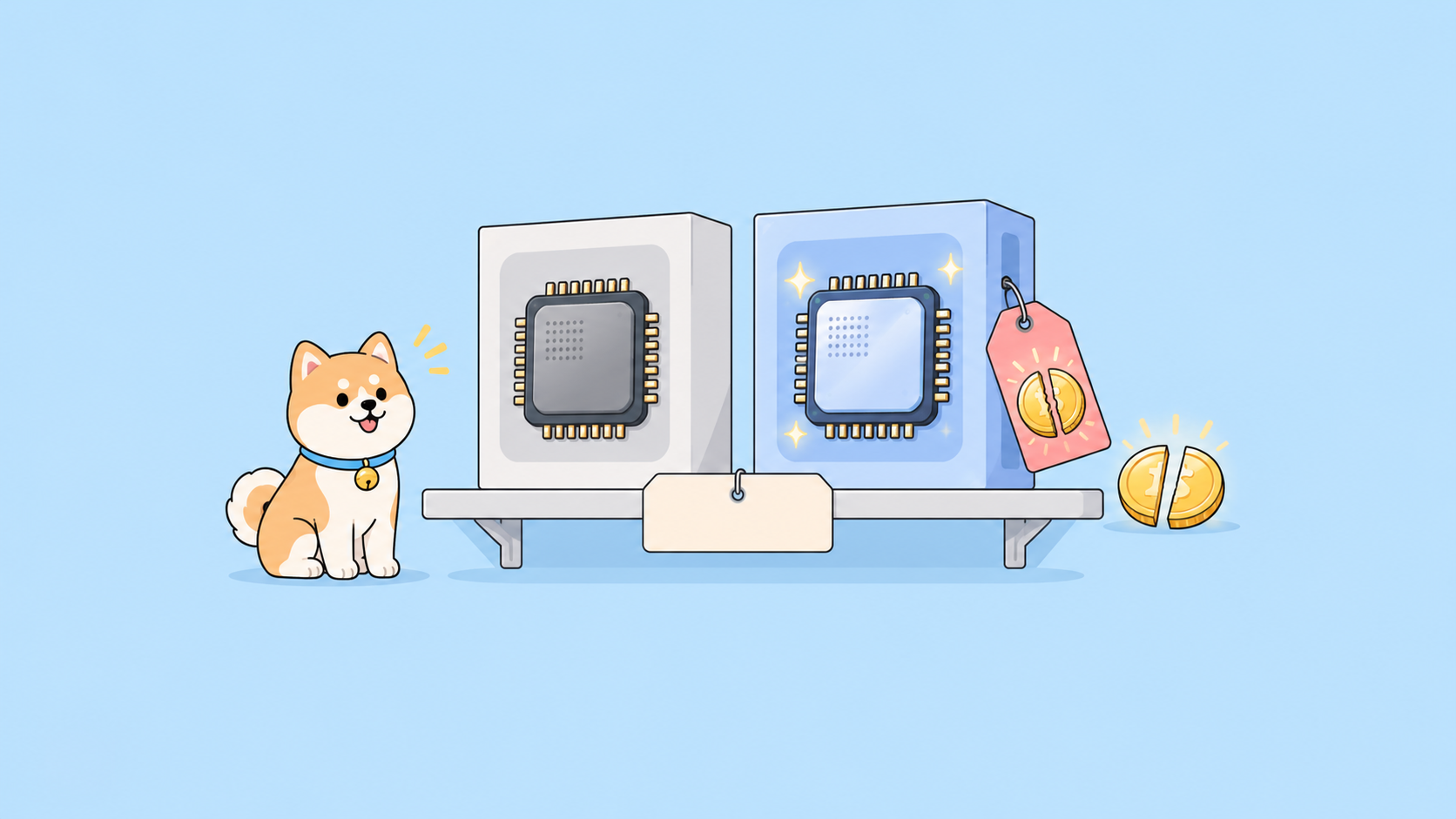
At 10,000 images per month, the difference between DALL-E 3 and Seedream 4.5 is $50-$380 versus $400. For any team running meaningful image generation volume, this compounds quickly.
Testing with Apidog
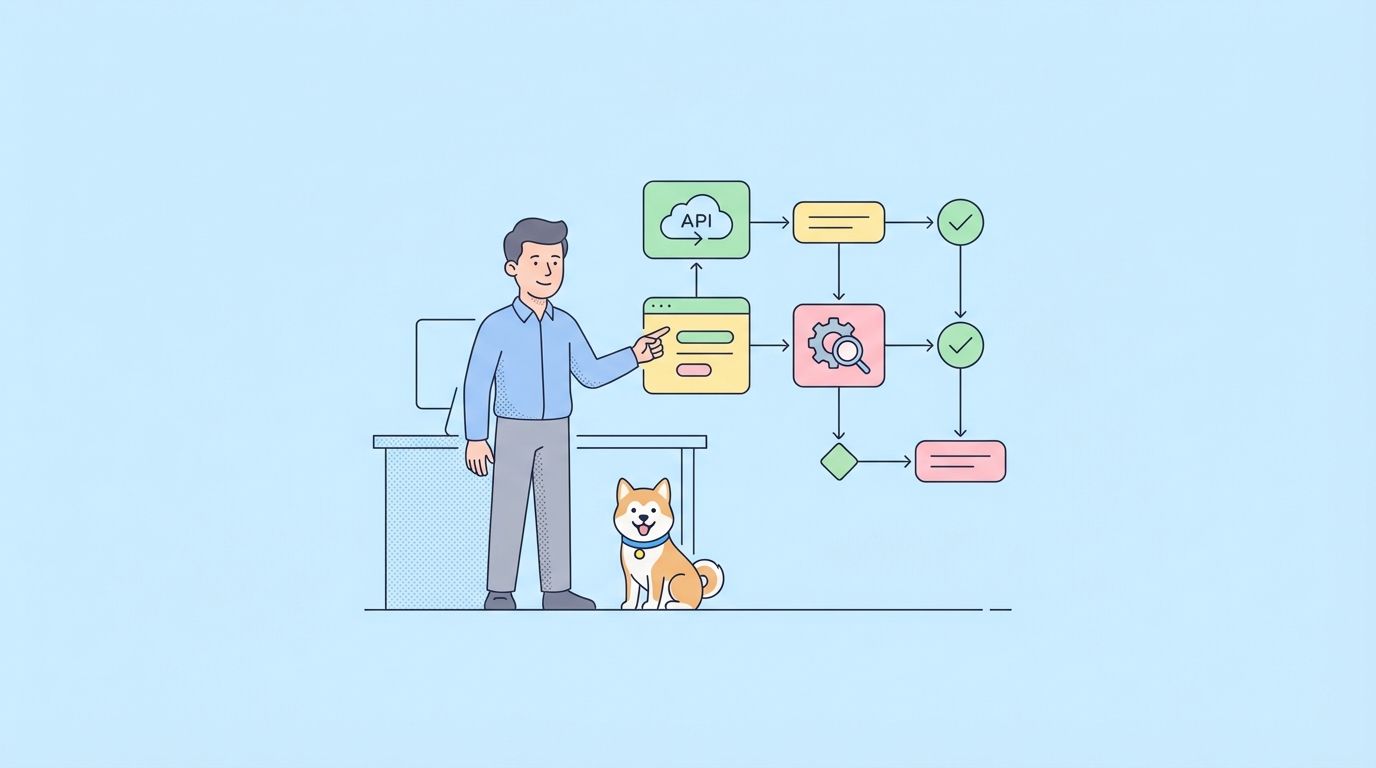
Run a cost-quality comparison in Apidog before switching.
DALL-E 3 request:
POST https://api.openai.com/v1/images/generations
Authorization: Bearer {{OPENAI_API_KEY}}
Content-Type: application/json

{
  "model": "dall-e-3",
  "prompt": "A minimalist product photo of a glass water bottle on a white background",
  "size": "1024x1024",
  "quality": "standard"
}
Seedream 4.5 via WaveSpeed (same prompt):
POST https://api.wavespeed.ai/api/v2/bytedance/seedream-4-5
Authorization: Bearer {{WAVESPEED_API_KEY}}
Content-Type: application/json

{
  "prompt": "A minimalist product photo of a glass water bottle on a white background",
  "image_size": "square_hd"
}
Run each request 10 times. Calculate average response time and cost. Compare output quality manually for your specific prompt types.
Set up Apidog assertions to catch regressions:
Status code is 200
Response body > data[0] > url exists
Response time < 30000ms
Migration path
Switching from DALL-E 3 to GPT Image 1.5: Update the model name in your request body from dall-e-3 to gpt-image-1.5. No other changes required.
Switching to Flux or Seedream: Update the endpoint URL and authentication. Response shapes differ: DALL-E returns data[0].url; most alternatives return a similar URL structure but nested differently. Update your response parsing accordingly.
Use Apidog environments to test both APIs in parallel before cutting over production traffic.
FAQ
Should I upgrade to GPT Image 1.5 instead of switching providers?If you’re happy with OpenAI and want the easiest migration, yes. GPT Image 1.5 is a direct upgrade. If cost is your driver, alternatives like Flux 2 Pro and Seedream 4.5 offer better economics.
Does switching providers affect image quality for my specific use case?It depends on your prompts. Run your actual production prompts through both APIs in Apidog and compare. Generic benchmarks don’t predict quality for specific domains.
Can any of these alternatives generate video?DALL-E 3 cannot. WaveSpeed (Seedream 4.5 platform) includes video generation. If you want image and video from a single API provider, WaveSpeed covers both.
What’s the rate limit difference?OpenAI’s DALL-E 3 has stricter rate limits on lower tiers. WaveSpeed and Fal.ai generally offer higher throughput for production use cases.