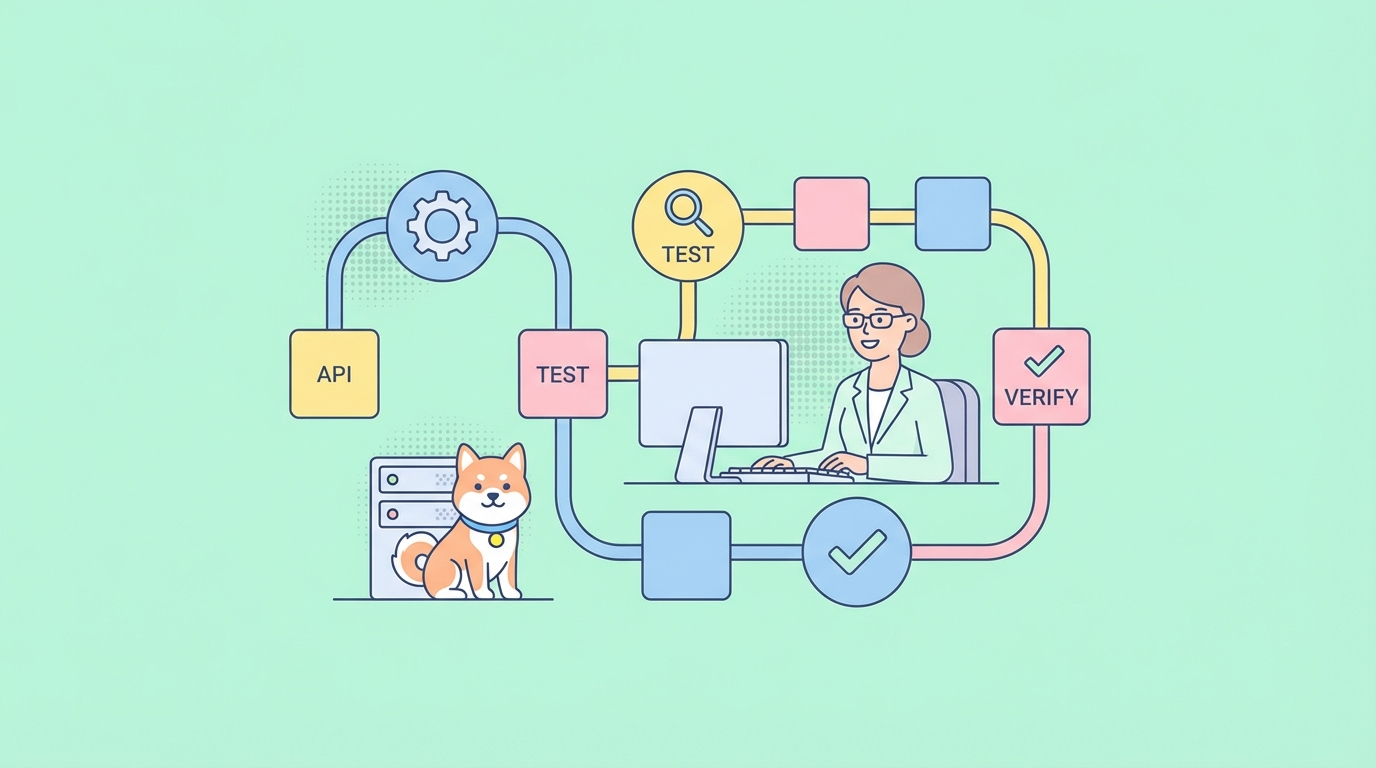
APIs are the backbone of modern digital ecosystems, powering everything from internal workflows to customer-facing products. However, not all APIs are created equal. Knowing how to manage internal vs external API is crucial for organizations aiming to maximize efficiency, security, and scalability. This guide will walk you through what internal and external APIs are, why their management differs, actionable best practices, and practical tools—like Apidog—to streamline the process.
What Does "How to Manage Internal vs External API" Mean?
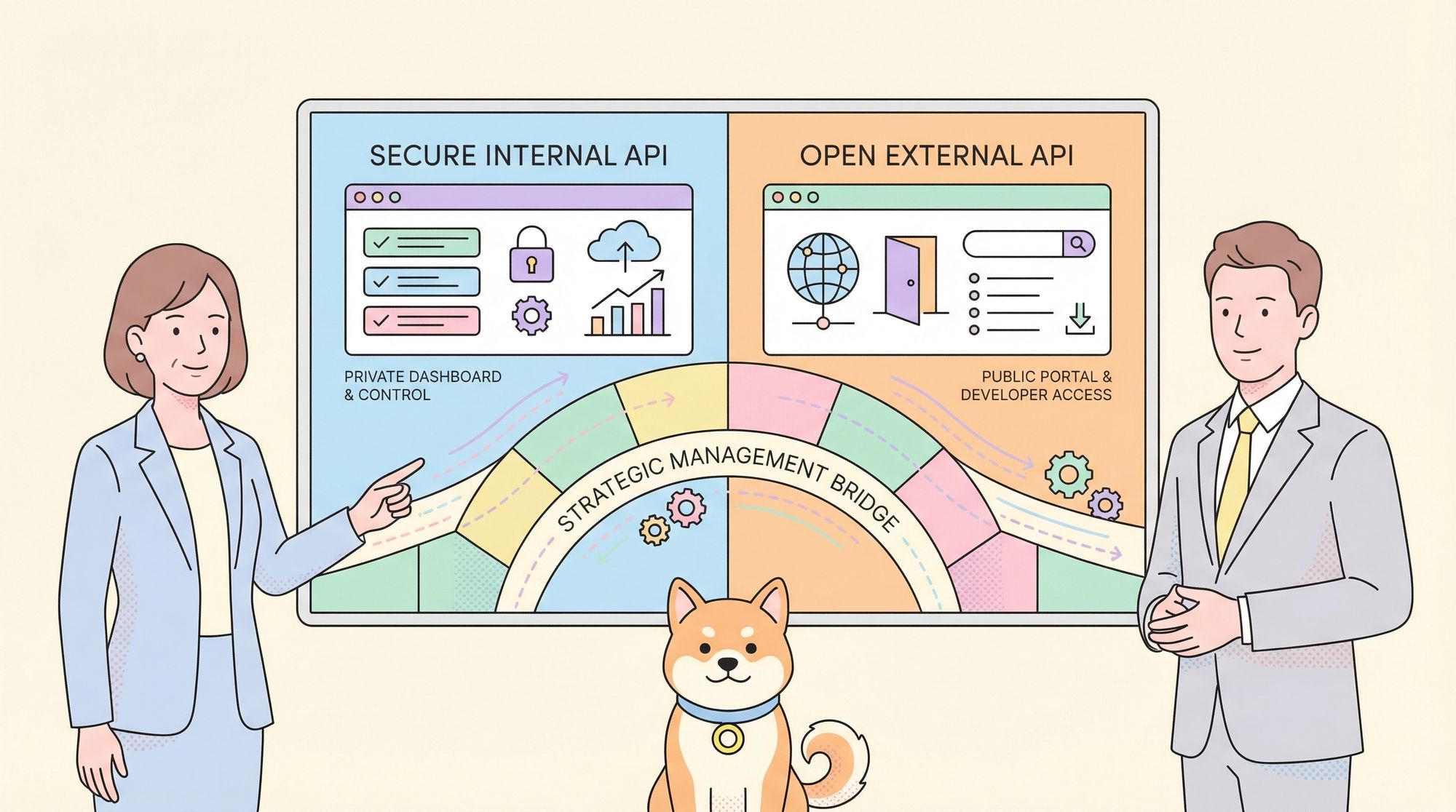
Understanding how to manage internal vs external API involves recognizing and addressing the unique requirements, risks, and opportunities associated with each API type. Internal APIs, used privately within an organization, and external APIs, exposed to partners or the public, require distinct strategies for governance, security, documentation, and monitoring. Effective management ensures that both types of APIs deliver value safely and reliably, without causing data leaks, integration headaches, or operational chaos.
Key Differences: Internal vs External API Management
Internal APIs: Private, Agile, But Risky When Overlooked
Internal APIs are designed strictly for intra-organizational use—connecting microservices, automating workflows, and sharing sensitive data within company boundaries. They prioritize developer speed and operational agility. However, neglecting management of internal APIs can lead to API sprawl, undocumented endpoints, inconsistent security, and technical debt.
Management Focus Areas:
- Access control within teams
- Rapid iterations and changes
- Internal documentation
- Streamlined onboarding for internal developers
External APIs: Public or Partner-Facing, Highly Visible, Security-Critical
External APIs are exposed to third-party developers, partners, or even the public. They serve as strategic touchpoints for integration, brand extension, and revenue generation. Their management emphasizes robust security, discoverability, and a polished developer experience.
Management Focus Areas:
- Rigorous security and authentication
- Public-facing documentation
- Versioning and backwards compatibility
- Usage monitoring and throttling
Why Does Management Differ?
The way you manage internal vs external API is shaped by differing audiences, risk levels, and business goals. Internal APIs need flexibility and efficiency, while external APIs demand stability, reliability, and trust.
How to Manage Internal vs External API: Best Practices
1. Governance and Access Control
- Internal APIs: Implement role-based access controls and restrict exposure to internal networks. Use identity management solutions to authenticate users and services.
- External APIs: Enforce stricter authentication (OAuth, API keys), rate limiting, and IP whitelisting. Regularly audit access logs.
2. Documentation and Developer Experience
- Internal APIs: Maintain concise, up-to-date docs tailored for internal teams. Use internal portals or tools like Apidog, which supports generating easy-to-read, version-controlled documentation for both types of APIs.
- External APIs: Invest heavily in polished, public-facing docs, SDKs, and onboarding guides. Interactive documentation, such as that generated with Apidog, can greatly enhance third-party adoption.
3. Security
- Internal APIs: Don’t assume obscurity equals security. Apply service-to-service authentication, regular vulnerability scanning, and network segmentation.
- External APIs: Use industry-standard encryption (TLS), strong authentication protocols, and implement strict input validation. Monitor for abuse and potential breaches.
4. Monitoring, Logging, and Analytics
- Internal APIs: Focus on performance metrics, error rates, and usage patterns to identify bottlenecks and optimize workflows.
- External APIs: Track usage per consumer, detect anomalous patterns, and collect feedback for continuous improvement. Apidog facilitates request logging and monitoring within its API development suite.
5. Versioning and Lifecycle Management
- Internal APIs: Versioning can be more flexible, but communicate changes across teams. Use tools to automate changelog generation and notify consumers.
- External APIs: Maintain strict backward compatibility, deprecate versions gracefully, and provide migration guides.
6. Testing and Mocking
- Internal APIs: Use mock servers for early integration and faster development. Apidog’s built-in mocking capabilities streamline this process for both internal and external APIs.
- External APIs: Provide sandbox environments for external developers to test without impacting production.
How Apidog Helps Manage Internal vs External API
Apidog is a spec-driven API development platform designed to simplify API management across the spectrum.
- Unified Workspace: Manage internal and external APIs in a single workspace, reducing sprawl and duplication.
- Online Documentation: Instantly generate interactive documentation for both private and public APIs.
- Import & Export: Seamlessly import Swagger, Postman, or other formats for both internal and external APIs.
- Mock Server: Quickly create mock endpoints for development and testing scenarios.
- Version Control: Track API changes and synchronize updates with your team or external partners.
By leveraging Apidog, teams can standardize how they handle internal vs external API management, ensuring consistency, security, and productivity at every stage.
Practical Examples: How to Manage Internal vs External API in Real Life
Example 1: Internal API for HR Dashboard
A large enterprise builds an internal API to aggregate employee data from various systems for HR dashboards. To manage this internal API:
- Limit access to HR and IT teams with internal authentication.
- Document endpoints in Apidog and share only within the intranet.
- Monitor performance and error logs to maintain uptime.
- Quickly iterate as business needs change, using Apidog’s mock capabilities for front-end development.
Example 2: External API for Order Processing
The same company exposes an external API for partners to process orders.
- Use OAuth 2.0 for external authentication.
- Publicly host API docs, leveraging Apidog’s publishing features to ensure up-to-date guides.
- Implement strict rate limiting to prevent abuse.
- Monitor API usage to identify popular features and potential misuse.
Example 3: Hybrid Approach with Apidog
A SaaS provider manages both internal and external APIs for a multi-tenant platform.
- Internal APIs connect microservices, managed with private documentation and internal mocks.
- External APIs are exposed to clients, with public docs, API keys, and sandbox environments.
- Both sets of APIs are managed within a single Apidog project, ensuring unified standards and visibility.
Conclusion: Mastering How to Manage Internal vs External API
Managing internal vs external API is not just about technical details—it's a strategic imperative for modern organizations. By understanding the unique needs of each API type and applying tailored management practices, you can drive productivity, safeguard sensitive data, and accelerate innovation.
Key Takeaways:
- Always distinguish management strategies for internal vs external API based on audience, risk, and purpose.
- Leverage platforms like Apidog to standardize documentation, testing, and monitoring across all APIs.
- Regularly review and update your practices as your API landscape evolves.