TL;DR
Event-driven APIs use webhooks for external notifications and message queues for internal processing. Publish events to a queue (RabbitMQ, Kafka), process asynchronously, and notify clients via webhooks. Modern PetstoreAPI uses this pattern for order processing, inventory updates, and payment notifications.
Introduction
A customer places an order. Your API needs to charge payment, update inventory, send email, notify warehouse, and trigger webhooks. Do you do all this synchronously, making the customer wait 10 seconds? Or respond immediately and process asynchronously?
Event-driven APIs respond fast and process in the background. The order endpoint returns 201 Created immediately. Events trigger background processing. Webhooks notify clients when complete.
Modern PetstoreAPI uses event-driven architecture for orders, payments, and inventory.
Apidog helps you test webhooks, validate event flows, and simulate async processing.
Event-Driven Architecture
Event-driven APIs publish events when things happen. Other services subscribe and react.
Components
- Event Producer - API endpoint that publishes events
- Event Bus/Queue - Routes events (RabbitMQ, Kafka, SQS)
- Event Consumer - Background workers that process events
- Webhooks - Notify external clients
Flow
Client → POST /orders → API
API → Publish "order.created" → Queue
API → Return 201 Created → Client
Worker → Consume event → Process order
Worker → Publish "order.completed" → Queue
Webhook Worker → Send webhook → Client
Webhooks for External Events
Webhooks notify external clients about events.
// Publish event when order created
app.post('/v1/orders', async (req, res) => {
  const order = await createOrder(req.body);

  await eventBus.publish('order.created', {
    orderId: order.id,
    userId: order.userId,
    total: order.total
  });

  res.status(201).json(order);
});

// Background worker sends webhooks
eventBus.subscribe('order.completed', async (event) => {
  const webhooks = await getWebhooks(event.userId, 'order.completed');

  for (const webhook of webhooks) {
    await sendWebhook(webhook.url, {
      event: 'order.completed',
      data: event
    });
  }
});
Message Queues for Internal Events
Message queues handle internal event processing.
RabbitMQ Example
// Publisher
await publishEvent('order.created', { orderId: '019b4132' });

// Consumer
await consumeEvents('order.*', async (event) => {
  await processOrder(event);
});
How Modern PetstoreAPI Implements Event-Driven APIs
Order Processing
- POST /orders returns 201 immediately
- Publish order.created event
- Payment worker processes payment
- Inventory worker updates stock
- Email worker sends confirmation
- Webhook worker notifies client
See Modern PetstoreAPI event architecture.
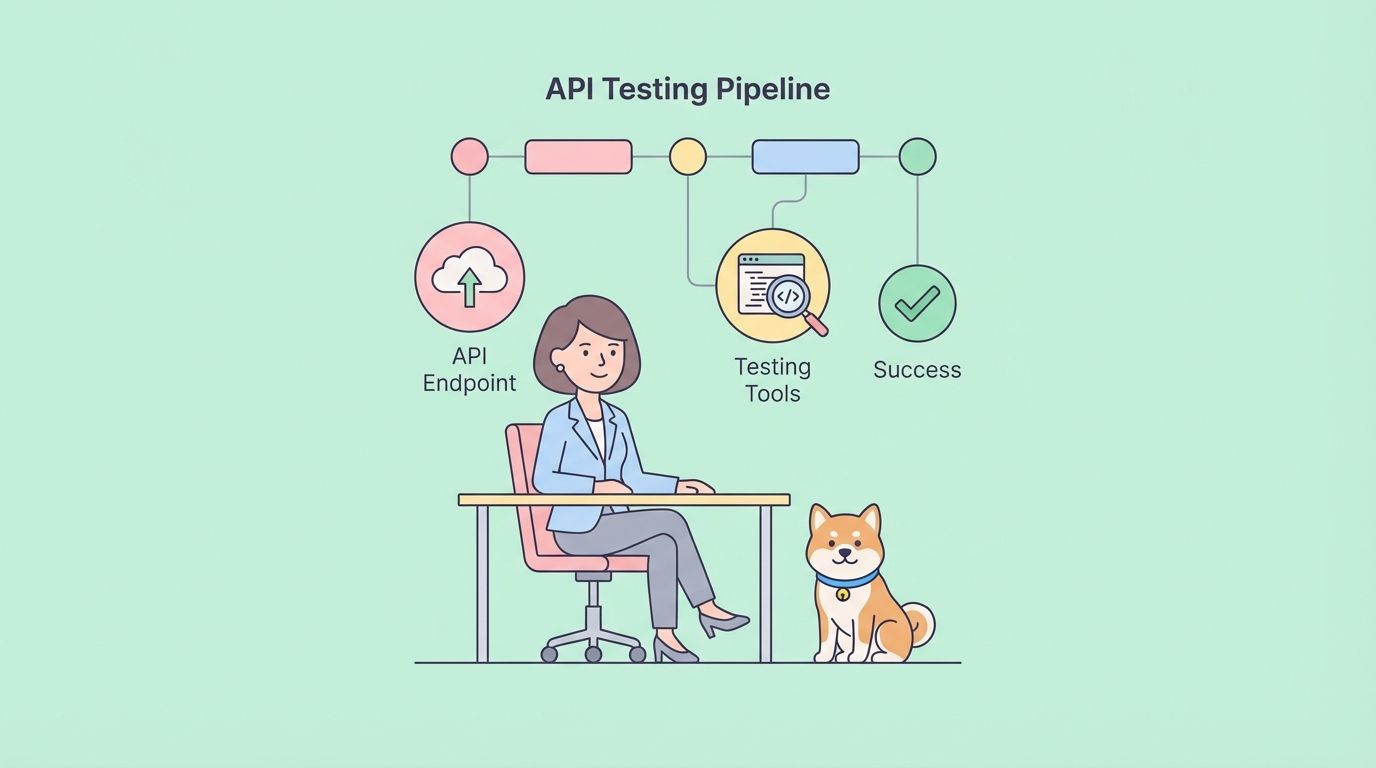
Testing with Apidog
Apidog supports event-driven API testing:
- Test webhook delivery
- Validate event payloads
- Simulate async processing
- Test retry logic
Conclusion
Event-driven APIs improve performance and scalability. Use webhooks for external notifications and message queues for internal processing. Modern PetstoreAPI demonstrates production-ready event-driven patterns.
FAQ
What’s the difference between webhooks and message queues?
Webhooks notify external clients over HTTP. Message queues handle internal service communication.
Which message queue should I use?
RabbitMQ for simplicity, Kafka for high throughput, AWS SQS for managed service.
How do you handle webhook failures?
Implement retry logic with exponential backoff (see our webhook reliability guide).
Can you use events without message queues?
Yes, but queues provide durability, retry, and decoupling.
How do you test event-driven APIs?
Use Apidog to test webhooks and validate event flows.