Google Search just got an AI sidekick that works while you sleep. At Search I/O 2026, Google introduced Information Agents, a new layer of AI Mode that runs 24/7, scans the open web plus Google’s freshest data feeds, and pings you when something matches a query you set days, weeks, or months ago. It is the most significant change to Search since AI Overviews.
If you’ve ever tried to manually track an apartment listing, a flight price, a sneaker drop, a competitor’s pricing page, or a research paper that hasn’t been published yet, you know the pattern. Dozens of saved tabs, a homemade RSS hack, and a half-broken IFTTT recipe. Information Agents replace all of that with a single sentence. You tell Google what you want; the agent watches for it.
This post walks through what Information Agents do, how they work under the hood, what makes them different from regular Search and AI Overviews, how they compare to Perplexity and ChatGPT Search, and what API teams should plan for when this rolls out at scale. If you want to wire your monitoring into a downstream workflow, you’ll be using Apidog for the webhook side anyway, so the prep work starts now.
TL;DR
Information Agents are Google’s new background AI assistants, announced at I/O Search 2026. They run continuously, monitor the web and Google’s real-time data (finance, shopping, sports), and proactively notify you when something matches your criteria. Powered by Gemini 3.5 Flash, launching Summer 2026 to Google AI Pro and Ultra subscribers, available in nearly 200 countries and 98 languages where AI Mode operates.
What an Information Agent is
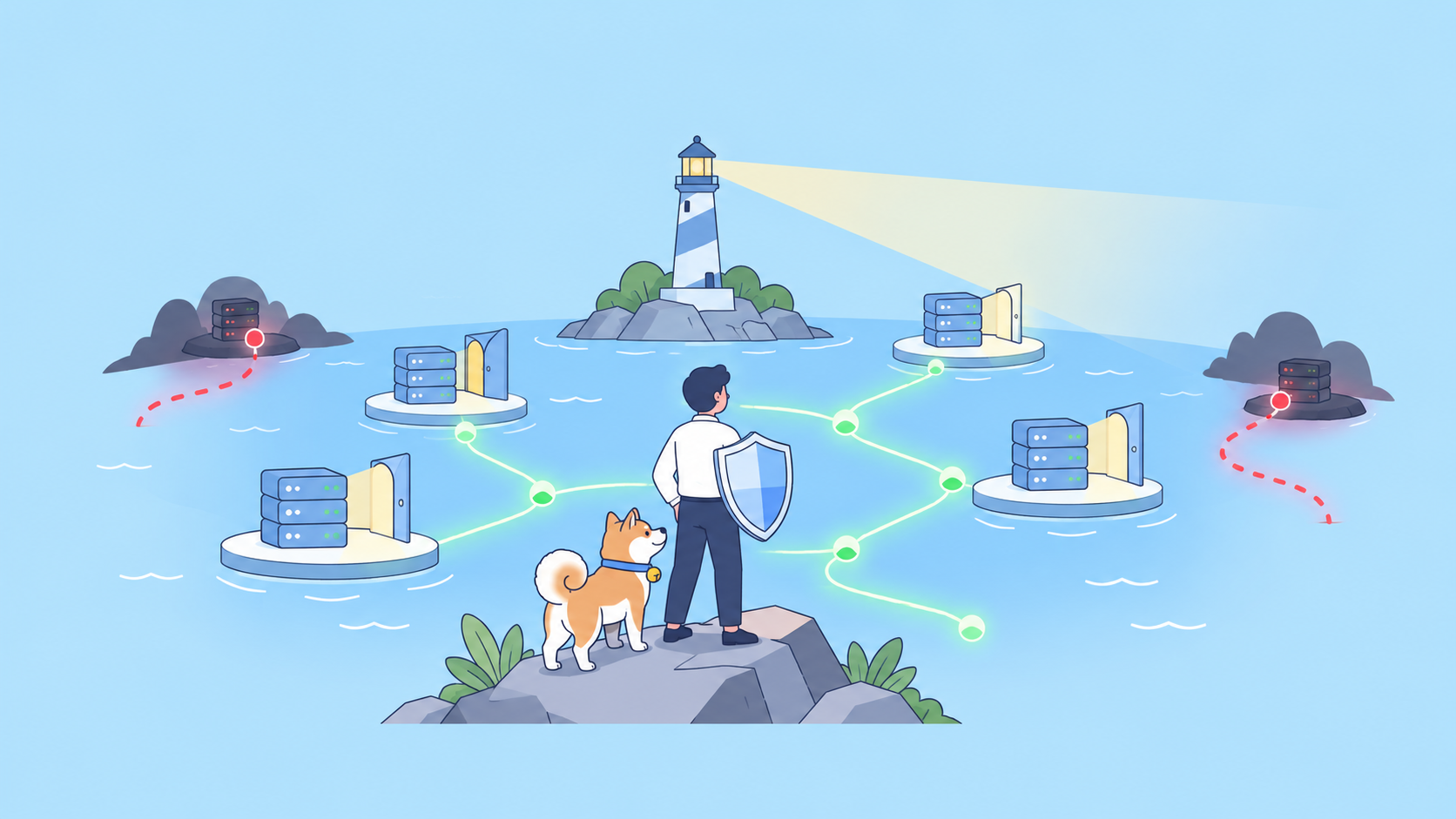
An Information Agent is a long-running query. You describe what you care about; the agent scans the web and Google’s data continuously and sends you updates.
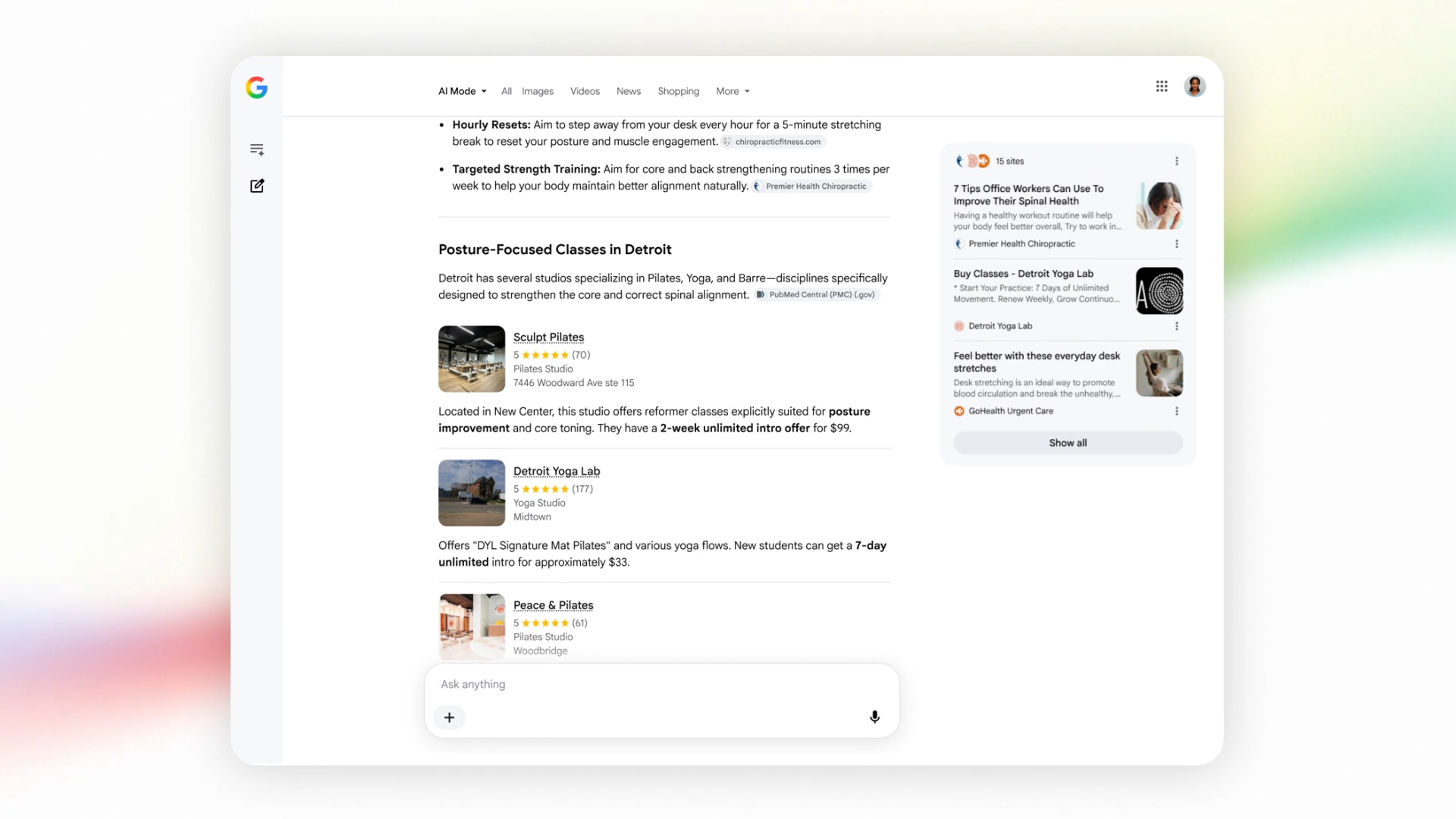
Three traits define it:
- Persistent. Unlike a search query that runs once, an Information Agent keeps running until you cancel it.
- Proactive. The agent decides when to notify you. You don’t refresh a page.
- Multi-source. It checks blogs, news sites, and social posts, plus Google’s freshest data (Google Finance prices, Google Shopping listings, Google Sports scores).
Compare to today’s Google Search: you ask, you get ten links, you read, you leave. Information Agents flip the model. You ask once; the agent works the rest of the week.
Google describes the behavior directly: “Your agent will intelligently look across everything on the web…plus our freshest data…to monitor for changes related to your specific question.” That phrasing matters. “Specific question” is the trigger. Vague queries produce noisy alerts. Precise queries produce timely, useful ones.
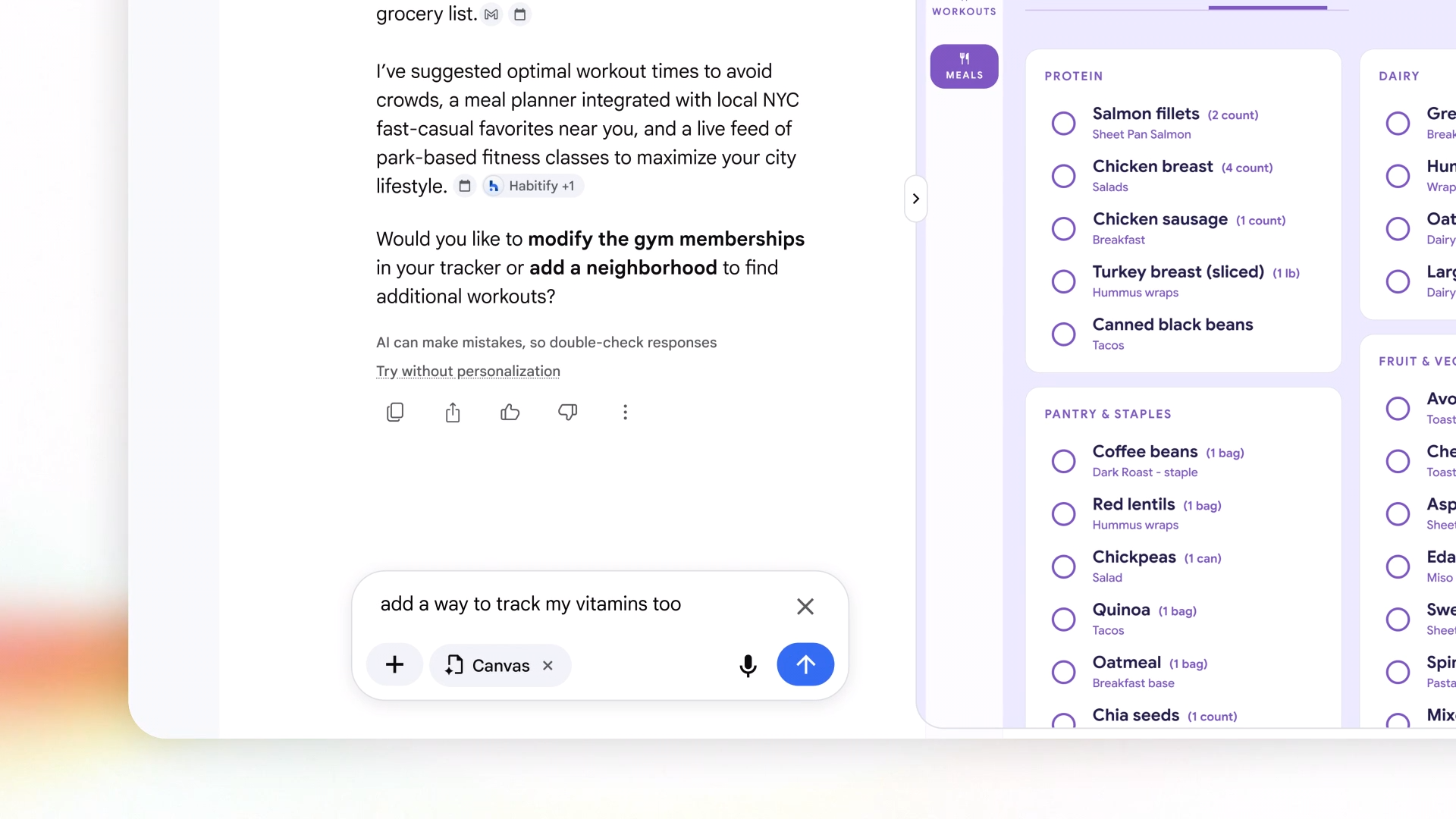
How it works behind the scenes
Information Agents are built on three layers.
Layer 1: Gemini 3.5 Flash. Google explicitly identifies Gemini 3.5 Flash as the model behind Information Agents. Flash is the cheap, fast, “sustained frontier performance for agents” tier. The choice makes sense: Information Agents run constantly, so you need a model that won’t bankrupt the system.
Layer 2: Continuous crawl. Google’s existing crawl and index get a real-time pipeline for the kind of pages that matter to a specific agent. If you’re watching a particular apartment listings site, that domain gets prioritized in the crawl.
Layer 3: Notification engine. When the agent detects a relevant change, it pushes a notification. The user sees a synthesized update with actionable next steps (book the apartment, buy the sneakers, set a price alert).
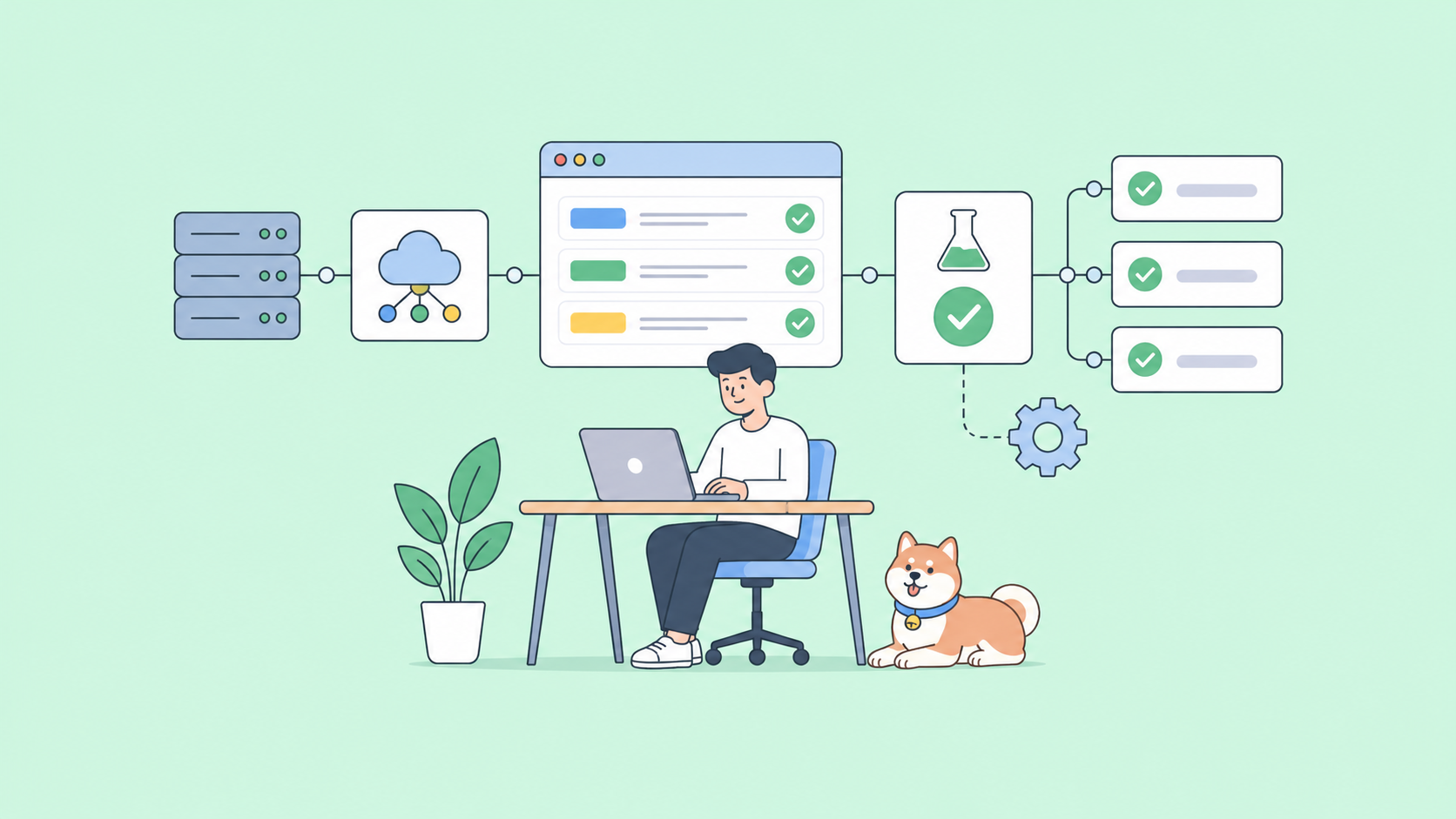
You can think of the stack as: Gemini 3.5 Flash for reasoning, Google Index for breadth, real-time data feeds for freshness, and a notification surface as the delivery channel.
That is a different architecture from Perplexity (which queries on demand) and from OpenAI Deep Research (which runs once per request, takes minutes, and returns a report).
What Information Agents can find for you
Google’s launch examples lean toward consumer and shopping:
- Apartment hunting. “Find me a two-bedroom in Brooklyn under $4,500 with a dishwasher.” Agent watches listings. Notifies when something matches.
- Sneaker drops. “Alert me when LeBron James announces a Nike collaboration.” Agent watches news and sneaker blogs.
- Personalized monitoring. Anything where new information matters and you can describe what counts as new.
Less obvious uses developers will gravitate toward:
- Competitor pricing pages. “Tell me if Stripe changes its pricing on the API access tier.”
- Open-source releases. “Notify me when llama.cpp tags a new release.”
- Research paper feeds. “Alert me when a paper on retrieval-augmented agents is posted on arXiv.”
- Compliance monitoring. “Tell me when GDPR enforcement guidance is updated.”
- Product launch tracking. “Notify me when OpenAI announces a new model.”
The agent doesn’t just send a link. It synthesizes: a one-paragraph summary plus the action you can take next. Same pattern as Google’s existing AI Overviews, but pushed instead of pulled.
The Gemini 3.5 Flash brain
Why Flash, not Pro? A few reasons:
- Cost. Information Agents will run for millions of users continuously. Flash is the only tier where the math works.
- Latency. Notifications must feel timely. Flash responds in seconds.
- Tool use. Flash has strong tool calling, which the agent needs to query indexes, scrape pages, and check data feeds.
- Agent-tuned. Google describes Flash as having “sustained frontier performance for agents.” That phrasing is unusual; it’s a signal that Flash is the model Google is betting on for long-running workloads.
If you’re building agentic features yourself, this is a strong endorsement of Flash for sustained workloads. The same reasoning applies whether you’re calling Flash through Google AI Studio or through your own infrastructure. Wire it into Apidog to validate cost and latency before you commit to a deployment shape.
Where Information Agents will live
Information Agents launch inside AI Mode, Google’s search surface that lives one tap away from regular results. The geographic footprint is sweeping:
| Detail | Value |
|---|---|
| Launch | Summer 2026 |
| Initial access | Google AI Pro and Ultra subscribers |
| Countries/territories | Nearly 200 |
| Languages | 98 |
| Surface | AI Mode in Google Search |
| Model | Gemini 3.5 Flash |
The “98 languages” detail is worth pausing on. Multilingual agentic search is a hard problem. Sources are in dozens of languages, the user’s query is in one language, and the synthesized notification should match the user’s preference. Google solving that across 98 languages is more impressive than the launch deck makes it look.
Initial access is locked to paid AI Pro and Ultra plans. Free Search users will still see AI Mode results but won’t be able to set up persistent agents. The pricing strategy mirrors Gemini Advanced from earlier years: build demand on Pro, expand to free once the cost curve settles.
Pricing and availability
The breakdown:
- Free users. No Information Agents at launch. AI Mode still available for one-off queries.
- Google AI Pro. Limited agent slots, subject to monthly caps Google hasn’t published.
- Google AI Ultra. Higher caps. Better priority on notifications.
- Enterprise (Google Cloud). Not announced, but expect Workspace integration in late 2026.
No standalone Information Agent SKU exists. It’s bundled into the AI Pro and Ultra tiers, the same plans that include Gemini Omni access and the new Antigravity 2.0 tier announced the same week.
If you’re on Pro and the slot cap is too tight, Ultra is the upgrade path. If you’re on free, your wait will likely end by late 2026.
How it compares to Perplexity, ChatGPT Search, and Claude
A side-by-side of how the major AI search products handle ongoing queries:
| Product | One-shot search | Persistent monitoring | Notification | Sources |
|---|---|---|---|---|
| Google Information Agent | Yes (AI Mode) | Yes (background) | Push | Web + Google data |
| Perplexity AI | Yes | Limited (Spaces, manual) | No native push | Web |
| ChatGPT Search | Yes | No | No | Web |
| Claude with web search | Yes | No | No | Web |
Persistent monitoring is the new ground Google is staking out. Perplexity AI has Spaces that hold context, but they don’t run autonomously. ChatGPT search is a one-shot tool. Claude’s web search is on-demand only.
Google’s edge comes from the index plus the data feeds. Nobody else has Google Shopping’s price history, Google Finance’s tick data, and Google’s real-time sports scores all in one search-aware brain. If your monitoring need touches commerce, finance, or sports, Information Agents have the data Perplexity and Claude don’t.
If your monitoring need is purely web-based research (papers, blog posts, GitHub releases), the comparison is closer. Perplexity is still strong for one-off deep research. Information Agents win once you need the persistent monitor.
What this means for developers and API teams
The visible product is consumer-facing. The implications for developers are bigger.
Surface area for Search optimization changes. If a meaningful share of high-intent queries are now persistent agent runs, your content needs to be discoverable in synthesized notifications, not just in the ten blue links. Same SEO fundamentals (clean schema, fresh content, structured data), but the optimization target shifts from “rank for the query” to “be the source the agent cites.”
API and webhook patterns. Information Agents push notifications. Building a system that consumes those notifications (Slack alerts, internal dashboards, automated actions) is exactly the kind of glue work APIs are built for. Set up the receive end in Apidog with mock webhooks; swap in the live endpoint when Google publishes the API.
Agent design patterns to learn from. Google has gone deep on long-running, low-cost agentic workflows. Even if you never use Information Agents, the pattern (a persistent query, a cheap reasoning model, an event-driven notification) is reusable. We covered the broader agentic AI architecture in detail.
Watch for a developer API. Google hasn’t confirmed an API for Information Agents at launch. Based on the Gemini playbook, expect an endpoint in Google AI Studio within months of consumer launch. When it ships, you’ll wire it the same way you wired Managed Agents in Antigravity 2.0.
Download Apidog and set up a placeholder collection now. The endpoint shape will likely mirror Gemini’s generateContent with added monitor and notify fields.
Best practices for getting useful results
Once Information Agents launch, the quality of your output depends almost entirely on the quality of your input. Lessons we expect to apply, based on how Google’s existing AI Overviews behave:
- Be specific. “Apartments in Brooklyn” is bad. “Two-bedroom apartments in Brooklyn under $4,500/month with in-unit laundry, available July” is good.
- Constrain sources. If you only want updates from a specific blog or domain, say so. The agent will weight that source higher.
- Set the urgency. “Alert me immediately” vs “weekly digest” changes the notification cadence.
- Use exclusions. “Don’t show me listings above $5,000” is more powerful than only stating the floor.
- Pair with calendar context. “Until I finish my move on August 15” sets a natural end date so the agent stops on its own.
Wrapping up
Information Agents change the contract between you and Search. The old contract: you ask, Google answers. The new contract: you tell Google what you care about; Google watches the web on your behalf. Persistent, proactive, multi-source.
For consumers, the use cases are obvious: apartments, sneakers, deals, news. For builders, the more interesting question is what to build on top. The notification surface is the first half. The downstream automation (your Slack, your CRM, your monitoring dashboards) is the half you control. Wire those up before the API lands.