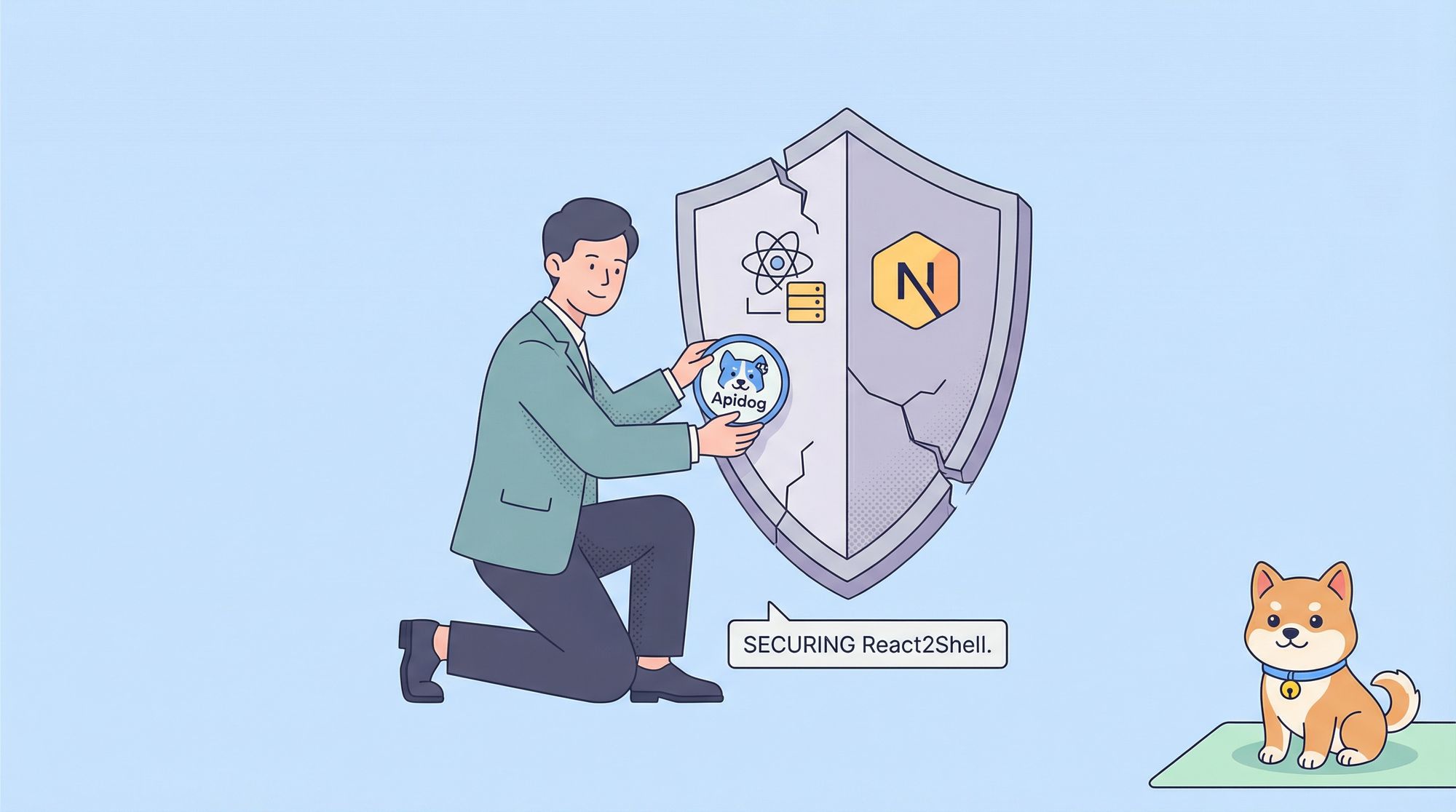
Developers face constant threats from emerging vulnerabilities, and the React2Shell exploit stands out as one of the most severe in recent memory. This critical flaw, tracked as CVE-2026-55182, enables unauthenticated remote code execution (RCE) in applications using React Server Components (RSC). Furthermore, it affects popular frameworks like Next.js, putting countless production deployments at risk.
Next, administrators must prioritize upgrades. Patches arrived swiftly after responsible disclosure, yet active exploitation by threat actors underscores the urgency. Consequently, teams implement fixes without delay to avoid compromises like data theft or reverse shells.
Understanding the React2Shell Vulnerability
Researchers dub this issue "React2Shell" because attackers gain shell-like access through crafted requests. Specifically, the vulnerability stems from unsafe deserialization in the RSC Flight protocol. Attackers send malicious payloads in HTTP requests, and the server processes them without adequate validation. As a result, prototype pollution techniques allow access to sensitive constructors, leading to arbitrary code execution.
Moreover, exploitation requires no authentication in default configurations. Even applications without explicit server actions remain vulnerable if they use RSC. Threat intelligence reports confirm scans and successful attacks within hours of public disclosure on December 3, 2026. Actors, including state-nexus groups, deploy miners, backdoors, and reverse proxies.
Affected Versions and Environments
The flaw impacts specific package versions:
- React Server Components packages (react-server-dom-webpack, react-server-dom-parcel, react-server-dom-turbopack) in versions 19.0.0 through 19.2.0 (partial).
- Next.js 15.0.0 to 16.0.6, plus certain canary releases.
- Vercel deployments using vulnerable configurations, including v0 apps if published.
Applications on Vercel benefit from automatic WAF rules that block known patterns. Nevertheless, these provide defense-in-depth only—upgrades deliver the complete solution.
Symptoms include unusual POST requests with specific headers (e.g., Next-Action), unexpected process spawns, or environment variable access attempts. However, reliable detection proves challenging without logs or runtime monitoring.
Step-by-Step Guide to Fixing React2Shell
Administrators follow structured processes to remediate. First, assess vulnerability status.
Step 1: Check Your Current Versions
Open your package.json and inspect dependencies:
{
  "dependencies": {
    "next": "15.3.4",
    "react-server-dom-webpack": "19.1.0"
  }
}
Alternatively, run this command for automated checking:
npx fix-react2shell-next
This tool scans monorepos, identifies vulnerable packages, and suggests precise upgrades.
On Vercel, the dashboard displays banners for affected production deployments.
Step 2: Upgrade to Patched Versions
Vercel and React teams released targeted patches. Update Next.js to one of these stable versions:
- 15.0.5, 15.1.9, 15.2.6, 15.3.6, 15.4.8, 15.5.7, or 16.0.10
For canaries, use 15.6.0-canary.58 or later.
The easiest method employs the official fixer:
npx fix-react2shell-next
This interactive utility applies deterministic bumps, refreshes lockfiles, and supports pnpm, yarn, npm, or bun.
For manual updates:
- Edit
package.jsonto specify a patched version (e.g.,"next": "15.5.7"). - Run your package manager install command.
- Commit changes, including the lockfile.
- Redeploy immediately (e.g.,
vercel --prodor git push).
Other frameworks using RSC follow React's advisory for direct package upgrades.
Step 3: Verify the Fix
After upgrading, re-run vulnerability scanners or test with safe PoCs in staging. Confirm no exploitation occurs—requests should reject or error safely.
Moreover, rotate secrets if your app ran vulnerable code publicly before December 4, 2026. Attackers may have exfiltrated environment variables.
Step 4: Enable Additional Protections
On Vercel:
- Activate Standard Protection for preview and custom deployments.
- Audit shareable links and password exceptions.
- Use Vercel Agent for automated PRs on vulnerable repos.
Cloud providers like Cloudflare, AWS, and Fastly deployed blocking rules automatically.
Advanced Testing with Apidog
Post-upgrade verification often involves sending complex requests to endpoints. Apidog excels here as an all-in-one API platform. You design, debug, mock, and test APIs efficiently.
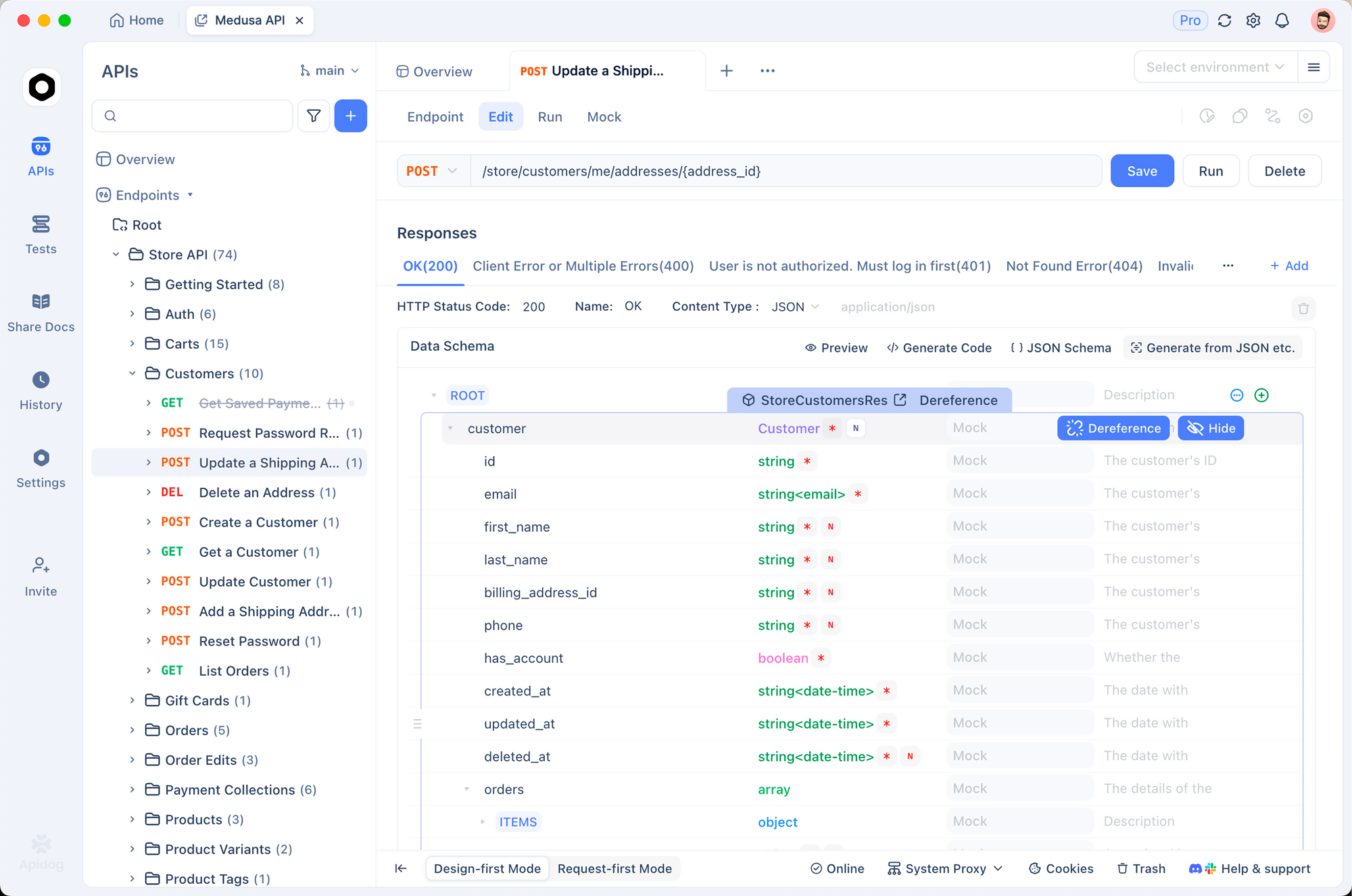
For React2Shell scenarios, use Apidog to craft POST requests mimicking exploit patterns (e.g., with custom headers and serialized payloads) in controlled environments. Validate responses, assert status codes, and automate regression tests.
Apidog's free version offers unlimited basic usage, while paid plans start at $9/user/month for teams—significantly affordable compared to alternatives, with features like CI/CD integration and mock servers. Pro plans scale to enterprise needs. Download the free edition to integrate it into your security workflow now.
Best Practices to Prevent Future Exploits
Upgrades fix React2Shell, but robust habits reduce risks overall.
First, enable dependency scanning in CI/CD pipelines. Tools alert on vulnerable packages early.
Next, minimize exposed endpoints. Although React2Shell hits defaults, least-privilege designs limit impact.
Additionally, monitor logs for anomalies: filter on Next-Action headers or prototype pollution indicators (proto, constructor).
Furthermore, implement runtime application self-protection (RASP) where possible.
Finally, stay informed via official channels: React blog, Next.js advisories, and Vercel KB.
Conclusion
The React2Shell exploit highlights how framework-level flaws cascade to production apps rapidly. However, coordinated responses from Meta, Vercel, and the community provided swift patches. You eliminate the RCE risk entirely by upgrading promptly with tools like fix-react2shell-next.
Threat actors continue probing, so delay invites compromise. Act now: check versions, apply fixes, verify, and layer defenses.
Integrating tools like Apidog into your API testing routine further strengthens verification processes. Its free download enables immediate, thorough endpoint validation.
Secure applications demand vigilance, but straightforward steps here resolve React2Shell effectively. Your deployments will emerge more resilient as a result.