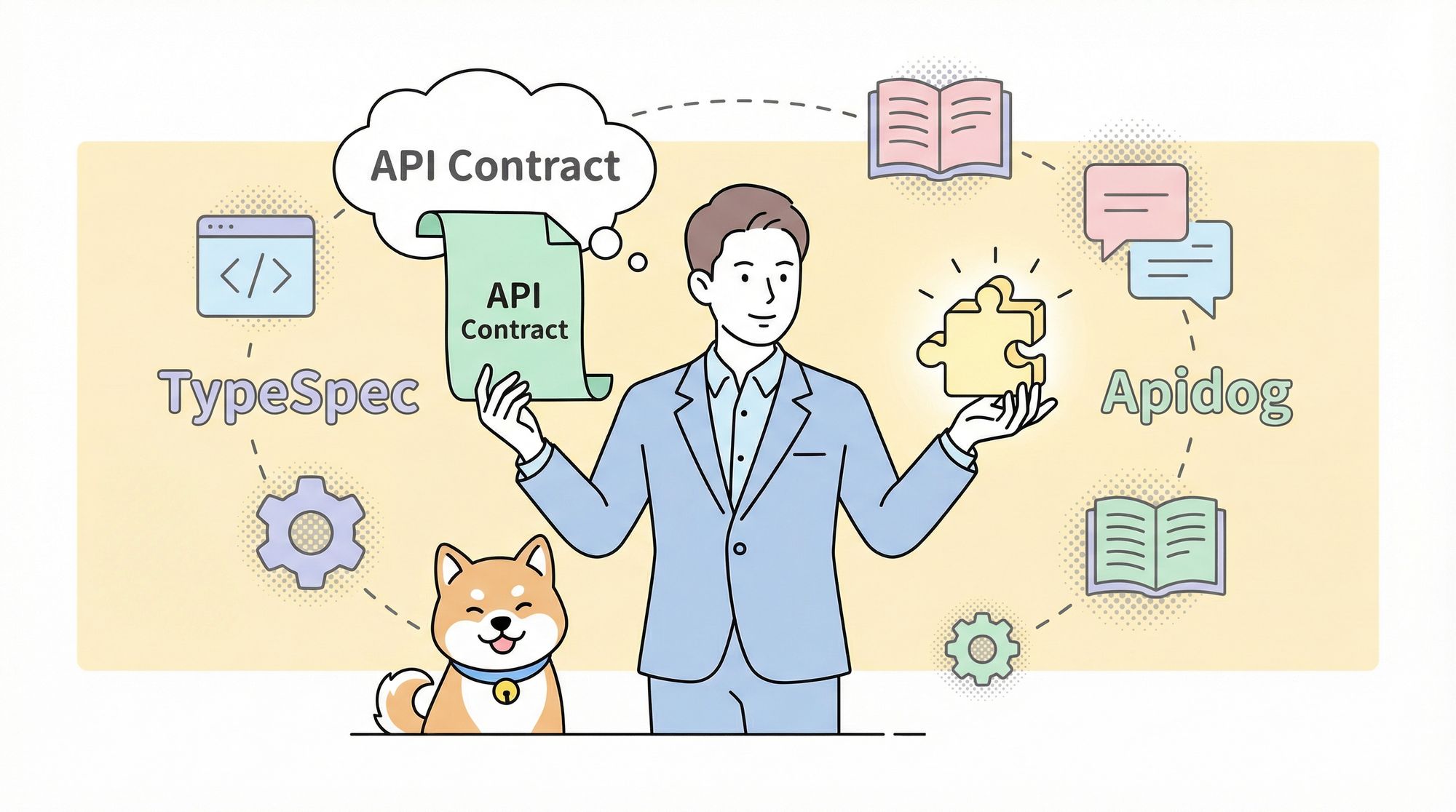
TypeSpec is an open-source language developed by Microsoft for designing APIs. It provides a compact, expressive way to define services, models, operations, and constraints. Instead of hand-crafting long OpenAPI files, you write concise TypeSpec definitions, then compile them using emitters to generate OpenAPI specs, client SDKs, and server stubs. Because TypeSpec is extensible and community-driven, it fits a wide range of domains—not just Azure.
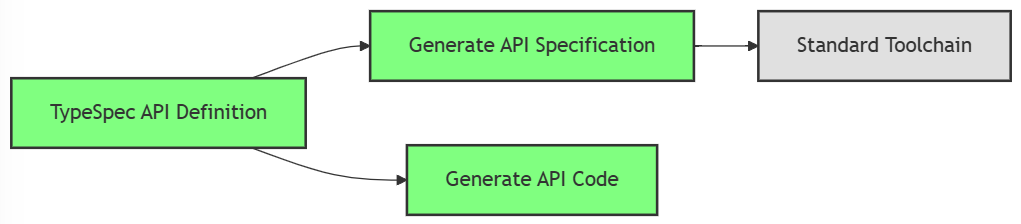
Why teams reach for TypeSpec in API designing:
- Concise, readable API definitions with reusable models and decorators
- Standard emitters for OpenAPI 3, client code (.NET, Java, JS, Python), and server stubs (.NET, JS)
- Consistency and governance through a single design language
- Smooth migration via OpenAPI → TypeSpec conversion tools
- First-class IDE support via VS Code/Visual Studio extensions and a web playground
TypeSpec reduces friction for architects and developers who need a shared, reviewable language for API design. The result is faster iteration, fewer inconsistencies, and stronger alignment with platform standards.
How TypeSpec Works?
At a high level, you define API structures in .tsp files using TypeSpec’s language features (models, enums, decorators, namespaces). The TypeSpec compiler then processes those definitions and invokes emitters to generate artifacts.
A typical TypeSpec API design workflow looks like this:
- Start with a new TypeSpec project or migrate an OpenAPI spec using the OpenApiMigration tool
- Define a service using
@serviceand optional@server - Organize with
namespaceblocks and nested namespaces per resource - Model your data using
model,enum, and validation decorators like@minLength - Define REST routes and verbs using
@route,@get,@post,@put,@delete - Compile with
tsp compile .to emit OpenAPI, client SDKs, and server stubs - Integrate the generated artifacts with your existing toolchain
Example highlights from the official docs:
- Client code generation: .NET, Java, JavaScript, and Python
- Server-side stubs: .NET and JavaScript
- Interoperability: Use the generated OpenAPI with tools like Apidog, gateways, and testing suites
This model keeps the design source of truth in TypeSpec while letting downstream systems consume standard outputs.
Quickstart: How to Use TypeSpec to Design APIs
Follow these steps to get a project compiling in minutes:
1. Install prerequisites
- Node.js LTS (20+), npm 7+
- TypeSpec CLI:
npm install -g @typespec/compiler
2. Initialize a project
tsp init→ choose "Generic REST API" template- Ensure
@typespec/httpand@typespec/openapi3are selected
3. Compile
tsp compile .to generatetsp-output/@typespec/openapi3/openapi.yaml- Use
tsp compile . --watchfor live rebuilds
4. Author definitions
- Create a service:
@service({ title: "Pet Store" })+@server("https://example.com","Single endpoint") - Namespace:
namespace PetStore; - Model:
model Pet { id: int32; name: string; } - Routes + ops:
@route("/pets") namespace Pets { @get op listPets(): {...} }
5. Integrate with tools
- Import into Apidog or other tools using the emitted OpenAPI
- Generate SDKs or stubs using TypeSpec emitters as needed
Tips for productive API designing:
- Keep decorators close to the model to document intent (
@minLength,@maxValue) - Use nested namespaces to clarify resources and create meaningful operationIds
- Treat the
.tspfiles as the contract—review them like code
Why Apidog is the Best API Development Tool to Pair with TypeSpec
TypeSpec is excellent for contract-first design. Apidog is the best-in-class platform to turn that contract into a living API—visually, collaboratively, and testably. Together, they deliver a fast, reliable path from specification to production.
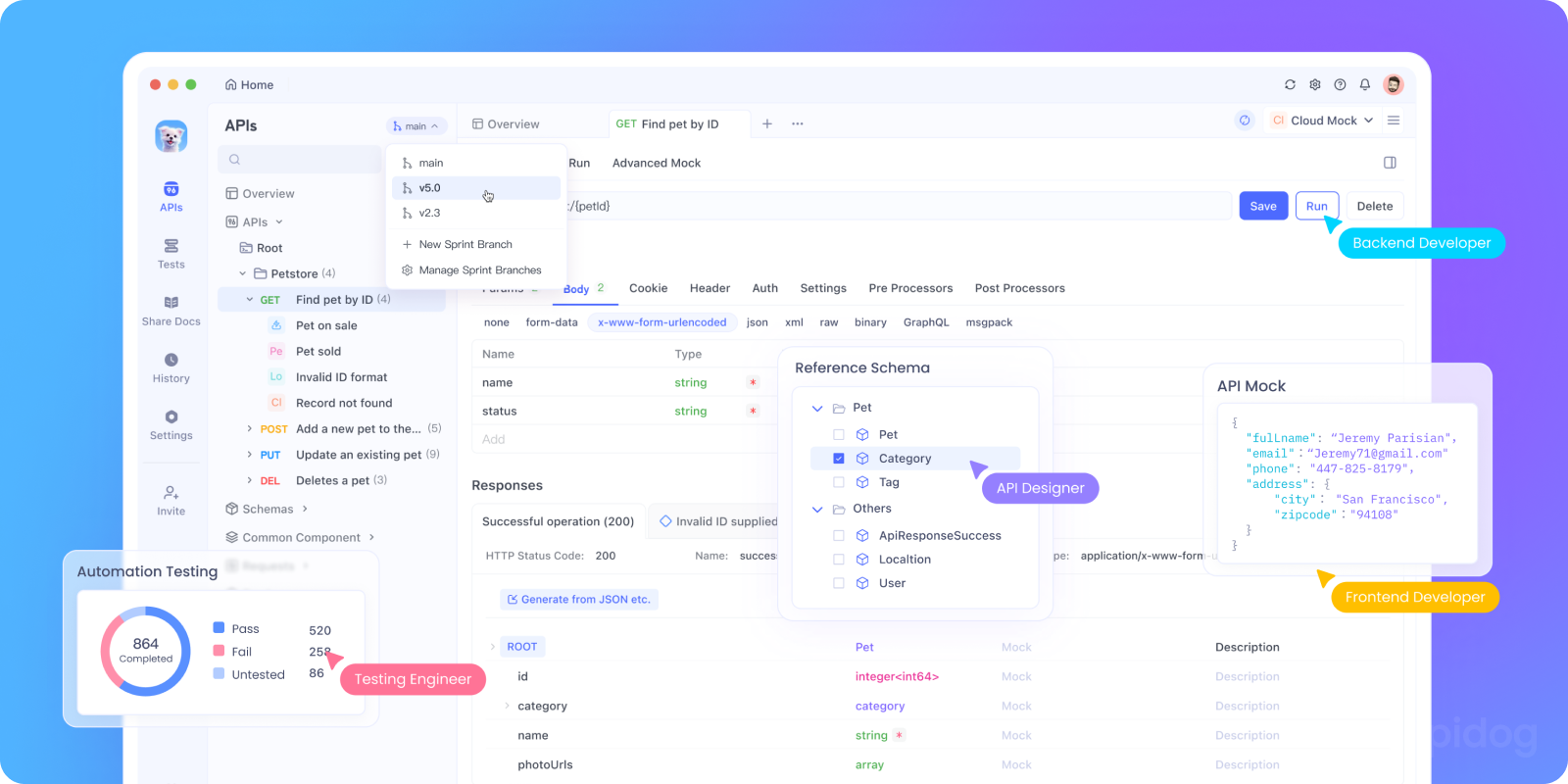
Apidog's strengths that amplify TypeSpec:
- Visual API Designer: edit or build endpoints with forms, schema editors, and examples—no manual JSON required
- Mocking & parallel development: auto-generate mocks from the spec so frontend and backend can move in parallel
- Automated testing: visual assertions, JSONPath extraction, test scenarios, performance tests, and CI runners
- Live, interactive docs: publish clean documentation with access controls (Public, Password, IP, Email, Custom Login)
- Collaboration: branching, reviews, and role-based access so teams iterate safely
- API Hub distribution: publish public APIs to Apidog API Hub for discovery
A simple flow:
- Design a contract in TypeSpec and emit OpenAPI
- Import the OpenAPI into Apidog
- Use visual tools to refine examples, auth, and environments
- Build test suites with JSONPath-based checks and CI/CD commands
- Publish docs with the right visibility for public, partners, or pilots
Because Apidog unifies API design, mocking, testing, debugging, documentation and distribution, it reduces context switching and keeps teams aligned. That is why teams that love TypeSpec also adopt Apidog for daily execution.
TypeSpec vs visual API designing in Apidog
It's not either/or—it's both. TypeSpec gives you a compact, code-like way to define APIs. Apidog gives you a visual, collaborative workspace to operate those APIs every day. Here is how they complement each other:
| Task | TypeSpec (open-source) | Apidog (visual API designing) |
|---|---|---|
| Author contract | .tsp code-like files with decorators |
Form-based editors and schema UI |
| Emit artifacts | OpenAPI, SDKs, server stubs | Not applicable (imports OpenAPI) |
| Collaboration | Git-driven reviews | Branching,merges, roles, comments, history |
| Mocking | Via emitters/tooling | Auto mocks from spec |
| Testing | Out of scope | Built-in unit, scenario, perf tests |
| Docs & access | Via external tools | Built-in docs + access control |
| Distribution | External | API Hub for discovery |
Use TypeSpec to keep your contract tight and consistent. Use Apidog to accelerate real-world delivery across teams.
Getting Started: Design APIs with TypeSpec + Apidog
- Install TypeSpec and scaffold a project (
tsp init) - Define your service, models, operations, and validators
- Compile to OpenAPI (
tsp compile .) - Import the OpenAPI into Apidog
- Use Apidog's Visual Designer to adjust request/response examples, headers, and auth
- Create automated tests (assertions, JSONPath extraction, chained flows)
- Set up CI/CD with Apidog's runners for regression and performance
- Publish docs to the right audience with one of five access modes
- Iterate with branches and reviews; version when stable
This pairing lets architects keep a single source of truth while giving implementers the visual tooling they need to move fast without breaking the contract.
Conclusion: Open-source Design Power Meets Visual Execution Speed
In the rapidly evolving API space, TypeSpec brings a clear, open-source language for API designing that compiles into the artifacts your toolchain expects. You get concise contracts, strong governance, and repeatable generation of OpenAPI, SDKs, and server stubs.
Pair TypeSpec with Apidog, and you unlock the full API lifecycle: visual design, debugging, automated testing, documentation, and distribution—all in one place. This combination reduces errors, shortens feedback loops, and keeps your team synced from contract to code to customer.
If you want to design APIs with confidence and ship faster, use TypeSpec to define the contract and Apidog to bring it to life. Sign up for Apidog today and turn great API designs into reliable, well-tested, and well-documented services.