In the era of instant messaging, ride-hailing, and same-day deliveries, waiting days for a payment to clear feels outdated. Real-time payments APIs are the technology that brings the speed of the digital world to financial transactions, enabling money to move between accounts in seconds, 24/7/365. In this comprehensive guide, we'll dive deep into what real-time payments APIs are, how they work, why they're revolutionizing finance, and how you can design and test these APIs using modern API platforms like Apidog.
What Are Real-Time Payments APIs?
A real-time payments API is a software interface that connects applications, banks, and payment processors to payment networks capable of instantly settling transactions. Unlike traditional payment rails like ACH or wire transfers, which can take hours or days, real-time payments APIs orchestrate the entire process—initiation, authorization, settlement, and confirmation—in seconds.
Key characteristics of real-time payments APIs:
- Instant settlement: Funds are available to the recipient immediately after the API call completes.
- 24/7/365 operation: No waiting for banking hours, weekends, or holidays.
- Immediate confirmation: Both sender and receiver receive confirmation instantly.
- Global reach: Many real-time payments APIs now support cross-border transactions using instant rails like SEPA Instant (EU), UPI (India), PIX (Brazil), and RTP/FedNow (US).
Why Do Real-Time Payments APIs Matter?
- Consumer expectations: Users and businesses expect instant gratification and seamless experiences.
- Business agility: Enables on-demand payroll, gig economy payouts, insurance disbursements, and just-in-time supplier payments.
- Reduced risk: Immediate settlement reduces the risk of payment reversals or fraud.
- Better visibility: Real-time APIs provide up-to-the-second tracking of payment status and liquidity.
How Real-Time Payments APIs Work
The Underlying Rails
Real-time payments APIs connect your software to instant payment networks, such as:
- RTP Network (US, The Clearing House)
- FedNow (US, Federal Reserve)
- SEPA Instant (Europe)
- Faster Payments (UK)
- PIX (Brazil)
- UPI (India)
These networks guarantee that once a payment is initiated, settlement is final, and funds are accessible in seconds.
API Workflow: Step by Step
1. Payment Initiation:
The client application makes a POST request to the real-time payments API endpoint with the recipient's details, amount, and metadata.
2. Validation:
The API validates the request, checks for sufficient funds, correct recipient data, and compliance requirements.
3. Network Routing:
The API selects the appropriate payment rail (e.g., RTP, SEPA Instant) based on the recipient's country and bank.
4. Settlement:
The payment is processed and settled in real time—often in less than five seconds.
5. Confirmation and Webhooks:
The API returns an immediate confirmation to the sender, and a webhook notifies the recipient system of the successful payment.
Example: Real-Time Payments API Request
POST /api/payments/real-time
Content-Type: application/json{
  "sender_account": "1234567890",
  "recipient_account": "9876543210",
  "amount": 200.00,
  "currency": "USD",
  "description": "Instant payout for invoice #456",
  "idempotency_key": "unique-tx-20240122-0001"
}
Example: Real-Time Confirmation Webhook
{
  "event": "payment.settled",
  "payment_id": "tx-20240122-0001",
  "status": "settled",
  "settled_at": "2024-04-22T14:03:12Z"
}
Key API Features
- Idempotency: Prevents duplicate transactions if a request is retried due to a network timeout.
- Batch Endpoints: Allows submitting hundreds of payments in a single API call for mass payouts.
- Webhook Notifications: Provides instant updates on payment status, including success, failure, or return.
- ISO 20022 Messaging: Supports rich remittance data, enabling up to 140 characters per transaction for global compliance.
Comparing Real-Time Payments APIs to Traditional Payment Methods
| Feature | Traditional Payments (ACH, Wire) | Real-Time Payments APIs |
|---|---|---|
| Processing Time | 1–3 business days | Seconds, 24/7/365 |
| Availability | Business hours only | Always available |
| Confirmation | Delayed, "pending" status | Immediate |
| Settlement Finality | May be reversible, delayed | Immediate and irrevocable |
| User Experience | Uncertain, slow | Transparent, instant |
| Cross-Border Capability | Often slow and expensive | Instant in supported countries |
Real-World Applications of Real-Time Payments APIs
1. Gig Economy Platforms
Platforms like ride-sharing, food delivery, and freelancing apps use real-time payments APIs to pay workers the moment a job is completed. This improves retention and satisfaction.
Example:
A ride-sharing company integrates a real-time payments API to trigger instant payouts to drivers after each ride, eliminating the wait for weekly or biweekly payments.
2. Marketplace Disbursements
E-commerce marketplaces use real-time payments APIs for instant payouts to sellers, enabling faster cash flow and attracting more vendors.
3. On-Demand Payroll
Employers can offer "earned wage access" by integrating real-time payments APIs, allowing employees to cash out their wages instantly after a shift.
4. Insurance Claims
Insurance companies use real-time payments APIs for instant claims settlements—customers receive funds within seconds after approval, enhancing trust and loyalty.
5. Corporate Treasury and Supplier Payments
Corporates use real-time payments APIs to optimize liquidity and pay suppliers just-in-time, avoiding unnecessary float and ensuring business continuity.
Building and Testing Real-Time Payments APIs: Best Practices
Designing and integrating real-time payments APIs requires rigorous planning, security, and robust testing. Here are key considerations:
1. API Design and Documentation
- Use clear, RESTful endpoints for payment initiation, status tracking, and returns.
- Document required fields (e.g., recipient account, amount, currency, remittance info).
- Specify idempotency mechanisms to prevent duplicate transactions.
Tip: Use Apidog to design and document your real-time payments APIs. Apidog makes it easy to create standardized API schemas, generate online documentation, and collaborate with your team.
2. Mocking and Simulation
Testing real-time payments APIs with live funds is risky and expensive. Instead, use API mocking tools to simulate responses and error scenarios.
Example with Apidog:
- Create mock endpoints for
POST /api/payments/real-timeand simulate various responses (success, insufficient funds, network timeout). - Use Apidog's mock data feature to preview webhook notifications and ensure your system handles every status.
3. Security and Compliance
- Authenticate every API call using OAuth 2.0 or API keys.
- Encrypt sensitive data in transit and at rest.
- Ensure compliance with PCI DSS, GDPR, and local financial regulations.
4. Idempotency and Error Handling
- Require an
idempotency_keywith every payment request. - Handle retries gracefully—never double-charge a customer.
- Log every transaction for audit and compliance.
5. Webhooks and Real-Time Updates
- Register webhook endpoints to receive real-time payment status updates.
- Validate webhook payloads for security.
- Use Apidog to test and debug webhook flows before going live.
Example: Designing a Real-Time Payments API with Apidog
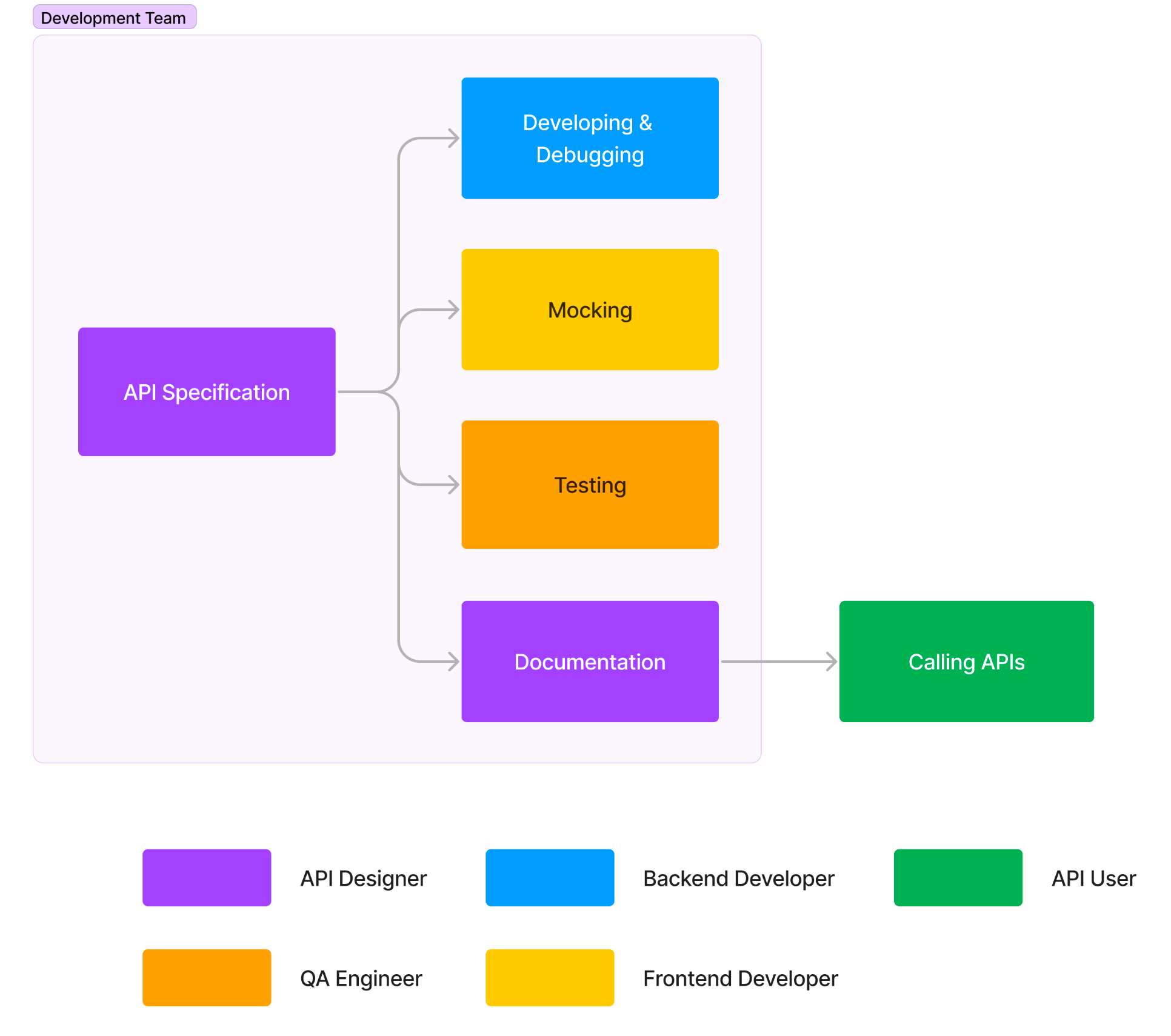
Let's walk through a simplified workflow for creating and testing a real-time payments API using Apidog:
1. Define API Endpoints in Apidog:
-
POST /api/payments/real-time(initiate payment) -
GET /api/payments/{payment_id}(check payment status) POST /api/webhooks/payment(receive settled status)
2. Document Request and Response Structures:
Use Apidog's visual editor to specify all fields, required formats, and example payloads.
3. Mock API Responses:
Configure mock data for both successful and failed settlements, including webhook callbacks.
4. Team Collaboration:
Share the API documentation and mock environment with frontend, backend, and QA teams for integrated testing.
5. Iterate and Publish:
Update API specs as you refine your integration, and publish online documentation for partners and internal teams.
Apidog streamlines the entire lifecycle of real-time payments API development, from design and testing to documentation and collaboration.
Practical Example: Instant Gig Worker Payouts
Here's a practical scenario showing how a gig economy platform can leverage real-time payments APIs:
Scenario
A food delivery app wants to pay its couriers instantly after each delivery. The system integrates with a real-time payments API.
Step 1: Courier Completes Delivery
The backend triggers a payment via the real-time payments API:
POST /api/payments/real-time
{
  "sender_account": "platform-main-acc",
  "recipient_account": "courier_bank_acc",
  "amount": 50.75,
  "currency": "USD",
  "description": "Delivery payout #123456",
  "idempotency_key": "courier-123456-20240422"
}
Step 2: Payment Settled Webhook
POST /api/webhooks/payment
{
  "event": "payment.settled",
  "payment_id": "courier-123456-20240422",
  "status": "settled"
}
Step 3: Courier Receives Notification
The courier app is updated instantly, and the courier sees the funds in their bank account within seconds.
Choosing a Real-Time Payments API Provider
When evaluating real-time payments APIs for your business, consider the following:
- Network coverage: Does the API support the payment rails and countries you need?
- Settlement speed: Are funds truly available instantly, or is it just a fast acknowledgment?
- API reliability: SLA, uptime, and robust error handling.
- Security features: Tokenization, encryption, fraud detection.
- Developer experience: Clear documentation, SDKs, sandbox/testing environments.
- Integration with API design tools: Seamless import/export with platforms like Apidog for faster development and documentation.
Real-Time Payments APIs: The Future of Digital Transactions
Real-time payments APIs are transforming the way money moves—breaking free from the constraints of business hours, batch processing, and slow settlements. Whether you're building a fintech app, a gig economy platform, or a global marketplace, integrating real-time payments APIs will keep you ahead of customer expectations and competitors.
Platforms like Apidog make it easy to design, document, and test your real-time payments API integrations, ensuring a smooth development process and a reliable, secure launch.
Frequently Asked Questions About Real-Time Payments APIs
Q: Are real-time payments APIs only for banks?
A: No. Any business or fintech platform that needs to move money instantly can use real-time payments APIs, provided they work with a provider or bank that offers access.
Q: How can I test real-time payments APIs safely?
A: Use API mocking and sandbox environments provided by your API provider or platforms like Apidog to simulate real-world scenarios without moving real funds.
Q: Do real-time payments APIs work internationally?
A: Many providers support cross-border instant payments via local instant rails, but coverage depends on the provider and the countries involved.