
The field of AI-powered image editing is evolving rapidly, and Qwen-Image-Edit is setting a new standard for developers and technical teams. Developed by Alibaba Cloud’s Qwen team, Qwen-Image-Edit is a specialized variant built on the robust Qwen-Image foundation model, boasting 20 billion parameters for industry-leading image generation and editing precision.
Before exploring how to integrate and leverage Qwen-Image-Edit for your projects, consider streamlining your workflow with Apidog—a comprehensive API development and testing platform. Apidog simplifies the process of connecting to powerful AI model APIs like Qwen-Image-Edit, enabling efficient prototyping, debugging, and deployment for image editing applications.
What Is Qwen-Image-Edit?
Qwen-Image-Edit is an open-source, large-scale model purpose-built for intelligent image manipulation. Unlike traditional manual tools, it uses multimodal machine learning to analyze both visuals and text, delivering precise, context-aware editing results. Its strengths lie in areas where previous models often failed, such as complex text rendering and editing in multiple languages.
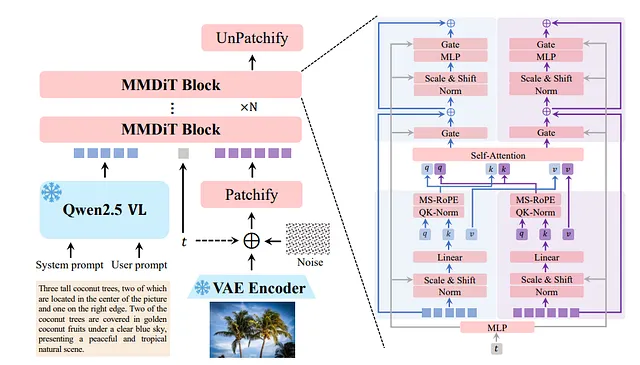
Qwen-Image-Edit Architecture: Built for Developers
Core Technical Features
- Model Size: 20 billion parameters for exceptional detail and understanding
- Architecture: Multimodal Diffusion Transformer (MMDiT)
- License: Apache 2.0—ideal for both commercial and open-source use
This architecture allows Qwen-Image-Edit to process images and text in tandem, enabling context-driven edits that maintain visual coherence and semantic accuracy.
Why 20B Parameters Matter
A high parameter count allows the model to:
- Recognize subtle image details
- Follow complex editing instructions
- Deliver high-fidelity results across diverse styles and formats
The permissive Apache 2.0 license also means technical teams can deploy Qwen-Image-Edit in commercial SaaS products, internal tools, or open-source projects without licensing friction.
Progressive Training for Superior Text Handling
Qwen-Image-Edit overcomes the usual challenges of text-in-image editing by employing a multi-stage training pipeline:
- Data Pipeline: Large-scale collection, filtering, annotation, synthesis, and balancing
- Progressive Learning: Starts with basic non-text tasks, then advances to sophisticated text rendering and editing
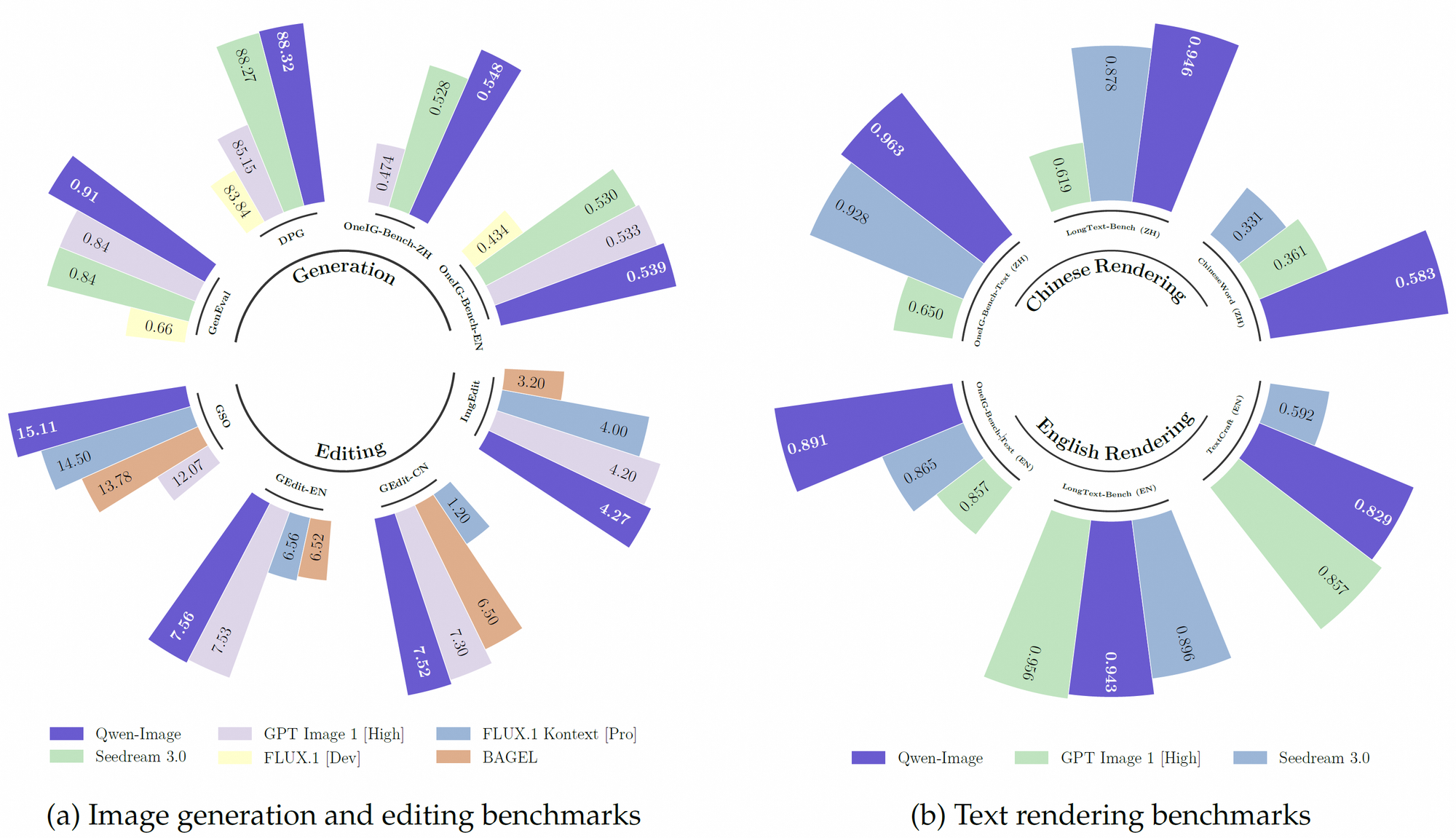
This staged approach ensures the model masters foundational tasks before tackling nuanced scenarios like multilingual text and stylistic consistency, making it reliable for global, production-grade applications.
Key Features and Developer Benefits
Multilingual, Precision Text Editing
- Direct Text Manipulation: Add, delete, or modify text within images in both Chinese and English
- Style Preservation: Maintains original font, size, and layout for seamless edits
Real-World Example
Edit business cards, product labels, or marketing banners without needing to re-design from scratch. Qwen-Image-Edit analyzes existing typographic features and applies changes while keeping the design authentic.
Deep Image Understanding
Qwen-Image-Edit isn't just about editing—it comprehends image content for smarter results:
- Object Detection: Target and modify specific items in a scene
- Semantic Segmentation: Distinguish between objects, backgrounds, and regions
- Depth & Edge Estimation: Enable realistic lighting, focus, and object placement
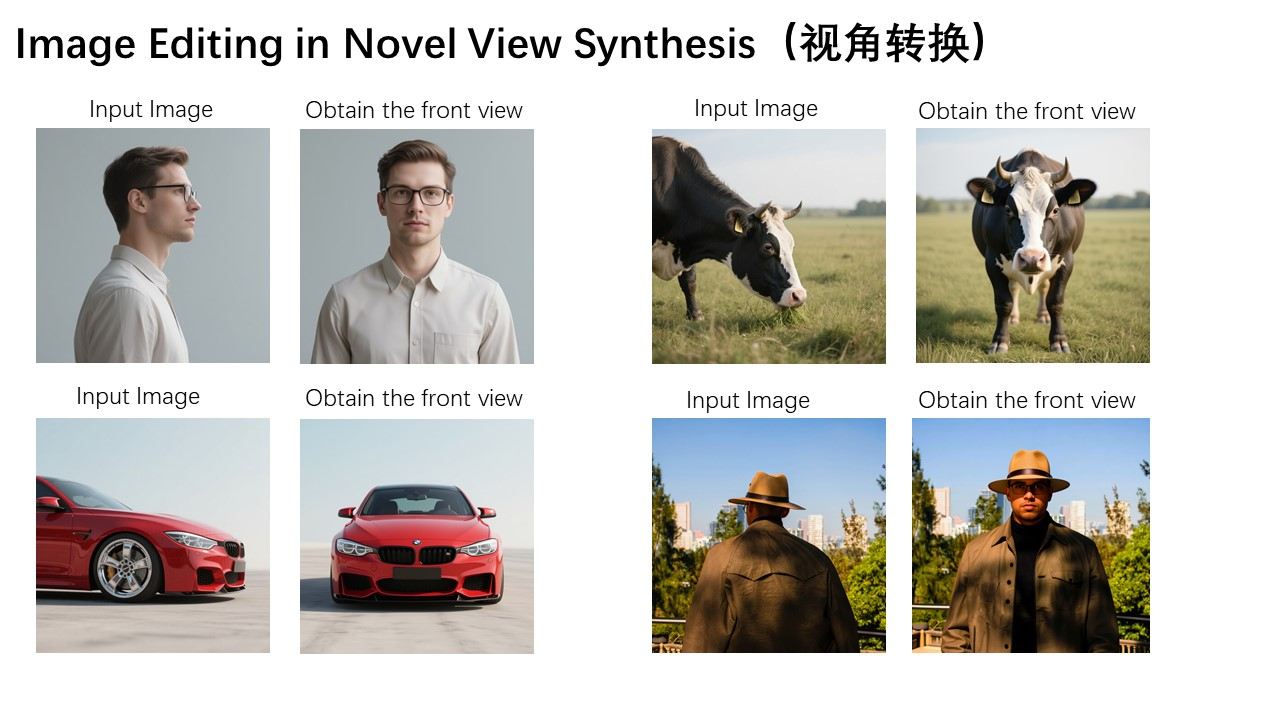
- Super-Resolution & View Synthesis: Enhance image quality or generate new perspectives
Use Case
E-commerce teams can modify only the product in a photo, leaving the background untouched, or add new elements with correct shadows and perspective.
Versatile Editing Operations for Professional Results
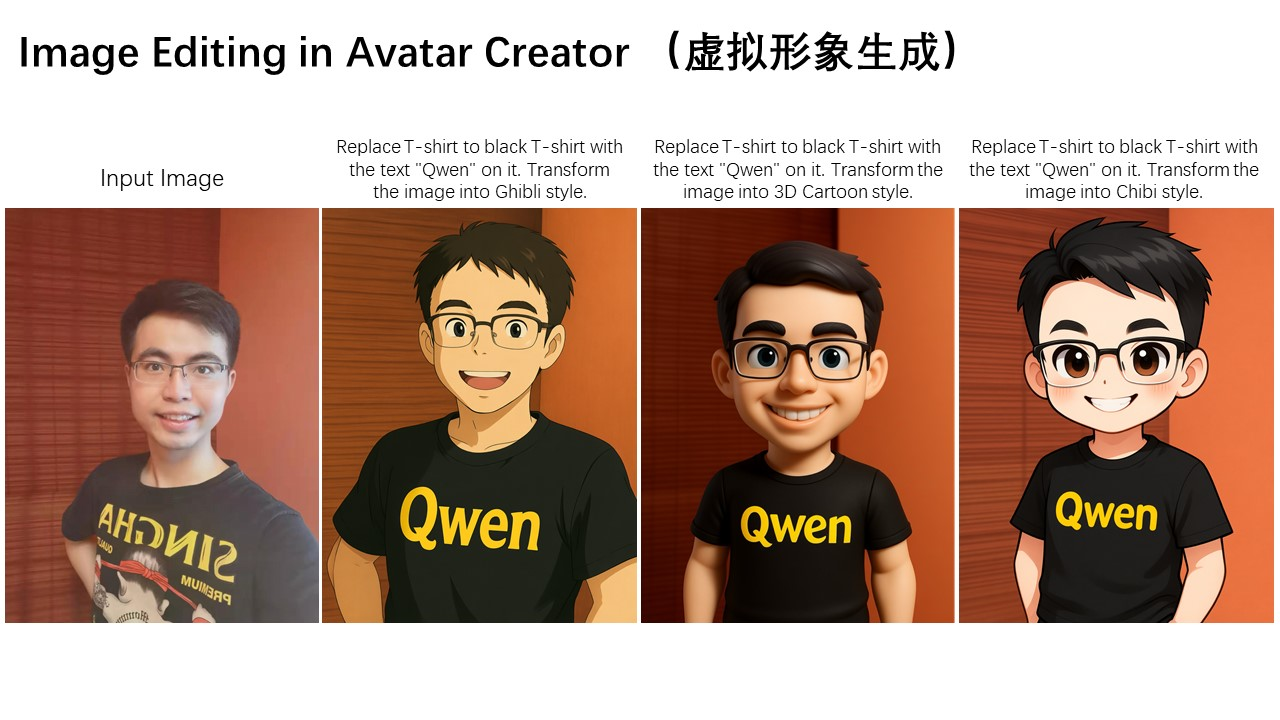
- Style Transfer: Apply consistent branding or artistic effects across images
- Content Addition/Deletion: Insert or remove objects contextually
- Detail Enhancement: Sharpen, clarify, or adjust visual elements
- Character Pose Adjustment: Modify human or object poses for dynamic imagery
These capabilities make high-quality editing accessible to both skilled designers and non-experts, all via API integration.
API Integration: Bringing Qwen-Image-Edit into Your Workflow
Platform Access Points
Qwen-Image-Edit is accessible on:
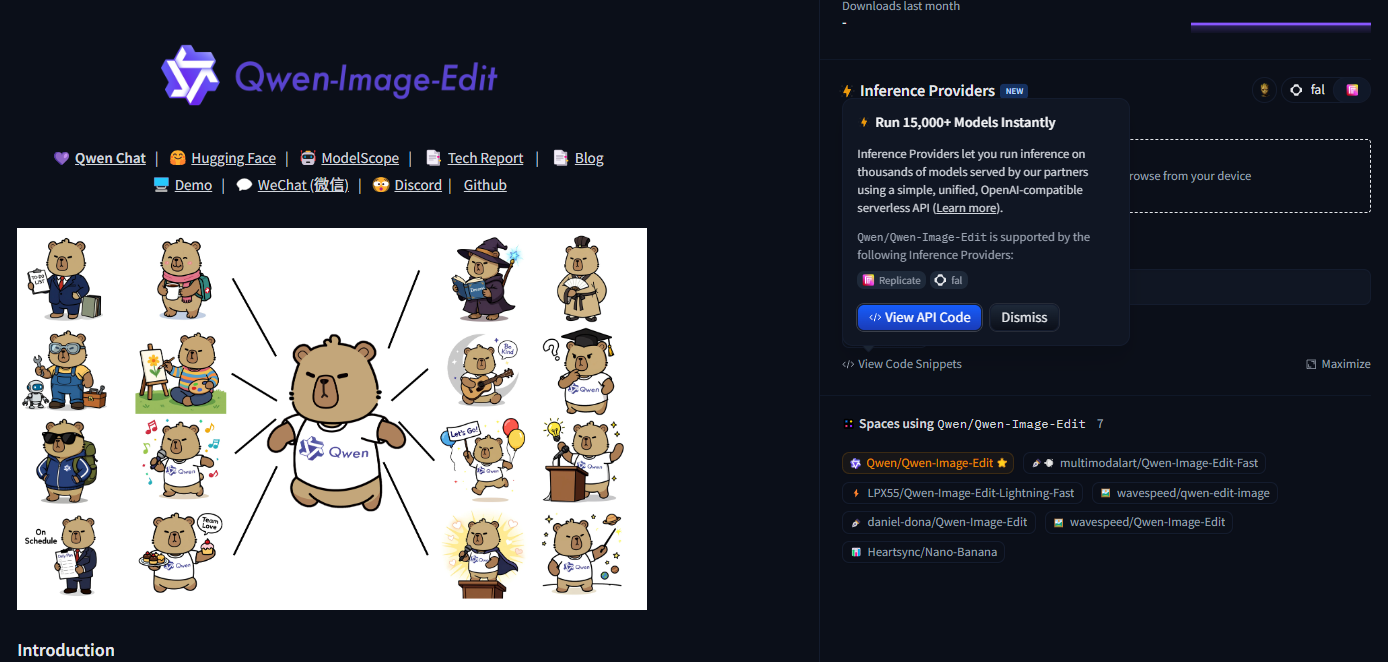
- Hugging Face: Python integration via the transformers library for rapid prototyping
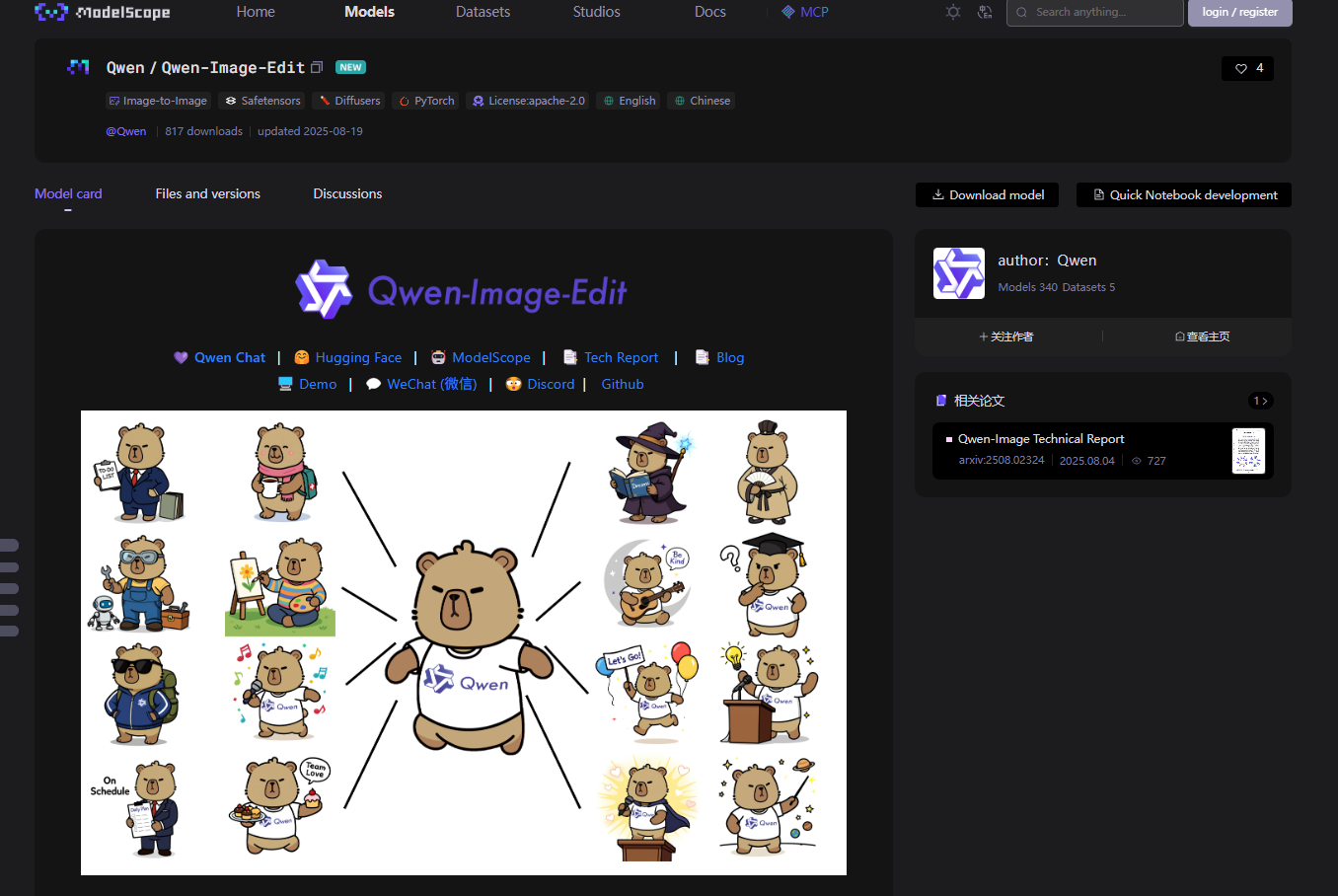
- ModelScope: Enhanced Chinese language support and detailed documentation
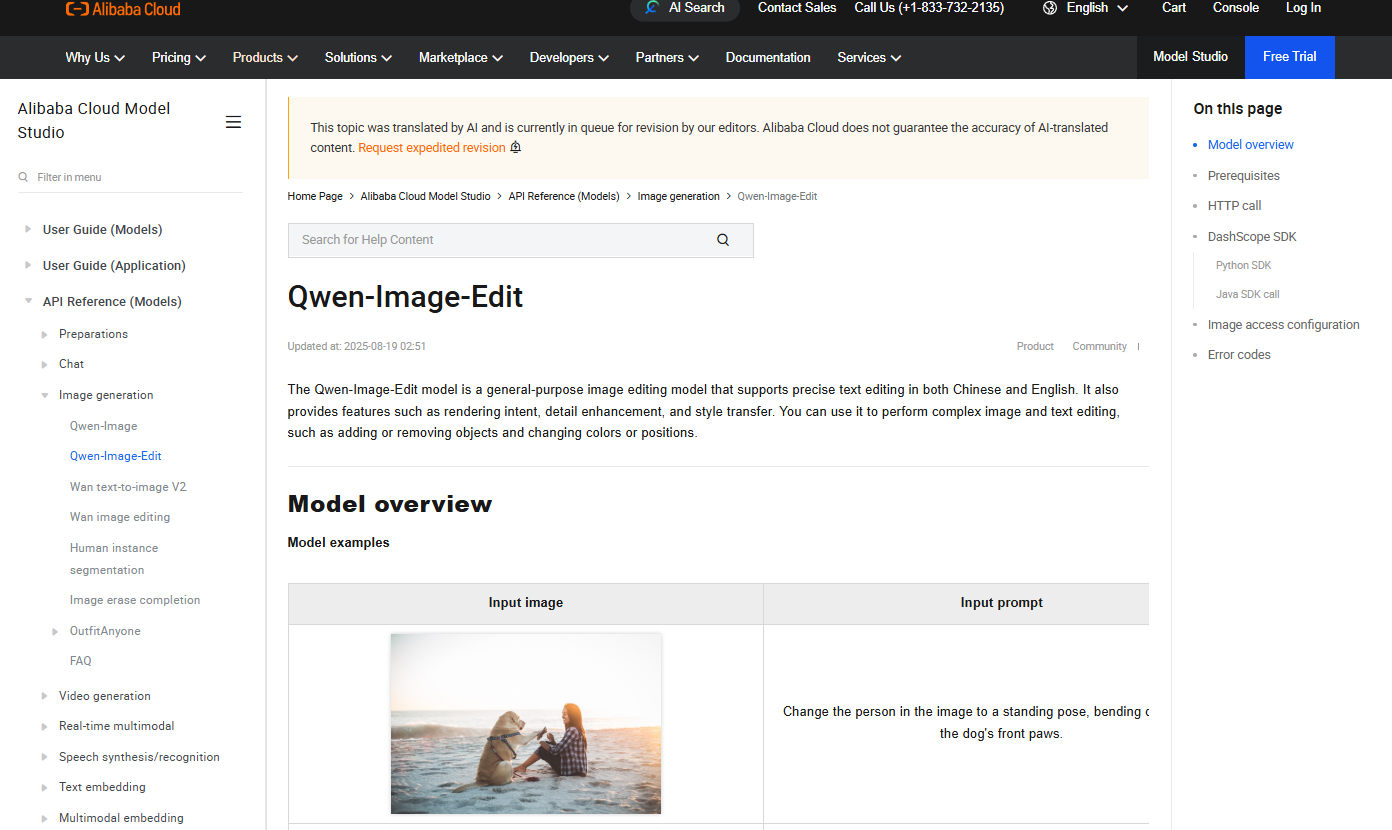
- Alibaba Cloud Model Studio: Enterprise-grade hosting, monitoring, and compliance
Integration Tips for Developers
- Compute Requirements: The 20B parameter model is resource-intensive—cloud APIs are recommended
- Performance Considerations: Simple edits are fast; complex operations may require longer processing
- Input Optimization: Use high-resolution images for best results; preprocess as needed
- Scaling & Rate Limiting: Monitor API usage and implement scaling for production workloads
Integrating Qwen-Image-Edit with Apidog simplifies these steps. Apidog’s robust API management, request simulation, and automated testing features help teams validate endpoints, optimize payloads, and catch performance issues before deploying to production.
Future Outlook: How Qwen-Image-Edit Is Changing Image Editing
Evolving AI Capabilities
Ongoing R&D is expanding Qwen-Image-Edit’s abilities, including:
- Greater contextual awareness
- Broader multilingual support
- More natural, text-based user interfaces
These improvements will further close the gap between manual editing and AI-assisted workflows, making advanced editing accessible to a wider audience.
Impact on Creative and Technical Teams
- Democratization: High-quality image editing via API is now feasible for startups, SMBs, and solo developers
- New Business Models: Lowered technical barriers enable new SaaS, automation, and localization solutions
- Educational Shifts: AI editing is becoming a core skill for future engineers and designers
Conclusion: Elevate Your Image Editing Pipeline
Qwen-Image-Edit stands at the forefront of AI-driven image editing, offering unmatched precision, multilingual support, and flexible integration options. Its architecture and open-source nature make it an ideal choice for technical teams aiming to build sophisticated image processing pipelines or enhance product features.
For developers looking to accelerate integration and testing, Apidog is a powerful ally. Download Apidog for free to efficiently connect, test, and deploy Qwen-Image-Edit APIs—ensuring smooth, reliable, and scalable image editing solutions for your applications.