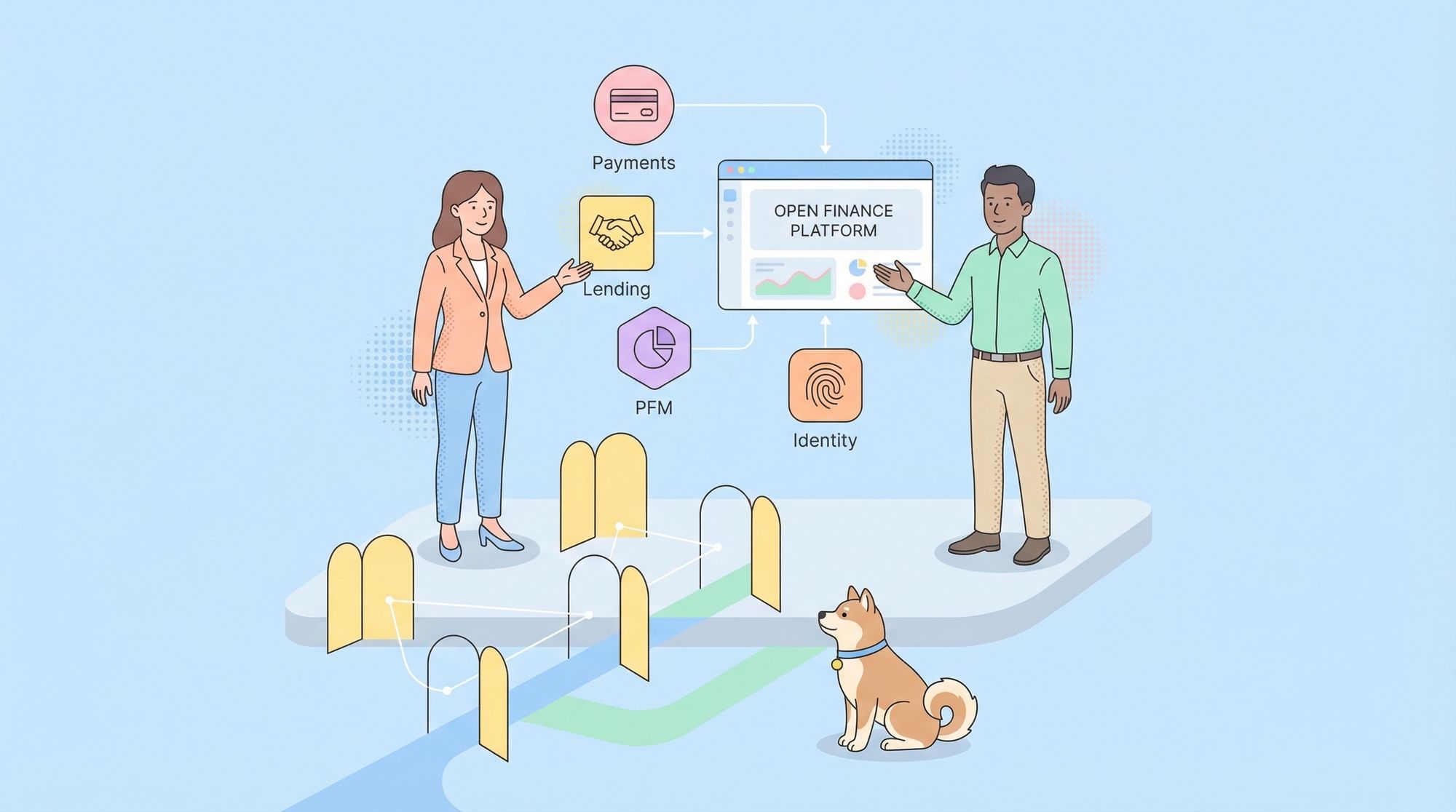
Open finance API use cases are at the heart of the ongoing transformation in the financial sector. By enabling secure, standardized, and permissioned access to a wide range of financial data and services, open finance APIs empower banks, fintechs, and even non-financial businesses to innovate, compete, and deliver value to customers at an unprecedented pace.
In this comprehensive guide, we’ll dive deep into what open finance API use cases are, why they matter, and how organizations implement them—supported by real-world examples and best practices. Whether you’re a developer, product manager, or business leader, understanding these use cases is essential for staying ahead in today's digital economy.
What are Open Finance API Use Cases?
Open finance API use cases refer to practical applications where open finance APIs enable access to, sharing of, or interaction with a broad spectrum of financial data and services—spanning banking, payments, investments, insurance, pensions, and more. Unlike traditional open banking (which is often limited to current accounts and payment initiation), open finance APIs provide a much wider scope, covering all financial products and customer data with consumer consent.
Why do open finance API use cases matter?
- Broader data access empowers new financial products.
- Interoperability allows seamless cross-institution and cross-industry experiences.
- Innovation acceleration lets businesses build on top of existing infrastructure, reducing time-to-market and costs.
- Customer-centricity enables hyper-personalized financial solutions.
Key Open Finance API Use Cases Transforming the Industry
Let’s explore the most impactful open finance API use cases and how they’re shaping the future of finance.
1. Personal Financial Management (PFM) & Account Aggregation
Use case: Aggregating financial data from multiple banks, investment accounts, loans, and even insurance policies to give users a unified, real-time view of their finances.
How APIs power this: APIs securely pull transaction histories, balances, and portfolio details from different institutions, enabling PFM apps to deliver spending analysis, budgeting tools, and personalized savings recommendations.
Example: Mobile apps like Yolt, Mint, and Emma aggregate user data from dozens of accounts, helping users track expenses, set budgets, and optimize savings across banks and investment platforms.
2. Instant Payments & Money Movement
Use case: Enabling real-time payments between accounts, both domestically and internationally, with transparency and reduced costs.
How APIs power this: Open finance APIs make it possible to initiate payments directly from a user's bank account, bypassing card networks and providing instant settlement.
Example: Payment initiation services in Europe (via PSD2) or UPI in India use APIs for instant account-to-account transfers. Fintechs like Wise and Revolut leverage these APIs to offer low-fee, fast international payments.
3. Automated Lending & Credit Scoring
Use case: Streamlining loan origination and underwriting by accessing real-time financial data and alternative credit insights.
How APIs power this: APIs provide lenders with up-to-date transaction data, income verification, and even behavioral analytics—enabling instant, more accurate credit decisions and tailored loan offers.
Example: Platforms like Upstart and Kabbage use open finance APIs to automate loan approvals, reducing manual paperwork and boosting financial inclusion.
4. Identity Verification & Compliance (KYC, AML)
Use case: Rapid, secure identity verification during onboarding and ongoing compliance checks.
How APIs power this: APIs fetch verified identity data, transaction histories, and account ownership details directly from financial institutions, supporting Know Your Customer (KYC) and Anti-Money Laundering (AML) requirements.
Example: Onboarding platforms integrate API-based identity and account verification, reducing fraud and improving the customer experience (e.g., Plaid Identity, Onfido).
5. Wealth Management & Investment Aggregation
Use case: Providing users and advisors a consolidated view of all investment holdings, even across different platforms and asset classes.
How APIs power this: APIs pull positions, balances, and transaction data from various brokerage and pension accounts, making holistic portfolio management possible.
Example: Robo-advisors and wealthtech apps like Nutmeg or Personal Capital use APIs to aggregate assets and provide tailored advice.
6. Embedded Finance & “Banking-as-a-Service”
Use case: Non-financial companies embedding financial services (e.g., payments, lending, insurance) directly into their digital experiences.
How APIs power this: Open finance APIs enable seamless, compliant integration of financial products into apps, marketplaces, and platforms.
Example: Ride-sharing apps offering instant driver payouts, e-commerce sites providing point-of-sale loans, or gig economy platforms enabling earned wage access—all via embedded APIs.
7. Account Verification & Fraud Prevention
Use case: Reducing payment fraud and failed transactions by instantly confirming account ownership and balances before money moves.
How APIs power this: APIs verify that an account exists, matches the beneficiary, and has sufficient funds—supporting secure payments and reducing operational risk.
Example: Payroll platforms and payment processors use account verification APIs to confirm employee bank details before issuing payments.
8. Data Portability & Consent Management
Use case: Empowering customers to control, manage, and revoke access to their financial data across providers.
How APIs power this: APIs handle data sharing consent, provide dashboards for users to manage permissions, and ensure compliance with regulations like GDPR and Section 1033.
Example: Consent management platforms leverage open finance APIs to make data access transparent and user-controlled.
9. Insurance Data Access & Aggregation
Use case: Aggregating insurance policy data (life, auto, health) for better customer insights, cross-selling, and risk assessment.
How APIs power this: APIs provide a standardized way to fetch, update, and analyze policy data across insurers.
Example: Insurtech apps use APIs to let users view all their policies in one dashboard and receive personalized insurance recommendations.
10. Business Financial Management & Cash Flow Insights
Use case: Giving businesses real-time views into their cash flow, outstanding invoices, payables, and liquidity across multiple accounts and platforms.
How APIs power this: APIs pull transaction data, bank balances, and even integrate with accounting and invoice systems for up-to-the-minute insights.
Example: Business finance platforms like QuickBooks, Xero, and Agicap use APIs to aggregate and analyze company financials, boosting efficiency and decision-making.
Practical Examples of Open Finance API Use Cases
Let’s break down how open finance API use cases work in the real world, with simplified API flow diagrams and code snippets.
Example 1: Personal Finance App Account Aggregation
Scenario: A user wants to see all their bank and investment account balances in a single dashboard.
API flow:
1. User grants consent to the PFM app.
2. The app uses open finance APIs to fetch data from multiple banks and brokers.
3. Data is aggregated and visualized in-app.
import requests
def get_balances(api_endpoints, access_tokens):
    results = {}
    for name, endpoint in api_endpoints.items():
        response = requests.get(endpoint, headers={'Authorization': f'Bearer {access_tokens[name]}'})
        results[name] = response.json()['balance']
    return resultsapi_endpoints = {
    'BankA': 'https://api.banka.com/v1/accounts/balance',
    'BrokerB': 'https://api.brokerb.com/v1/portfolio/balance'
}
access_tokens = {
    'BankA': 'token_bank_a',
    'BrokerB': 'token_broker_b'
}
print(get_balances(api_endpoints, access_tokens))
Example 2: Instant Payment Initiation
Scenario: A fintech app enables users to pay bills directly from their bank accounts.
API flow:
1. User selects amount and payee in the app.
2. The app uses an open finance payment initiation API to trigger the transfer.
3. The bank processes the payment and confirms via API callback.
// Payment Initiation Request Example
{
  "debtorAccount": {
    "iban": "DE89370400440532013000"
  },
  "creditorAccount": {
    "iban": "DE75512108001245126199"
  },
  "amount": {
    "currency": "EUR",
    "value": "150.00"
  },
  "remittanceInformation": "Utility Bill March"
}
Example 3: Automated Loan Decisioning
Scenario: A digital lender accesses real-time income data via an API to instantly approve or reject a loan application.
API flow:
1. User consents to data sharing.
2. The lender fetches transaction/income data via open finance APIs.
3. Automated underwriting algorithm reviews data and delivers a decision.
Code snippet (pseudo):
const income = await api.get('/accounts/income', { headers: { "Authorization": "Bearer user_token"} });
const score = creditModel.evaluate(income.data);
if (score > threshold) approveLoan();
else rejectLoan();
How to Build and Test Open Finance API Use Cases with Apidog
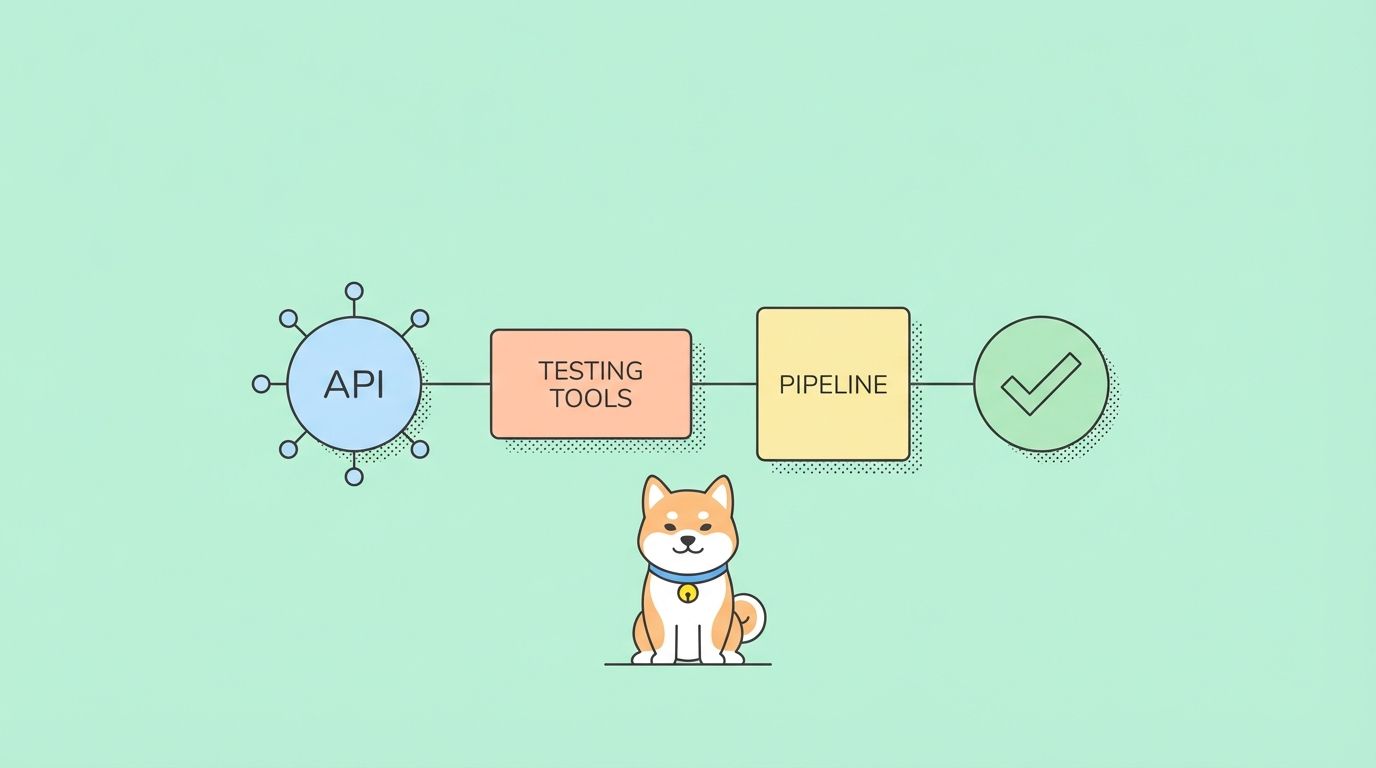
Developing and integrating open finance API use cases requires robust API design, testing, and documentation tools. Apidog is a leading spec-driven API development platform that simplifies the entire lifecycle of open finance APIs:
- Design & Mock APIs: Quickly prototype and mock open finance API endpoints, enabling front-end and back-end teams to collaborate and iterate rapidly.
- Import & Test External APIs: Easily import open finance APIs (Swagger, Postman, etc.), test real-world scenarios, and validate integration logic before going live.
- Generate Documentation: Automatically generate interactive, up-to-date documentation for your open finance API use cases, making onboarding and compliance easier.
- Manage Changes: Track API evolution and ensure all stakeholders are aligned on requirements and implementations.
Whether you’re building a personal finance aggregator, a payment platform, or a lending marketplace, Apidog streamlines API development for all your open finance API use cases.
Conclusion: The Future of Open Finance API Use Cases
Open finance API use cases are unlocking a wave of innovation across the global financial ecosystem. From empowering consumers with holistic financial management to enabling real-time payments, streamlined lending, and embedded financial products, their impact is far-reaching.
Success in this landscape depends on choosing the right use cases for your business, leveraging robust API platforms like Apidog for development and testing, and maintaining a relentless focus on security, compliance, and user experience.