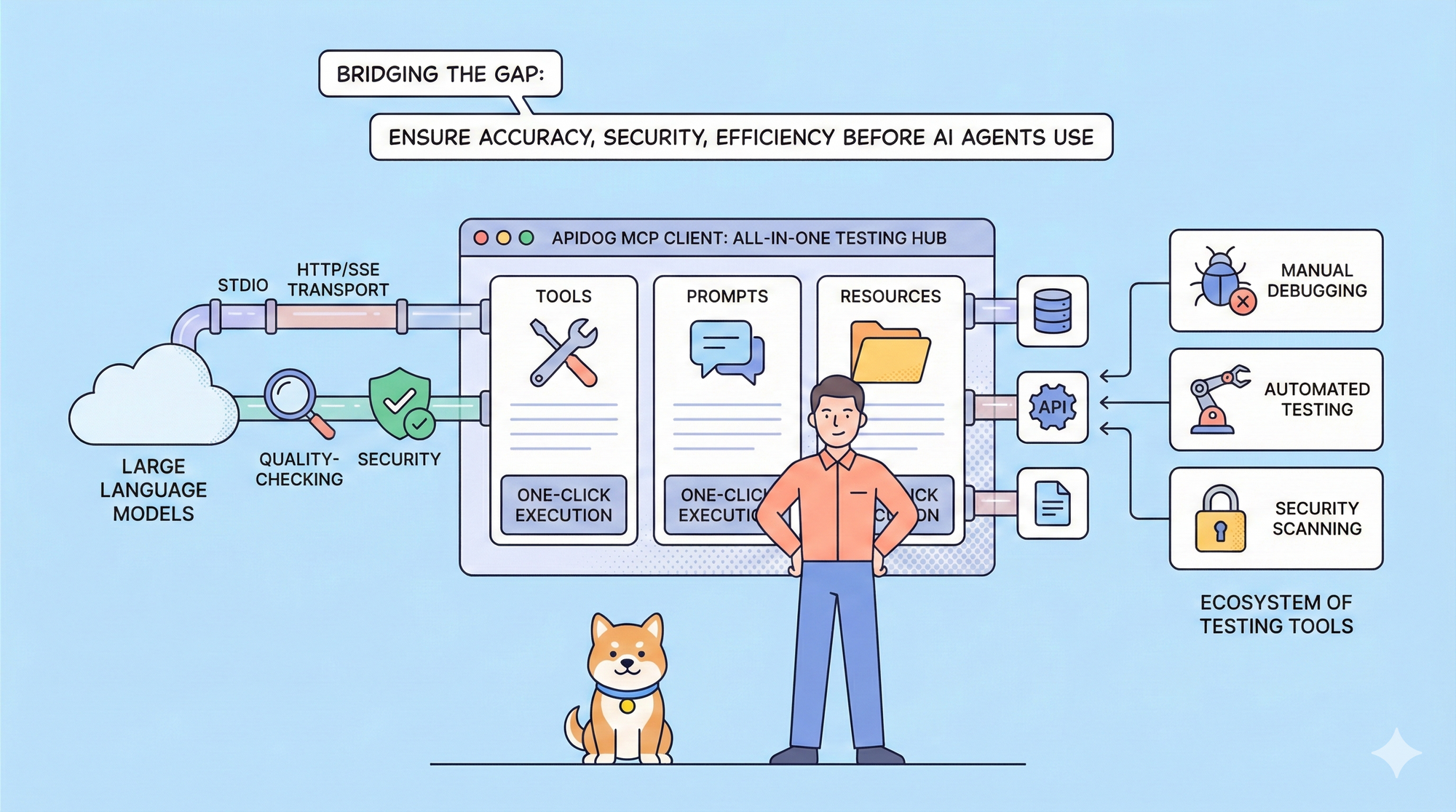
In today’s software-driven world, businesses need to connect hundreds of apps, data sources, and services seamlessly. Mulesoft is a leading integration and API platform, but it's not the only player in the game. Many organizations are actively looking for Mulesoft competitors to find a better fit for their needs—whether it’s due to cost, complexity, scalability, or specialized features.
This guide will walk you through everything you need to know about Mulesoft competitors: what they are, why businesses consider alternatives, the top choices on the market, practical scenarios, and how tools like Apidog can support your API-driven workflows.
What Are Mulesoft Competitors?
Mulesoft competitors are alternative platforms, tools, or services that offer similar functionalities to Mulesoft—primarily in the areas of API management, integration, data connectivity, and workflow automation. These competitors help organizations connect disparate systems, orchestrate business processes, and build robust APIs, all without relying solely on Mulesoft’s Anypoint Platform.
Why does this matter? The integration landscape has evolved. While Mulesoft is powerful, it can be complex and expensive for some organizations, especially small and medium-sized businesses or teams with limited technical resources. Exploring Mulesoft competitors ensures you find a solution that aligns with your budget, skills, and technical requirements.
Why Consider Mulesoft Competitors?
Before comparing specific Mulesoft competitors, it’s important to understand the motivations for seeking alternatives:
1. Cost-Effectiveness
Mulesoft’s enterprise pricing can be prohibitive for many businesses. Mulesoft competitors often provide more flexible, transparent, or affordable pricing models—sometimes with free tiers or pay-as-you-go options.
2. Simpler User Experience
Many Mulesoft competitors focus on user-friendly interfaces, making it easier for non-developers or smaller teams to build integrations and manage APIs without extensive training.
3. Specialized Features
Some Mulesoft competitors excel in areas like low-code automation, real-time data synchronization, or cloud-native deployment, meeting the needs of modern digital businesses.
4. Reduced Vendor Lock-In
Choosing from a range of Mulesoft competitors can help organizations avoid being tied to a single vendor’s ecosystem, increasing flexibility and bargaining power.
Top 10 Mulesoft Competitors
Let’s dive into the leading Mulesoft competitors, focusing on their strengths, unique features, and best use cases.
1. Apidog
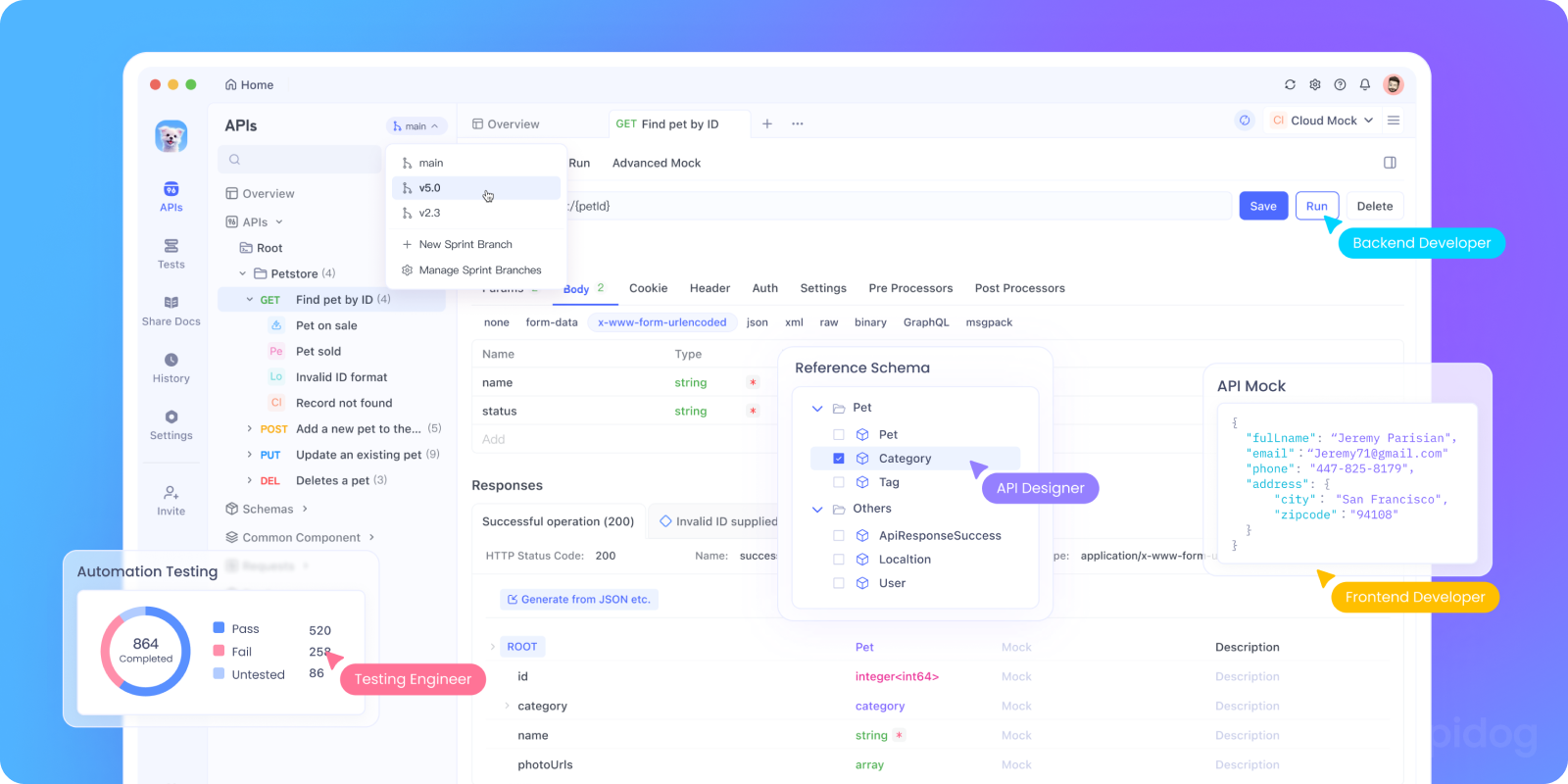
Apidog is a modern, spec-driven API development platform that stands out among Mulesoft competitors for its intuitive design, collaborative features, and strong support for API documentation, testing, and mocking. Apidog simplifies API workflows, from design to deployment, making it ideal for teams that want a lightweight yet powerful alternative to Mulesoft.
Key Features:
- Collaborative API design and documentation
- Visual API testing and debugging
- Mock server support for rapid frontend-backend development
- Seamless import/export with Postman, Swagger, and more
- Online API documentation generation
Best For: Teams seeking an affordable, easy-to-use API management and testing platform with strong documentation and collaboration tools.
2. Talend
Talend is a data integration platform that competes with Mulesoft by offering robust ETL (Extract, Transform, Load) and API management features. It’s known for its extensive connectors and open-source roots.
Key Features:
- Visual data pipeline designer
- Over 900 connectors for databases, cloud apps, and more
- Strong data quality and governance tools
- API design and management modules
Best For: Enterprises with complex data integration requirements and a need for strong data quality controls.
3. Zapier
Zapier is a no-code automation tool that connects thousands of apps and automates routine workflows, making it a popular Mulesoft competitor for non-developers.
Key Features:
- Connects over 8,000 SaaS apps
- Drag-and-drop automation builder
- No programming required
- Great for marketing, sales, and support automation
Best For: SMBs and business users looking for quick, code-free integrations and workflow automation.
4. Informatica
Informatica is an enterprise-grade integration and data management platform—one of the most established Mulesoft competitors.
Key Features:
- Advanced data integration and transformation
- Real-time and batch processing
- Strong security and compliance
- Cloud and on-premises deployment
Best For: Large enterprises with complex, mission-critical integration needs.
5. AWS Glue
AWS Glue is a fully managed ETL (Extract, Transform, Load) service from Amazon Web Services, making it a cloud-native Mulesoft competitor.
Key Features:
- Serverless data preparation and transformation
- Deep integration with AWS ecosystem
- Scalability and pay-as-you-go pricing
Best For: Organizations heavily invested in AWS infrastructure.
6. Skyvia
Skyvia is a cloud integration platform known for its simplicity and cost-effectiveness—a strong Mulesoft competitor for cloud-first businesses.
Key Features:
- Easy-to-use graphical interface
- Data import/export, backup, and synchronization
- 200+ connectors
Best For: SMBs needing fast, low-code data integration and backup.
7. Hevo Data
Hevo Data is a real-time data pipeline platform that provides ETL and ELT capabilities, positioning itself among Mulesoft competitors for analytics-driven teams.
Key Features:
- Real-time data flows
- 150+ data sources supported
- Automatic schema detection
Best For: Companies focused on real-time analytics and cloud data warehousing.
8. Integrate.io
Integrate.io is designed for modern ETL, ELT, and reverse ETL, making it a flexible Mulesoft competitor for data teams.
Key Features:
- Drag-and-drop pipeline builder
- Built-in connectors for databases, cloud apps, and warehouses
- Real-time and scheduled jobs
Best For: Data engineering teams building complex pipelines.
9. Airbyte
Airbyte offers open-source data integration, making it a unique Mulesoft competitor for teams wanting maximum control and extensibility.
Key Features:
- 300+ connectors, open-source and community-driven
- Custom connector development
- Cloud and self-hosted options
Best For: Developers who want open-source flexibility and custom integrations.
10. Matillion
Matillion specializes in cloud-native data transformation and integration—another strong Mulesoft competitor for analytics and cloud migration.
Key Features:
- Visual ELT pipelines
- Deep integration with Snowflake, BigQuery, Redshift, and Azure Synapse
- Built for modern data teams
Best For: Organizations migrating to cloud data warehouses.
Mulesoft Competitors: Feature Comparison Table
| Platform | Connectors | Ease of Use | Deployment | API Management | Free Tier |
|---|---|---|---|---|---|
| Apidog | 100+ | Very High | Cloud | Yes | Yes |
| Talend | 900+ | Medium | Cloud/On-prem | Yes | Yes |
| Zapier | 8,000+ | Very High | Cloud | No | Yes |
| Informatica | 300+ | Medium | Cloud/On-prem | Yes | No |
| AWS Glue | 50+ | High | AWS Cloud | No | Yes* |
| Skyvia | 200+ | Very High | Cloud | No | Yes |
| Hevo Data | 150+ | High | Cloud | No | Yes |
| Integrate.io | 220+ | High | Cloud | No | No |
| Airbyte | 300+ | Medium | Cloud/On-prem | No | Yes |
| Matillion | 150+ | High | Cloud | No | Yes |
Real-World Applications of Mulesoft Competitors
To better understand how Mulesoft competitors fit into actual business scenarios, let’s look at some practical examples:
Example 1: Rapid API Design and Collaboration
A SaaS startup wants to rapidly prototype, document, and test its APIs for a new product. While Mulesoft offers robust capabilities, the complexity and cost are overkill. Apidog allows their team to visually design APIs, generate documentation, mock endpoints for frontend development, and test integrations—speeding up delivery at a fraction of the cost.
Tip: Apidog’s seamless import/export with OpenAPI (Swagger) and Postman collections makes it easy to migrate or collaborate across different tools, further positioning it as a strong Mulesoft competitor for agile teams.
Example 2: No-Code Workflow Automation
A marketing department needs to automate lead capture from web forms into their CRM, send follow-up emails, and update spreadsheets. Instead of building complex integrations with Mulesoft, they use Zapier, a leading Mulesoft competitor, to link apps with drag-and-drop “Zaps”—all without writing code.
Example 3: Enterprise Data Integration
A large financial services company must synchronize on-premise databases with cloud analytics tools while maintaining data quality and regulatory compliance. Talend and Informatica, as advanced Mulesoft competitors, provide the necessary enterprise controls, connectors, and governance features to meet strict requirements.
Example 4: Cloud-Native Data Pipelines
A company migrating its analytics stack to AWS leverages AWS Glue as a native Mulesoft competitor for orchestrating ETL jobs in the cloud. This provides scalability, cost efficiency, and tight integration with Amazon’s ecosystem.
How to Choose Among Mulesoft Competitors
Selecting the right Mulesoft competitor depends on several factors:
1. Integration Needs: Do you need simple workflows, complex data pipelines, or full API lifecycle management?
2. Technical Skillset: Does your team prefer no-code tools or developer-centric platforms?
3. Deployment Model: Do you require cloud, on-premise, or hybrid options?
4. Budget: Are you looking for open-source, free, or enterprise-grade solutions?
5. Ecosystem Compatibility: Does the platform integrate with your existing apps, databases, or cloud providers?
Pro Tip: Tools like Apidog are especially effective when your focus is rapid API prototyping, documentation, and testing—making them a preferred Mulesoft competitor for agile product teams.
Conclusion: The Evolving Landscape of Mulesoft Competitors
The integration and API management market is more dynamic than ever, giving businesses a wide array of Mulesoft competitors to choose from. Whether you’re a startup, an established enterprise, or a technical team seeking agility, there is an alternative well-suited to your requirements.
Key Takeaways:
- Mulesoft competitors span a spectrum from no-code platforms (like Zapier) to developer-centric tools (like Apidog) and enterprise data integrators (like Talend, Informatica, and AWS Glue).
- Consider your technical needs, budget, and ecosystem when choosing among Mulesoft competitors.
- Apidog offers a compelling, user-friendly alternative for API design, testing, and documentation—making it a standout choice in the competitive landscape.