API testing is a critical component of the software development lifecycle that involves verifying the functionality, and reliability. Mock API servers are an essential part of generating and testing API collaboration across a research and development team. Apidog can help you at different stages for designing, documenting, mocking, and testing your API.
What is a Mock Server?
A mock server is a simulation or imitation of a real server that mimics the behavior of a server or a specific API (Application Programming Interface). It is used primarily for API testing and development purposes, allowing developers to replicate the responses and behavior of a real server without interacting with the actual backend system.
In the context of API testing, a mock server offers several advantages:
- Isolation and Controlled Testing: By using a mock server, developers can isolate specific API endpoints or functionalities for testing. This controlled environment allows them to assess how different parts of the application interact with the API under various conditions.
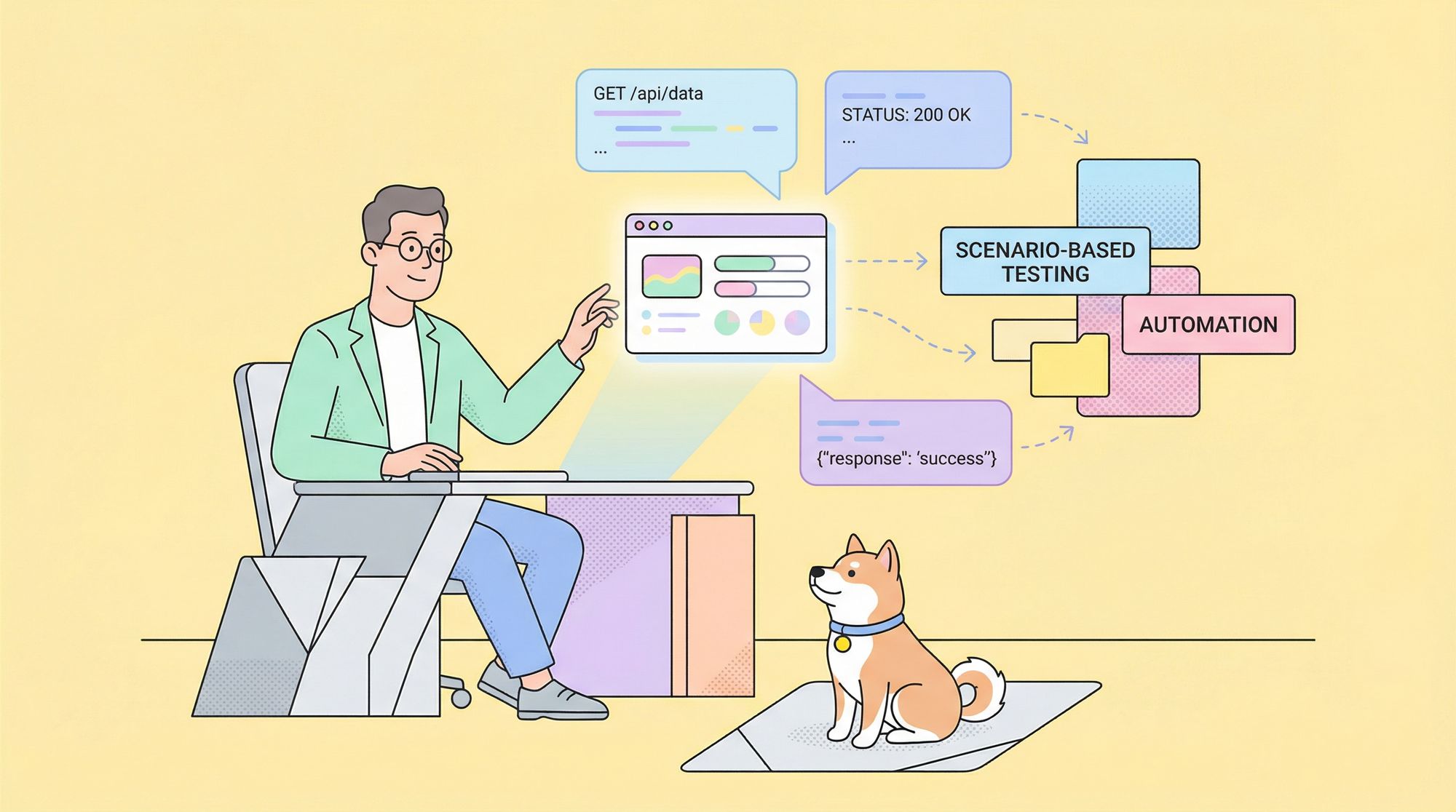
- Scenario-Based Testing: Mock servers enable scenario-based testing, allowing developers to simulate a wide range of responses and situations. This includes testing for successful API calls, error responses, and handling edge cases to ensure robust application behavior.
- Early Development Testing: During the early stages of development when the actual API may not be available or fully implemented, a mock server facilitates continuous testing. Developers can start building and testing the application's integration with the API, ensuring that it aligns with expectations.
- Reduced Dependency on External APIs: API testing with a mock server reduces dependency on external APIs that may be unavailable, incurring costs, or subject to rate limits during development. This independence enables developers to maintain testing continuity.
- Efficient Collaboration: Mock servers enhance collaboration between frontend and backend development teams. Frontend developers can begin designing and testing user interfaces without waiting for the backend API to be fully developed.
- Automation and Continuous Integration: Integrating mock servers into automated testing processes, including continuous integration pipelines, ensures that API-related tests are executed consistently. This contributes to maintaining a high level of application quality throughout the development lifecycle.
- Load and Performance Testing: API testing using mock servers extends to assessing how well the application performs under various loads and conditions. This includes simulating heavy traffic and ensuring that the application remains stable and responsive.
OpenAPI for Dynamic Mock Servers:
When documenting APIs using Swagger, RAML, or OpenAPI, the OpenAPI Specification emerges as a powerful tool. It serves as a machine-readable source of truth, offering a comprehensive description of API capabilities. This format, backed by industry support through initiatives like the OpenAPI Initiative, facilitates the creation of standardized descriptions in YAML or JSON, enabling the generation of dynamic mock servers and example responses.
Apidog's Role in Dynamic Mocking:
Apidog, an API mocking tool, plays a key role in dynamic mocking by providing hosted Prism servers based on OpenAPI documents. Developers can import existing documents or create new ones, utilizing dynamic mocking to consistently generate data based on the API spec. This approach streamlines development, fostering early testing and collaboration in the API lifecycle.
Mock Server for API Testing in Apidog
Apidog's Mock Server feature operates seamlessly, automatically generating mock data without requiring any manual configuration. The surprise of its automatic functionality prompted curiosity about its inner workings.
Apidog employs a set of predefined mocking rules. When a field name in the response definition matches these rules, the corresponding field data is automatically mocked. This eliminates the need for manual server-layer setups, as Apidog initiates a mock server on your local machine without any user intervention.

If the automatically generated mock data doesn't align with your preferences, customization is straightforward. Users can directly input mock values using Faker.js, leveraging its extensive grammar for easy selection. Additionally, for fields with fixed values, users can specify these values in the "mock," offering further flexibility in data customization.

In essence, Apidog's Mock Server not only streamlines mocking but also proves versatile for various aspects of API development, contributing to a convenient and efficient development experience.