APIs are the backbone of modern software, connecting microservices, mobile apps, and cloud platforms. But not all APIs are built the same. If you're an API developer, backend engineer, or technical lead, understanding how Traditional APIs and the Modern API Platform (MCP) approach compare can make or break your project's scalability and maintainability.
In this guide, we’ll break down the essential differences, practical implications, and why leading engineering teams are shifting towards MCP architectures. Plus, we'll show how tools like Apidog help manage the complexity—without adding friction to your workflow.
What Is an API? A Quick Overview
APIs (Application Programming Interfaces) are the translators that let different software systems communicate. Picture an API as a waiter at a restaurant: it takes your order (request), relays it to the kitchen (server), and delivers your meal (response).
APIs in action:
- Weather apps: Retrieve the latest weather data from third-party servers.
- Flight booking: Check seat availability, process payments, and more.
- Social media: Post updates or fetch feeds via API calls.
APIs are everywhere—and how you design and manage them has a direct impact on your system’s reliability and speed.
Traditional APIs: Monolithic and Old-School
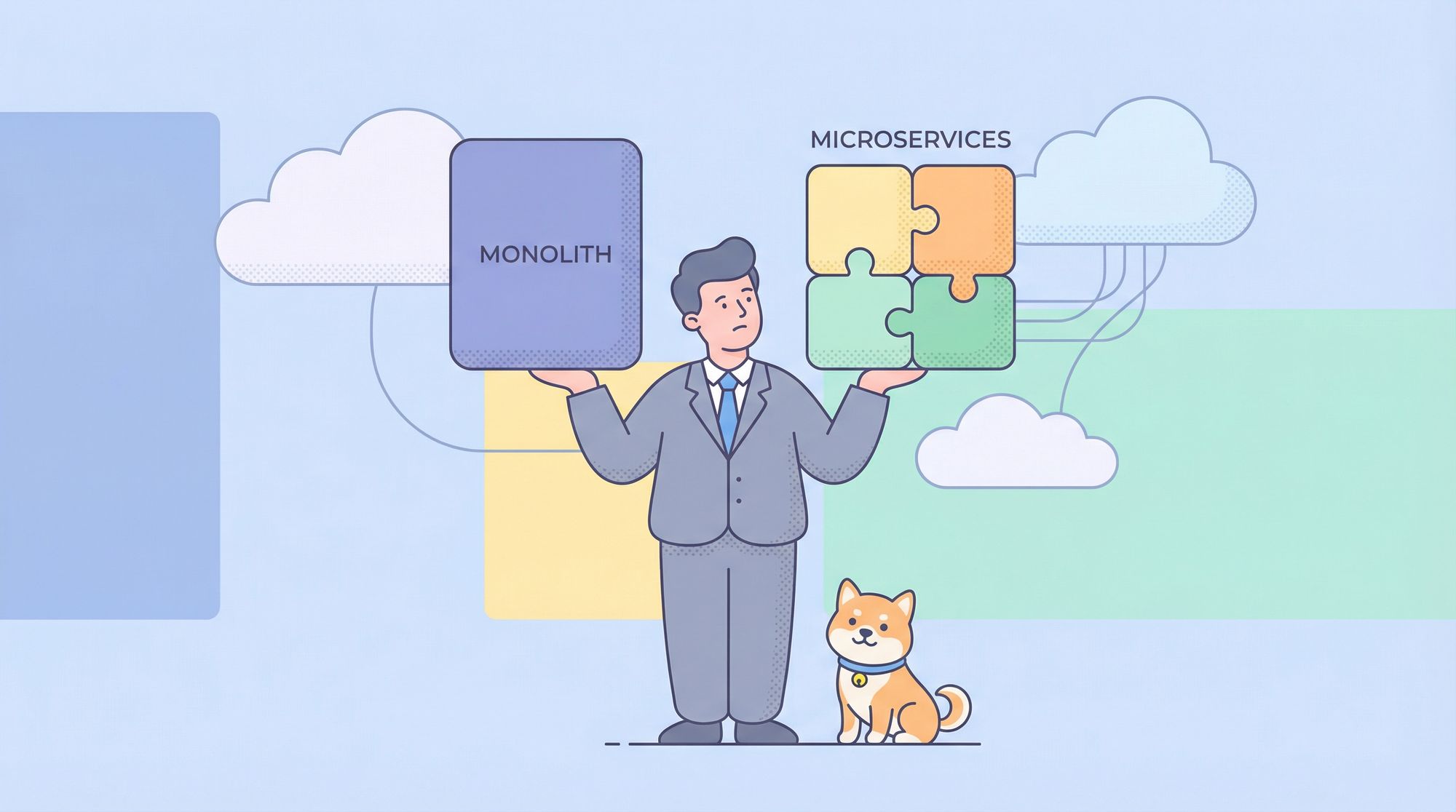
Traditional APIs are typically built using a monolithic architecture—a single, unified system managing everything from user authentication to payments.
Pros:
- Simple to get started for small projects.
- Centralized codebase is easy to deploy early on.
Cons:
- Scaling bottlenecks: If one function (like payments) spikes in usage, the whole API slows down.
- Risky updates: Changing one part can cause bugs in unrelated areas.
- Difficult versioning: Rolling out changes often means deploying the entire system, risking downtime.
- Outdated protocols: Many rely on SOAP, which uses verbose XML and adds complexity.
MCP (Modern API Platform): Microservices and Modern Traffic Management
MCP, or the Modern API Platform, leverages a microservices architecture. Instead of a single monolithic API, you have a collection of independent services—each focused on a specific business capability (like authentication or payment processing).

Key features:
- Microservices: Each service is self-contained and can be updated or scaled independently.
- API gateways: Act as traffic managers, handling authentication, routing, and rate limiting before requests reach backend services.
- Modern protocols: Uses REST or GraphQL, both lighter and more flexible than SOAP.
- Event-driven options: Services can communicate via events, increasing flexibility.
MCP vs. Traditional APIs: Side-by-Side Comparison
Understanding the distinction between these approaches is critical for architecture decisions. Here’s how they stack up:
1. Architecture
- Traditional APIs: Monolithic—one system does everything.
- MCP: Microservices—many small services, each with a focused responsibility.

2. Scalability
- Traditional APIs: Scaling means replicating the whole system, even if only one part is under load.
- MCP: Scale individual services as needed. If login traffic spikes, scale only the login service.

3. Protocols
- Traditional APIs: Often use SOAP (heavy, XML-based).
- MCP: Prefer REST or GraphQL (lightweight, HTTP-friendly).

4. Management
- Traditional APIs: Manual effort for security, routing, and monitoring.
- MCP: API gateways automate authentication, rate limiting, and routing.

5. Flexibility
- Traditional APIs: Changes may impact the whole system, creating risk.
- MCP: Update or replace individual services without affecting the rest.

6. Deployment
- Traditional APIs: Any update requires redeploying the full application.
- MCP: Deploy updates to individual services, reducing risk and downtime.

7. Fault Isolation
- Traditional APIs: A failure in one area can bring down the entire API.
- MCP: Issues are isolated—if one service fails, the others remain functional.

MCP vs. Traditional APIs: At a Glance
| Aspect | Traditional APIs (Monolithic) | MCP (Modern API Platform) |
|---|---|---|
| Architecture | Single, unified system | Microservices (independent, focused services) |
| Scalability | Must scale entire system | Scale only what you need |
| Protocols | SOAP (XML-based, heavy) | REST/GraphQL (lightweight, flexible) |
| Management | Manual security and routing | Automated via API gateways |
| Flexibility | Risky, broad-impact changes | Safe, isolated service updates |
| Deployment | Full redeploys even for minor changes | Independent service deployment |
| Fault Isolation | Outages can affect everything | Failures contained to specific services |
Why MCP Is Becoming the Modern Standard
Most API-driven teams are moving toward MCP, and for good reasons:
- Performance: Optimize each microservice with the best-fit language or framework.
- Security: API gateways standardize authentication (OAuth, JWT), reducing vulnerabilities.
- Faster fixes: Update or patch a single service without risking system-wide downtime.
- Developer experience: Tools like Apidog simplify the design, testing, and documentation of complex API environments.
- Cost efficiency: Scale only busy services, optimizing cloud spend.
MCP: Challenges and How to Overcome Them
No architecture is perfect. MCP introduces new complexities:
- Operational overhead: More services mean more monitoring and management.
- Data consistency: Keeping data in sync across distributed services can be tricky.
- Infrastructure setup: Initial setup (API gateway, CI/CD pipelines) requires planning.
- Learning curve: Teams must adapt to microservices and distributed systems best practices.
Best practice: Use robust API management platforms like Apidog to streamline design, testing, documentation, and monitoring. With powerful collaboration and automation features, Apidog helps teams maintain clarity and consistency—even as your microservices catalog grows.
Conclusion: Choosing the Right API Architecture
Traditional APIs are appropriate for small, simple projects. But as applications grow, MCP's microservices and API gateway pattern offer the scalability, reliability, and agility modern teams demand.
If you’re planning for growth or refactoring legacy APIs, consider shifting to MCP. And to keep the complexity in check, leverage tools that simplify API lifecycle management—like Apidog.