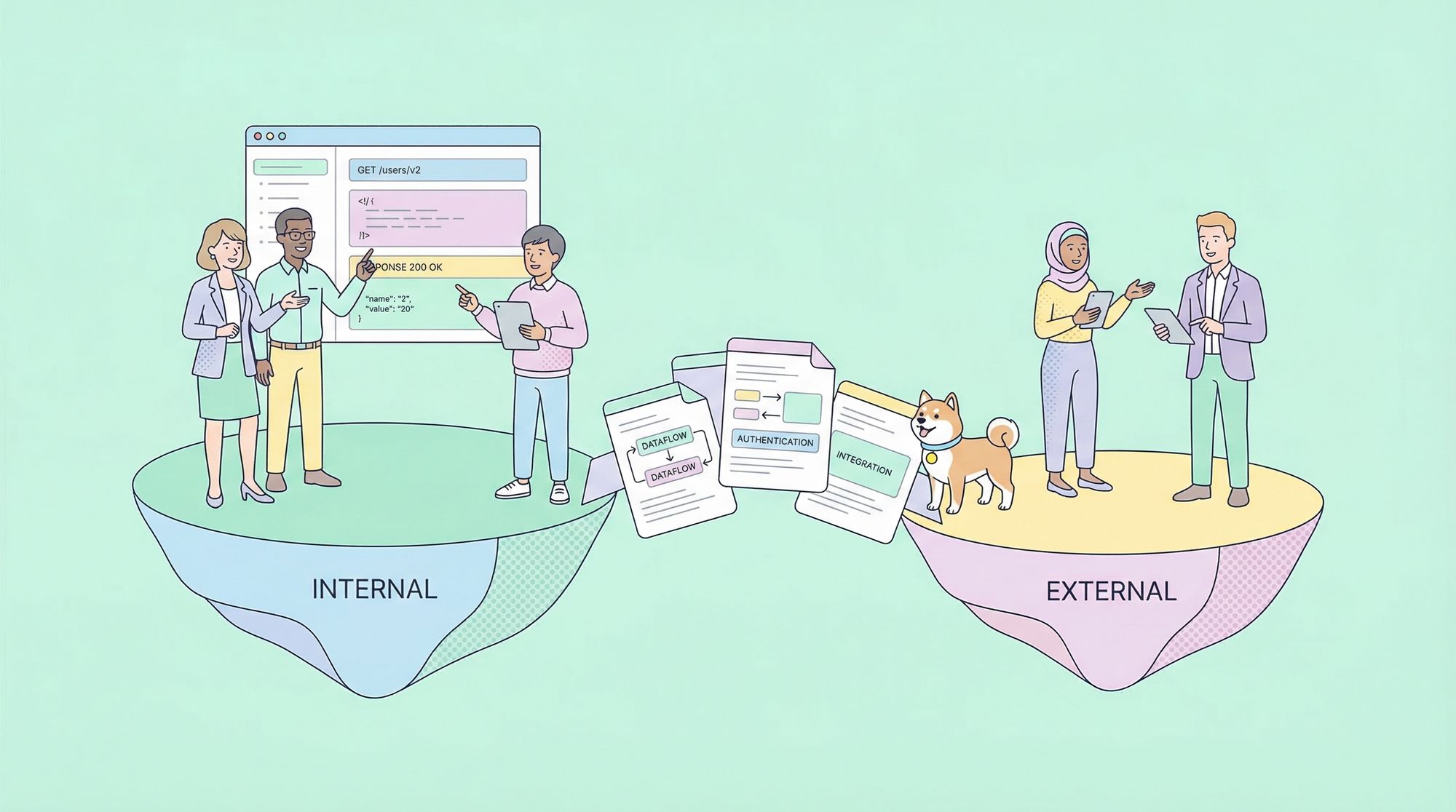
An insurance API (Application Programming Interface) is a set of protocols, routines, and tools that allows different software applications to communicate securely and programmatically within the insurance sector. Insurance APIs provide standardized methods for accessing and exchanging insurance-related data, automating workflows like policy quoting, claims processing, underwriting, compliance, and much more.
In the digital-first era, insurance APIs are the backbone of insurtech innovation. They make it possible to connect insurers, brokers, agents, partners, and customers in real time, driving operational efficiency, improved customer experiences, and faster product innovation. By exposing core insurance services and data through secure, well-documented endpoints, insurance APIs empower integration, automation, and scaling across the insurance value chain.
Why Insurance APIs Matter
Insurance APIs are transforming the way insurance businesses operate. Here’s why they matter:
- Automation: Eliminate manual data entry and paper-based processes by automating tasks like policy issuance, premium calculations, and claims management.
- Integration: Seamlessly connect disparate systems (legacy, third-party, or modern cloud platforms) to unify operations and customer journeys.
- Speed to Market: Launch new insurance products, distribution channels, or partnerships quickly by leveraging API-driven architectures.
- Customer Experience: Enable instant insurance quotes, digital onboarding, and real-time policy servicing for customers and partners.
- Compliance & Security: Ensure secure, auditable transactions that meet regulatory standards.
With the increasing digitization of insurance, companies that leverage insurance APIs gain a competitive edge in agility, scalability, and customer satisfaction.
Types of Insurance APIs
Insurance APIs can be categorized based on their intended audience and access controls:
1. Public Insurance APIs
These APIs are open to external developers and partners. They enable third parties to build applications that interact with insurance data and services (e.g., aggregators, comparison websites, insurtech startups).
2. Partner Insurance APIs
Available to select external partners or approved vendors. Examples include APIs for auto dealerships to verify insurance coverage or mortgage lenders to confirm property insurance.
3. Private Insurance APIs
Restricted for internal use within an insurance organization. These APIs connect internal systems, such as claims management, underwriting, and policy administration.
4. Composite Insurance APIs
These APIs combine multiple services into a single endpoint, streamlining complex workflows (e.g., a single API call that quotes, binds, and issues a policy).
Core Functions of Insurance API
Let’s break down the main functionalities an insurance API typically provides:
Policy Management
- Policy Creation: Automate new policy issuance.
- Renewals: Schedule and process policy renewals.
- Endorsements: Update or modify policy details.
Quoting and Underwriting
- Instant Quotes: Provide real-time insurance quotes based on input data.
- Risk Assessment: Integrate external data sources (credit, driving history, property data) for underwriting decisions.
Claims Processing
- First Notice of Loss (FNOL): Allow digital submission of claims by customers, agents, or partners.
- Status Tracking: Enable real-time tracking of claim status.
- Document Upload: Support secure upload and retrieval of claim documents.
Compliance and Verification
- KYC/AML Checks: Automate identity verification and anti-fraud measures.
- Coverage Verification: Instantly verify policy coverage for third parties (e.g., lenders, landlords).
Data Integration
- IoT Data: Integrate with telematics, smart home devices, or health trackers for usage-based insurance.
- External Databases: Connect with government, regulatory, or industry data sources for validation.
Insurance API in Action: Practical Use Cases
To understand the transformative power of insurance API, let’s look at some real-world scenarios:
1. Automated Insurance Quoting
A fintech app wants to offer renters insurance quotes during the apartment rental process. By integrating a public insurance API, the app can instantly retrieve personalized quotes from multiple carriers, allowing users to compare and purchase coverage in a seamless digital experience.
2. Claims Automation
A property insurer uses an API to automate the entire claims lifecycle. When a policyholder submits a claim via a mobile app, the API routes the claim to the right adjuster, triggers automated document checks, and provides real-time status updates to the customer—all without manual intervention.
3. Lender Insurance Verification
Mortgage lenders need to verify that homes are insured before approving loans. By embedding an insurance API, lenders can instantly check insurance status, retrieve policy documents, and set up ongoing coverage monitoring, reducing closing times and improving compliance.
4. Usage-Based Insurance (UBI)
Auto insurers leverage APIs to collect real-time driving data from telematics devices. The insurance API ingests speed, mileage, and braking patterns, automatically recalculating premiums and enabling dynamic pricing models.
5. Partner Ecosystem Integration
An online car marketplace integrates with multiple insurance APIs to display instant auto insurance quotes at the point of sale, enhancing user convenience and driving cross-sell opportunities.
Building and Managing Insurance APIs
Successfully launching and scaling insurance APIs requires thoughtful design, robust security, and efficient testing. Here’s how to approach insurance API development:
API Design Best Practices
- OpenAPI/Swagger Specifications: Use standard formats to document endpoints, request/response schemas, and authentication requirements.
- RESTful Principles: Follow REST conventions for predictable and intuitive API design.
- Versioning: Maintain clear versioning to manage changes and backward compatibility.
- Security: Implement OAuth2, API keys, or JWTs for secure access control.
API Testing and Mocking
Reliable APIs are critical for the insurance industry. Testing ensures that APIs work as intended and meet regulatory standards.
Apidog is a powerful platform for designing, testing, and documenting insurance APIs. With Apidog, you can:
- Design APIs visually: Quickly create and document endpoints using an intuitive interface.
- Import existing specs: Bring in OpenAPI/Swagger or Postman collections for seamless collaboration.
- Generate mock data: Simulate API responses for front-end development or partner integration, even before the backend is live.
- Automate testing: Run automated tests to validate API logic, error handling, and security.
Example: Designing a Claims Submission API with Apidog
openapi: 3.0.0
info:
  title: Claims Submission API
  version: 1.0.0
paths:
  /claims:
    post:
      summary: Submit a new insurance claim
      requestBody:
        required: true
        content:
          application/json:
            schema:
              type: object
              properties:
                policyNumber:
                  type: string
                incidentDate:
                  type: string
                  format: date
                description:
                  type: string
                documents:
                  type: array
                  items:
                    type: string
      responses:
        '201':
          description: Claim submitted successfully
        '400':
          description: Invalid input
With Apidog, you can import this specification, generate documentation, set up mock servers for testing, and collaborate with your development team—all in one place.
Real-World Insurance API Providers
Several leading companies offer insurance API solutions:
- Canopy Connect: Provides APIs for property and casualty insurance verification, enabling instant data collection and monitoring for lenders, marketplaces, and insurtechs.
- Coalition: Offers APIs for cyber insurance, automating quoting, binding, and policy management for brokers and partners.
- OpenAPI: Automates insurance verification, risk assessment, and anti-fraud measures by integrating with various data sources.
Each of these providers delivers secure, compliant, and scalable APIs that accelerate digital transformation across insurance verticals.
Key Challenges and Solutions in Insurance API Adoption
While insurance APIs offer substantial benefits, implementation comes with unique challenges:
- Legacy Systems: Many insurers operate on decades-old systems. APIs help bridge the gap by exposing legacy data in modern, consumable formats.
- Data Privacy: Insurance APIs must rigorously protect sensitive customer information and comply with regulations like GDPR and HIPAA.
- Standardization: The lack of universal insurance data standards can complicate integration. Well-documented APIs using OpenAPI specs mitigate this risk.
- Testing & Documentation: To minimize downtime and ensure partner success, robust testing and clear documentation are essential. Tools like Apidog streamline these processes.
How to Get Started with Insurance API
If you’re ready to embrace the power of insurance APIs, here’s a step-by-step roadmap:
1. Define Your Use Case: Identify the business processes or customer journeys that will benefit most from API automation.
2. Select the Right API Platform: Choose proven insurance API providers or build custom APIs using platforms like Apidog for rapid prototyping, testing, and collaboration.
3. Design and Document: Use OpenAPI/Swagger standards for clarity and consistency.
4. Set Up Mocking & Testing: Simulate real-world scenarios with mock data and automate tests to ensure reliability.
5. Integrate and Monitor: Deploy your APIs, monitor usage, and gather feedback for continuous improvement.
Conclusion: The Future of Insurance API
The insurance API revolution is reshaping how insurers deliver value, connect with partners, and serve customers. By leveraging insurance APIs, organizations can digitize operations, unlock new business models, and stay ahead in a rapidly evolving market.
Platforms like Apidog make it easier than ever to design, test, and document insurance APIs—empowering both established insurers and innovative insurtechs to build secure, scalable, and compliant API ecosystems.