
Google just dropped a new model that makes AI development cheaper and faster. Gemini 3.1 Flash-Lite rolled out on March 3, 2026, and it's built specifically for developers who need high-volume AI capabilities without breaking the bank.
If you've been looking for an AI model that balances speed, cost, and quality for your API projects, this might be exactly what you need.
What is Gemini 3.1 Flash-Lite?
Gemini 3.1 Flash-Lite is Google's newest addition to the Gemini 3 series. It's positioned as the fastest and most cost-efficient option in the lineup, designed specifically for high-volume developer workloads.
Think of it as the lean, mean version of Gemini designed for scale. You get most of the intelligence at a fraction of the cost.
Google built this model for a specific use case: applications that need to process huge volumes of requests without burning through budget. If you're building API-intensive applications - chatbots, content processing pipelines, translation services - Flash-Lite handles the load without draining your budget.
The model ships with thinking capabilities built in. This gives you control. You can dial the reasoning effort up or down depending on what each specific task requires.
Pricing That Makes Sense
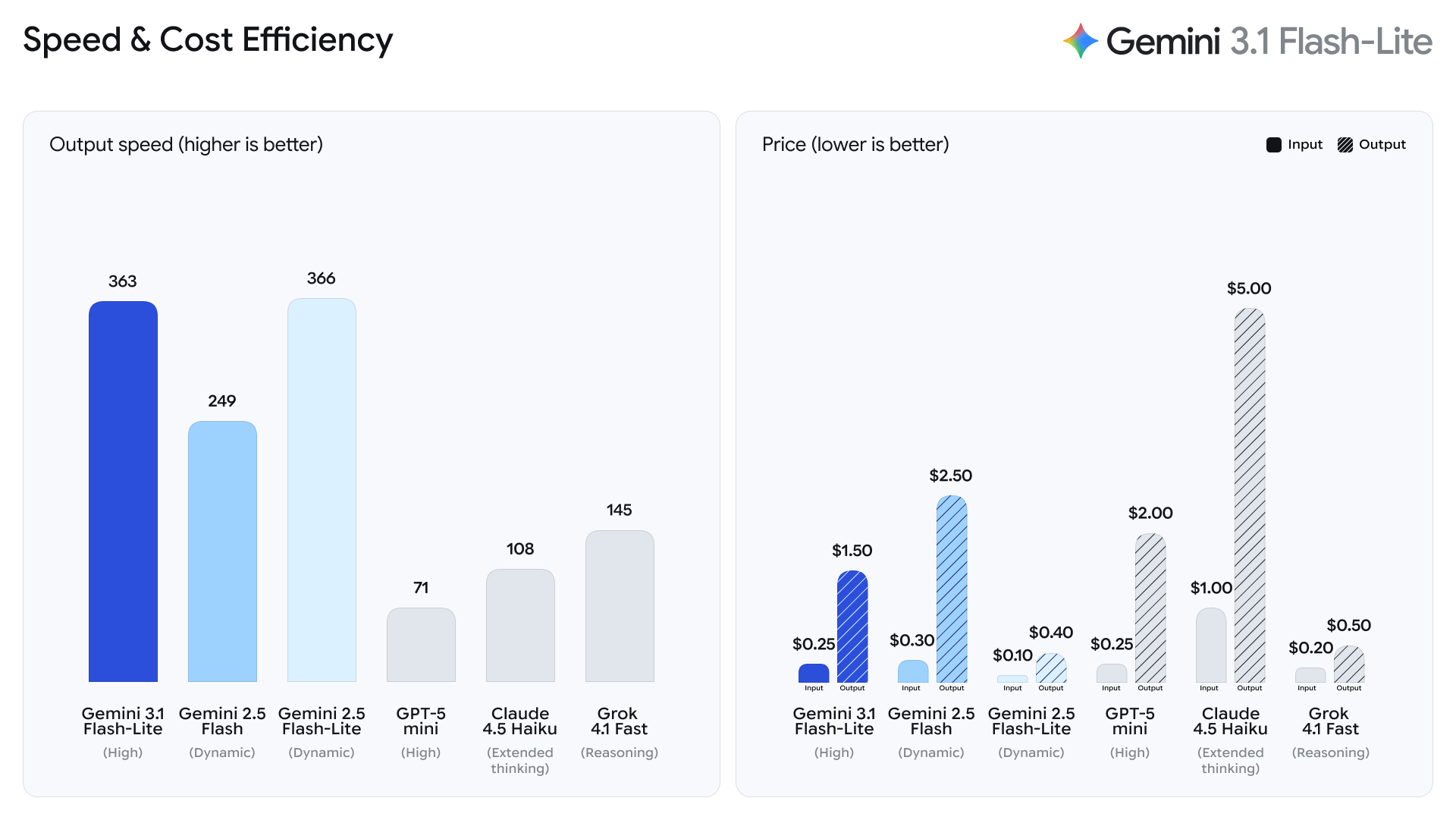
This is where Flash-Lite really stands out. The price tag comes in at:
- $0.25 per 1 million input tokens
- $1.50 per 1 million output tokens
That's incredibly competitive. You're paying significantly less than many other models in the same tier while getting better performance.
The math works out favourably for high-volume API applications. Let's look at a concrete example. Say you have an API that processes 100,000 requests per day. Each request involves about 500 input tokens and 300 output tokens for AI processing. With Flash-Lite, you're looking at roughly $12.50 in input costs and $4.50 in output costs per day. That's about $17 total for 100,000 AI-powered interactions. Try that math with other models and the numbers get scary fast.
For API developers building AI-powered features into their applications, this pricing makes it possible to ship products that would have been prohibitively expensive a year ago.
Speed That Beats the Competition
Google claims Flash-Lite delivers 2.5X faster Time to First Answer Token compared to Gemini 2.5 Flash. It also offers 45% faster output speed.
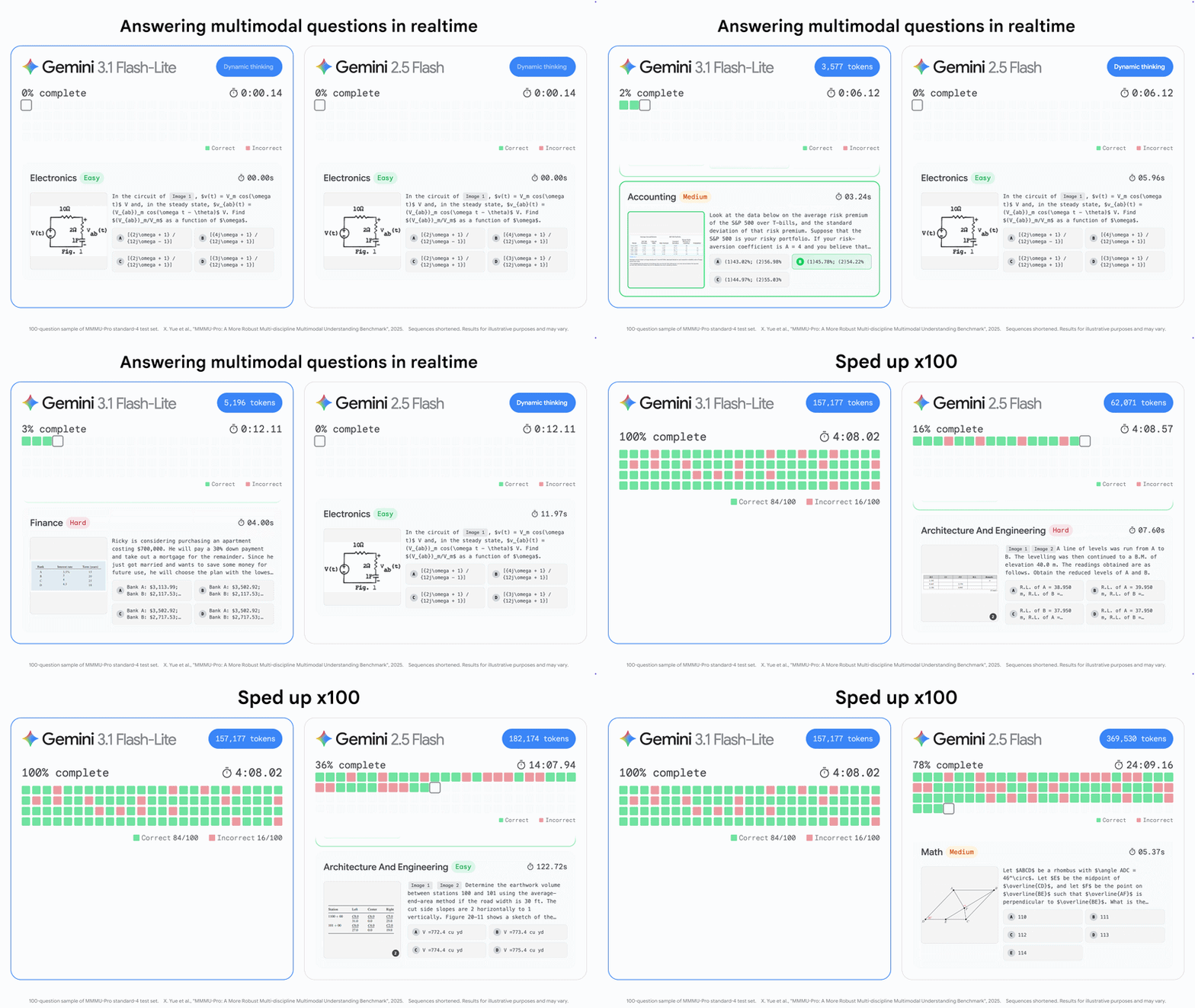
These numbers matter for API applications. When your users depend on AI responses through your API, latency directly impacts their experience. Faster response times mean more responsive integrations, smoother real-time features, and better overall user satisfaction.
The Artificial Analysis benchmark backs these claims up. Flash-Lite isn't just faster, it maintains similar or better quality while being quicker.
Think about what this means in practice. In an API scenario where you're generating responses for your users, the difference between a 200ms response and a 500ms response is the difference between a smooth experience and one that feels broken. Your users abandon slow APIs. Faster models keep them engaged.
The 45% output speed increase also matters for batch operations. If you're generating documentation, summaries, or processing large payloads in bulk, faster output means you complete jobs sooner and can serve more users within your time windows.
Quality Benchmarks That Impress
Speed and price don't matter if the model produces weak results. Here's where Flash-Lite delivers:
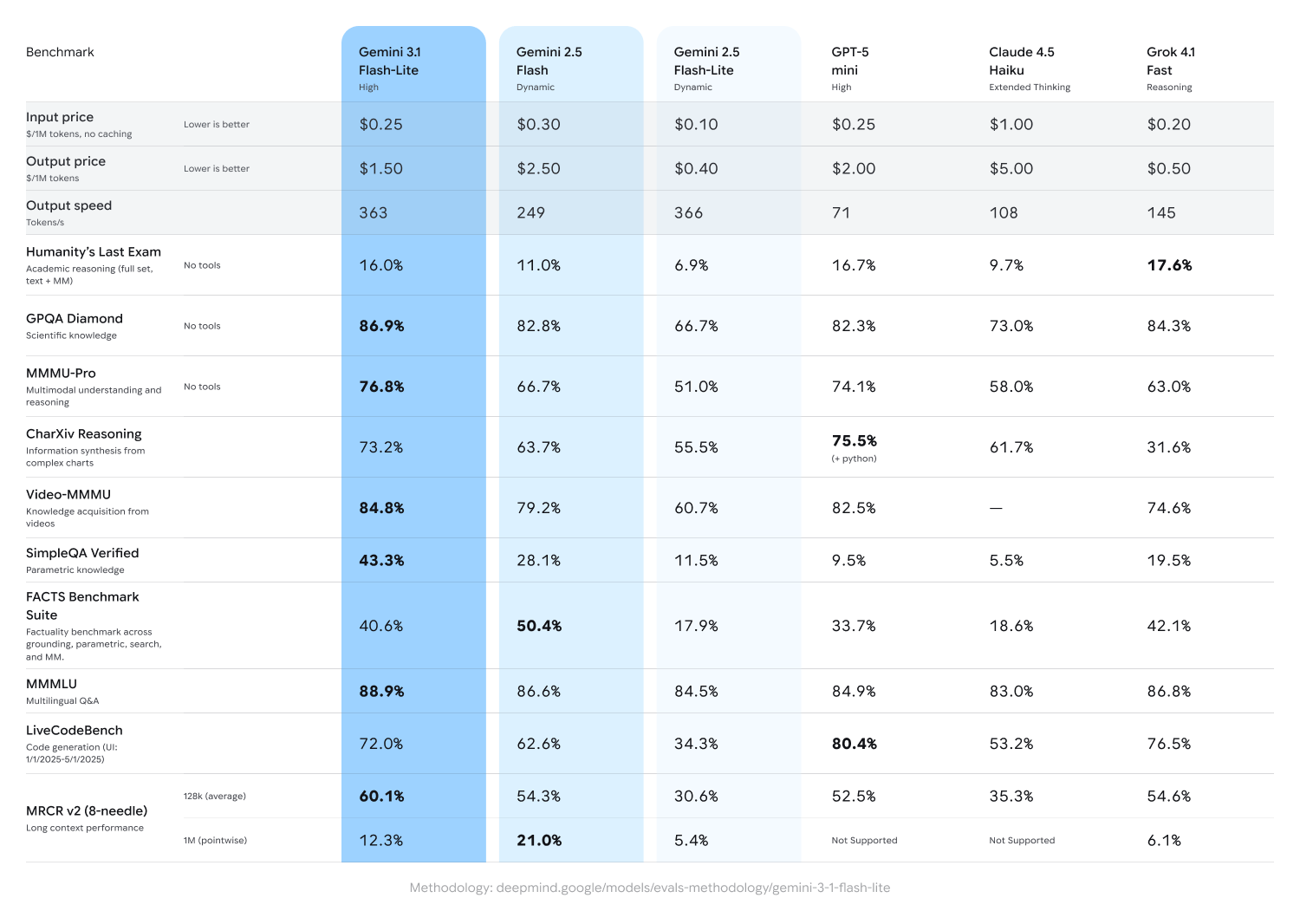
- Arena.ai Leaderboard: Elo score of 1432
- GPQA Diamond: 86.9%
- MMMU Pro: 76.8%
These scores put Flash-Lite ahead of larger Gemini models from previous generations. You get better reasoning and multimodal understanding than older, bigger models at a lower price point.
The model outperforms other models in its tier across reasoning and multimodal benchmarks. This includes competitors like GPT-5 mini, Claude 4.5 Haiku, and Grok 4.1 Fast.
Let's break down what those benchmarks actually mean. The Arena.ai Leaderboard is a community-driven ranking where users compare models head-to-head. An Elo score of 1432 puts Flash-Lite in elite company. GPQA Diamond tests graduate-level science reasoning. MMMU Pro evaluates multimodal understanding across images, text, and reasoning.
The 86.9% on GPQA is particularly impressive. That means the model can answer graduate-level science questions correctly nearly 87% of the time. For a model positioned as the "budget" option in the lineup, that's remarkable.
Thinking Levels: Control How Much the Model Thinks
One of the most interesting features is built-in thinking levels. Developers can control how much processing the model applies to each task.
For simple API tasks like basic request classification or simple response generation, you can dial down the thinking. For complex workloads like generating detailed API documentation, debugging code, or following complex instructions, you can increase it.
This flexibility is crucial for managing costs in API applications. You allocate more resources only when needed, keeping your per-request costs lean while handling varied workloads.
The thinking feature works like a dial. On the lowest setting, the model produces quick, straightforward responses. Crank it up and you get more thorough reasoning, better instruction following, and more nuanced outputs.
This matters because not every API request needs deep thinking. A simple status check doesn't need the same processing as generating a complex code example. By giving developers control, Google lets you optimize for both cost and quality on a per-request basis.
How Apidog Users Can Benefit
If you're building APIs with Apidog, Flash-Lite opens up some interesting possibilities.
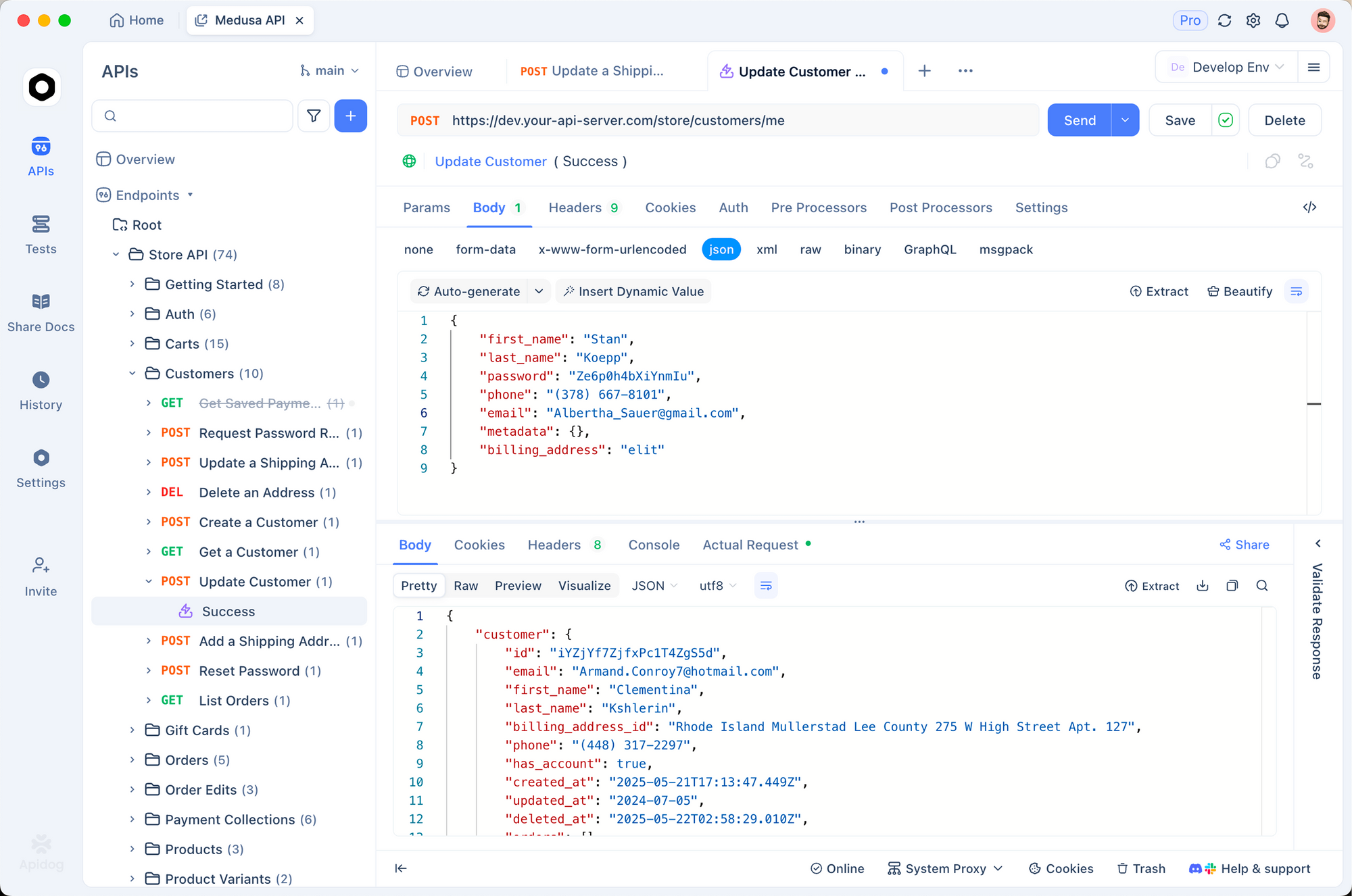
Automated API documentation becomes much more affordable. You can use Flash-Lite to generate comprehensive documentation for your endpoints at scale. Each time you create a new endpoint, the model can generate clear descriptions, example requests, and response schemas. The low cost makes it feasible to document every endpoint thoroughly.
Test generation makes sense economically now. Generating test cases for your API endpoints using AI was expensive before. With Flash-Lite, you can generate comprehensive test suites without watching your costs spiral. Feed your API specification to the model and get back boundary condition tests, error handling tests, and happy path validations.
Request/response transformation works well for API middleware. If your API needs to transform requests between different formats or normalize responses for different clients, Flash-Lite handles the logic quickly and cheaply.
Code generation from specifications is where the thinking capabilities shine. Give Flash-Lite an API specification and get working code. The model follows instructions well enough to generate functional implementations from your OpenAPI or Swagger definitions.
Debugging assistance becomes viable at scale. When users encounter errors, you can use Flash-Lite to analyze the error, explain what went wrong, and suggest fixes - all through your API.
How It Compares to the Competition
Flash-Lite enters a crowded market of fast, affordable AI models. How does it stack up?
Against GPT-5 mini, Flash-Lite shows comparable or better reasoning while typically being faster. The pricing is competitive, though exact comparisons depend on your specific use case and token usage patterns.
Against Claude 4.5 Haiku, Flash-Lite edges ahead in multimodal benchmarks. Both models aim for the fast, affordable tier, but Google's offering brings the advantage of the broader Gemini ecosystem and tight integration with Google Cloud.
Against Grok 4.1 Fast, Flash-Lite scores higher on the Arena leaderboard. Both offer similar pricing structures, but Flash-Lite's benchmark performance suggests stronger actual output quality.
The key differentiator is that Flash-Lite comes from Google. If you're already using Google Cloud services, Vertex AI, or the broader Gemini ecosystem, the integration story is smoother. For API developers using Apidog, you can integrate Flash-Lite into your workflow through simple HTTP calls.
Real-World API Use Cases
What can you actually build with this model in your API projects?
Intelligent API gateways become economically viable at scale. You can add AI-powered request routing, automatic retries with smarter logic, or dynamic rate limiting based on request content. The low per-request cost makes these features feasible.

API chatbots and assistants make sense now. Building an assistant that helps users navigate your API, explains endpoints, or generates code samples becomes affordable. Your users get instant help without the cost of human support.
Content moderation at scale works without draining budgets. If your API accepts user-generated content, you can now moderate at scale. The model can flag problematic content, categorize submissions, or detect sentiment at rates that would bankrupt a project using premium models.
Data transformation and normalization happens quickly enough for real-time applications. Converting between formats, enriching data with additional context, or transforming payloads for different API versions all work well.
Simulations and complex instructions are within reach. Early testers at companies like Latitude, Cartwheel, and Whering have used the model to solve complex problems at scale, praising its instruction-following capabilities.
Who Should Use It
Flash-Lite makes sense for several types of API projects.
Startups building AI-powered APIs benefit most. When you're in growth mode and every dollar counts, the pricing allows you to scale without panic. You get capable AI without the startup-killing bills.
Enterprises optimizing API costs can migrate high-volume AI workloads from expensive models to Flash-Lite. The quality difference is minimal for many tasks, but the savings are significant. A company processing millions of daily API requests might save millions annually.
API-first companies building developer tools need the speed. If your product depends on quick AI responses, Flash-Lite delivers the latency profile that keeps developers happy.
High-volume batch operations become economically viable. Jobs that would cost thousands with premium models cost hundreds with Flash-Lite.
When to Choose a Different Model
Flash-Lite isn't perfect for every situation.
If you're building low-volume applications where cost isn't a concern, the extra capabilities of Gemini 2.5 Flash or Pro might be worth the premium. You get more reasoning power and larger context windows.
If your work involves extremely complex reasoning tasks that require the best available analysis, you might want to look at higher-tier models. Flash-Lite is fast and capable, but there are limits to what a fast, affordable model can achieve.
If you need extremely large context windows for processing large documents, check the specifications carefully. Flash-Lite is optimized for speed and cost, which sometimes means trade-offs on context length.
Early Feedback from Developers
Developers who've already tried the model highlight two key strengths: efficiency and reasoning. According to Kolby Nottingham at Latitude, Flash-Lite handles complex inputs with the precision of a larger-tier model while maintaining speed.
That's a rare combination. Usually, you sacrifice quality for speed or pay premium prices for reasoning capabilities. Flash-Lite seems to thread the needle.
The early access developers from AI Studio and Vertex AI have been pushing the model through its paces. Companies already using it report that it handles varied workloads effectively. One moment it's doing quick classifications. The next, it's generating documentation. The flexibility of thinking levels lets each use case get optimized.
The instruction-following capabilities stand out in reviews. The model reads your prompts carefully and produces outputs that match your specifications. That's not a given in the fast-model tier.
How to Get Started
Flash-Lite is available now in preview through:
- Google AI Studio for developers
- Vertex AI for enterprises
If you're already using Gemini models, the upgrade path is straightforward. The API is designed to drop into existing workflows with minimal changes.
Getting started is simple. Sign up for Google AI Studio if you're an individual developer. Create a new project and select Flash-Lite from the model dropdown. Your first million input tokens are free during the preview period.
For enterprise deployment through Vertex AI, the setup involves the standard Google Cloud workflow. If you're already running on Vertex, adding Flash-Lite takes minutes.
The API follows the standard Gemini patterns. If you've used any Gemini model before, you already know the syntax. The main difference is the new thinking levels parameter that controls how much processing the model applies.
Integrating with your Apidog workflow is straightforward. Make HTTP calls to the Gemini API from your backend code, handle the responses, and return them to your users.
What This Means for API Developers
Gemini 3.1 Flash-Lite represents a significant shift for API developers. Google is making a clear play for the high-volume, cost-conscious developer market.
The model signals that fast, affordable AI is becoming table stakes. When a flagship AI company releases a budget option that outperforms previous generation premium models, it raises the bar for everyone.
We're seeing a bifurcation in the market. Premium models continue pushing the boundaries of capability. Fast models are becoming good enough for most production API workloads at dramatically lower prices. The middle ground is disappearing.
For API developers, this is good news. More options at better price points. More competition driving innovation. Better AI available cheaper.
Is Gemini 3.1 Flash-Lite Right for Your API Project?
Choose Flash-Lite if:
- You need fast response times for your API users
- You're building AI-powered features into your API
- Cost efficiency matters for your business model
- You want quality comparable to larger models at a lower price
- You're already in the Google ecosystem and want tight integration
You might want a different model if:
- Your workloads are low-volume where cost isn't a concern
- You need maximum reasoning capabilities for highly complex API tasks
- You're working outside Google Cloud and prefer other provider ecosystems
For most API developers building production applications, Flash-Lite hits the sweet spot between capability and cost.
The Bottom Line
Gemini 3.1 Flash-Lite represents Google's push to make AI accessible at scale. With competitive pricing, impressive speed, and quality that beats models in higher tiers, it's a compelling option for API developers and enterprises alike.
The model is available now in preview. If you're building AI features into your API that need to handle high volumes while keeping costs down, this is worth testing.
The benchmark numbers are strong. The pricing is aggressive. The speed is real. Google has delivered a model that makes AI development more affordable without sacrificing the quality that matters for production applications.
For API developers building real products used by real developers, Flash-Lite delivers the metrics that matter: fast responses, high quality, and costs that let you scale without fear. That's exactly what the market needed.
The timing matters too. We're at a point in AI development where the technology has matured enough for mainstream production use, but costs have been a barrier for many teams. Flash-Lite removes that barrier. Startups can now build AI-powered API features without burning through seed funding. Enterprises can extend AI across more of their API infrastructure without CFO approval for massive budgets. Individual developers can experiment and ship products that would have required significant capital just two years ago.
This is what democratization looks like in practice. Not just talk about making AI accessible, but actual tools that let more people build with AI. Flash-Lite represents a genuine step forward in that direction.
The model is ready for production use today. Google has been clear that this is a preview release, but the feedback from early testers suggests it's stable enough for real workloads. The API is mature, the documentation is solid, and the integration with existing Google Cloud tools makes deployment straightforward.
If you're building something with AI in your API today, you should be testing Flash-Lite. The combination of speed, quality, and cost makes it stand out in a crowded market.