
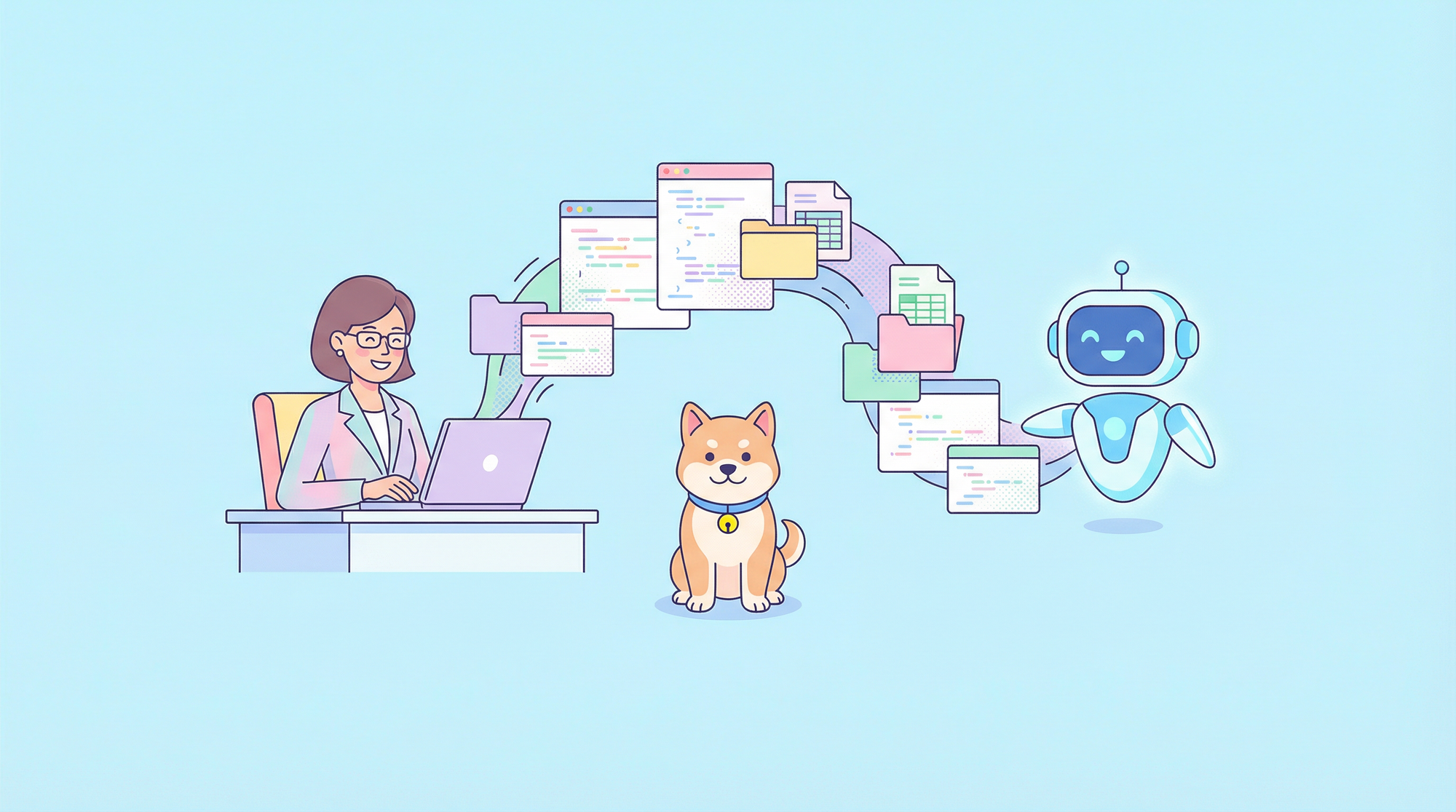
Anthropic recently released Claude Code Cowork, an innovative AI tool designed to enhance collaborative coding through agentic interactions. However, this feature remains in research preview, accessible exclusively to Claude Max subscribers and limited to macOS environments. Consequently, many developers encounter barriers to adoption, prompting a search for more inclusive options. Eigent steps in as the premier open-source Claude Code Cowork alternative, delivering multi-agent AI capabilities with full local deployment and customization.
Understanding Claude Code Cowork: An Overview
Anthropic developed Claude Code Cowork as an extension of their AI model, Claude, to facilitate agentic interactions in coding environments. This feature grants the AI access to a designated folder on a user's computer, enabling it to read existing files, edit content, and create new documents. Engineers activate Claude Code Cowork through the macOS app, where they select a project directory and issue natural language instructions. For example, the AI processes a command to reorganize code files or generate scripts from data inputs.
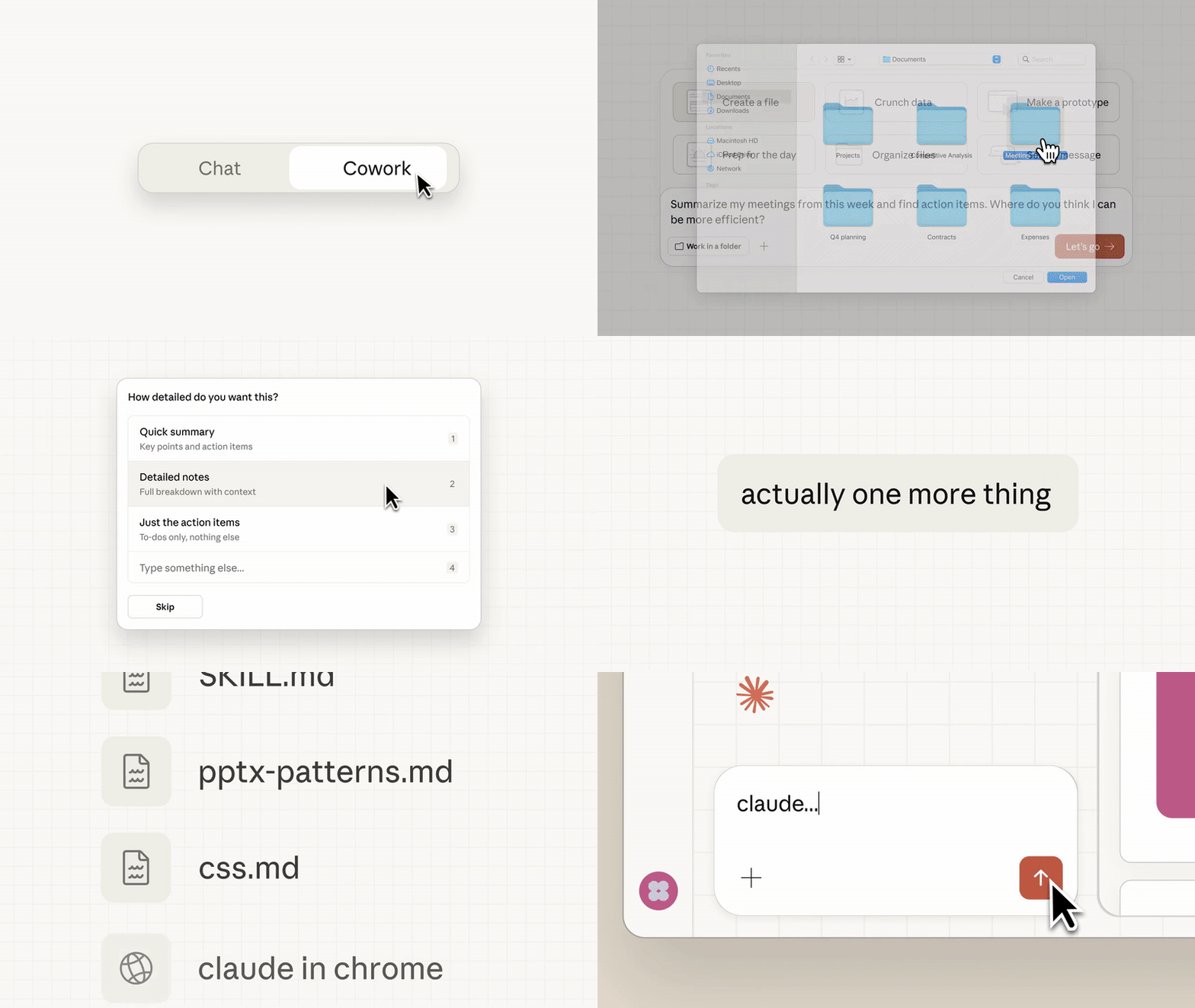
Claude Code Cowork operates on an agentic framework, breaking down complex tasks into manageable steps. It executes these steps autonomously while updating the user on progress. This approach reduces the need for constant human intervention, allowing parallel task handling. Developers benefit from features such as file manipulation beyond simple text—Claude creates spreadsheets from image data or drafts reports from notes. Additionally, it integrates with external connectors for fetching real-time information, enhancing its utility in dynamic coding scenarios.
However, Claude Code Cowork remains in a research preview stage, accessible primarily to Claude Max subscribers. This limitation restricts broader adoption. Security measures require explicit user permissions for folder access, preventing unauthorized actions. Despite these safeguards, risks like prompt injections from external content persist, demanding careful instruction crafting. Engineers appreciate its autonomy for tasks like API script generation, but the cloud-dependent nature raises concerns about data privacy in sensitive projects.
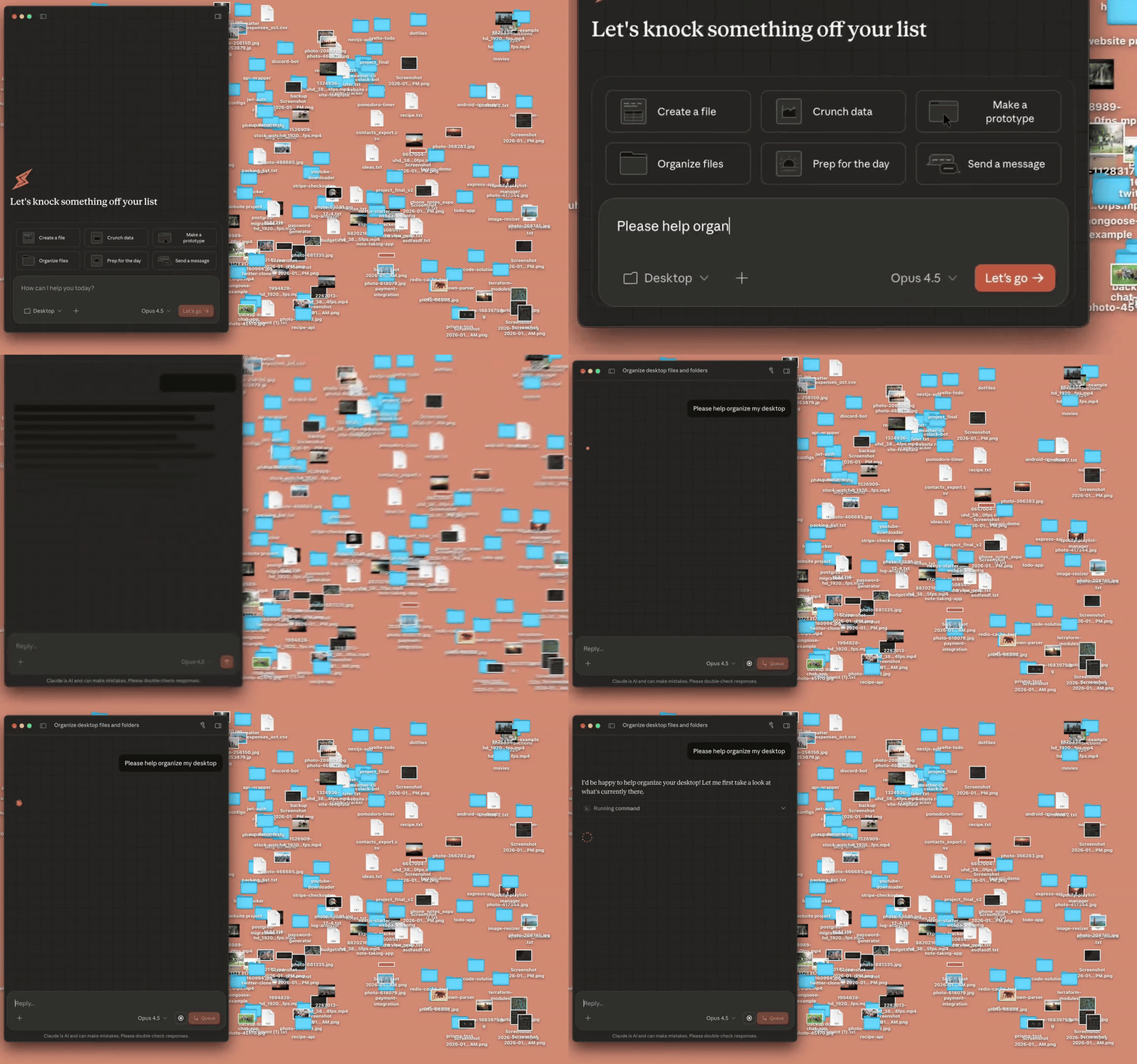
Transitioning to practical use, Claude Code Cowork excels in software development by automating repetitive elements. For instance, it generates Node.js code to interact with APIs, then iterates based on feedback to add error handling. This iterative process mirrors a human collaborator, making it ideal for prototyping. Yet, its focus on macOS and subscription model prompts developers to explore open-source alternatives like Eigent for more flexible deployments.
Introducing Eigent: The Open-Source Powerhouse
Eigent positions itself as the premier open-source Claude Code Cowork alternative, built on the CAMEL-AI framework to orchestrate multi-agent AI systems. This desktop application enables users to deploy a customized AI workforce locally, automating workflows through specialized agents. Unlike proprietary tools, Eigent prioritizes transparency, allowing full code inspection and modification under an open-source license.

At its core, Eigent decomposes user prompts into subtasks, assigning them to agents such as the Developer Agent for code writing and execution, the Search Agent for web queries, and the Document Agent for file management. This multi-agent architecture facilitates parallel processing, where agents collaborate to complete objectives efficiently. Developers integrate Model Context Protocol (MCP) tools, including web browsing, code interpreters, and third-party services like Notion or Slack.
Eigent supports a wide array of AI models, making it model-agnostic and adaptable to user preferences. Its local deployment ensures data remains on the user's infrastructure, addressing privacy concerns that plague cloud-based solutions. For enterprise users, it offers scalable features under a commercial license, including single sign-on (SSO) and access controls.
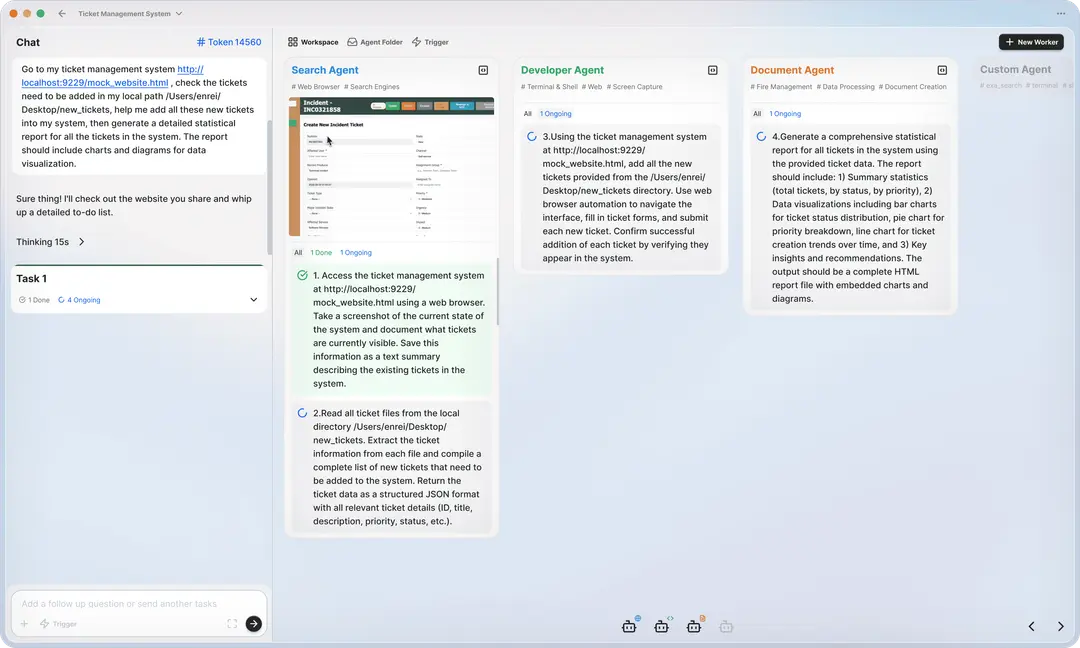
Furthermore, Eigent incorporates human-in-the-loop mechanisms, pausing for input when agents encounter ambiguities. This design prevents errors in critical coding tasks, such as debugging complex algorithms. The application's frontend leverages React and Electron for a responsive interface, while the backend uses FastAPI for efficient API handling.
Key Features of Eigent That Outshine Claude Code Cowork
Eigent distinguishes itself through several advanced features that enhance its role as an open-source Claude Code Cowork. First, its multi-agent system dynamically activates specialists for tasks, enabling more sophisticated automation than single-agent models. For example, the Developer Agent executes terminal commands and runs code, while the Multi-Modal Agent processes images or audio inputs.
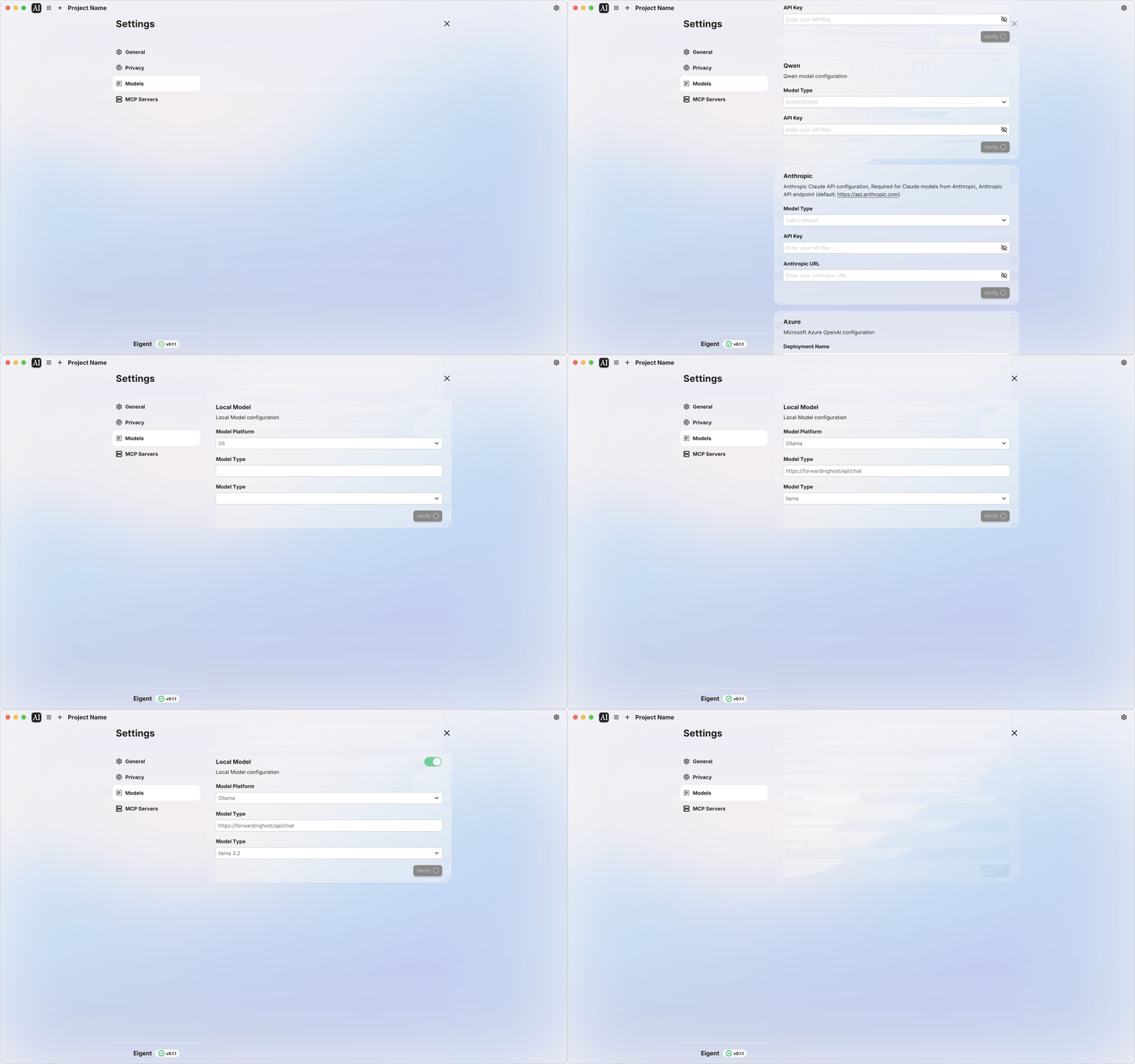
In contrast to Claude Code Cowork's folder-based access, Eigent extends capabilities with MCP integrations, allowing connections to internal APIs or external tools. Users install custom tools, tailoring the AI to specific domains like finance or biology. This extensibility supports diverse use cases, from generating financial reports to conducting market research.
Eigent's open-source nature fosters community contributions, with 21 contributors actively refining the codebase. Developers fork the repository to add features, ensuring rapid evolution. Claude Code Cowork, bound by Anthropic's preview restrictions, lacks this collaborative edge.
Eigent also emphasizes cost control through local runs, avoiding subscription fees. Its architecture supports asynchronous operations via Uvicorn, optimizing performance for resource-intensive tasks. For coding specifically, the Developer Agent handles script creation and execution, similar to Claude but with greater customization.
Comparing Eigent and Claude Code Cowork: A Technical Breakdown
When evaluating Eigent as an open-source Claude Code Cowork alternative, several factors come into play. Both tools enable AI to interact with files and execute tasks autonomously. Claude Code Cowork focuses on agentic file management within a folder, supporting parallel tasks and integrations like browser tools. Eigent expands this with multi-agent coordination, where agents specialize in areas like search or multimodal processing.
In terms of deployment, Claude Code Cowork requires a macOS app and subscription, limiting accessibility. Eigent, however, installs via Node.js and npm, running entirely locally on any compatible system. This local focus enhances security, as data never leaves the user's machine.
Performance-wise, Eigent's CAMEL-AI foundation allows for more complex workflows, such as generating HTML reports from data analysis. Claude Code Cowork excels in simple, iterative coding like API script refinement but may falter in multi-step, interdisciplinary tasks.
Cost represents another key difference. Claude demands a paid plan, while Eigent's community edition comes free. For scalability, Eigent offers enterprise options, whereas Claude remains in preview.
Limitations also vary. Claude faces risks from destructive actions or prompt vulnerabilities. Eigent mitigates issues through human oversight and open-source auditing.
| Aspect | Claude Code Cowork | Eigent (Open-Source Claude Code Cowork Alternative) |
|---|---|---|
| Deployment | Cloud-dependent, macOS only | Local, cross-platform |
| Agents | Single-agent focus | Multi-agent coordination |
| Cost | Subscription-based | Free community edition |
| Customization | Limited by preview | Full open-source modification |
| Integrations | Browser and connectors | MCP tools, custom APIs |
| Privacy | User-granted access | Complete local control |
This comparison highlights Eigent's advantages for developers prioritizing flexibility.
Installing and Setting Up Eigent
Developers install Eigent quickly using standard tools. Prerequisites include Node.js versions 18 to 22 and npm. Users clone the GitHub repository with git clone https://github.com/eigent-ai/eigent.git, navigate to the directory, and run npm install followed by npm run dev.
For fully local development, consult the server README for backend setup using FastAPI. This configuration separates the app from cloud dependencies. Once running, users define tasks via the interface, prompting the AI in natural language.
Configuration involves selecting AI models and integrating MCP tools. For coding, activate the Developer Agent to handle Python or JavaScript execution. Test setups by running sample tasks, like creating a financial spreadsheet from CSV data.
Troubleshooting common issues requires checking Node.js compatibility or updating dependencies. The community Discord provides support for advanced setups.
Advantages of Choosing an Open-Source Claude Code Cowork Like Eigent
Open-source tools like Eigent offer distinct benefits over proprietary options. Community-driven development accelerates feature additions, with contributors addressing bugs swiftly. Transparency allows audits for security, crucial in coding environments.
Customization stands out, developers modify agents or add tools to fit niche needs, unlike Claude's fixed framework. Cost savings enable small teams to adopt advanced AI without subscriptions.
However, open-source requires self-maintenance, though Eigent's documentation mitigates this. Overall, it democratizes AI coworking.
Integrating Eigent with Apidog for Enhanced API Workflows
Apidog complements Eigent by providing API management tools that validate AI-generated code. Users export OpenAPI files from Apidog, feeding them into Eigent for compliant script generation. Apidog then tests outputs with automated scenarios, catching issues early.
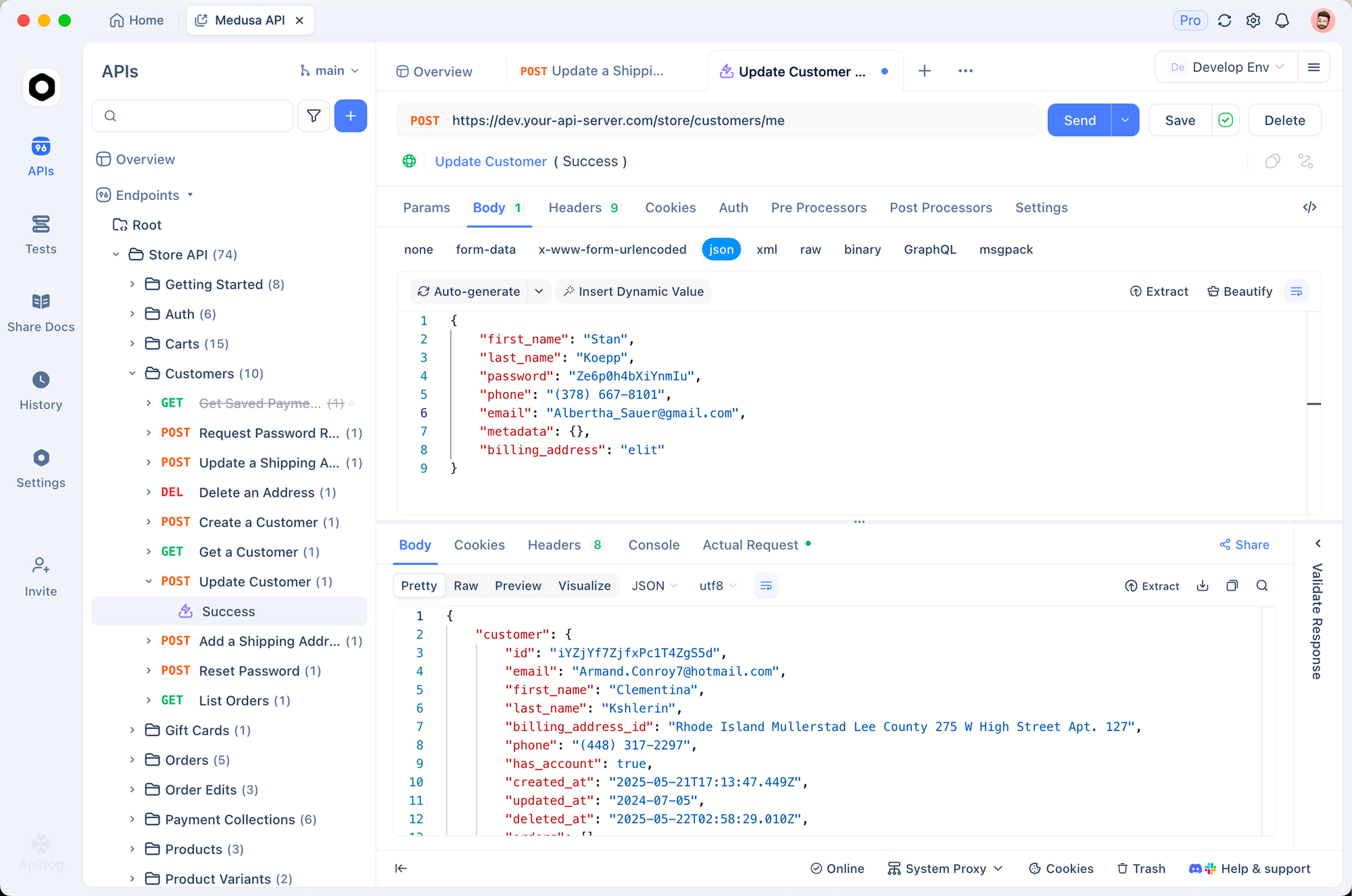
This integration streamlines CI/CD pipelines, where Eigent automates code creation and Apidog ensures quality. For developers using open-source Claude Code Cowork alternatives, Apidog's free download adds value without extra costs.
Conclusion: Why Eigent Leads as the Open-Source Alternative
Eigent surpasses Claude Code Cowork in flexibility, privacy, and community support. Developers adopt it for local, customizable AI assistance. Pair it with Apidog for comprehensive workflows. Start exploring Eigent today to elevate your productivity.