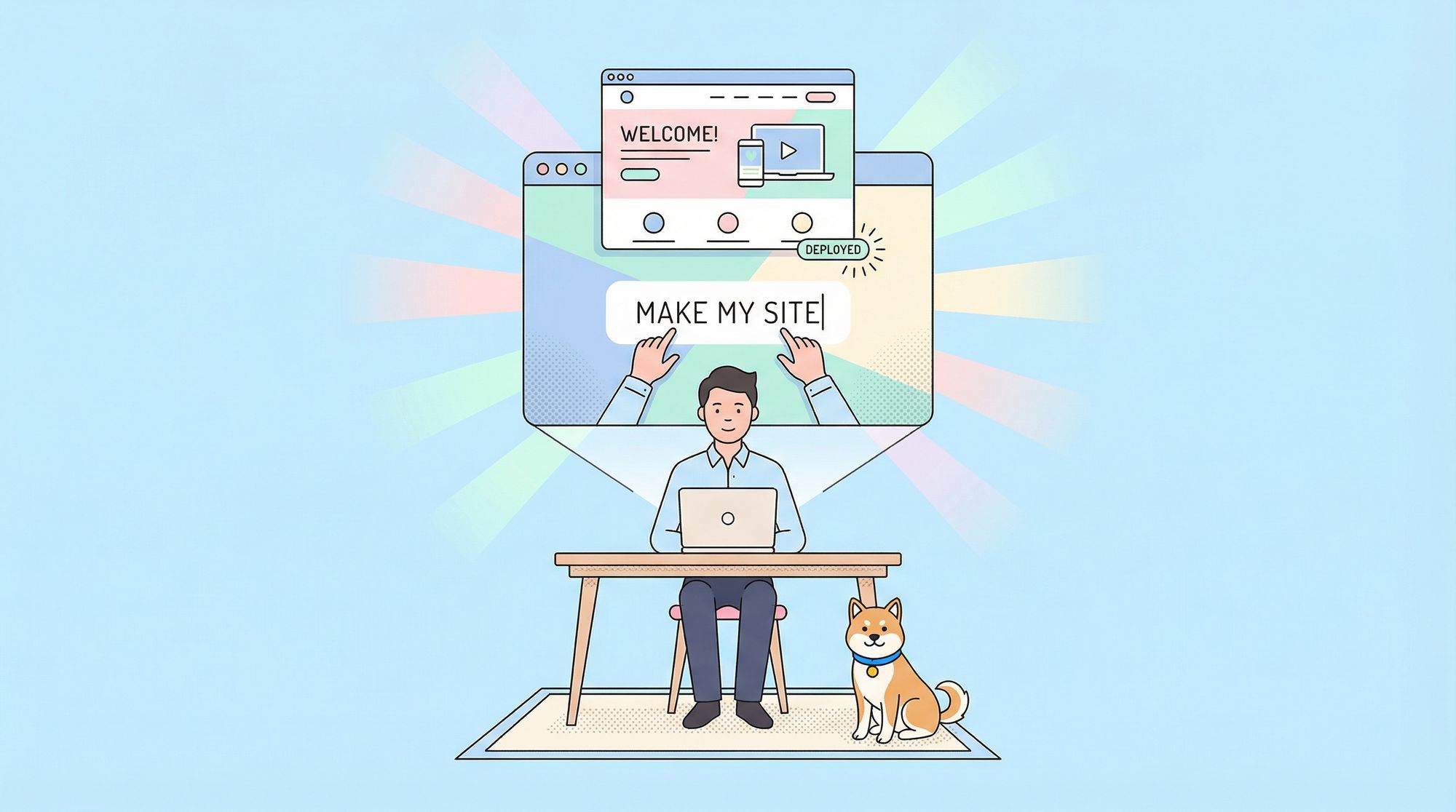
Are you a developer or technical lead looking for faster ways to prototype, build, or even deploy websites—without the overhead of complex editors or manual hosting? The rise of AI-powered site generators is changing how web projects start. Among these, DeepSite stands out as an accessible, browser-based tool that turns detailed prompts into functional, hosted websites—no coding required.
In this article, we’ll break down how DeepSite compares to Cursor AI, where each tool excels, and how you can leverage them to streamline your workflow. We’ll also touch on how platforms like Apidog can complement AI-based site and API development.
What is DeepSite?
DeepSite is an AI-driven web builder available via HuggingFace Spaces. Unlike traditional website builders, DeepSite lets you describe your site in plain language (“Build me a SaaS landing page with a dark theme and interactive FAQ”), and it instantly generates production-ready HTML, CSS, and JavaScript. No design or coding experience required.
Check out the official Deepsite gallery on Hugging Face to explore real examples from the Vibe Coders community.
Key Features
- Prompt-based design: Create complete sites from detailed text prompts.
- Instant hosting: Sites are live on HuggingFace with no extra setup.
- Zero cost: Free to use and host—ideal for rapid testing or MVPs.
- Powered by DeepSeek V3.1: Leverages a sophisticated AI model trained on modern web design and code patterns.
“DeepSite just dropped and holy sh*t. One shot prompt = full app. No joke. Tell it what you want, boom, done. Deploy it instantly. Try it before they start charging, seriously.”
— Michael Ehrlich (@squirtgunher0)
DeepSite vs. Cursor AI: Which Is Right for Your Workflow?
Cursor AI: AI-Powered Desktop Coding
Cursor AI is a desktop application designed for professional developers. It works as an AI coding assistant, providing:
- Autocomplete and context-aware code suggestions
- Natural language to code conversion
- Project-wide understanding for smarter refactoring
- Bug detection and resolution support
Cursor is best suited for engineers who want to accelerate existing codebases, refactor, or debug with AI help—directly in their local environment.
DeepSite: AI Website Generation in the Browser
DeepSite brings similar AI-powered coding to the browser, but for a different audience and use case:
- No installation or setup—just open in a browser tab
- Generate full websites (not just code snippets) with a single prompt
- One-click hosting—no FTP, no CI/CD, no server configs
- Perfect for rapid MVPs, portfolio sites, or client demos
- Requires zero coding knowledge to get started
| Feature | Cursor AI | DeepSite |
|---|---|---|
| Platform | Desktop app | Browser (HuggingFace Space) |
| Target User | Developers, engineers | Anyone (tech or non-tech) |
| Output | Code completion, bug fixes | Complete, hosted websites |
| Hosting | Self-managed | Auto-hosted on HuggingFace |
| Coding Required | Yes | No |
How DeepSite Works: Vibe Coding in Action
DeepSite is built around the concept of "vibe coding": you describe your vision and the AI handles everything else. For API-focused teams, this means you can:
- Instantly prototype a frontend for your API or service
- Share interactive demos with stakeholders without coding overhead
- Experiment with site structure and UI before committing to code
The DeepSeek V3.1 Engine
DeepSeek V3.1, the AI behind DeepSite, is trained on thousands of modern web projects. It understands not just code, but also design patterns, layout principles, and user experience best practices.
When you submit a prompt, DeepSeek:
- Parses your requirements (“minimalist portfolio with navy and gold colors, sticky navbar, and animated hero section”)
- Designs and codes the structure, styling, and interactivity
- Deploys the finished site to HuggingFace—ready to share or iterate
Getting Started with DeepSite: A Step-by-Step Guide
Want to see how it works? Here’s how developers can try DeepSite today:
- Go to DeepSite on HuggingFace
- Sign in or create a free HuggingFace account
- Use the prompt box to describe your website in as much detail as possible
- Click “Generate” and watch your site deploy live
- Preview, iterate, or tweak your site as needed
Example Prompt for Developers
“Build a responsive API documentation site with a sidebar menu, dark mode, and code samples in tabs. Include a search bar at the top and a collapsible ‘Getting Started’ section.”
Pro Tips: Getting the Most from DeepSite
- Be specific: The more detail in your prompt (colors, layout, features), the better the result.
- Reference known designs: Mention popular sites (“navigation like Stripe, typography like Medium”) for style guidance.
- Describe functionality: Don’t just say “add a contact form”—specify behaviors (“validate email, show thank you message after submit”).
- Iterate: Try different prompts to refine your result.
Where Apidog Fits In: API Workflows Meet Instant Web Prototyping
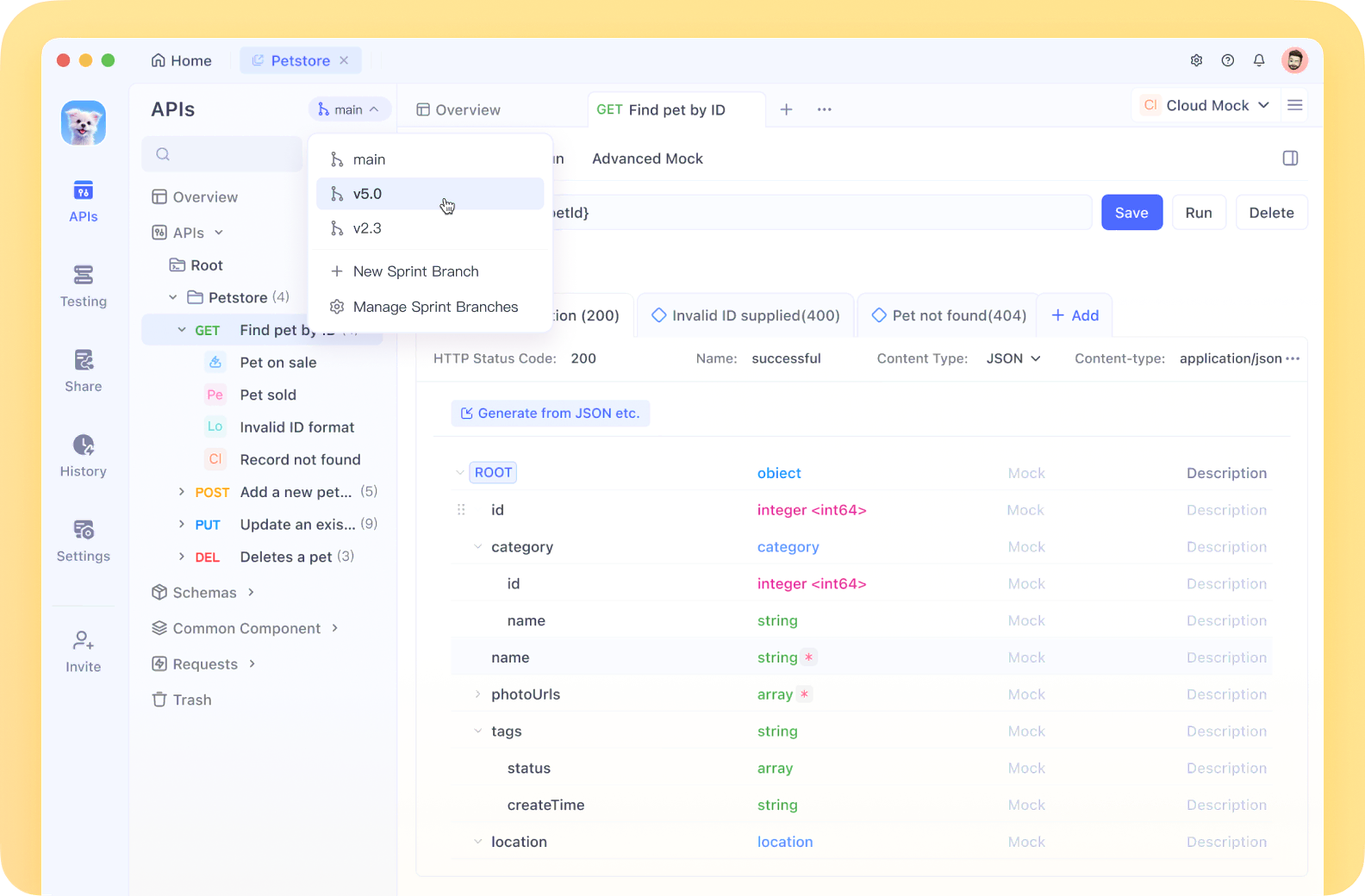
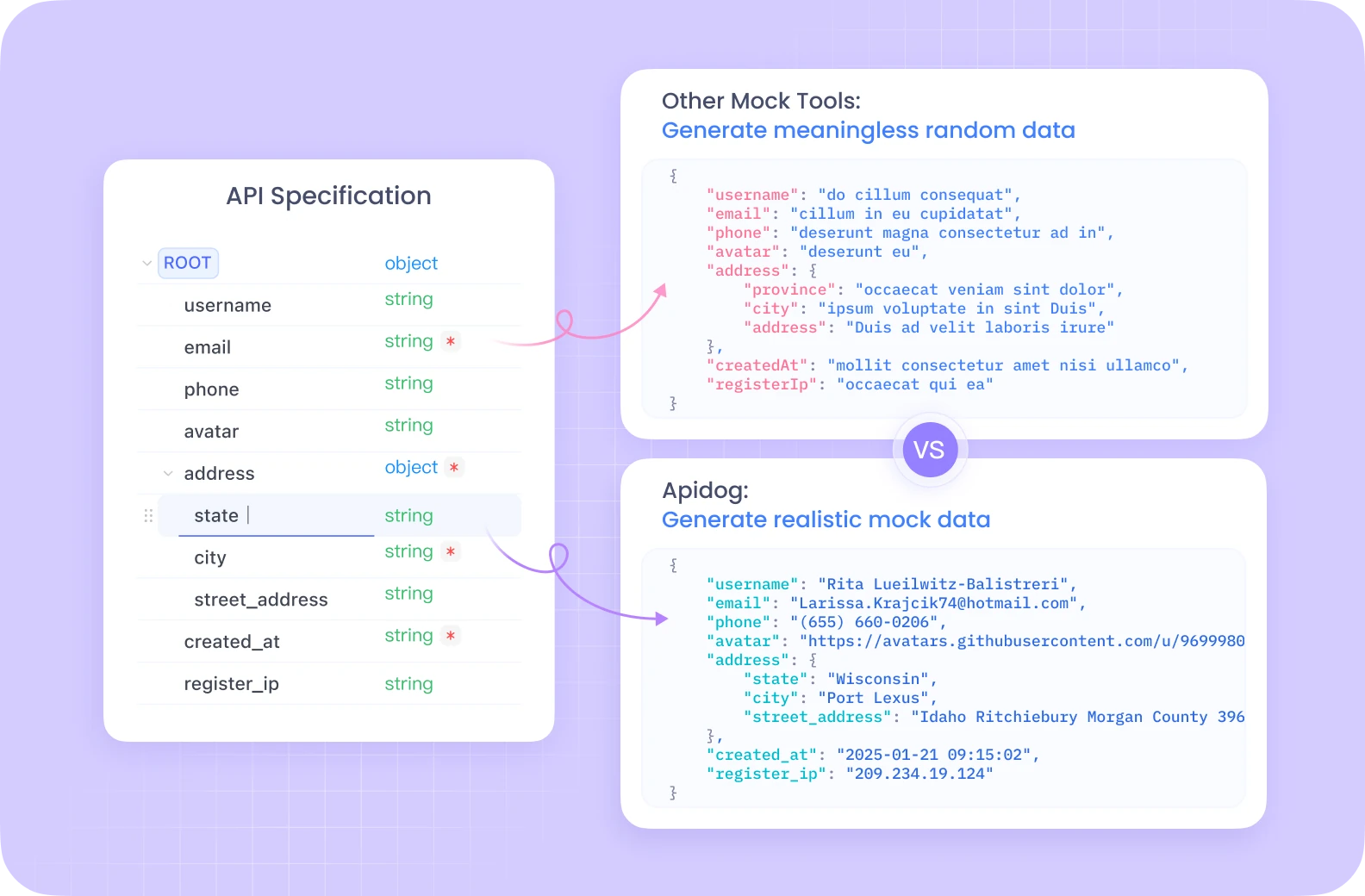
As you explore new ways to build and test web apps, streamlining your API workflow remains critical. Apidog offers an integrated platform for designing, testing, and documenting APIs—helping backend and frontend teams move faster and with more confidence.
If you’re using DeepSite to prototype frontend UIs for your API, Apidog can help you:
- Quickly design and test APIs before connecting to your site
- Auto-generate documentation and interactive playgrounds
- Ensure your generated sites are backed by well-tested endpoints
The Bottom Line: AI is Democratizing Web Development
DeepSite is changing the way teams approach web prototyping and deployment. For API developers and technical leads, it’s now possible to:
- Instantly generate and host interactive frontends
- Test API integrations with real UIs
- Share live demos with zero setup
As AI tools like DeepSite and Cursor evolve, they free developers to focus on architecture, optimization, and integration—while automating repetitive or boilerplate tasks.
Ready to accelerate your API and web development workflow? Try DeepSite for instant site prototyping, and power your APIs with Apidog for robust, automated design and testing.