TL;DR
Claude Opus 4.5 leads SWE-bench at 80.9% and produces minimal, precise diffs. DeepSeek V4 handles multi-file, repository-scale refactoring well, particularly with large explicit context. Neither is universally better: use Claude Opus 4.5 for surgical fixes and production patches; use DeepSeek V4 for large-context repository tasks where comprehensive file maps are provided.
Introduction
Coding benchmarks give you a starting point, but they don’t tell you which model fits your specific workflow. This comparison is based on hands-on testing across practical coding tasks: repository refactoring, flaky test repairs, API integration changes, and algorithm optimizations.
The goal is practical guidance, not benchmark bragging. Both models are capable; the question is where each performs best.
Benchmark comparison
| Benchmark | Claude Opus 4.5 | DeepSeek V4 |
|---|---|---|
| SWE-bench Verified | 80.9% | Strong (specific score varies) |
| HumanEval | ~92% | ~90% |
| Long context | Strong | Excellent |
| Code diff minimalism | Excellent | Good |
SWE-bench (resolution rate on real GitHub issues) is the most practical benchmark for production coding work. Claude Opus 4.5’s 80.9% means it resolves 80.9% of real bugs autonomously — the highest published score in early 2026.
Claude Opus 4.5 strengths
Smaller change sets: Claude produces fewer unnecessary modifications. When you ask it to fix a bug, it fixes that bug — it doesn’t also refactor neighboring code or add unrequested features.
Fewer hallucinated imports: When generating code that uses libraries, Claude is more conservative about inventing non-existent methods. The code it generates references actual APIs more reliably.
Surgical precision: For small, targeted fixes — a flaky test, an off-by-one error, a missing null check — Claude’s precision minimizes diff size and review burden.
Production-appropriate conservatism: Claude prefers smaller, more verifiable changes over comprehensive rewrites. For code going to production, this is typically the safer approach.
SWE-bench leadership: The highest published resolution rate means it handles the widest range of real-world bugs correctly.
DeepSeek V4 strengths
Repository-scale context: DeepSeek V4 excels when given comprehensive context: full file maps, dependency graphs, cross-file relationship descriptions. With explicit architectural context, it handles multi-file changes better.
Large-scale refactoring: For tasks that touch many files simultaneously — migrating a codebase to a new pattern, updating all usages of a deprecated API — DeepSeek’s long context handling is an advantage.
Edge case identification: When explicitly asked to identify edge cases before writing code, DeepSeek’s analysis is thorough.
Comprehensive prompts: DeepSeek responds well to detailed, explicit prompts. The more architectural context you provide, the better it performs.
Testing both with Apidog
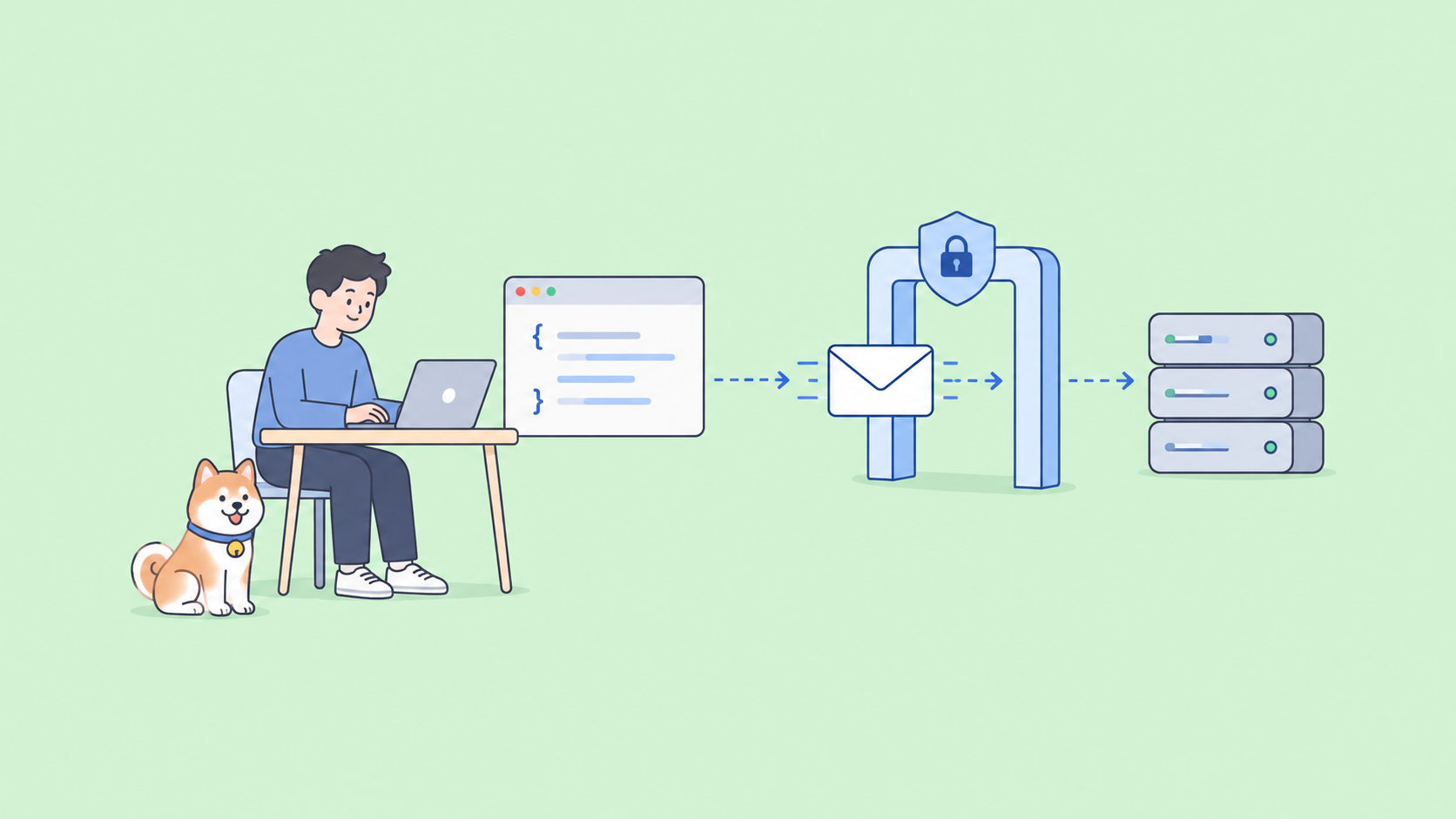
For developers evaluating which model to use for API-based coding tasks:
Claude Opus 4.5:
POST https://api.anthropic.com/v1/messages
x-api-key: {{ANTHROPIC_API_KEY}}
anthropic-version: 2023-06-01
Content-Type: application/json

{
  "model": "claude-opus-4-5",
  "max_tokens": 4096,
  "messages": [
    {
      "role": "user",
      "content": "{{coding_task}}"
    }
  ]
}
DeepSeek V4:
POST https://api.deepseek.com/v1/chat/completions
Authorization: Bearer {{DEEPSEEK_API_KEY}}
Content-Type: application/json

{
  "model": "deepseek-v4",
  "messages": [
    {
      "role": "user",
      "content": "{{coding_task}}"
    }
  ],
  "temperature": 0.2
}
Use the same {{coding_task}} variable. Run the same bug description through both models and compare the generated fixes for:
- Diff size: Count lines changed. Smaller, more targeted = better for production
- Correctness: Does the fix actually solve the stated problem?
- Import accuracy: Does the code reference actual APIs and methods?
- Explanation quality: Is the explanation clear about what changed and why?
Running your own comparison
For a fair evaluation, use this framework:
Step 1: Select representative tasks
Choose 5-10 real tasks from your codebase. Mix: one bug fix, one feature addition, one refactoring task, one test repair.
Step 2: Freeze inputs
Commit the codebase state before testing. Same codebase, same problem description for both models.
Step 3: Evaluate systematically
For each task, score on:
- Did the fix work? (pass/fail)
- Lines changed (lower = better for targeted fixes)
- Unnecessary changes introduced? (yes/no)
- Code review time (estimated minutes)
Step 4: Calculate by task type
You’ll likely find Claude Opus 4.5 performs better on targeted fixes and DeepSeek better on large-context refactors. The pattern emerges from enough samples.
Practical routing recommendation
| Task type | Recommended model |
|---|---|
| Single-file bug fix | Claude Opus 4.5 |
| Flaky test repair | Claude Opus 4.5 |
| API integration | Claude Opus 4.5 |
| Algorithm fix (localized) | Claude Opus 4.5 |
| Repository migration (all usages) | DeepSeek V4 |
| Multi-file architectural refactor | DeepSeek V4 |
| Dependency graph analysis | DeepSeek V4 |
FAQ
Is Claude Opus 4.5 worth the higher price versus DeepSeek?
For targeted production fixes, yes. The precision and hallucination avoidance reduce review burden and rework. For high-volume batch tasks where cost matters, DeepSeek’s pricing is more favorable.
Does DeepSeek V4 use the OpenAI API format?
Yes. DeepSeek V4’s API follows the OpenAI chat completions format. Code written for OpenAI works with DeepSeek by changing the base URL and API key.
Can I use both models in the same codebase pipeline?
Yes. Route by task type: use Claude Opus for standard fixes and DeepSeek for large-context tasks. Different API keys, same JSON structure.
How do I provide explicit file maps to DeepSeek for large-context tasks?
Include a structured representation of your codebase in the system message or at the start of the user message: file paths, key functions, import relationships. DeepSeek uses this context more effectively than inferring structure.
What’s the context window for each model?
Both support large context windows. DeepSeek V4 is specifically noted for strong performance on very long contexts (over 30-40K tokens). Claude Opus 4.5 offers 1 million token context.