APIs have moved from being mere technical connectors to full-fledged products that drive business growth. As organizations recognize the commercial potential of APIs, the importance of effective API pricing strategies has skyrocketed. But how do you decide what to charge, how to structure your plans, and what models best suit your API’s value proposition?
This comprehensive guide will demystify API pricing strategies, explore popular models, examine real-world examples, and offer actionable tips for monetizing your APIs successfully.
What Are API Pricing Strategies?
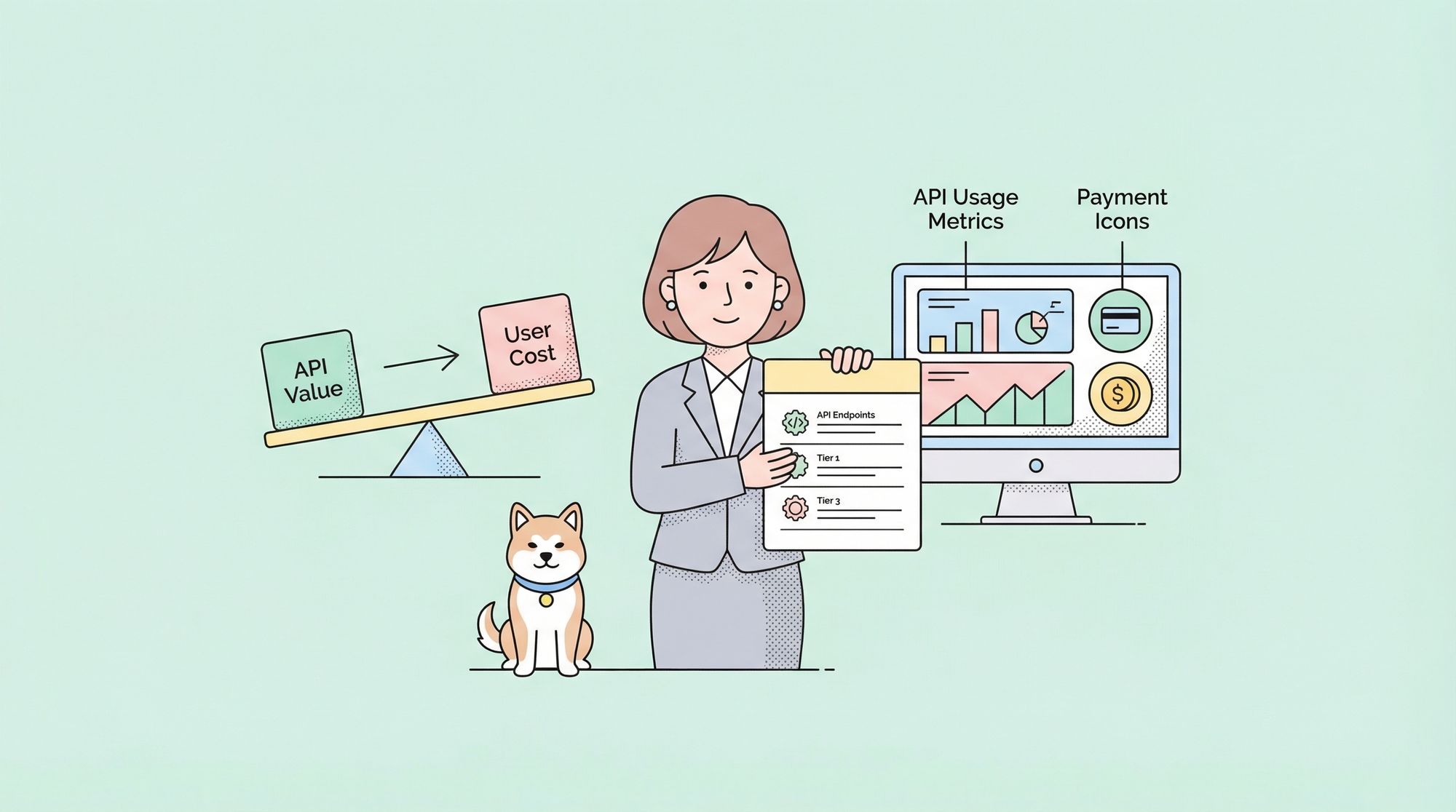
API pricing strategies are systematic approaches that determine how API providers charge for access to their APIs. These strategies play a pivotal role in shaping adoption, revenue, and long-term customer satisfaction. A well-designed API pricing strategy aligns the value your API delivers with how much users are willing to pay—maximizing both adoption and profitability.
API pricing strategies are not "set and forget" decisions. They require ongoing evaluation, market analysis, and adaptation as your API evolves and your customer base grows. Choosing the right strategy early can catapult your API’s success; failing to do so can result in missed revenue and stalled adoption.
Why API Pricing Strategies Matter
The API economy is booming—APIs today drive revenue for over 65% of organizations, with many companies earning a significant portion of their income directly from API products. A thoughtful approach to API pricing strategies can:
- Accelerate adoption: Flexible models lower friction for new users.
- Maximize lifetime value: Pricing that scales with usage encourages long-term growth.
- Enable predictable revenue: Subscription and tiered models provide steady cash flow.
- Align with business goals: Different strategies support brand positioning, differentiation, and competitive edge.
Whether you’re a SaaS company, fintech innovator, or data provider, the right API pricing strategy is a cornerstone of your API’s commercial success.
Core API Pricing Models
Let’s dive into the most popular API pricing strategies and their pros, cons, and best-fit scenarios.
1. Freemium Model
The freemium API pricing strategy provides users with basic API access for free, while advanced features or higher usage require payment.
Pros:
- Low barrier to entry encourages trial and adoption.
- Helps build a developer community and gather feedback.
Cons:
- May require careful usage limits to prevent abuse.
- Conversion from free to paid users can be challenging.
Best for: APIs targeting startups, developers, or new markets where rapid adoption is crucial.
2. Pay-As-You-Go (Usage-Based Pricing)
This API pricing strategy charges customers for actual usage—such as per API call, transaction, or data volume.
Pros:
- Highly flexible, aligns cost with actual value delivered.
- Appeals to customers with variable or unpredictable usage.
Cons:
- Harder for customers to predict monthly costs.
- May require robust metering and billing infrastructure.
Best for: APIs in cloud, payments, communications, or data services.
3. Tiered Pricing
Tiered API pricing strategies offer several usage levels (e.g., Starter, Pro, Enterprise), each with specific quotas, features, and support.
Pros:
- Predictable costs for customers.
- Easily upsell and cross-sell as customers grow.
Cons:
- Requires careful design to make each tier attractive.
- Risk of “dead zones” where users hesitate to upgrade.
Best for: APIs serving a wide range of business sizes or use cases.
4. Flat-Rate Subscription
A flat-rate API pricing strategy charges a fixed monthly or annual fee for API access, often with set limits.
Pros:
- Simplicity for both provider and customer.
- Predictable, recurring revenue.
Cons:
- May undercharge heavy users or deter entry-level users.
- Less flexible for scaling customers.
Best for: APIs with stable, predictable usage patterns.
5. Revenue Sharing / Transaction Fees
Some API pricing strategies involve taking a cut of revenue generated by your API (e.g., per payment processed, per item sold).
Pros:
- Aligns your success with your customer’s success.
- Scales automatically as customers grow.
Cons:
- Complex billing and reconciliation.
- Customers may dislike sharing revenue.
Best for: Marketplaces, payment APIs, or platforms enabling third-party commerce.
6. Custom or Negotiated Pricing
Enterprise-focused API pricing strategies often involve custom contracts, SLAs, and usage terms.
Pros:
- Tailored to high-value customers.
- Can include premium support and features.
Cons:
- Lengthy sales cycles.
- Hard to scale for smaller clients.
Best for: Large B2B or regulated industries with specific needs.
7. Hybrid API Pricing Strategies
Many successful APIs combine several models. For example, offering a freemium tier, usage-based overages, and enterprise custom deals.
Factors Influencing API Pricing Strategies
Choosing the right API pricing strategy involves understanding both your product and your market. Key considerations include:
- Value delivered: What problem does your API solve? How critical is it to your customer’s workflow?
- Usage patterns: Is usage bursty or consistent? Do most customers grow over time?
- Customer segments: Are you targeting startups, SMBs, or enterprises?
- Competitive landscape: How are similar APIs priced?
- Technical costs: What are your infrastructure and support costs per API call or user?
Using API development tools like Apidog can help you analyze usage data and iterate quickly on pricing experiments, as well as manage versioning and documentation to support different pricing tiers.
Designing an Effective API Pricing Strategy
Step 1: Define Your Value Metric
The core of any API pricing strategy is the value metric—what will you charge for? Common examples include:
- Number of API calls
- Volume of data transferred
- Number of unique users or endpoints accessed
- Revenue processed via the API
Value metrics should be easy to measure, hard to game, and closely aligned with customer success.
Step 2: Segment Your Customers
Group your customers by usage, industry, or business size. This enables more sophisticated API pricing strategies, such as:
- Starter plans for small teams
- Growth plans for scaling companies
- Enterprise plans with custom SLAs
Step 3: Test and Iterate
The best API pricing strategies are data-driven. Launch with a hypothesis, collect feedback, and refine over time. API platforms like Apidog can streamline onboarding, monitor usage, and support rapid iteration as you optimize your pricing.
Step 4: Communicate Clearly
Your API pricing strategy should be transparent and easy to understand. Provide:
- Interactive pricing calculators
- Clear documentation on limits, overages, and support
- Examples of typical customer bills
Real-World Examples of API Pricing Strategies
Let’s examine how industry leaders use API pricing strategies to drive adoption and revenue.
Twilio
Twilio’s messaging API uses a pay-as-you-go pricing strategy. Customers pay per message sent, with volume discounts. This aligns perfectly with Twilio’s value metric (messages delivered) and scales from startups to Fortune 500s.
Stripe
Stripe’s payment APIs combine transaction-based pricing (a percentage of each payment processed) with optional flat monthly fees for premium features. This hybrid approach ensures Stripe’s revenue grows with their customers’ success.
OpenAI
OpenAI’s API uses a consumption-based pricing strategy measured in tokens processed. They also provide free trial credits and tiered plans for higher usage, catering to both hobbyists and enterprise AI developers.
Shopify
Shopify’s app platform uses a revenue-sharing API pricing strategy, taking a percentage of revenue generated by third-party apps built on its APIs, incentivizing partners to build high-quality integrations.
Best Practices for API Pricing Strategies
- Start simple, evolve over time: Begin with a straightforward model, then add complexity as your understanding grows.
- Monitor and analyze: Use analytics to track adoption, churn, and revenue per customer segment.
- Offer flexibility: Allow easy upgrades, downgrades, and usage top-ups.
- Avoid hidden fees: Surprise charges erode trust and increase churn.
- Support growth: Make it easy for customers to scale, with clear pathways between pricing tiers.
With tools like Apidog, you can rapidly prototype APIs, simulate usage, and generate the documentation needed to support clear and effective pricing models.
How Apidog Supports API Pricing Strategy Implementation
As you design and optimize your API pricing strategies, having the right development and management platform is crucial. Apidog enables:
- Rapid API prototyping to test new endpoints and value metrics
- Automated documentation generation for transparent pricing and usage terms
- Mock data and request simulation to help estimate potential usage and tier structuring
- Seamless versioning so you can roll out new pricing models without disrupting existing users
By leveraging Apidog’s capabilities, you can iterate on API pricing strategies faster and with more confidence, ensuring your API remains competitive and profitable.
Conclusion: Choosing and Evolving Your API Pricing Strategies
API pricing strategies are the backbone of API monetization and growth. The right strategy maximizes value for your customers and your business, balancing accessibility and revenue. As the API economy matures, successful providers will continuously analyze data, listen to customer feedback, and adapt their pricing to stay ahead.
Whether you’re just launching your first API or optimizing a mature product, a thoughtful approach to API pricing strategies—supported by robust tools like Apidog—can be the key to unlocking your API’s full commercial potential. Start simple, iterate often, and always align your pricing with the value you deliver.