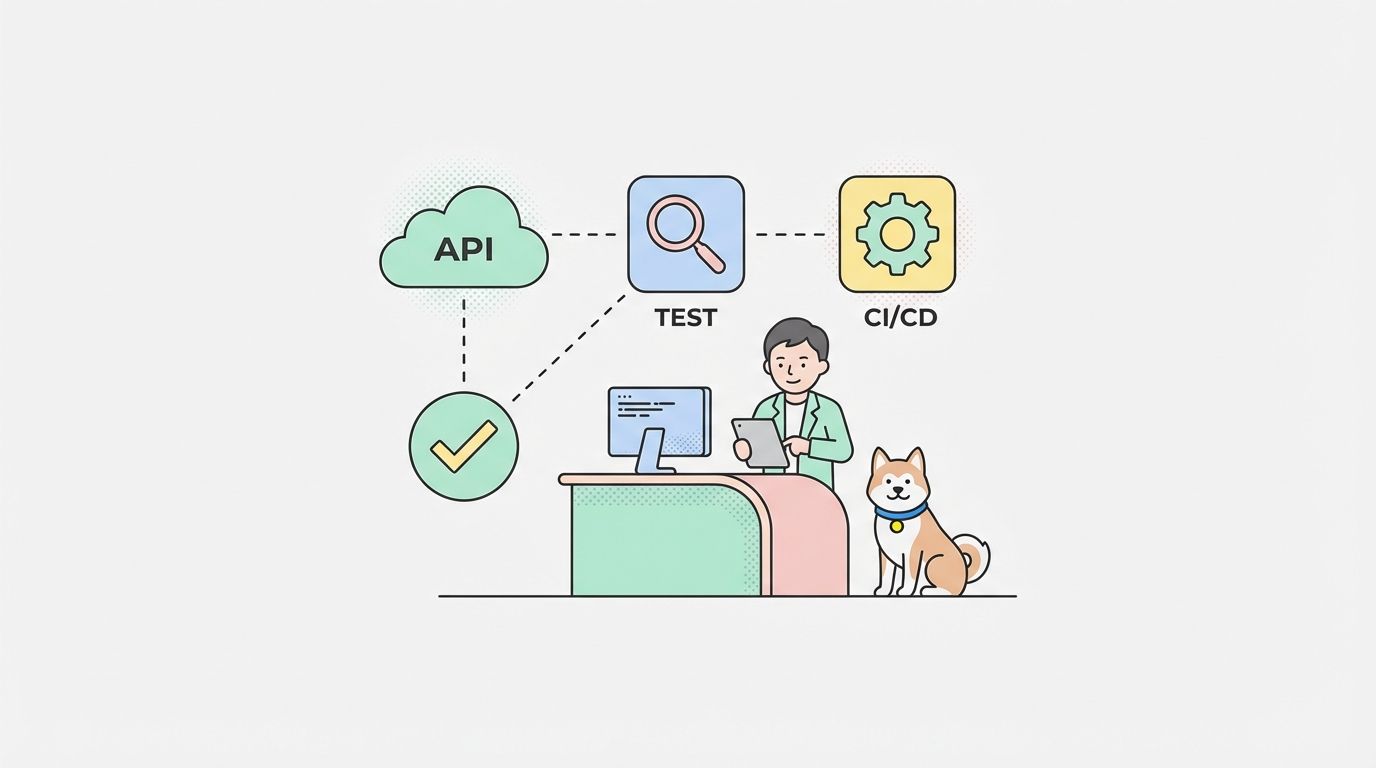
API integration services have become a cornerstone of modern business operations, enabling organizations to connect applications, automate workflows, and accelerate digital transformation. In this comprehensive guide, we’ll explore what API integration services are, why they matter, how they work, and how platforms like Apidog empower teams to integrate APIs efficiently and securely.
What Are API Integration Services?
API integration services are specialized solutions or platforms designed to connect disparate software applications using Application Programming Interfaces (APIs). These services facilitate the seamless exchange of data and commands between different systems, allowing businesses to synchronize information, automate processes, and enhance their technology stack without manual intervention or custom code for every connection.
In essence, API integration services act as bridges between your business systems, cloud apps, databases, and third-party tools. Instead of siloed data and isolated workflows, API integration services enable unified, real-time connectivity and interoperability.
Why Are API Integration Services Essential?
The increasing complexity of business ecosystems—with multiple SaaS tools, on-premises solutions, and custom applications—makes API integration services indispensable. Here's why:
- Operational Efficiency: Automate repetitive tasks and eliminate manual data entry, reducing errors and freeing up valuable time.
- Data Consistency: Synchronize data across platforms to ensure accuracy and up-to-date information.
- Faster Innovation: Quickly incorporate new features or external services without building everything from scratch.
- Scalability: Easily scale integrations as your business grows or as new tools are added to your stack.
- Cost Savings: Reduce development and maintenance costs by leveraging reusable, managed integrations.
Whether you’re integrating payment gateways, CRM systems, marketing automation tools, or IoT devices, API integration services provide the foundation for a connected, agile business.
How Do API Integration Services Work?
API integration services typically provide a platform, middleware, or managed service that abstracts the technical complexities of connecting APIs. Here’s how a typical API integration service operates:
1. API Discovery & Authentication: The service identifies and securely connects to the APIs you want to integrate. This often involves handling authentication protocols like OAuth, API keys, JWT, or SAML.
2. Data Mapping & Transformation: It maps data fields between different systems and, if needed, transforms data formats (e.g., JSON to XML).
3. Workflow Orchestration: Establishes rules and logic for how data and commands flow between applications. This can range from simple triggers to complex, multi-step workflows.
4. Monitoring & Error Handling: Continuously monitors API calls, logs activity, and provides error handling or retry mechanisms.
5. Security & Compliance: Ensures data is transmitted securely, often including encryption, audit trails, and access controls.
Platforms like Apidog help development teams design, test, and debug APIs before integrating them with other services, ensuring a smooth and reliable integration process.
Types of API Integration Services
Not all API integration services are created equal. Here are the main categories:
1. Point-to-Point Integration Services
These services set up direct connections between two applications. While simple to implement, point-to-point integrations can become difficult to manage as the number of connections grows—a phenomenon known as “spaghetti architecture.”
2. Middleware/API Gateway Platforms
Middleware solutions or API gateways act as centralized hubs for managing multiple integrations. They provide tools for API management, security, transformation, and orchestration. Examples include MuleSoft, Gravitee, and Apidog (which offers spec-driven API design and testing capabilities as part of the integration process).
3. Integration Platform as a Service (iPaaS)
iPaaS solutions offer cloud-based platforms for building, deploying, and managing integrations at scale. They often include visual workflow builders, pre-built connectors, and support for both cloud and on-premises systems. Leading iPaaS providers include Workato, Zapier, and Boomi.
4. Custom API Integration Services
For unique or complex scenarios, some organizations turn to custom development or consulting services to build tailored API integrations. This approach is ideal for specialized requirements, legacy systems, or industries with strict compliance needs.
Key Features of Modern API Integration Services
When evaluating API integration services, look for the following core features:
- Pre-Built Connectors: Ready-made integrations for popular applications (e.g., Salesforce, Slack, Shopify).
- Visual Workflow Builder: Drag-and-drop interfaces to design integration flows without extensive coding.
- Data Transformation Tools: Automate data mapping, validation, and transformation between systems.
- Real-Time Sync: Instant data transfer and event-driven triggers.
- Secure Authentication: Support for multiple authentication methods and robust access controls.
- Monitoring & Logging: Real-time dashboards, error tracking, and audit trails.
- Scalability: Ability to handle growing data volumes and new integration endpoints.
- API Lifecycle Management: Tools for API versioning, testing, documentation, and mocking—features that platforms like Apidog excel at.
Real-World Applications of API Integration Services
API integration services are used across industries and use cases. Here are some practical examples:
E-commerce Order Automation
An online retailer uses API integration services to connect their Shopify store, payment processor, inventory management system, and shipping provider. Orders placed online trigger a seamless workflow: payment is processed, inventory is updated, and shipping labels are generated automatically.
CRM and Marketing Platform Synchronization
A B2B company leverages API integration services to connect Salesforce (CRM) with HubSpot (marketing automation). Leads generated from marketing campaigns are automatically pushed into the CRM, triggering personalized follow-ups and sales notifications.
Financial Reporting Automation
A finance team integrates their accounting software with various bank APIs and ERP systems. API integration services automate transaction imports, reconciliation, and real-time dashboard updates, reducing month-end closing time.
IoT Device Management
Manufacturers use API integration services to connect IoT sensors with cloud analytics platforms. Sensor data is transmitted via secure APIs, enabling real-time monitoring, alerts, and predictive maintenance.
API-Driven Product Development
Development teams rely on platforms like Apidog to design, test, and document APIs before integrating them with internal systems or external partners. This ensures robust, well-documented APIs that are easy to integrate using API integration services.
Best Practices for Implementing API Integration Services
To maximize the benefits of API integration services, follow these best practices:
1. Start with Clear Integration Goals
Identify which systems, data, and workflows need to be connected. Define your objectives—whether it’s data synchronization, process automation, or new feature delivery.
2. Choose the Right API Integration Service
Evaluate your requirements: Do you need pre-built connectors, custom workflows, or deep API management features? For spec-driven API development and testing, consider tools like Apidog to streamline the process before integration.
3. Prioritize Security
Ensure all API connections use secure authentication and encrypted data transfers. Regularly review access permissions and audit logs.
4. Monitor and Optimize Integrations
Set up monitoring for data flows, performance, and error rates. Use logging and analytics to quickly identify and resolve issues.
5. Embrace Documentation and Versioning
Maintain up-to-date documentation for all APIs involved in your integrations. Tools like Apidog can automate documentation generation and version control, making ongoing maintenance easier.
How Apidog Supports API Integration Services
Apidog is a spec-driven API development platform that streamlines the entire lifecycle of API integration services. Here’s how Apidog fits into your API integration strategy:
- API Design & Testing: Create and validate APIs before integrating them into your workflows, reducing the risk of integration failures.
- Mocking & Debugging: Use Apidog’s mocking capabilities to simulate API responses during integration development, enabling faster testing and front-end/back-end decoupling.
- Automated Documentation: Generate online, interactive API documentation that stays up to date as your APIs evolve, ensuring smooth handoffs between development and integration teams.
- Import & Export: Easily import existing API specs (e.g., Swagger, Postman) and export them for use in your chosen API integration service or iPaaS platform.
By integrating Apidog into your API integration services workflow, you ensure that your APIs are robust, well-documented, and ready for seamless connection with other applications.
Conclusion: Unlocking Business Agility with API Integration Services
API integration services are fundamental to building a modern, agile, and connected business. They enable organizations to unify data, automate processes, and innovate rapidly—without the burden of manual coding or siloed systems. Whether you’re a startup or a global enterprise, leveraging the right API integration service can transform your operations and accelerate growth.
For businesses seeking to optimize their API integration journey, platforms like Apidog provide the tools to design, test, and document APIs effectively, ensuring seamless integrations and long-term success.
Ready to streamline your API integration services? Explore how Apidog and leading integration platforms can help your team build smarter, faster, and more connected digital experiences.