API adoption has become a core driver of digital transformation, enabling organizations to connect, innovate, and scale like never before. In this guide, we’ll break down exactly what API adoption means, why it’s vital, the stages and strategies for boosting API adoption, and how platforms like Apidog can accelerate your journey.
What is API Adoption?
API adoption refers to the process by which an organization or its partners, developers, or customers discover, integrate, and consistently use an API in their systems or applications. It goes beyond merely building APIs; true API adoption is achieved when APIs are actively and repeatedly leveraged as indispensable tools, driving value through integration, automation, and innovation.
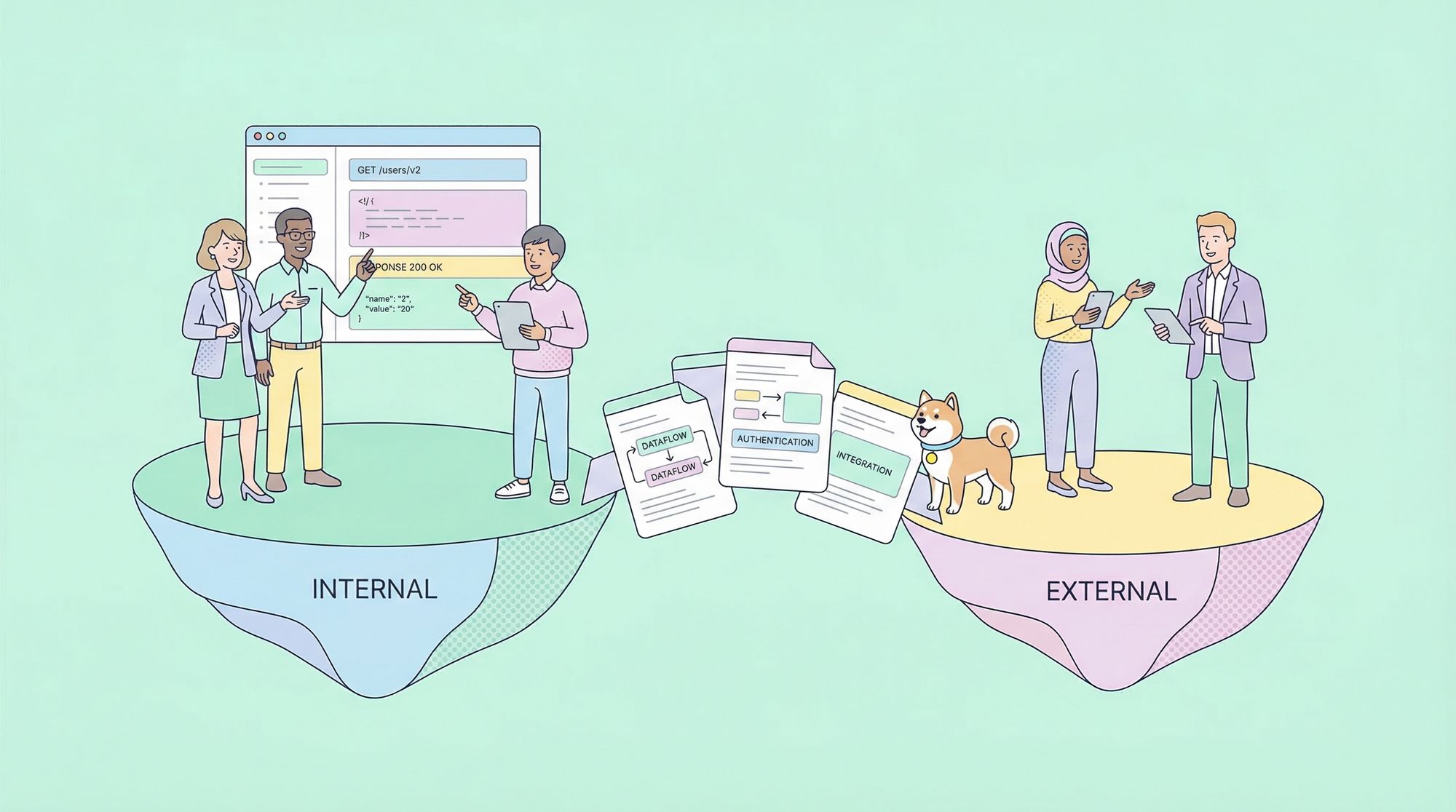
API adoption can be internal (by a company’s own teams) or external (by third-party developers and partners). In both cases, successful API adoption means the API is not just available, but is widely used, trusted, and embedded into business processes, products, or services.
Why API Adoption Matters
Breaking Down Data Silos
One of the main reasons API adoption is critical is its power to break down data silos. Traditional software systems often trap valuable information within isolated applications. Adopting APIs enables seamless communication and data exchange between these systems, creating a unified data architecture that supports faster, data-driven decision-making.
Enabling Real-Time Data Access
Modern businesses demand real-time data for personalized customer experiences and rapid market response. API adoption allows applications to exchange data instantly, enabling organizations to react to customer needs and industry changes as they happen.
Streamlining Operations and Automation
Manual data entry and disconnected processes slow down operations and increase errors. Through API adoption, organizations automate workflows, saving time, reducing costs, and ensuring data consistency across the enterprise.
Driving Innovation and Agility
APIs are catalysts for building new products, services, and business models. Widespread API adoption allows teams to quickly experiment, iterate, and launch solutions. This agility is especially critical in fast-moving markets, where API-driven digital ecosystems set industry leaders apart.
The Five Stages of API Adoption
API adoption is an evolutionary journey. Understanding its maturity stages helps organizations plan and measure progress:
1. Awareness: Recognizing the need for API adoption and understanding API benefits.
2. Exploration: Launching initial API projects and evaluating integration tools.
3. Adoption: Actively integrating APIs into key business processes and workflows.
4. Expansion: Scaling API adoption across multiple teams, products, or partners.
5. Optimization: Continuously improving the API ecosystem, measuring usage, and fostering innovation.
Each stage requires different strategies, governance models, and measurement approaches to ensure successful API adoption.
Key Strategies for Maximizing API Adoption
1. Prioritize Developer Experience
API adoption thrives when developers find APIs easy to understand, test, and integrate. Focus on:
- Clear, comprehensive documentation: Make it easy for developers to find usage instructions, sample code, and troubleshooting guides.
- Interactive tools: Platforms like Apidog allow developers to quickly design, test, and debug APIs, dramatically accelerating adoption.
2. Provide Robust API Documentation and Portals
Accessible, up-to-date documentation is essential. Use online portals that offer:
- Searchable and interactive API references
- SDKs and client libraries
- Quickstart guides and sandbox environments
Apidog, for example, generates interactive online documentation automatically, ensuring developers always have the latest information.
3. Foster a Developer Community
Encourage API adoption by:
- Hosting forums, Slack channels, or Discord groups for developer support
- Offering regular webinars, hackathons, or office hours
- Soliciting feedback and iterating based on user needs
4. Ensure Security and Reliability
API adoption depends on trust. Invest in:
- Strong authentication and authorization mechanisms
- Comprehensive monitoring and logging
- Transparent status pages and incident communications
5. Measure and Iterate on Adoption Metrics
Track key indicators such as:
- Number of active API users
- Time-to-first-call (how quickly a developer integrates your API)
- Error rates and support tickets
- Growth in API usage over time
These metrics guide ongoing improvements and help identify adoption bottlenecks.
Practical Examples of API Adoption
Open Banking
A landmark in API adoption, Open Banking regulations required banks to expose customer account data via standardized APIs. This led to a surge in third-party fintech apps, with the UK alone seeing over 200 million monthly API calls. The success of Open Banking APIs demonstrates how broad API adoption can transform entire industries.
E-commerce Integrations
Major platforms like Shopify and Amazon drive ecosystem growth through API adoption. Their APIs allow thousands of partners to build shipping, payment, and analytics integrations, expanding the platforms’ value and reach.
Internal API Adoption in Enterprises
Large organizations often have hundreds of applications, but only a fraction are integrated. By pursuing API adoption for internal systems, companies eliminate redundant data entry, improve reporting, and accelerate digital initiatives.
Accelerating Adoption with Apidog
Teams using Apidog benefit from:
- Rapid API prototyping: Apidog’s visual interface lets you design and test APIs before full-scale development, making it easier for stakeholders to explore and adopt new APIs.
- Seamless import and export: Easily bring in existing Swagger or Postman definitions, supporting migration and onboarding.
- Mock data and live testing: Developers can test API integrations with mock data, reducing friction and speeding up adoption cycles.
Overcoming Common Challenges in API Adoption
API adoption is not without hurdles. Frequent obstacles include:
- Poor documentation: If developers can’t understand your API, they won’t use it.
- Complex onboarding: Difficult registration or slow approval processes deter would-be adopters.
- Inconsistent standards: APIs with varying naming conventions or authentication schemes confuse users.
- Lack of support: Unanswered questions or unresolved issues erode developer trust and slow adoption.
To overcome these, invest in a developer-first mindset, standardize your API design, and use tools like Apidog to keep documentation and testing environments up to date.
Measuring the Success of API Adoption
Success in API adoption is best measured by:
- Adoption rate: How many intended users are actively integrating your API?
- Usage consistency: Are integrations stable and ongoing, or do developers drop off?
- Ecosystem growth: How is API adoption enabling new partnerships, products, or revenue streams?
- Business outcomes: Are APIs driving measurable improvements in efficiency, customer experience, or innovation?
Regularly review these metrics and adjust your strategy to maximize API adoption.
Conclusion: Accelerate Your API Adoption Journey
API adoption is the bridge between building APIs and realizing their full business value. By focusing on developer experience, robust documentation, community building, and continuous measurement, organizations can unlock exponential benefits from API adoption—including agility, innovation, and integration at scale.
Platforms like Apidog make every step of the API adoption journey easier, from design and documentation to testing and onboarding. Whether you’re just starting or optimizing a mature API program, investing in API adoption is essential for digital success.