In today’s fast-paced software landscape, developers are always searching for ways to boost productivity, solve complex problems, and keep coding fun. Enter Vibe Coding, a term popularized by Andrej Karpathy that’s rapidly gaining traction among API developers and backend engineers. But what exactly is vibe coding, and why is it resonating so deeply with technical teams?
Vibe Coding describes the experience of leveraging AI-powered tools—like large language models—to generate code through natural language, freeing developers to focus on high-level architecture and problem-solving. It’s the moment when coding feels effortless, creativity peaks, and the hours melt away. For many, it’s the ultimate "flow state"—not just a meme, but a genuine advantage in modern development.
What Is Vibe Coding? The Flow State in Software Development
Vibe Coding is a modern development approach where engineers interact with AI (such as LLMs) to articulate requirements in plain English and instantly receive code snippets, API calls, or test cases. It’s the intersection of creativity and automation—where you describe what you need, and the code materializes, letting you focus on design, logic, and API strategy.
This “in the zone” state isn’t just about speed; it’s about reaching a level of creative immersion where solutions emerge intuitively, and obstacles fade into the background. For API teams, it means faster prototyping, cleaner code, and less time lost to repetitive syntax.
The Essentials of Vibe Coding for Developers
To truly harness vibe coding, you’ll need more than just a good IDE. Here are three essentials that help developers reach—and sustain—their flow state:
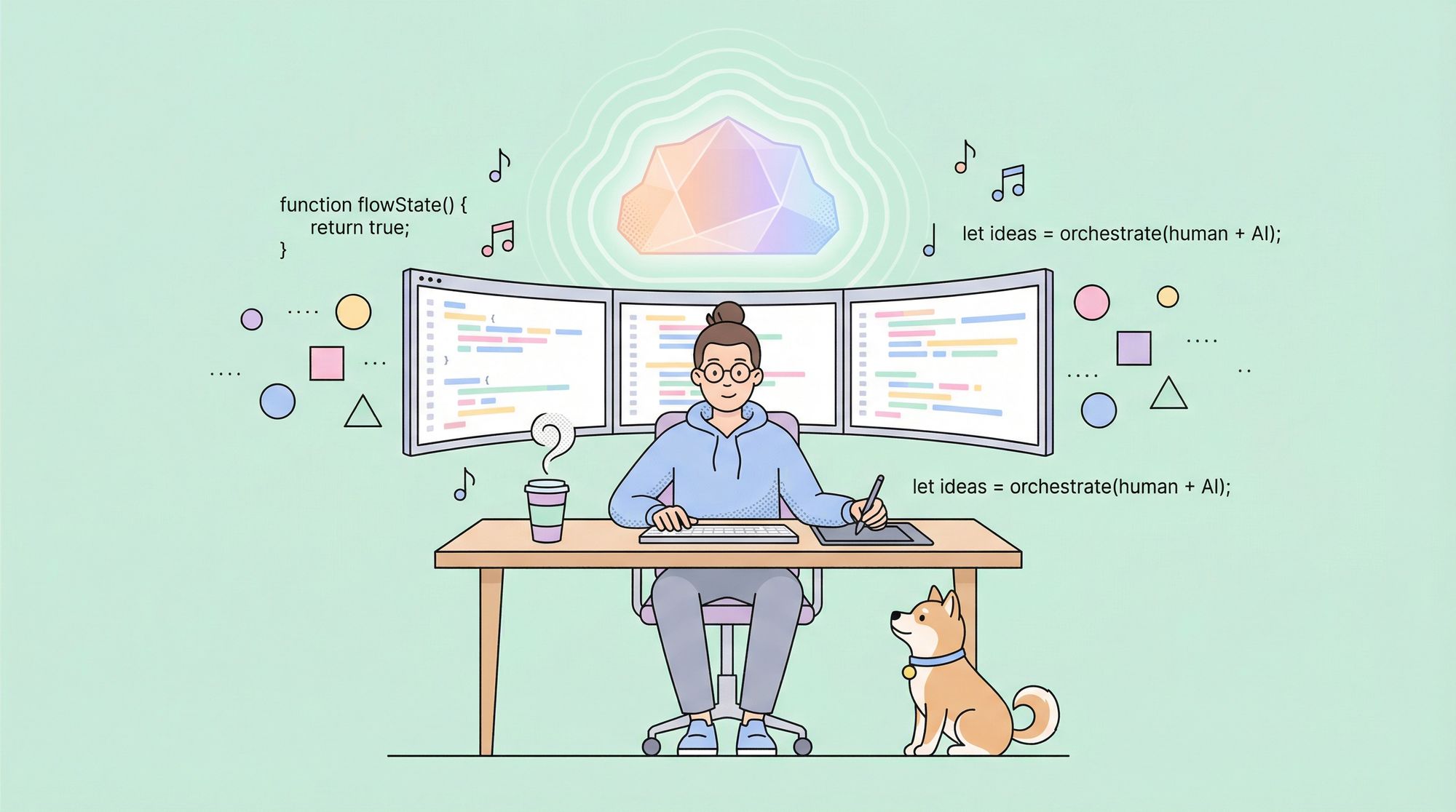
1. The Right Soundtrack 🎵
- Some developers rely on curated playlists like "Debugging & Chill" or "Compiling... Please Wait" to maintain focus.
- Others find their rhythm in the clack of mechanical keyboards and the hum of their workspace.
- The key is consistency—find what keeps you focused and build it into your routine.
2. Comfort-First Attire 👕
- Most developers agree: optimal comfort equals optimal output.
- Think oversized hoodies, relaxed pants, and blue light glasses—not for the look, but for the longevity.
- The goal is to remove all distractions so your mind can stay in the code.
3. A Productive Coding Setup ⚡
- Multi-monitor configurations for seamless workflow.
- Mechanical keyboards for satisfying feedback.
- Quick access to caffeine (or water) and a chair that lets you move.
- Tools like Apidog can streamline API design and testing, reducing context switching and helping you stay in that flow state.
Vibe Coding in Action: Practical Examples
Let’s break down what vibe coding looks like on real engineering teams:
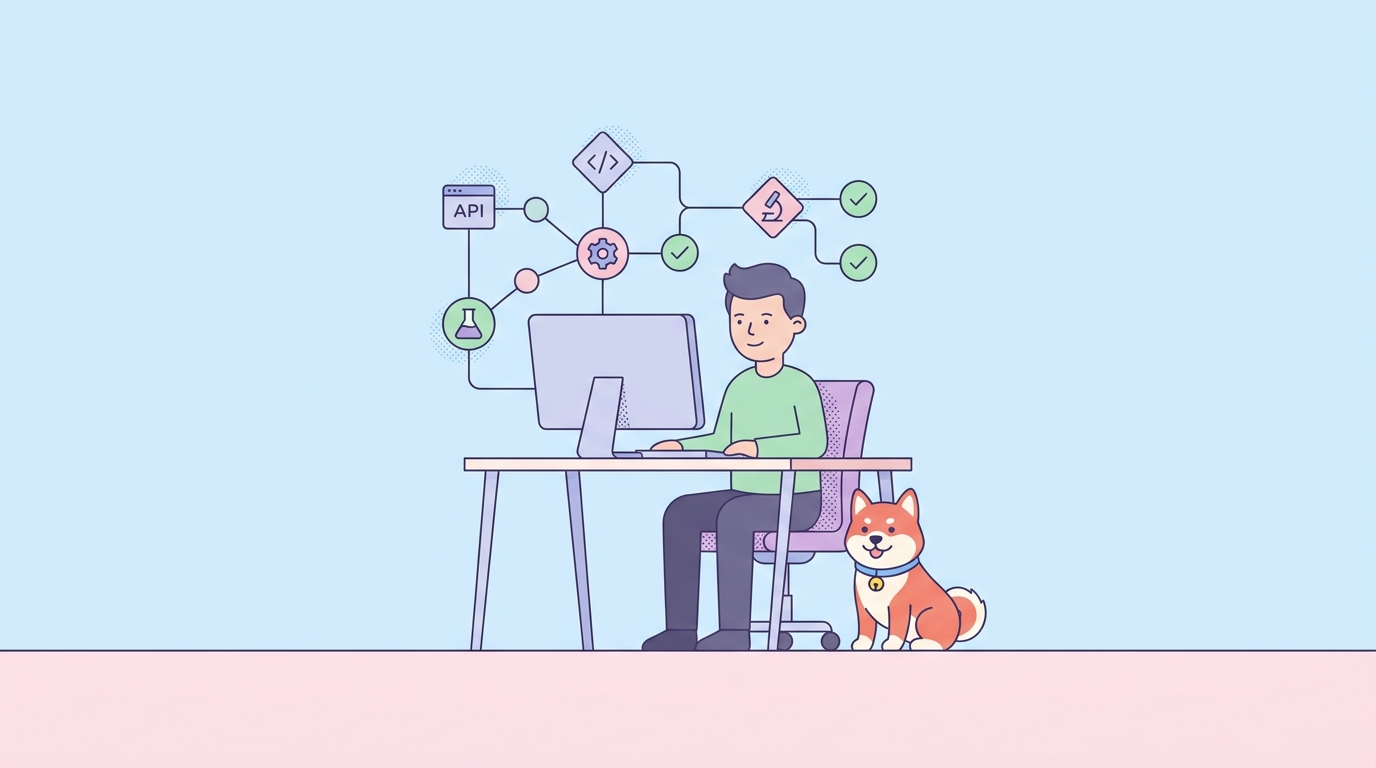
- API Prototyping: Describe the endpoint’s behavior in natural language and let AI generate the initial interface. Refine and test instantly.
- Automated Test Generation: Input requirements, receive ready-made test scripts, and focus on edge cases rather than boilerplate.
- Debugging in Flow: When a bug appears, your instinct guides you to the solution, turning obstacles into opportunities for creative problem-solving.
Developers often describe vibe coding as the sensation of “conducting an orchestra of logic”—a level of immersion where code, tools, and thought move as one.
Vibe Coding vs. Traditional Coding
| Traditional Coding | Vibe Coding |
|---|---|
| Staring at error messages | Laughing at errors, moving forward |
| Searching Stack Overflow | Describing needs, generating code instantly |
| Manual syntax and boilerplate | Focusing on logic, letting AI handle syntax |
| Caffeine-fueled | Powered by creative momentum |
| Debugging feels tedious | Debugging feels like creative exploration |
Why Vibe Coding Became a Meme (and a Movement)
The contrast between struggle and flow in development is universal—one moment you’re stuck on a missing semicolon, the next you’re building features at lightning speed. Vibe coding captures that elusive, euphoric state where everything clicks.
From the Meme-verse
🖥️ “When your code works on the first try, and you feel unstoppable.”

🎧 “One more function before bed...” (Spoiler: It’s 3 AM and you’ve rebuilt half the app.)
💀 “Vibing hard, but the code isn’t compiling.”


These moments are more than just laughs—they’re a shared experience for technical teams everywhere.
The Science of Flow: Why Vibe Coding Works
Psychologists call it the "flow state"—a period of deep immersion where productivity and creativity skyrocket. For developers:
- Dopamine release: Each solved bug or feature triggers a small reward, making coding addictive.
- Reduced distractions: Focus increases, and time seems to warp. Three hours can pass in what feels like minutes.
- Physical effects: Developers blink less and zone out distractions, but should remember to take breaks for health.
If you've ever lost track of time while solving a tough problem, you’ve experienced vibe coding firsthand.
How Modern Tools Like Apidog Support Vibe Coding
Staying in the flow is easier with the right tools. Apidog helps API-focused teams:
- Automate routine tasks: Generate API documentation, mock servers, and test cases from natural language or minimal input.
- Seamlessly collaborate: Real-time updates and easy sharing keep your whole team in sync, reducing interruptions.
- Stay in the zone: Minimal context switching means you spend more time building and less time managing.
With smart automation and intuitive design, Apidog empowers you to maintain your creative momentum—whether you’re designing APIs, testing endpoints, or debugging integrations.
Vibe Coding: More Than a Meme, a Developer Identity
Vibe coding reflects a cultural shift: programming is as much about creativity and rhythm as it is about logic. Developers are embracing the artistry of code, sharing their “in the zone” moments across social media:
- “I don’t remember what I wrote at 2 AM, but it works—and I’m not touching it.”
- “If coding is an art, then my code is abstract expressionism.”
- “Twelve hours in, same song on repeat, new features shipped.”
For API and backend teams, vibe coding isn’t just a trend—it’s a sign of healthy, high-performing engineering culture.
Conclusion: Vibe On—and Build Better APIs
Vibe coding is more than just a meme—it’s the future of productive, creative software development. As AI-driven tools like Apidog continue to evolve, developers will spend less time on repetitive work and more time architecting robust solutions.
So next time you’re deep in code and everything clicks, remember: you’re not just coding—you’re vibing.