For years, OpenAI’s Whisper set the benchmark for open-source speech recognition, making high-quality automatic speech recognition (ASR) accessible to API developers, backend engineers, and technical teams worldwide. But the ASR landscape is evolving—fast. Now, Mistral AI’s Voxtral emerges as a true successor, delivering not only superior transcription but also built-in language intelligence, all within an open-source framework.
Looking to streamline your API workflow? Apidog delivers beautiful API documentation, collaborative productivity, and a cost-effective alternative to Postman—ideal for developer teams building next-generation voice and API solutions.
What Sets Voxtral Apart from Whisper?
The Limitations of Whisper for Voice-Driven Apps
OpenAI’s Whisper made converting speech to text straightforward. But if you wanted semantic understanding—summarization, Q&A, or in-app actions—you had to chain its output into a separate LLM. This two-step process added complexity and latency, especially for real-time or interactive use cases.
Voxtral’s Unified Approach
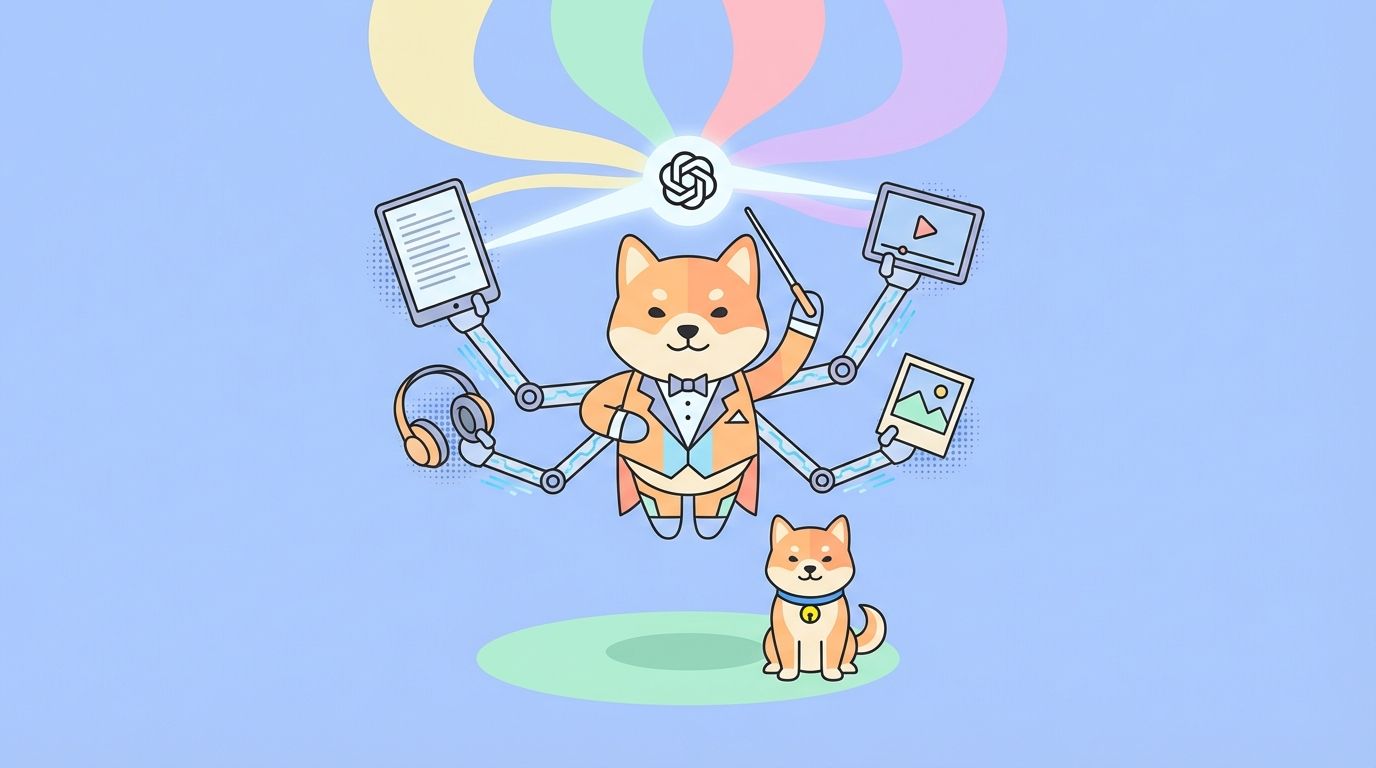
Mistral AI’s Voxtral integrates state-of-the-art transcription and deep language understanding in a single, open-source model. This makes it possible to:
- Transcribe and summarize audio directly
- Answer questions about audio content
- Trigger backend functions or APIs from voice commands
- Support advanced multilingual use cases
All of this happens natively, with no need for external pipelines.
Voxtral vs. Whisper: Performance Benchmarks

When it comes to transcription accuracy, Voxtral isn’t just a contender—it’s a new champion. According to Mistral AI’s benchmarks:
- Outperforms Whisper large-v3 across English and multilingual tasks
- Beats proprietary solutions like GPT-4o mini Transcribe and Gemini 2.5 Flash in several tests
- Sets new records on the Mozilla Common Voice and FLEURS benchmarks, excelling in European and global languages
This leap isn’t incremental. It’s a fundamental upgrade, and it’s available under the permissive Apache 2.0 license.

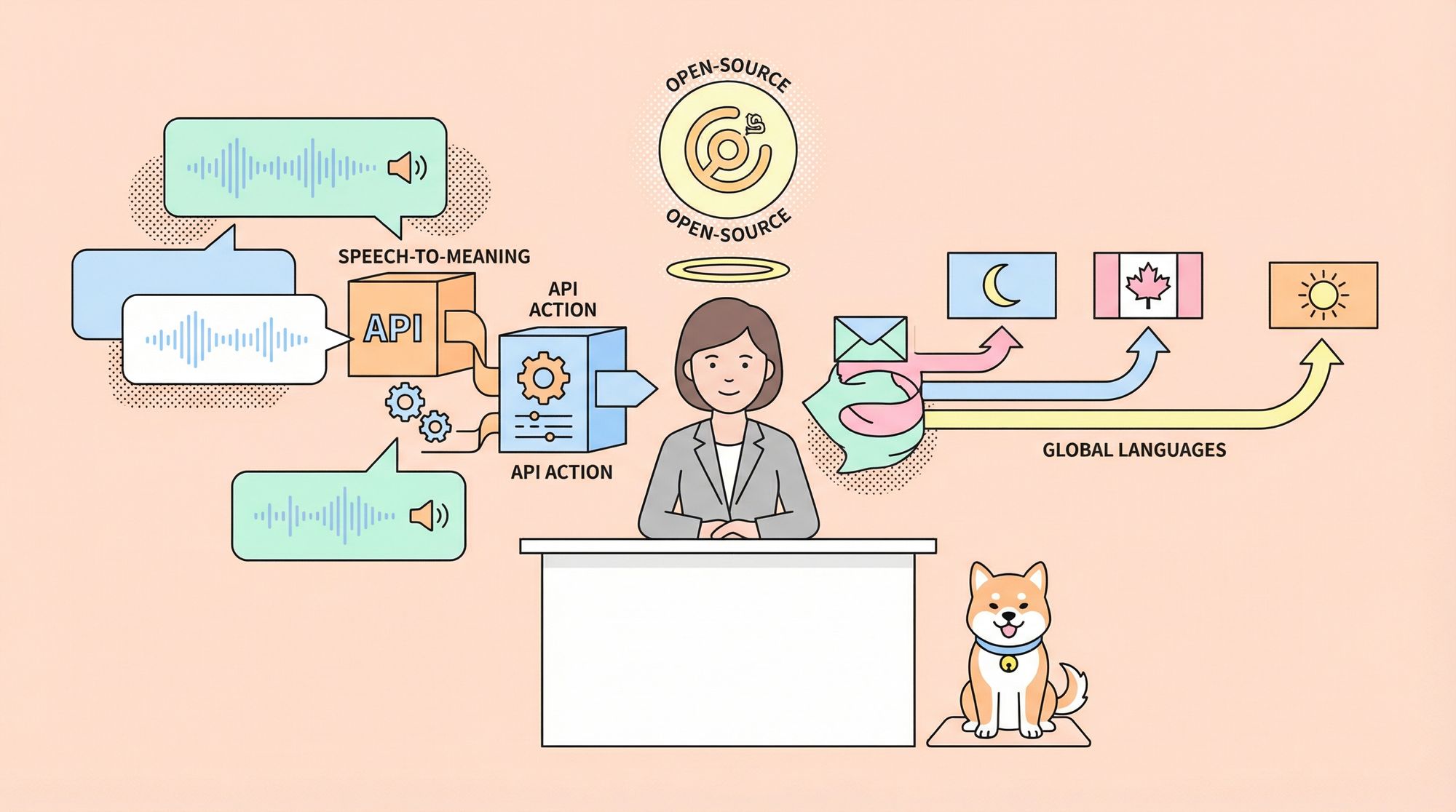
From Speech-to-Text to Speech-to-Meaning

Voxtral’s real value is its ability to understand as well as transcribe. Here’s what this enables for developers and API-focused teams:
1. Built-in Q&A and Summarization
With a massive 32k token context window, Voxtral can process up to 30 minutes of audio for transcription or 40 minutes for comprehension. Instantly generate meeting summaries, pull insights from lectures, or interact with podcasts—no multi-step pipeline required.
2. Function-Calling Directly from Voice
Voxtral can interpret spoken commands and trigger backend APIs or app workflows. For example, a user says, “Add ‘buy milk’ to my shopping list,” and your app executes the action—no manual mapping needed. This turns voice into a true command interface for your API-driven applications.
3. Multilingual and Global-Ready
Voxtral’s automatic language detection and superior performance in languages from Hindi to Dutch make it an ideal choice for teams building global products.
4. Advanced Text Capabilities
Built on Mistral Small 3.1, Voxtral also delivers robust text reasoning and generation, letting you unify audio and text handling in a single model.

Open Source Freedom with Enterprise-Grade Performance
Historically, open-source ASR models like Whisper gave you flexibility but lagged behind closed, expensive APIs in feature set and accuracy. Voxtral changes this dynamic:
- Superior accuracy to both Whisper and many top proprietary APIs
- Fully open-source for maximum control and transparency
- Cost-effective: Mistral’s API pricing for Voxtral is less than half that of OpenAI or ElevenLabs—making advanced speech intelligence accessible to all development teams
How to Get Started with Voxtral
Whether you’re building cloud apps, on-device tools, or API-driven platforms, it’s easy to adopt Voxtral:
- Download the models: Voxtral (24B) and Voxtral Mini (3B) are available on Hugging Face for local or private deployment.
- API integration: Call the Voxtral API directly for seamless integration into your workflow.
- Try the demo: Explore Voxtral’s capabilities in Le Chat, Mistral’s web and mobile chat interface.
Whisper was a turning point, but Voxtral sets a new standard for open-source voice AI—one that goes beyond transcription to real, actionable understanding. For API developers and technical teams, this is the foundation for smarter, more interactive products.
Looking to build, test, and document your APIs for voice and beyond? Apidog is the modern platform for developer teams demanding maximum productivity and seamless collaboration—while staying cost-effective.