Blockchain technology has moved far beyond cryptocurrency hype into real-world applications across finance, supply chain, healthcare, and governance. Building decentralized apps is complex, and testing them properly is where many projects stumble. Testing Blockchain Apps requires a fundamentally different approach than traditional software—immutable data, decentralized consensus, smart contracts, and cryptographic security demand specialized strategies.
This guide will walk you through proven methods for testing blockchain applications, from smart contract validation to API integration testing, with practical tools and techniques you can implement immediately.
What is Blockchain and Why Testing It Matters
A blockchain is a distributed ledger that records transactions across multiple computers in a way that makes the data tamper-evident and immutable. For developers, this means:
- No "undo" button: Once deployed, smart contracts can’t be easily modified
- State changes are permanent: A single bug can lock millions in value forever
- Decentralized trust: The system must work correctly without a central authority
- Cryptographic security: Private keys, signatures, and hashing must be bulletproof
These characteristics make testing blockchain apps non-negotiable. A vulnerability in a DeFi protocol can lead to catastrophic financial loss. A bug in a supply chain tracking system can destroy trust. Testing Blockchain Apps effectively isn’t just about finding bugs—it’s about ensuring immutability works in your favor, not against you.
Types of Blockchain App Testing You Must Perform
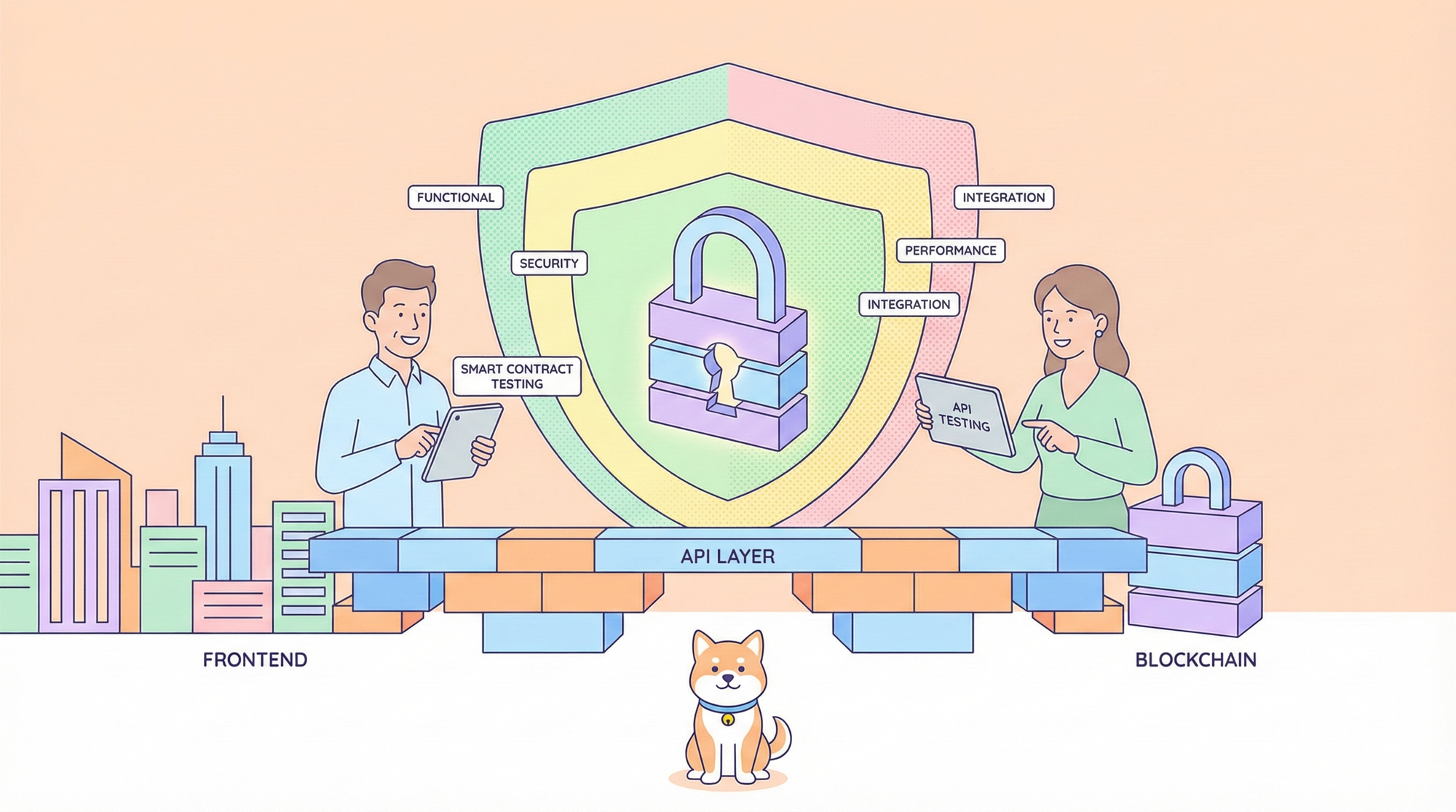
Testing blockchain applications requires a multi-layered approach. Here are the essential testing types:
1. Functional Testing
Functional testing validates that smart contracts and blockchain features behave according to specifications. For a token transfer contract:
// Smart contract function to test
function transfer(address recipient, uint amount) public {
    require(balance[msg.sender] >= amount, "Insufficient balance");
    balance[msg.sender] -= amount;
    balance[recipient] += amount;
    emit Transfer(msg.sender, recipient, amount);
}
Your functional tests must verify:
- Successful transfers with valid balances
- Failed transfers when balance is insufficient
- Event emission (Transfer event)
- State changes in both sender and recipient accounts
- Reversion of transactions on failure
2. Security Testing
Security testing in blockchain apps focuses on vulnerabilities like reentrancy, integer overflow, and access control. The infamous DAO hack exploited a reentrancy bug, draining $60 million. Modern tools automatically scan for these patterns.
3. Performance Testing
Blockchain networks have gas limits and transaction throughput constraints. Performance testing ensures your app handles peak loads without excessive fees or failed transactions.
4. Integration Testing
Blockchain apps rarely exist in isolation. Integration testing verifies interactions between:
- Smart contracts and frontend applications
- Wallet connectors (MetaMask, WalletConnect)
- Oracle services (Chainlink)
- Off-chain storage (IPFS)
- Traditional APIs
5. API Testing
Most blockchain apps expose REST or GraphQL APIs for frontend integration. Testing Blockchain Apps must include rigorous API validation.
Essential Tools for Testing Blockchain Apps
Different testing layers require specialized tools. Here’s what professionals use:
Smart Contract Testing Tools
// Hardhat test example
const { expect } = require("chai");

describe("Token Contract", function() {
  it("Should transfer tokens correctly", async function() {
    const [owner, addr1] = await ethers.getSigners();
    const Token = await ethers.getContractFactory("Token");
    const token = await Token.deploy(1000);

    await token.transfer(addr1.address, 50);
    expect(await token.balanceOf(addr1.address)).to.equal(50);
  });
});
Truffle Suite
Mature framework with built-in testing, debugging, and deployment pipelines.
Foundry
Fast, modern testing framework written in Rust for gas-efficient testing.
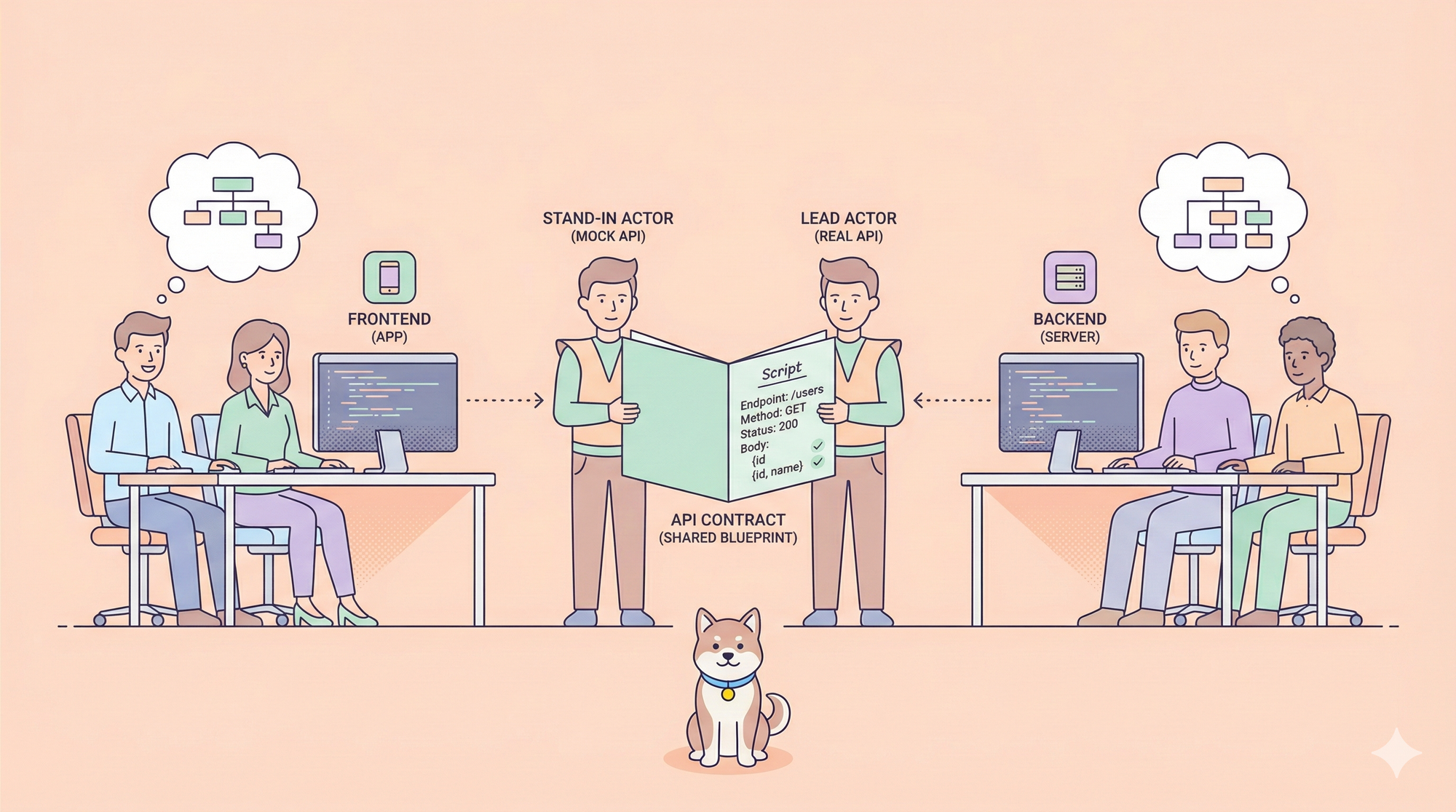
API Testing Tools for Blockchain Apps
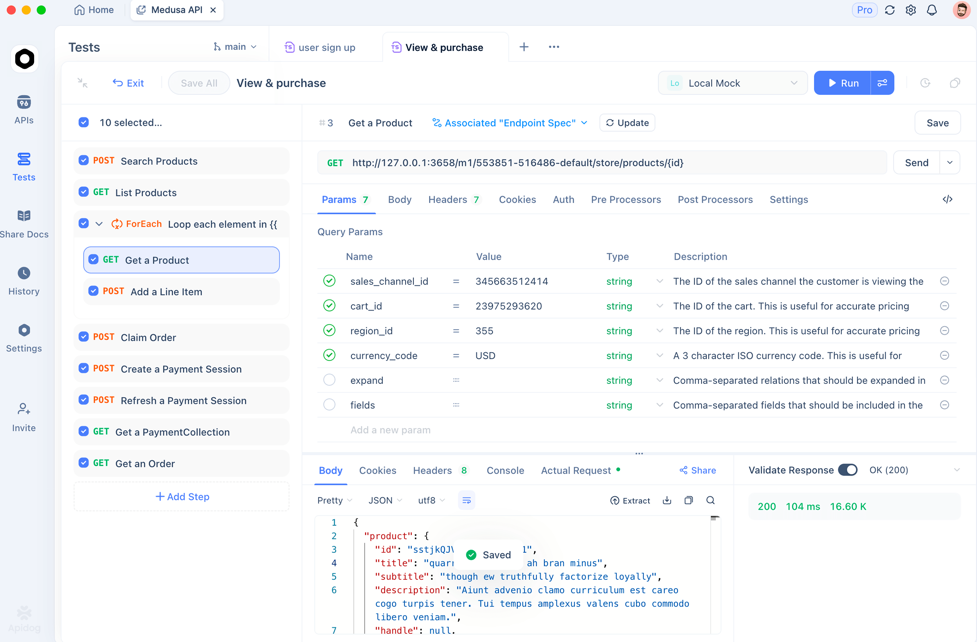
While smart contract tools handle on-chain logic, Apidog excels at testing the API layer—the bridge between your frontend and blockchain. When exploring how to test Blockchain Apps, API validation is often overlooked yet critical.
Why Apidog for Blockchain API Testing?
- Automatic test generation from OpenAPI specs
- Visual test builder without writing code
- Environment management for different chains (Ethereum, Polygon, BSC)
- Authentication handling for wallet-based APIs
- Real-time validation of responses from nodes
- CI/CD integration for continuous testing
Unlike general API tools, Apidog understands blockchain-specific patterns like:
- Wallet address formats
- Transaction hash structures
- Block/transaction status polling
- Event log parsing
Step-by-Step: How to Test Blockchain Apps
Follow this structured approach for comprehensive blockchain app testing:
Step 1: Set Up Testing Environment
Configure a local blockchain for testing:
# Using Hardhat node
npx hardhat node

# Or use a testnet provider
export ALCHEMY_URL="https://eth-goerli.alchemyapi.io/v2/your-key"
Create separate environments for different test phases:
| Environment | Chain ID | Purpose | Gas Cost |
|---|---|---|---|
| Hardhat Local | 31337 | Unit testing | Free |
| Goerli Testnet | 5 | Integration testing | Low |
| Polygon Mumbai | 80001 | UAT | Low |
| Ethereum Mainnet | 1 | Production | High |
Step 2: Write Smart Contract Tests
Test every public function and edge case:
// Testing a DeFi lending contract
describe("LendingPool", function() {
  it("Should allow deposits and track balances", async () => {
    const pool = await LendingPool.deploy();
    const amount = ethers.utils.parseEther("1.0");

    await pool.deposit({ value: amount });
    expect(await pool.getBalance()).to.equal(amount);
  });

  it("Should reject withdrawals exceeding balance", async () => {
    const pool = await LendingPool.deploy();

    await expect(
      pool.withdraw(ethers.utils.parseEther("2.0"))
    ).to.be.revertedWith("Insufficient balance");
  });
});
Step 3: Test API Layer with Apidog
Import your API specification and generate tests using AI automatically:
# Apidog generates tests from this OpenAPI spec
paths:
  /api/wallet/balance:
    get:
      parameters:
        - name: address
          in: query
          required: true
          pattern: '^0x[a-fA-F0-9]{40}$'
      responses:
        '200':
          description: Balance in wei
          schema:
            type: string
            example: "1000000000000000000"
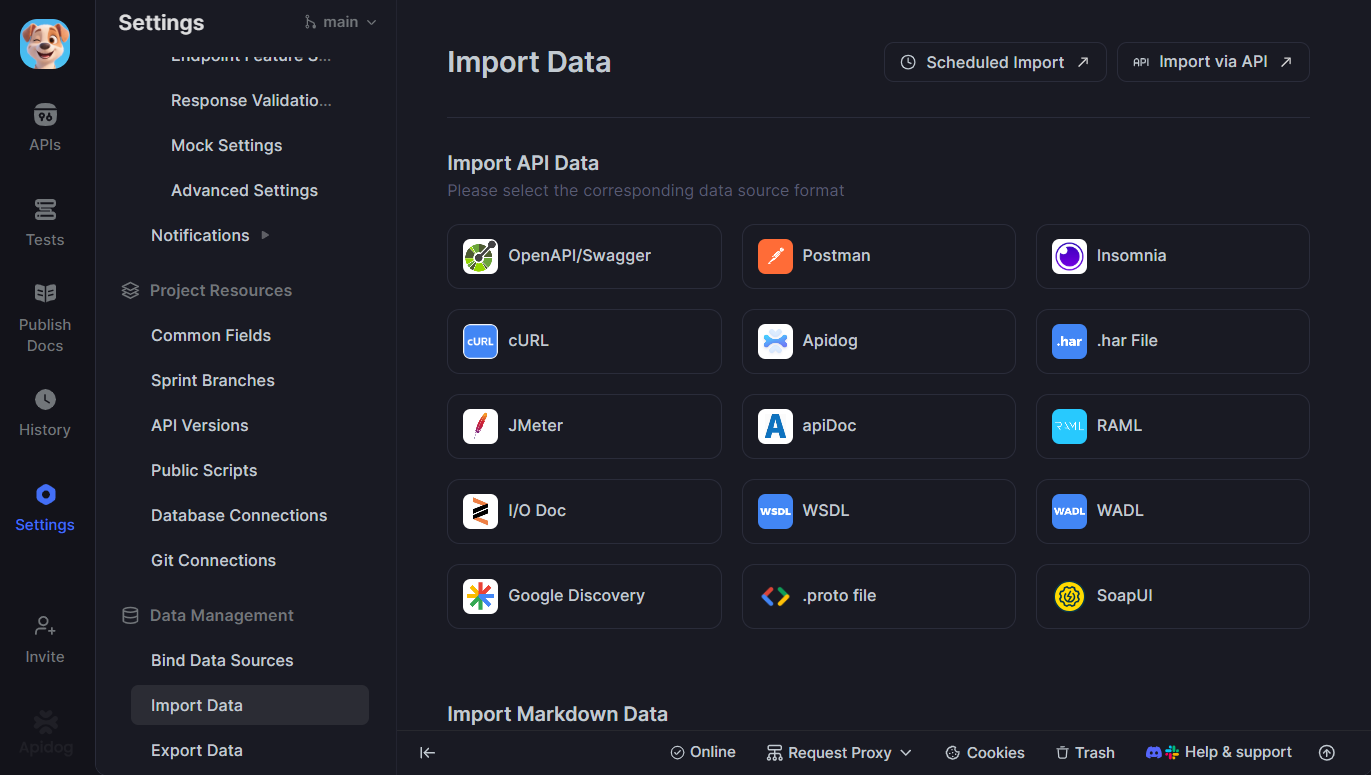
Apidog creates tests that verify:
- Valid wallet addresses return correct balances
- Invalid addresses return 400 errors
- Response format matches expected schema
- Performance stays under 500ms
Step 4: Perform Integration Testing
Test the full flow: frontend → API → smart contract → blockchain:
// Integration test for token swap
it("Should complete full swap flow", async () => {
  // 1. User connects wallet
  const wallet = await connectWallet();

  // 2. Frontend calls API to get swap quote
  const quote = await api.getQuote("ETH", "USDC", "1.0");

  // 3. User approves transaction
  await wallet.approve(quote.spender, quote.amount);

  // 4. Frontend executes swap via smart contract
  const tx = await swapContract.swap(quote.path, quote.amount);

  // 5. Verify transaction succeeded
  expect(tx.status).to.equal(1);
  expect(await wallet.getBalance("USDC")).to.be.greaterThan(0);
});
Step 5: Conduct Security Audits
Use automated scanners like Slither or Mythril, then manual review:
# Static analysis
slither contracts/Token.sol

# Fuzzing
echidna-test contracts/Token.sol
Step 6: Performance and Load Testing
Simulate high transaction volumes:
// Load test with 100 concurrent swaps
for (let i = 0; i < 100; i++) {
  swapContract.swap(path, amount, { gasPrice: 20e9 });
}
Monitor for:
- Gas efficiency
- Transaction success rate
- Node response times
- Memory leaks in your API
How Apidog Helps You Test Blockchain APIs
While smart contract tools handle on-chain logic, Apidog is essential for testing the API layer that connects your frontend to the blockchain. Here’s how it streamlines Blockchain Apps testing:
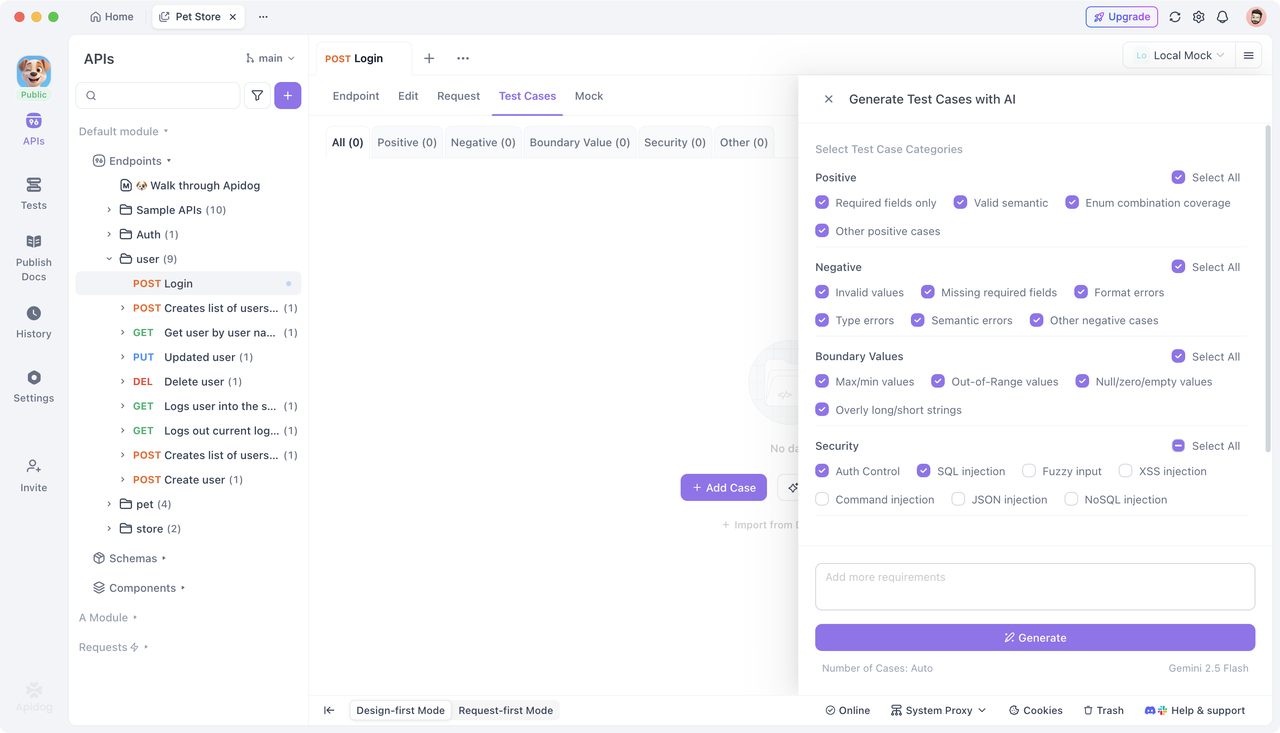
Automatic Test Case Generation
Apidog reads your OpenAPI spec and creates deterministic test cases automatically. For a wallet balance endpoint, it generates oracles that verify:
- Status code is 200 for valid addresses
- Response matches expected schema
- Balance is returned as a string (not number, preventing JS overflow)
- Performance is under 500ms
Visual Test Builder
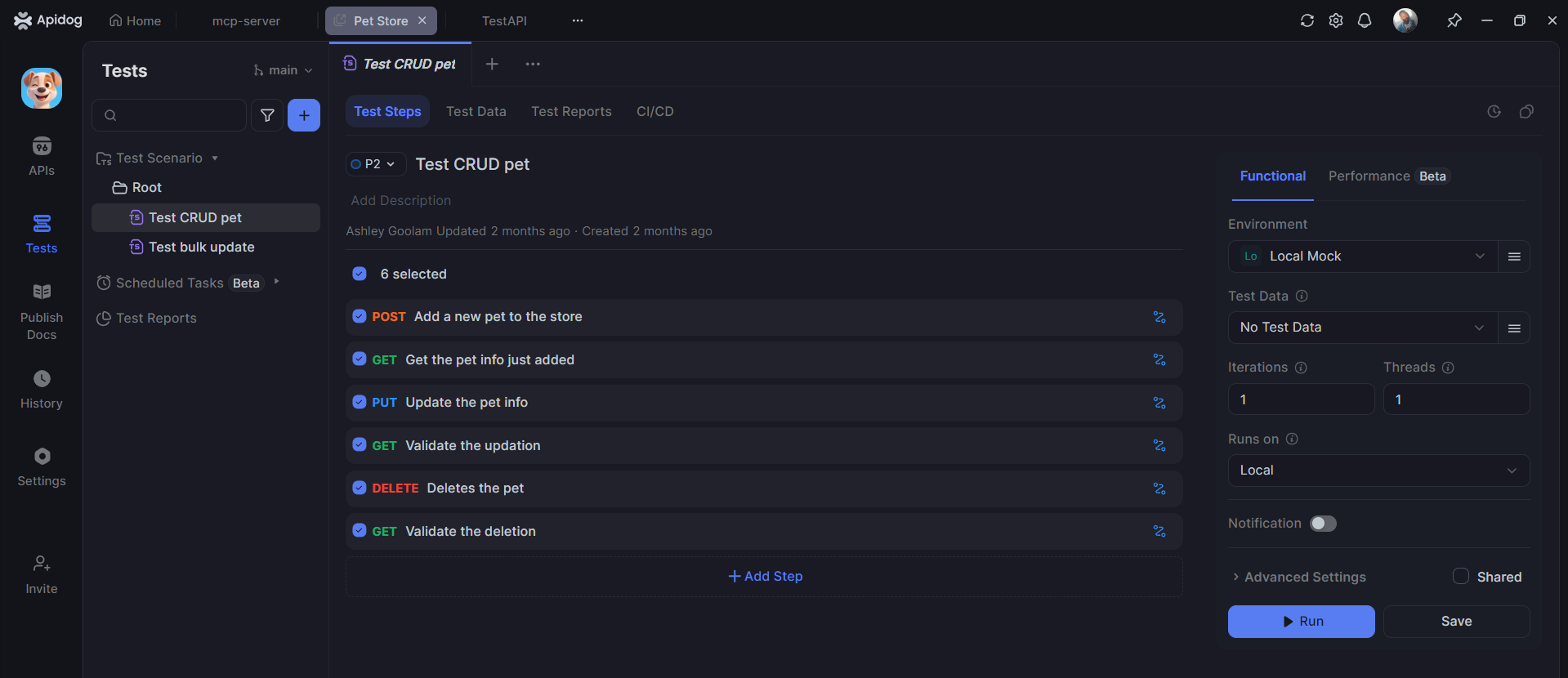
Create complex API workflows without code:
Test: "Complete token transfer flow"
1. POST /api/auth/login with wallet signature
2. GET /api/wallet/balance to confirm sufficient funds
3. POST /api/transfers with recipient and amount
4. GET /api/transactions/{hash} until status is "confirmed"
5. Assert recipient balance increased by amount
Environment Management
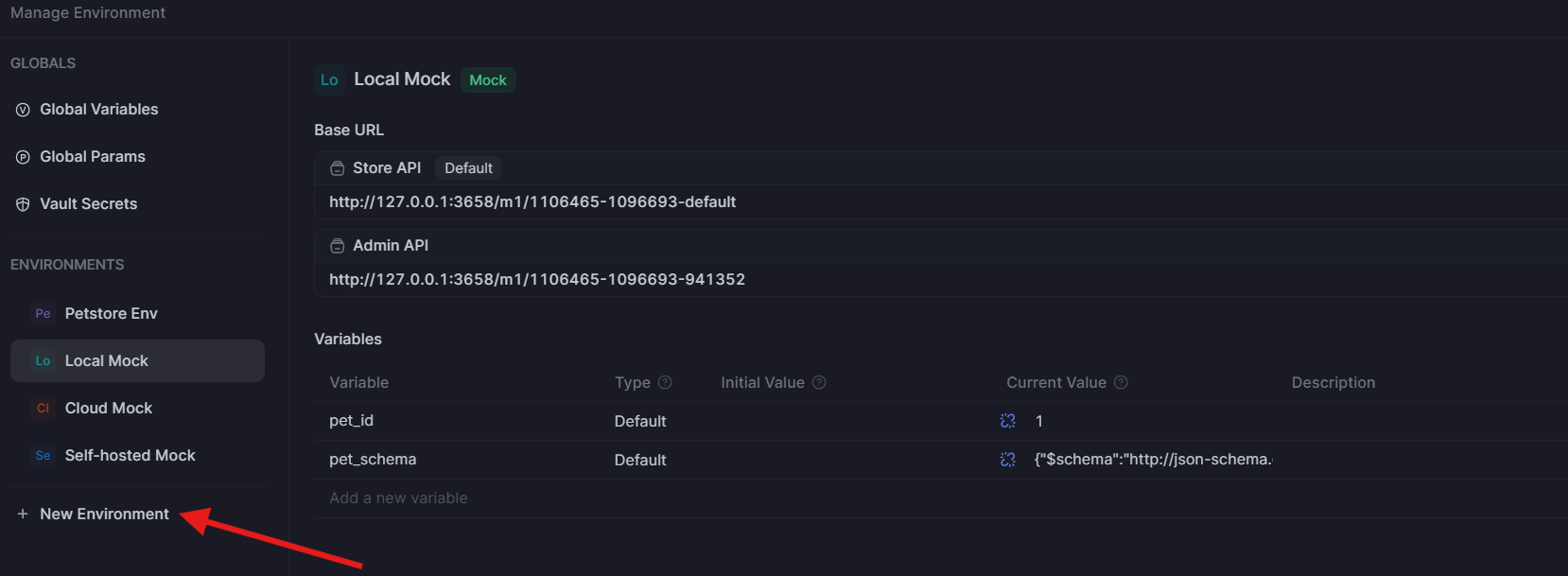
Seamlessly switch between chains:
// Apidog environment configuration
{
  "ethereum_mainnet": {
    "api_base": "https://mainnet.infura.io/v3/KEY",
    "chain_id": 1
  },
  "polygon_testnet": {
    "api_base": "https://rpc-mumbai.maticvigil.com",
    "chain_id": 80001
  }
}
CI/CD Integration
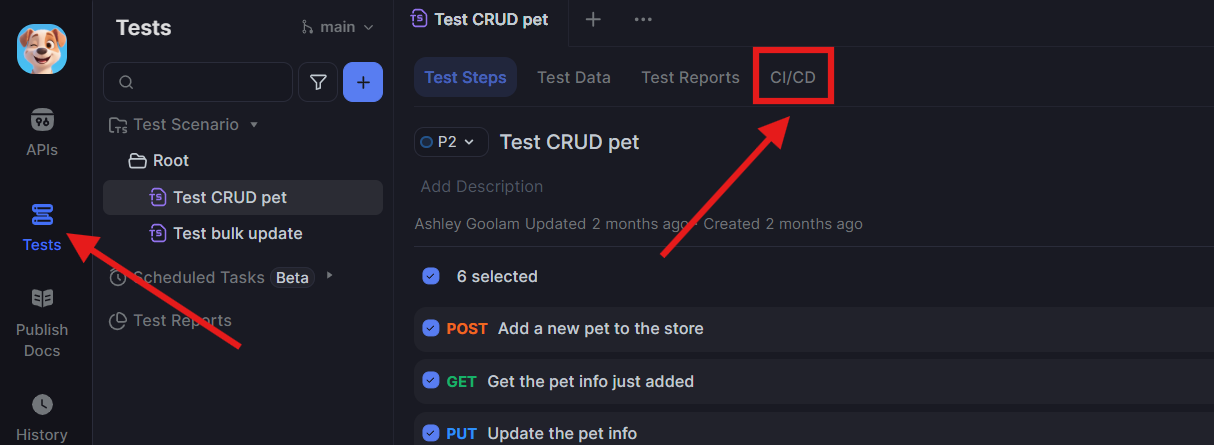
Run API tests automatically on every commit:
# GitHub Actions integration
- name: Run Blockchain API Tests
  run: apidog run --environment production
  env:
    API_KEY: ${{ secrets.INFURA_KEY }}
Frequently Asked Questions
Q1: What’s the biggest mistake teams make when testing blockchain apps?
Ans: They focus only on smart contract testing and ignore the API layer. How to Test Blockchain Apps must include API validation because most user interactions happen through APIs, not direct contract calls. Apidog fills this critical gap.
Q2: Can I test blockchain apps without spending real money on gas fees?
Ans: Absolutely. Use local development networks (Hardhat, Ganache) or testnets (Goerli, Mumbai) where gas costs are negligible. Apidog lets you configure different environments so you test locally first, then promote to testnet.
Q3: How do I test time-dependent features like staking rewards?
Ans: Use blockchain simulators that allow time manipulation. Hardhat lets you evm_increaseTime and evm_mine blocks to simulate months passing in seconds.
Q4: Is testing blockchain APIs different from testing traditional APIs?
Ans: The principles are similar, but blockchain APIs have unique patterns: wallet authentication, transaction status polling, event listening, and handling cryptographic signatures. Apidog understands these patterns and generates appropriate test cases automatically.
Q5: How much test coverage is enough for a blockchain app?
Ans: Aim for 100% statement coverage on smart contracts (critical given immutability) and 90%+ on APIs. Use tools like Solidity Coverage and Apidog’s coverage reports to track gaps.
Conclusion
How to Test Blockchain Apps demands a multi-layered strategy that respects the unique characteristics of decentralized systems. Smart contract testing ensures on-chain logic is correct, security testing prevents catastrophic losses, and API testing validates the critical bridge between users and the blockchain.
The immutable nature of blockchain makes testing before deployment essential—there’s no "quick fix" after launch. Tools like Hardhat and Foundry handle the on-chain layer, while Apidog automates the API testing that many teams neglect but users depend on daily.
Start by implementing automated API tests with Apidog to catch integration issues early. Then layer on smart contract security testing to protect against exploits. This combination gives you confidence that your blockchain app is both functionally correct and practically usable.
Remember: in blockchain development, the cost of a bug isn’t just a bug fix—it’s a potential loss of trust, funds, and user base. Testing isn’t optional; it’s the foundation of success.