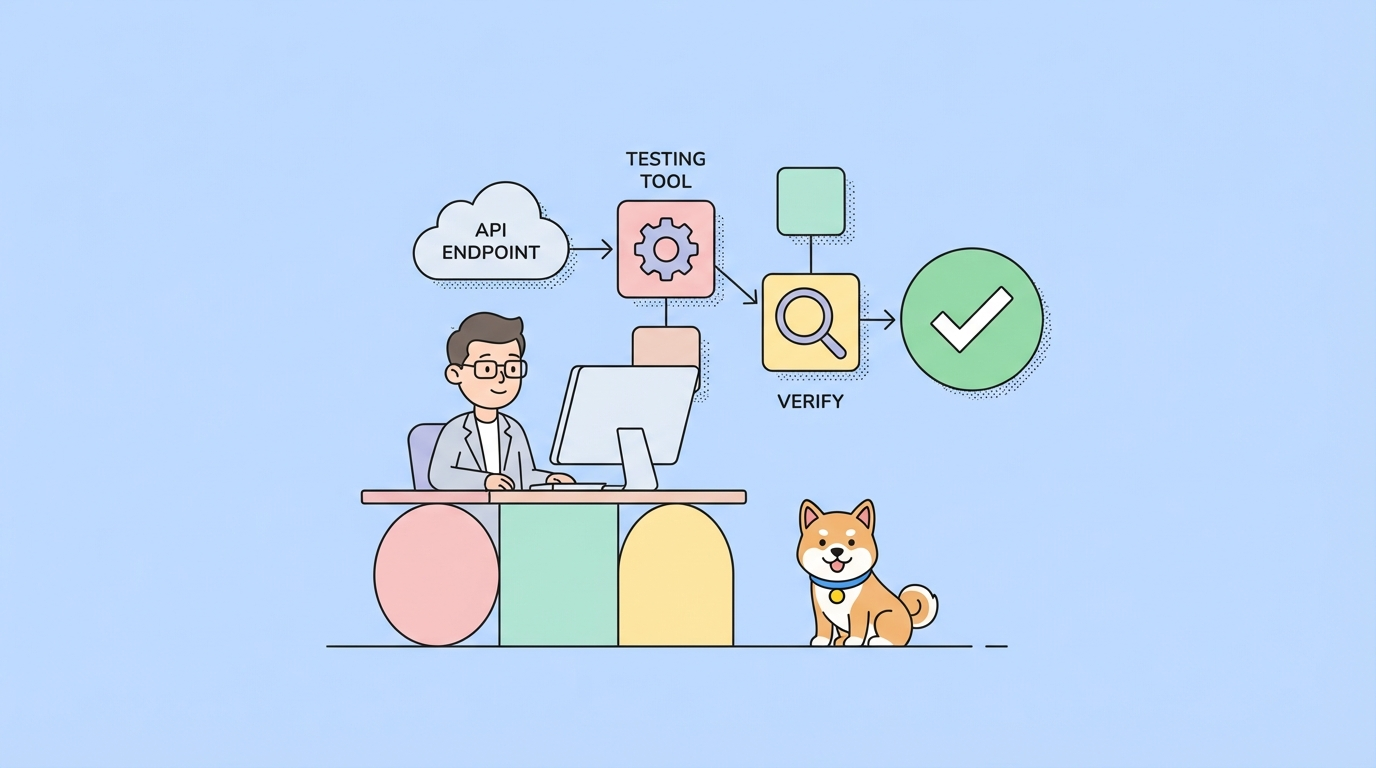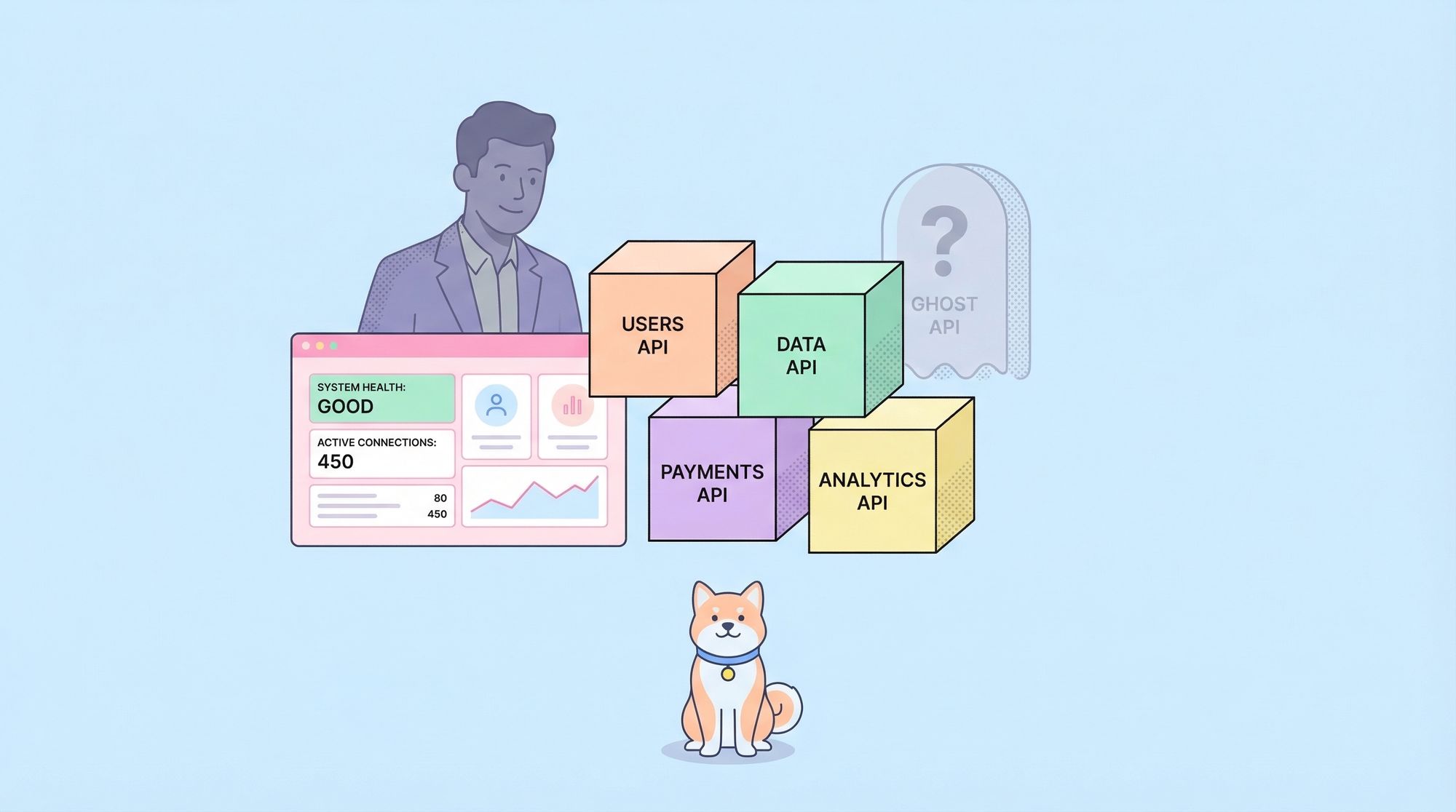
A shadow API is an API endpoint or service that exists outside of formal documentation, governance, or oversight. It often results from rapid development cycles, legacy code, or unauthorized changes. Unlike officially managed APIs, shadow APIs are typically unknown to IT, security teams, or even the original developers. This lack of visibility makes shadow APIs a significant risk vector for data breaches, compliance violations, and operational failures.
Shadow APIs can emerge through forgotten endpoints, deprecated services that were never fully decommissioned, or ad-hoc internal tools. Because they are not tracked, tested, or monitored, shadow APIs become prime targets for attackers seeking vulnerabilities in your API ecosystem.
Why Shadow APIs Matter
In today's API-driven world, organizations rely heavily on APIs for internal and external communication, integration, and automation. However, the proliferation of APIs also means a growing attack surface. Shadow APIs amplify this risk for several reasons:
- Security Risks: Unmonitored endpoints can be exploited by attackers.
- Compliance Issues: Shadow APIs can expose sensitive data, leading to regulatory violations.
- Operational Blind Spots: Undocumented APIs make debugging, maintenance, and upgrades challenging.
- Trust and Reputation: Data leaks or outages tied to shadow APIs can severely damage your brand.
Understanding and managing shadow APIs is as critical as managing your official API portfolio.
How Shadow APIs Emerge in Modern Development
1. Rapid Agile Development
Agile practices encourage quick iterations and deployments, sometimes at the expense of documentation and governance. Teams may spin up new endpoints for testing or prototyping, but fail to remove or document them before release—creating shadow APIs.
2. Legacy and Deprecated Endpoints
As applications evolve, some APIs become obsolete. If not properly retired, these endpoints remain accessible and become shadow APIs. Over time, their existence is forgotten, yet they continue to expose business logic and data.
3. Third-Party Integrations
Integrations with external services may introduce endpoints that are not tracked internally. If these integrations change or are abandoned, their APIs can become shadow APIs within your infrastructure.
4. Poor API Inventory Management
Lack of centralized tooling for API design, documentation, and lifecycle management is a recipe for shadow APIs. Without tools like Apidog, teams struggle to maintain a full inventory of all endpoints, increasing the likelihood of shadow APIs.
Shadow API vs. Zombie API: What's the Difference?
While both are problematic, shadow APIs and zombie APIs have distinct differences:
- Shadow API: An API that was never officially documented, registered, or managed.
- Zombie API: An API that was once documented and managed but is now deprecated or abandoned, yet still accessible.
Both types represent unmanaged endpoints, but shadow APIs are typically unknown from inception, while zombie APIs become unmanaged over time.
The Security Risks of Shadow APIs
1. Data Breaches
Shadow APIs often lack security controls like authentication, authorization, and input validation. Attackers can exploit these weaknesses to access sensitive data or execute unauthorized actions.
2. Expanded Attack Surface
Each undocumented endpoint increases your attack surface. Security teams cannot protect what they do not know exists.
3. Compliance and Privacy Violations
Regulations like GDPR and HIPAA require strict control over data access and exposure. Shadow APIs can inadvertently leak personal or sensitive information, putting organizations at risk of hefty fines.
4. Operational Disruption
Shadow APIs complicate incident response. When a breach or outage occurs, teams may waste valuable time discovering the endpoint in question is not tracked, delaying remediation.
Real-World Examples of Shadow API Incidents
Example 1: E-Commerce Data Leak
A major e-commerce company suffered a data breach when attackers exploited a forgotten API endpoint used for mobile app development. This shadow API was not included in security scans, exposing customer payment data.
Example 2: Financial Services Compliance Violation
A financial services provider integrated with a third-party tool via an undocumented endpoint. When the integration changed, the shadow API continued to process sensitive transactions, violating internal compliance policies.
Example 3: Healthcare Exposure
A healthcare startup left an old development API accessible after launch. This shadow API was later discovered by researchers, revealing patient records due to missing authentication.
These incidents highlight the operational, reputational, and legal dangers of shadow APIs.
How to Detect Shadow APIs
Effectively managing shadow APIs requires robust detection strategies, including:
1. API Inventory and Discovery
Regularly scan your network and codebases for active endpoints. Automated tools can help crawl traffic and identify endpoints that are not in your official documentation.
Apidog provides centralized API design and documentation, making it easier to compare live endpoints against your official inventory and flag potential shadow APIs.
2. Traffic Analysis
Monitor network traffic for unfamiliar API calls. Security information and event management (SIEM) tools can help identify anomalous requests that may target shadow APIs.
3. Penetration Testing
Conduct regular API-specific penetration testing. Professional testers often discover shadow APIs during black-box assessments.
4. Code and Configuration Reviews
Audit source code and configuration files for endpoints not referenced in your API documentation. Integrating this process into your CI/CD pipeline helps catch shadow APIs before they reach production.
Best Practices to Prevent Shadow APIs
1. Centralized API Management
Use dedicated platforms like Apidog to design, document, and manage all APIs from a single source of truth. This reduces the chances of untracked endpoints.
2. Enforce API Documentation
Make it mandatory for all teams to document new and modified endpoints. Automated documentation generation, as offered by Apidog, ensures no endpoint goes unrecorded.
3. Automated API Inventory Audits
Schedule periodic automated scans to compare active endpoints with your documented inventory. Address discrepancies immediately.
4. Decommission and Monitor Deprecated APIs
When retiring endpoints, ensure they are fully deactivated and removed from production environments. Monitor for any residual traffic to these endpoints.
5. Security by Design
Apply strong authentication, authorization, and input validation to all endpoints—documented or not. Assume any exposed endpoint is a potential shadow API until proven otherwise.
Practical Steps for Managing Shadow APIs
Step 1: Establish an API Governance Policy
Define clear ownership, documentation standards, and approval processes for all API-related changes.
Step 2: Integrate API Management Tools
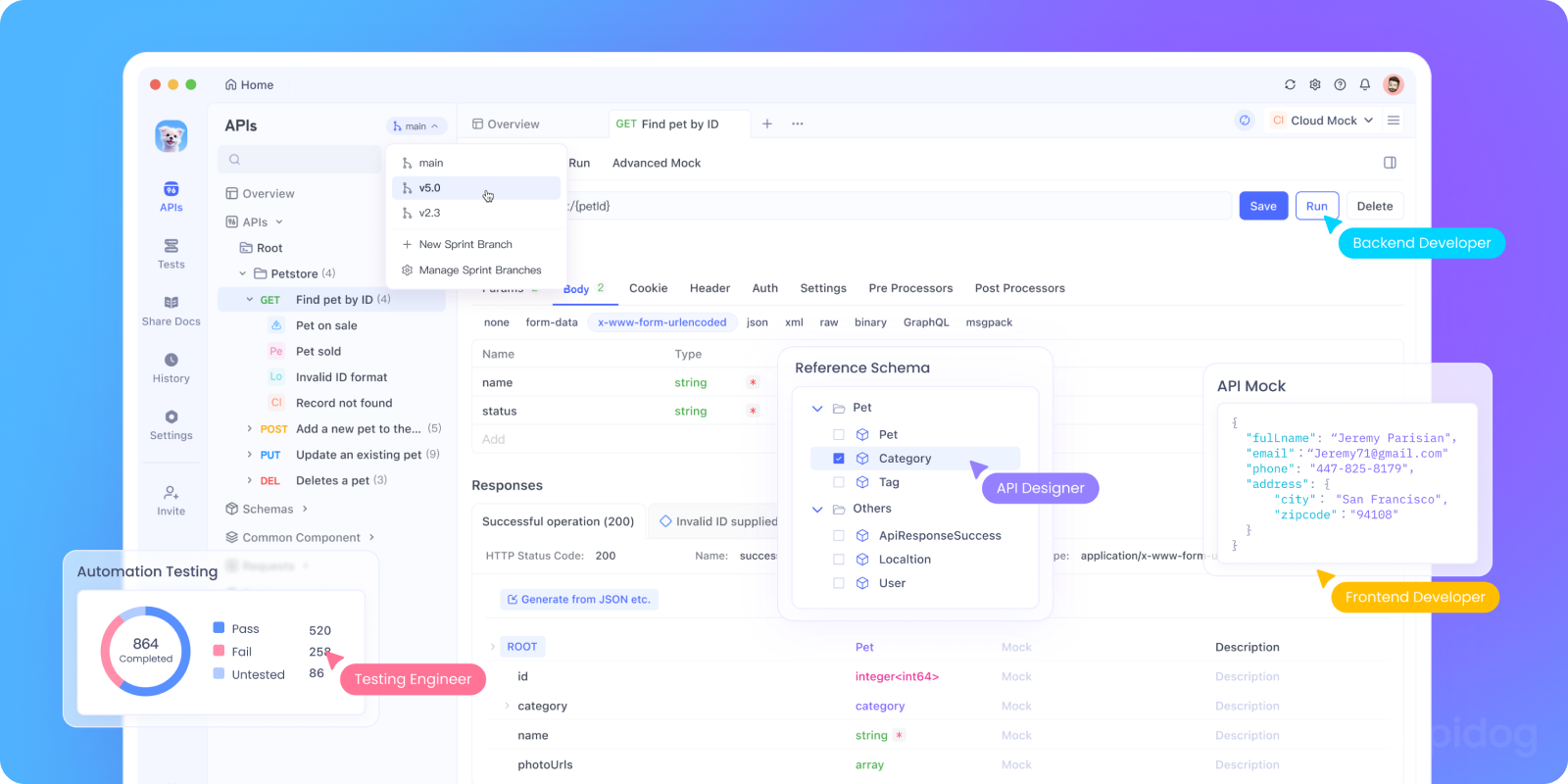
Adopt tools like Apidog for spec-driven API development, inventory management, and documentation. Apidog’s visual interface makes it easy to track, update, and audit your entire API landscape.
Step 3: Continuous Monitoring
Deploy monitoring solutions to watch for new, undocumented endpoints. Use alerts to notify security teams when suspicious APIs are detected.
Step 4: Educate and Train Teams
Ensure all developers and DevOps staff understand the risks of shadow APIs and adhere to best practices for API development and documentation.
Step 5: Regularly Review and Update
Periodically review your API inventory, documentation, and monitoring processes to adapt to evolving business and technical requirements.
Shadow API Detection Example Using Apidog
Let’s walk through a practical example of how Apidog can help detect shadow APIs in your organization.
1. Import Existing API Documentation
Import all known API specs into Apidog from sources like Swagger or Postman.
2. Network Traffic Monitoring
Use network analysis tools to log all incoming API requests to your infrastructure.
3. Compare Logs Against Apidog Inventory
Export a list of endpoints from Apidog. Use a script to compare this list to endpoints observed in your network logs:
   # Example: Compare Apidog exported endpoints with live traffic logs
   apidog_endpoints = set(load_from_csv('apidog_export.csv'))
   traffic_endpoints = set(parse_logs('traffic.log'))   shadow_apis = traffic_endpoints - apidog_endpoints   for endpoint in shadow_apis:
       print(f"Potential shadow API detected: {endpoint}")
4. Remediate Shadow APIs
For any endpoint not in Apidog, investigate its purpose. Either add it to documentation or decommission it.
5. Continuous Improvement
Automate this process as part of your DevSecOps pipeline.
Frequently Asked Questions About Shadow API
Are shadow APIs always malicious?
No, shadow APIs typically arise from oversight, not malice. However, attackers actively search for such endpoints.
How often should I audit for shadow APIs?
Best practice is to run automated scans at least monthly, and after any major release or integration.
Can Apidog help eliminate shadow APIs?
Yes, Apidog centralizes API design, documentation, and lifecycle management, greatly reducing the risk of shadow APIs in your organization.
Conclusion: Take Control of Shadow APIs Now
Shadow APIs are a hidden but critical risk in modern API-driven organizations. They create security holes, compliance risks, and operational headaches. By understanding how shadow APIs emerge, applying best practices, and leveraging powerful tools like Apidog, you can detect, document, and eliminate shadow APIs from your environment.
Next steps:
- Audit your current API inventory for shadow APIs
- Adopt a spec-driven API management platform like Apidog
- Train your teams on the dangers and prevention of shadow APIs
- Establish continuous monitoring and governance
Stay vigilant—take proactive control of your API ecosystem before shadow APIs put your business at risk.