Python remains the language of choice for web and API development teams seeking speed, flexibility, and scalability. But with so many Python web frameworks available, selecting the right one for your backend architecture can be daunting—especially with performance, maintainability, and integration demands rising in 2026.
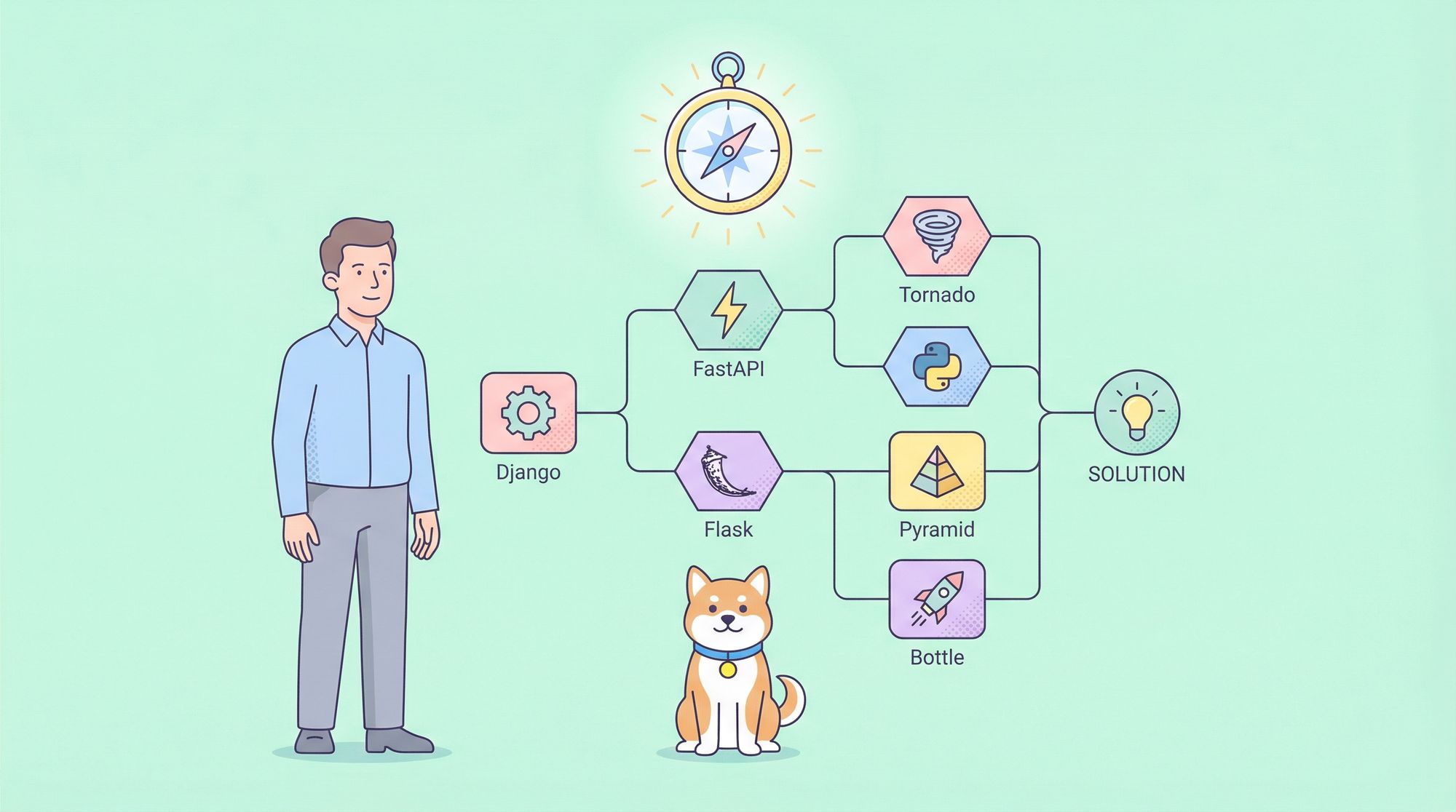
This comprehensive guide compares the top 10 Python frameworks for web and API development. Whether you’re building data-driven enterprise systems, high-concurrency microservices, or lightweight APIs, you’ll find the best framework for your project’s needs. Real-world use cases, key features, and practical selection tips are included to help backend engineers, API developers, and technical leads make informed decisions.
Table of Contents
- The “Big Three” Python Frameworks
- High-Performance & Asynchronous Frameworks
- Niche & Specialized Frameworks
- Framework Selection Summary
- Optimizing Your Python API Workflow With Apidog
- Frequently Asked Questions
- Conclusion
The Big Three Python Frameworks
These frameworks are industry standards, trusted by large organizations for their maturity, reliability, and broad ecosystems.
1. Django
Best for: Large-scale web apps, enterprise platforms, and rapid full-stack development.
Django is frequently chosen for building robust, maintainable applications where security and consistency matter. Its “batteries-included” philosophy means you get an ORM, authentication, admin panel, and templating engine out-of-the-box—ideal for teams needing predictable structure.
- Key Feature: Built-in Admin Interface for instant internal tools.
- Who uses it: Instagram, Spotify, Mozilla.
2. FastAPI
Best for: Modern REST APIs, async microservices, and machine learning backends.
FastAPI is a favorite among API developers for its combination of speed, asynchronous processing, and automatic OpenAPI/Swagger documentation. It leverages Python type hints and async/await, making it efficient to write and easy to maintain.
- Developer Experience: Interactive API docs (Swagger UI/ReDoc) are auto-generated from your code—streamlining design and testing.
- Who uses it: Netflix, Uber, Microsoft.
3. Flask
Best for: Microservices, rapid prototyping, and custom backend architectures.
Flask offers simplicity and freedom—providing only core routing and templating so you can architect everything else as you see fit. This flexibility makes Flask perfect for small teams, proof-of-concept APIs, or when you need total control over your stack.
- Flexibility: Choose your own extensions, database, and project structure.
- Who uses it: Airbnb, Reddit, Lyft.
High-Performance & Asynchronous Frameworks
When raw speed, high concurrency, or real-time connections are critical, these frameworks excel.
4. Falcon
Best for: Ultra-fast REST APIs and low-latency microservices.
Falcon focuses on minimizing overhead and maximizing throughput. Its no-frills design is ideal for scenarios where every millisecond counts—such as real-time analytics or high-frequency trading APIs.
5. Sanic
Best for: Asynchronous APIs requiring extreme concurrency.
Sanic adopts Flask-like syntax but uses uvloop for fast, non-blocking I/O. If you need to handle thousands of concurrent connections (e.g., IoT, chat backends), Sanic is worth considering.
6. Tornado
Best for: Real-time services, WebSockets, and long-lived connections.
Tornado is a veteran async framework, designed to support tens of thousands of open connections simultaneously. It’s widely used for chat apps, streaming, and notification systems.
7. Aiohttp
Best for: Async HTTP servers and clients.
Aiohttp grants precise control over the HTTP lifecycle, making it ideal for both creating async web servers and consuming APIs in parallel—useful in microservice architectures or when acting as an API gateway.
Niche & Specialized Frameworks
These frameworks target specific scenarios—simplicity, modularity, or embedded use.
8. Pyramid
Best for: Apps that grow from small to complex, modular enterprise projects.
Pyramid offers a flexible middle ground: it starts lightweight (like Flask), but scales up with advanced configuration and extensibility. Useful where codebases evolve and requirements change over time.
9. Bottle
Best for: Tiny web apps, quick utilities, and single-file deployments.
Bottle is a zero-dependency framework, fitting entirely in a single file. It’s perfect for simple web tools, embedded device dashboards, or scenarios where minimalism and easy deployment are priorities.
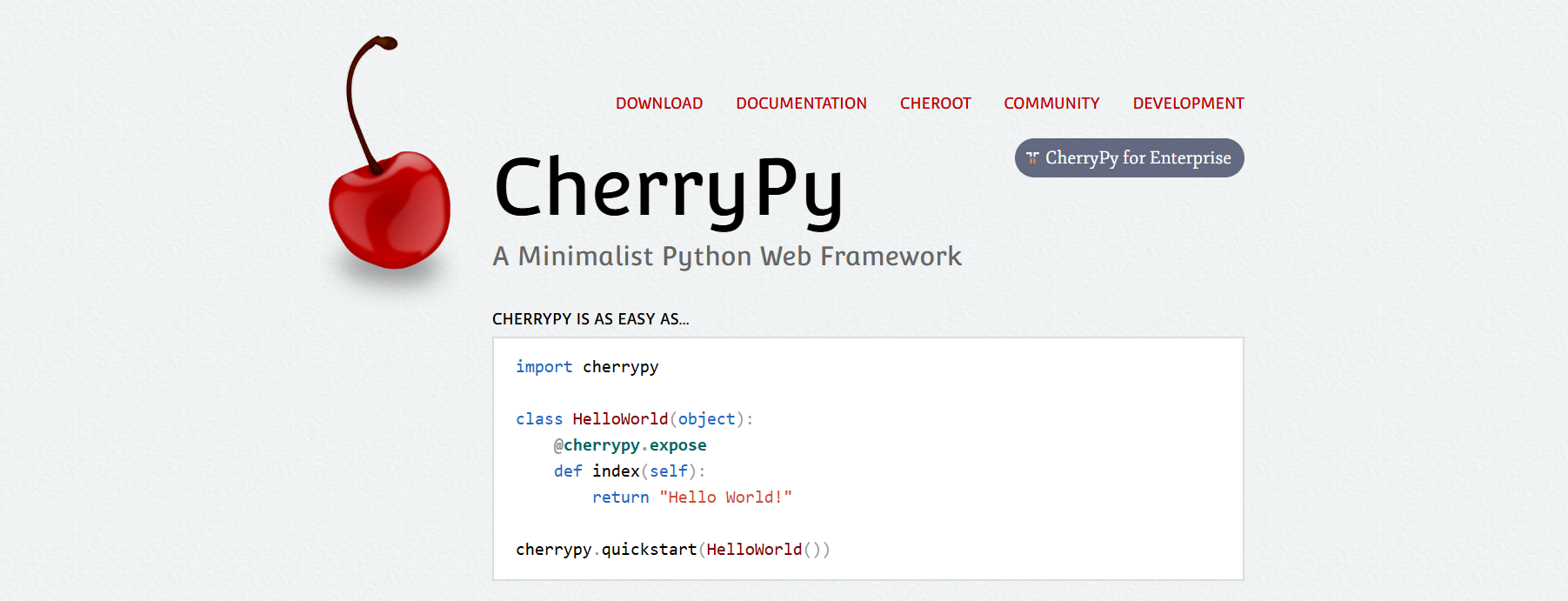
10. CherryPy
Best for: Embedding web servers directly into Python applications.
CherryPy enables building web apps using plain object-oriented Python. It includes its own production-ready multi-threaded server, making it a self-contained solution for embedded or desktop use.
Framework Selection Summary
Not sure which Python framework to choose? Here’s a quick breakdown:
| Use Case | Recommended Frameworks |
|---|---|
| Full-featured web apps & admin panels | Django |
| High-performance APIs or async backends | FastAPI, Falcon, Sanic |
| Lightweight microservices & custom backends | Flask, Bottle, CherryPy |
| Real-time/WebSocket or long-lived connections | Tornado, Aiohttp, Sanic |
| Modular/flexible architectures & scaling | Pyramid |
Example:
- For a fintech analytics platform needing robust ORM and admin: use Django.
- For a machine learning inference API needing async performance: use FastAPI.
- For a quick, single-file tool: use Bottle.
Optimizing Your Python API Workflow with Apidog
Choosing the right Python web framework is just the first step. As your API matures, managing the full API lifecycle—design, documentation, testing, and debugging—becomes critical.
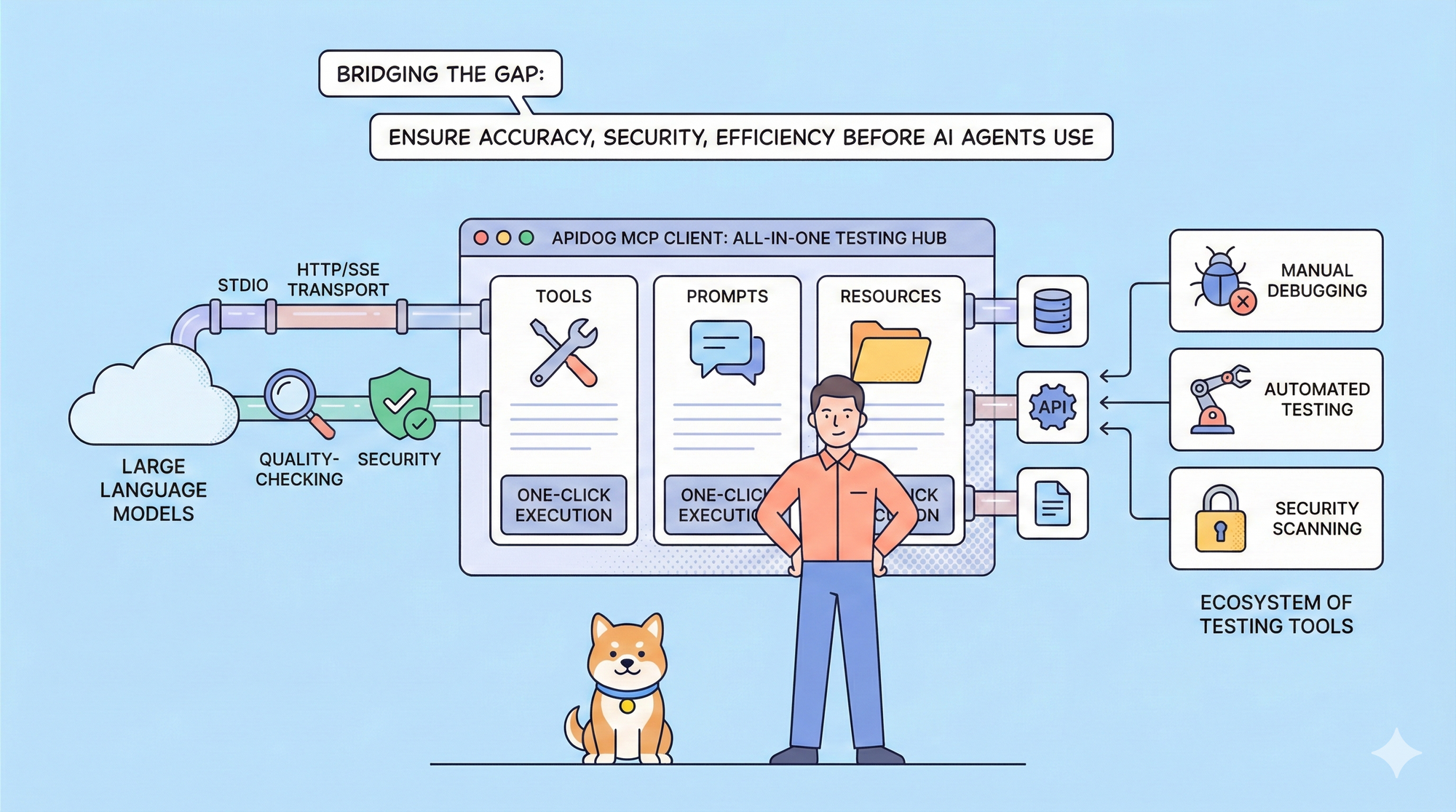
Frameworks like FastAPI auto-generate OpenAPI docs, but they don’t provide advanced testing, complex scenario validation, or seamless team collaboration. This is where Apidog fits naturally into a modern backend workflow.
How Apidog Streamlines Python API Development:
- Design First: Plan and visualize your API structure before coding.
- One-Click Imports: Instantly import OpenAPI/Swagger specs from FastAPI, Flask, or other frameworks.
- Automated Testing: Validate your backend with automated assertions, regression checks, and workflow tests.
- Visual Debugging: Send requests and inspect responses in an intuitive interface—replacing scattered tools like Postman and Swagger UI.
Apidog integrates smoothly into Python-based projects, helping engineers and QA teams ensure every endpoint is well-documented, thoroughly tested, and ready for production.
Frequently Asked Questions
Q1. Is there a “best” Python web framework for all projects?
No. Your choice depends on requirements—Django for full-featured apps, FastAPI or Sanic for async APIs, Flask or Bottle for microservices and prototypes.
Q2. How do micro-frameworks differ from full-stack frameworks?
Micro-frameworks (Flask, Bottle, CherryPy) offer minimal functionality, letting you choose your stack. Full-stack frameworks (Django) provide built-in ORM, authentication, and admin, enforcing more structure.
Q3. When should I use an async framework?
Async frameworks (FastAPI, Sanic, Tornado, Aiohttp) are ideal for high-concurrency workloads, real-time APIs, or heavy I/O. For straightforward or synchronous apps, traditional frameworks may be simpler.
Q4. Can I migrate to a different framework mid-project?
Possible for smaller or modular codebases, but large migrations are complex and require significant refactoring. Plan your architecture early to avoid major rework.
Q5. Which frameworks have the largest communities?
Django, FastAPI, and Flask lead in community size, documentation, and third-party support. Others like Bottle, CherryPy, and Falcon serve niche needs with smaller ecosystems.
Conclusion
Python’s web framework ecosystem continues to evolve, supporting a wide range of backend architectures—from full-featured platforms with Django, to blazing-fast APIs with FastAPI, to minimalist microservices with Flask or Bottle.
Your framework choice should reflect your project’s scale, performance targets, and long-term goals. And for a robust API workflow—covering design, documentation, and testing—tools like Apidog help ensure your backend remains reliable and developer-friendly.