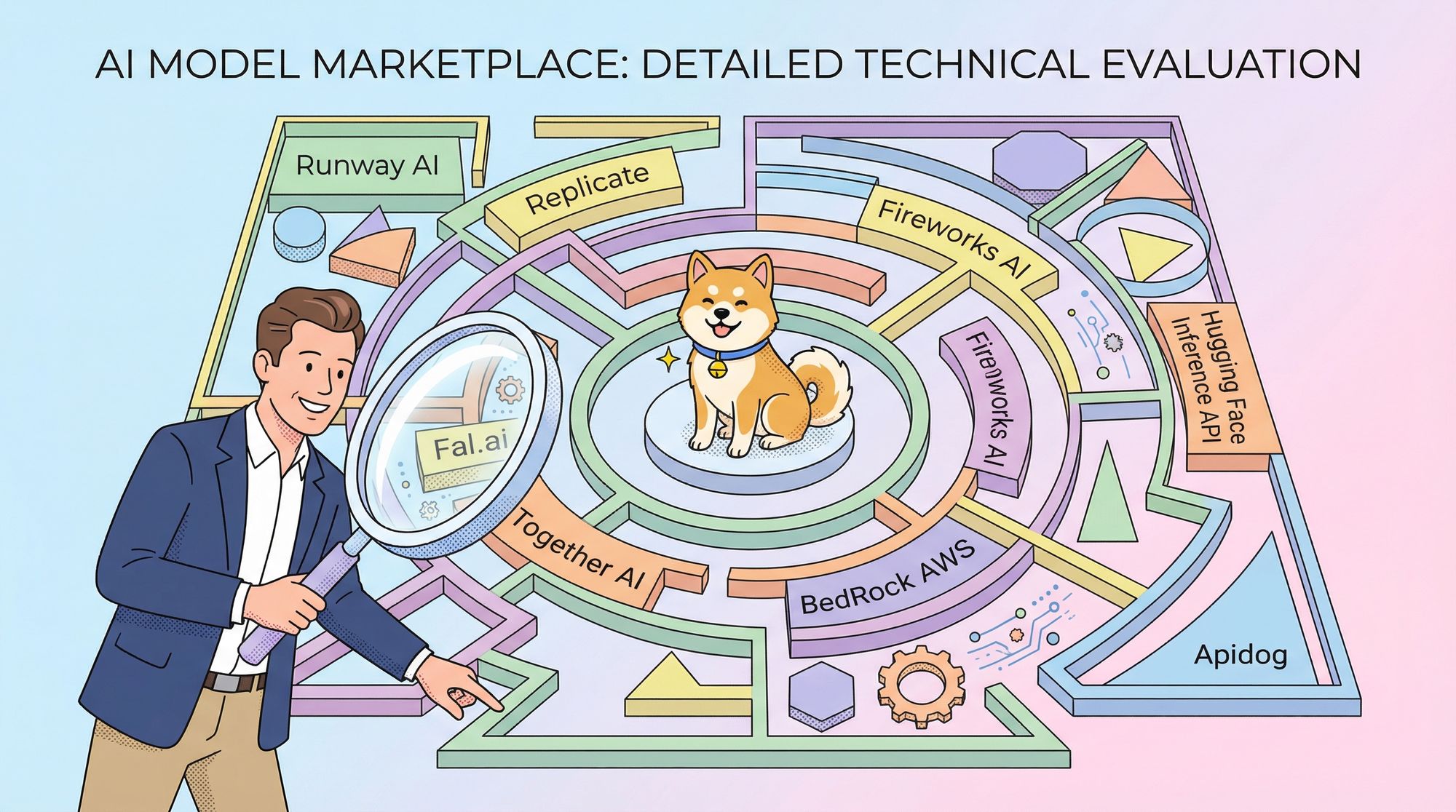
The AI model marketplace has exploded with options. Organizations currently using KIE.ai for video generation, image creation, music synthesis, or chat capabilities now face compelling alternatives offering competitive pricing, superior performance, and more granular control over model access. This technical evaluation analyzes the leading KIE API alternatives available in 2026, comparing architecture, model availability, pricing structures, and integration complexity.
Why Organizations Are Exploring KIE API Alternatives
KIE.ai established itself as an accessible platform bundling popular AI models Veo 3.1, Runway Aleph, Suno, and Flux under unified API endpoints. The platform delivers genuine value through its credit-based pricing and free playground for testing. Yet teams using KIE.ai increasingly encounter scenarios where alternatives prove more suitable.
Top KIE API Alternatives for 2026
1. Runway AI: Direct Video Generation Excellence
Runway positions itself as the category leader for AI video generation. The platform provides direct access to Gen-3 and Aleph models with feature sets exceeding KIE.ai's offering through the platform.
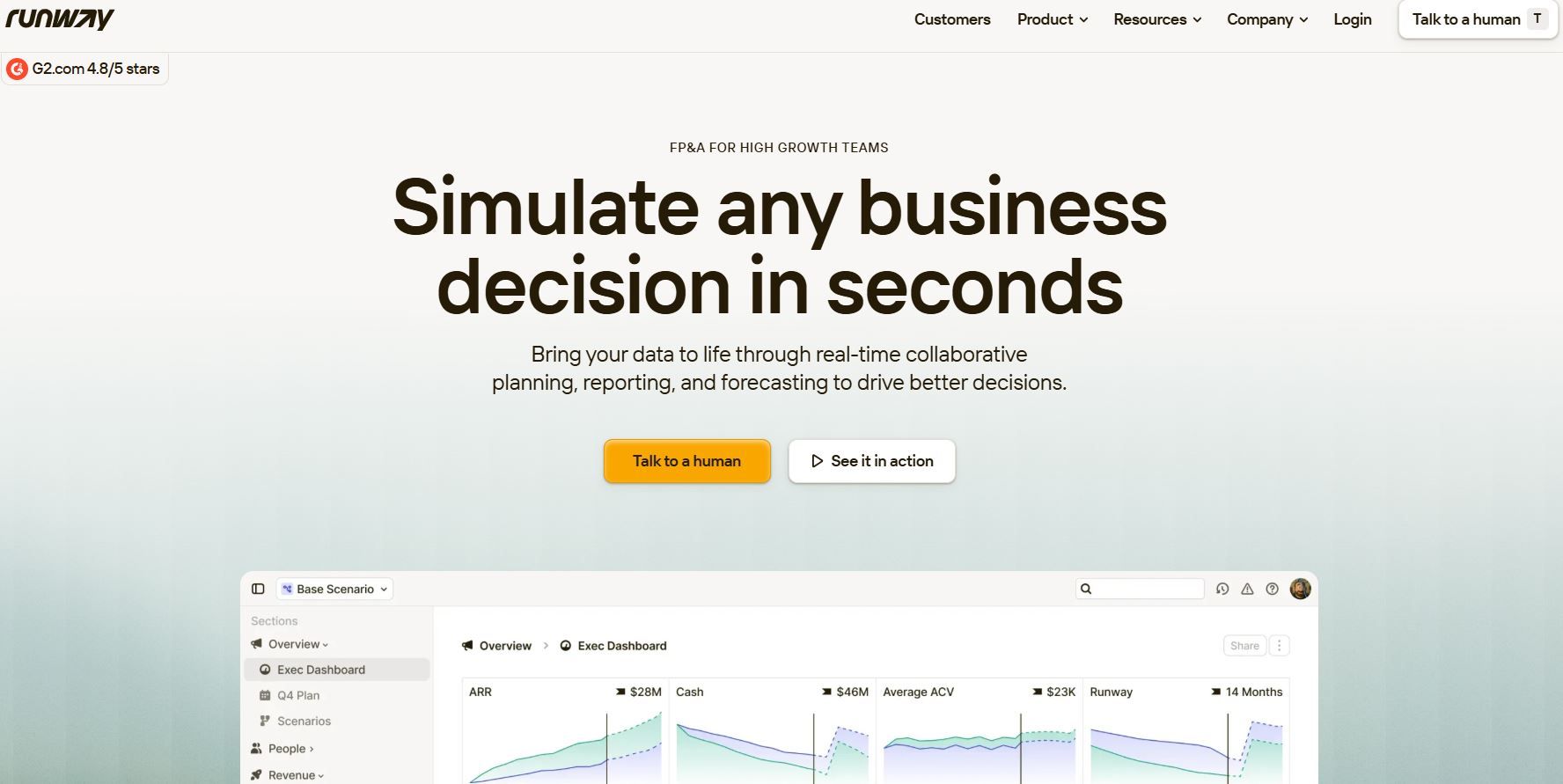
Runway's API exposes capabilities that aggregators deliberately simplify. You control aspect ratios, frame interpolation, motion dynamics, and prompt guidance separately. The platform supports synchronization between video and audio generation critical for content creators. Multi-shot workflows handle scene transitions that single-API-call models cannot.
Pricing at Runway starts at $9.99 monthly for hobby tiers, scaling to custom enterprise agreements. The cost per video generation typically runs 20-30% below KIE.ai equivalent usage, meaningful when processing thousands of videos monthly.
Strengths:
- Superior video quality and consistency
- Fine-grained parameter control
- Webhook-based async processing
- Competitive pricing at scale
- Robust API for production workloads
Limitations:
- Requires separate integration from other AI services
- Steeper learning curve than aggregator platforms
- No built-in image or music generation
2. Replicate: Curated Model Marketplace
Replicate functions as the antithesis of locked-in platforms. The service provides access to hundreds of machine learning models through a unified API, but emphasizes model diversity and creator choice.
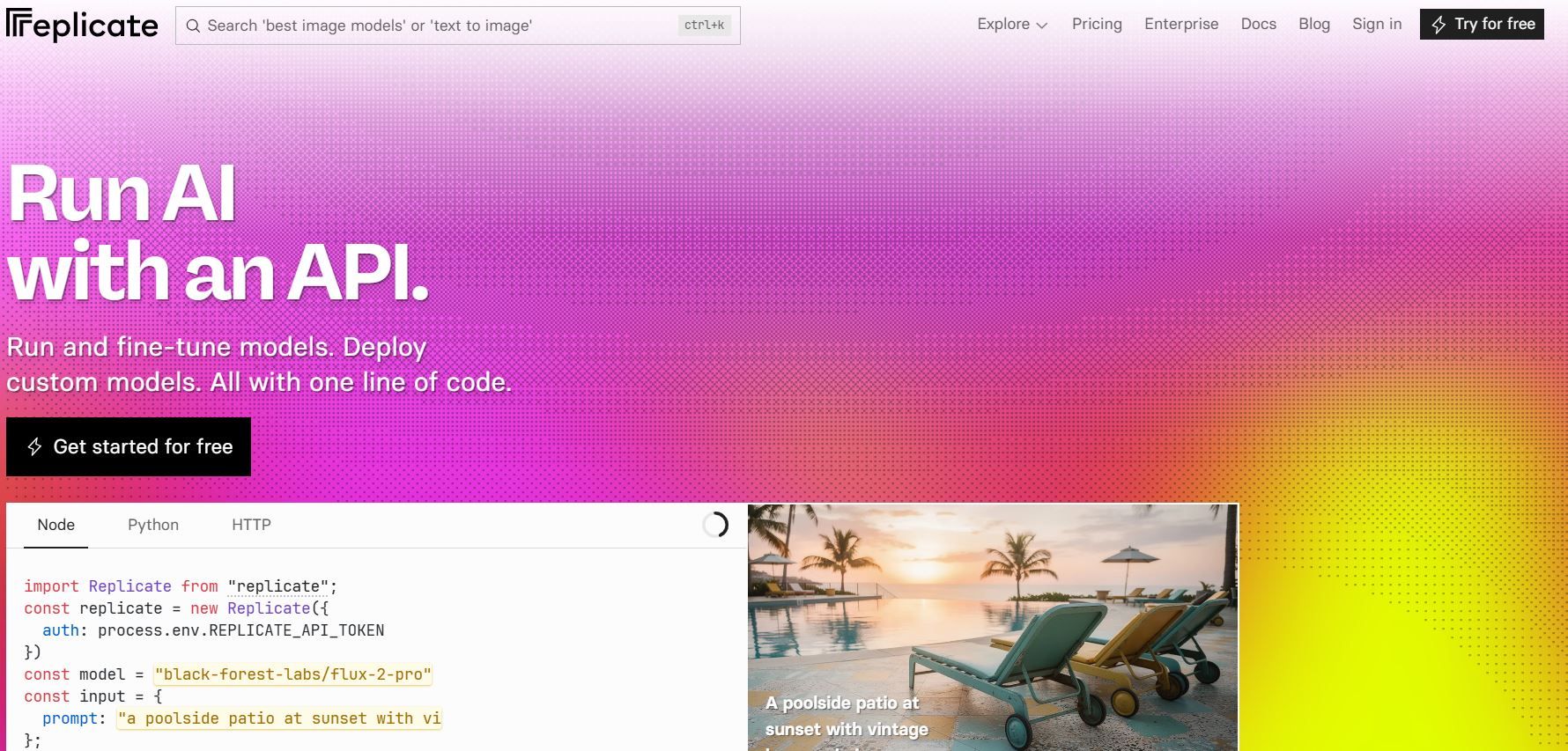
Rather than pre-selecting which video generation model to expose, Replicate hosts multiple implementations. Want conservative, photorealistic video? Deploy one model. Prefer stylized, artistic output? Choose another. Need both for different projects? Run them in parallel Replicate's architecture accommodates this naturally.
Pricing operates on pay-per-run model. Costs typically range $0.001-$0.10 per API call depending on model complexity. For video generation specifically, costs run approximately $0.02-$0.15 per video, competitive with specialized providers while avoiding per-platform integration.
Strengths:
- Hundreds of models under unified API
- Excellent for experimentation and A/B testing
- Transparent per-run pricing
- Simple integration
- Strong community of model creators
Limitations:
- Model quality varies considerably
- Some models experience longer inference latency
- Less hand-holding than purpose-built platforms
3. Fal.ai: Speed-Optimized Inference
Fal.ai emerged specifically to address KIE.ai competitors' Achilles' heel latency. The platform optimizes every component for speed: GPU allocation, model compilation, queue management, and response transmission.
Organizations requiring sub-second inference or batch processing thousands of images hourly find Fal.ai compelling. The platform's architecture maintains warm GPU instances across geographic regions. Requests route to nearest available capacity. Results stream back through optimized networks.
Video generation throughput at Fal.ai dramatically exceeds aggregator platforms. Generate 100 images in parallel. Submit 500-video batch jobs. The platform scales horizontally without coordination overhead. Pricing aligns with capacity utilization pay for what you consume, scale elastically as load changes.
Strengths:
- Exceptional performance and throughput
- Excellent for batch processing
- Geographic optimization
- Clean API design
- Strong video and image model selection
Limitations:
- Premium pricing reflects performance advantage
- Limited music generation models
- Less comprehensive than Replicate's model library
4. Together AI: Open-Source Model Focus
Together AI specializes in open-source models Flux, Mistral, Llama derivatives, and community-contributed architectures. For organizations prioritizing model transparency, reproducibility, or fine-tuning capability, Together represents the natural choice.
Every model on Together remains fully open source. You understand exactly what computation occurs. You download model weights if desired. You fine-tune against your proprietary data without licensing restrictions. This appeals to enterprises, research institutions, and teams building production systems demanding transparency.
Pricing reflects this focus. Open-source models cost substantially less than proprietary alternatives. A Flux image generation runs roughly 50% cheaper through Together than proprietary image APIs. Video models, music generation, and chat APIs similarly undercut commercial platforms.
Strengths:
- Open-source model emphasis
- Significant cost savings
- Transparency and reproducibility
- Fine-tuning support
- Model flexibility
Limitations:
- Performance sometimes trails proprietary models
- Community model quality inconsistent
- Limited enterprise support
5. Fireworks AI: Optimized Open-Source Inference
Fireworks focuses exclusively on open-source models but emphasizes performance. The platform compiles open models for maximum throughput, handles auto-scaling intelligently, and routes requests to optimal execution environments.
The result combines Together's open-source philosophy with Fal's performance obsession. Generate images at near-proprietary-model quality while paying open-source-model prices. The platform trades some model novelty for consistency you won't find cutting-edge research models hours after publication, but you get battle-tested, production-ready implementations.
Particularly compelling for organizations evaluating model cost-effectiveness. Run your workload through Fireworks open-source models for fraction of proprietary platform costs. If results prove insufficient, upgrade to proprietary models without architectural changes Fireworks API remains consistent.
Strengths:
- Optimized open-source inference
- Competitive pricing
- High throughput
- Production-ready models
- Straightforward scaling
Limitations:
- Limited bleeding-edge models
- Fewer model options than Replicate
- Smaller ecosystem
6. BedRock AWS: Enterprise Integration Focus
Amazon Bedrock integrates multiple AI model providers into AWS ecosystem. Rather than managing separate API credentials, you authenticate through AWS IAM. Billing flows through consolidated AWS accounts. Integration with VPCs, CloudWatch, and other AWS services happens automatically.
For enterprises already committed to AWS infrastructure, Bedrock eliminates friction. Your video generation costs accumulate alongside compute, storage, and database expenses. Fine-grained IAM policies control access. CloudTrail logs every API call.
Bedrock supports Claude, Mistral, Llama, Titan, and Stability AI models through unified interfaces. The service handles model updates you never download weights or manage versions explicitly.
Strengths:
- Native AWS integration
- Enterprise security features
- Unified billing
- Enterprise SLA guarantees
- Compliance certifications
Limitations:
- AWS lock-in
- Premium pricing
- Limited model variety
7. Hugging Face Inference API: Community-Centric Approach
Hugging Face hosts 500,000+ models and datasets. The Inference API provides access to thousands through standardized endpoints. The community-driven approach produces exceptional diversity experimental architectures appear within days of publication.
Perfect for research teams, academic institutions, and organizations exploring cutting-edge techniques. Model creators upload implementations immediately. The community tests them. Performance-proven models bubble up through social signals.
Pricing includes free tier for experimentation plus consumption-based options for production. Organizations can self-host models entirely, avoiding platform lock-in.
Strengths:
- Exceptional model diversity
- Community-driven innovation
- Free experimentation tier
- Self-hosting support
- Academic-friendly
Limitations:
- Model quality highly variable
- Performance sometimes lags specialized platforms
- Community support varies
8. Apidog-Enhanced Rules Evaluation: Testing Multiple Alternatives Simultaneously
The final alternative isn't a rules engine itself but rather an approach to evaluating them. Apidog enables organizations to test multiple KIE alternatives against identical rule scenarios, measuring performance, cost, and integration complexity across platforms.
Using Apidog's automation capabilities, you send identical rule evaluation requests to Drools Cloud, Kogito, Cortex, and Easy Rules simultaneously. Apidog captures response times, execution success rates, and handles error scenarios. Generate comparative reports showing which alternative performs best for your specific rule complexity. This methodology transforms vendor selection from gut feeling into data-driven decision making.
Additionally, Apidog's mock server capability lets you prototype rule engine integrations before committing to specific platforms. Build your application against Apidog's mock endpoints that simulate rule engine behavior. Once satisfied with integration patterns, switch to actual rule engine deployments or run in hybrid mode, using Apidog mocks for testing while production uses real services.
Strengths:
- Compare multiple alternatives objectively
- Identify best performer for your workload
- Rapid prototyping and integration testing
- Built-in documentation generation
- Cost tracking across alternatives
Limitations:
- Requires initial setup and test scenarios
- Doesn't replace actual production deployment
Conclusion
The AI model API landscape has matured well beyond single-provider platforms. KIE.ai established valuable convenience for teams exploring AI capabilities. However, as workloads scale, specialized providers delivering superior performance, lower costs, or greater transparency become increasingly compelling.
Organizations need not choose between KIE.ai's all-in-one convenience and specialized provider complexity. Modern alternatives span this spectrum. Runway delivers professional video generation. Together AI offers transparent, cost-effective open-source models. Replicate enables unlimited experimentation. Fal.ai prioritizes throughput.Begin the evaluation today. Download Apidog, test your top alternatives against real workloads, and let data guide your migration strategy.