API management is the backbone of digital transformation, enabling businesses to create, deploy, secure, and scale their APIs efficiently. As organizations modernize, a critical decision arises: Cloud vs On Premise API Management. This comparison isn't just technical—it impacts security, scalability, compliance, costs, and the agility of your entire IT ecosystem. In this guide, we’ll dissect every facet of cloud vs on premise API management, helping you choose the model that aligns with your organizational goals.
What is Cloud vs On Premise API Management?
At its core, API management refers to the processes, tools, and policies used to govern APIs across their lifecycle—from design and testing to deployment and monitoring. The debate between cloud vs on premise API management is about where and how these tools and services are hosted and operated:
- Cloud API Management: All API management infrastructure, including gateways, developer portals, analytics, and security layers, are hosted by a third-party provider in the cloud. Users access these services over the internet, typically via a subscription model.
- On Premise API Management: The organization installs, maintains, and operates the API management platform within its own data centers. All API traffic, data, and control remain behind the company’s firewall.
Understanding the nuances between these two approaches is essential as it affects your API strategy, compliance posture, and digital agility.
Why Cloud vs On Premise API Management Matters
Choosing between cloud vs on premise API management is a pivotal architecture decision. Here’s why it matters:
- Security and Compliance: Data residency, regulatory requirements, and auditability can depend on your deployment model.
- Scalability and Performance: Your ability to handle peak loads and global users varies by infrastructure.
- Cost Structure: Cloud solutions often provide pay-as-you-go pricing, while on premise requires upfront investment and ongoing maintenance.
- Time to Market: Cloud platforms can accelerate deployment, while on premise often involves longer setup and configuration.
- Resource Allocation: Managing infrastructure in-house can strain IT teams, whereas cloud providers handle most operational overhead.
Key Features Compared: Cloud vs On Premise API Management
1. Deployment and Setup
- Cloud: Rapid onboarding; environments can be provisioned in minutes or hours. No hardware purchase or installation required.
- On Premise: Longer setup cycles—often weeks or months. Requires physical or virtual servers, network configuration, and software installation.
2. Control and Customization
- Cloud: Limited customization; you’re often constrained by the provider's available features. However, updates and patches are managed for you.
- On Premise: Full control over configurations, integrations, and security measures. Can be tailored to legacy environments and unique workflows.
3. Security and Data Sovereignty
- Cloud: Security is shared between the provider and the customer. While top vendors use robust security practices, some industries (like finance and healthcare) require that sensitive data remains on-premises.
- On Premise: Complete control over data, infrastructure, and compliance. Ideal for organizations with strict regulatory or privacy requirements.
4. Scalability and Flexibility
- Cloud: Effortless scaling—add or remove resources on demand to handle traffic spikes.
- On Premise: Scaling often means procuring and configuring new hardware, which can be slow and costly.
5. Maintenance and Upgrades
- Cloud: Maintenance, patches, and upgrades are handled by the vendor, minimizing operational burden.
- On Premise: Your IT team is responsible for all maintenance, including upgrades, backups, and security patches.
6. Cost Considerations
- Cloud: Lower upfront costs, typically subscription-based pricing. Costs scale with usage.
- On Premise: Significant initial investment in hardware and licenses, but predictable long-term costs. No recurring subscription fees.
Cloud vs On Premise API Management: Pros and Cons
| Feature | Cloud API Management | On Premise API Management |
|---|---|---|
| Deployment | Fast, minimal setup | Complex, time-consuming |
| Scalability | Dynamic, elastic | Limited by in-house resources |
| Security | Vendor-managed, shared | Fully controlled, customizable |
| Cost | OPEX, pay-as-you-go | CAPEX, upfront investment |
| Compliance | Varies, limited guarantees | Full, meets strict regulations |
| Maintenance | Vendor-handled | In-house IT responsibility |
| Customization | Limited | High |
Real-World Applications: Cloud vs On Premise API Management
Financial Services
Banks and financial institutions often opt for on premise API management due to stringent regulatory requirements. They need precise control over data flow and storage to comply with laws like GDPR or PCI DSS. In contrast, fintech startups may leverage cloud API management to launch services rapidly and scale as their user base grows.
Healthcare
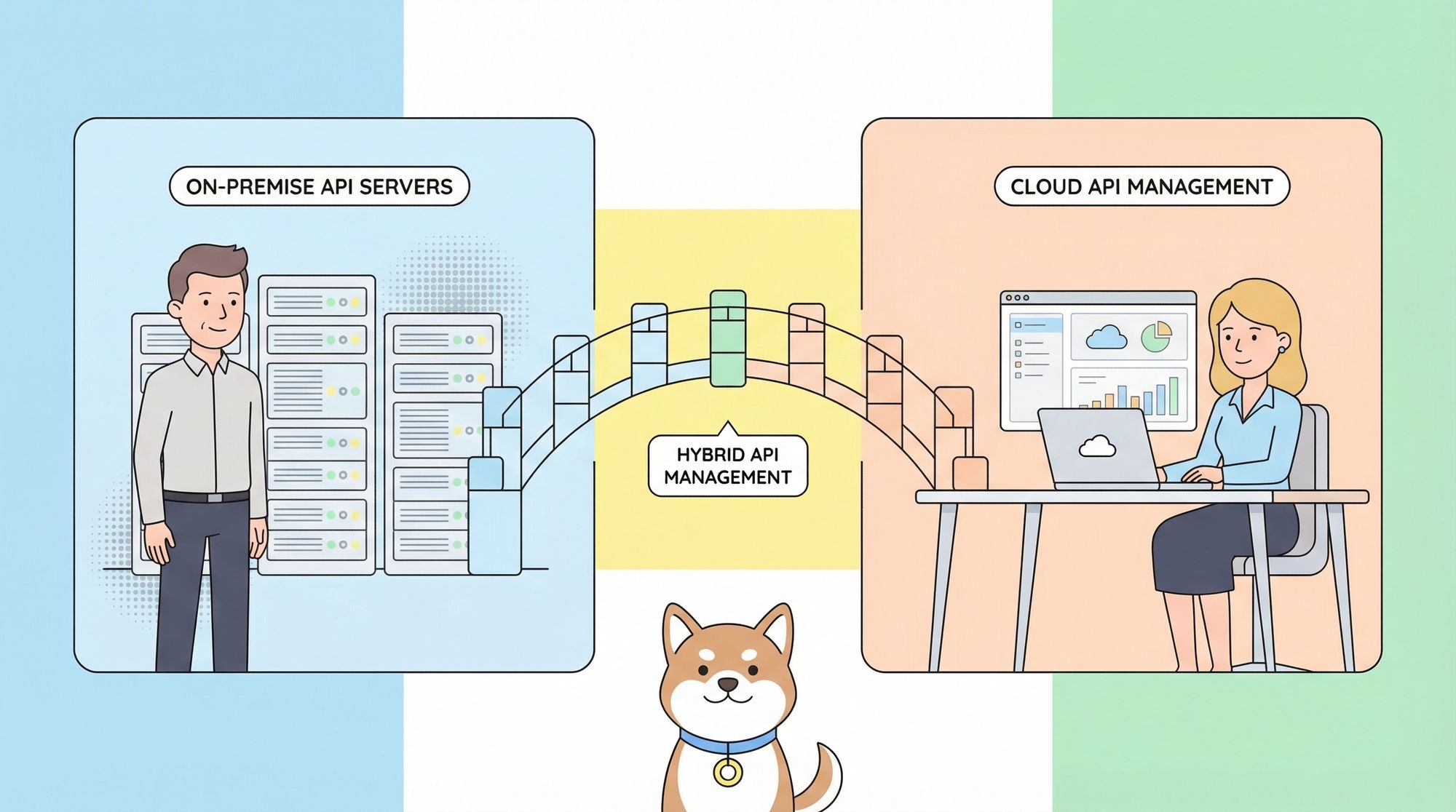
HIPAA and other healthcare regulations frequently push providers toward on premise API management. However, hybrid models are emerging, where sensitive patient data remains on-premise, but less critical APIs are managed in the cloud to improve interoperability and speed.
E-commerce & SaaS
Most modern e-commerce companies choose cloud API management for its agility and scalability, especially during high-traffic events like Black Friday. SaaS vendors also prefer cloud solutions for faster deployment, global reach, and easy integration with cloud-native applications.
Government
Government agencies traditionally favor on premise API management to retain full sovereignty over data and infrastructure. However, as cloud security matures, some agencies are experimenting with cloud or hybrid models to modernize legacy systems.
Apidog: A Versatile Tool for API Management in Any Environment

Whether you choose cloud, on premise, or a hybrid model, you need robust tools to design, test, and document your APIs. Apidog is a spec-driven API development platform that seamlessly supports both cloud and on premise API management strategies. With Apidog, you can:
- Design and document APIs collaboratively, regardless of deployment choice.
- Import and export API specifications for smooth migration between environments.
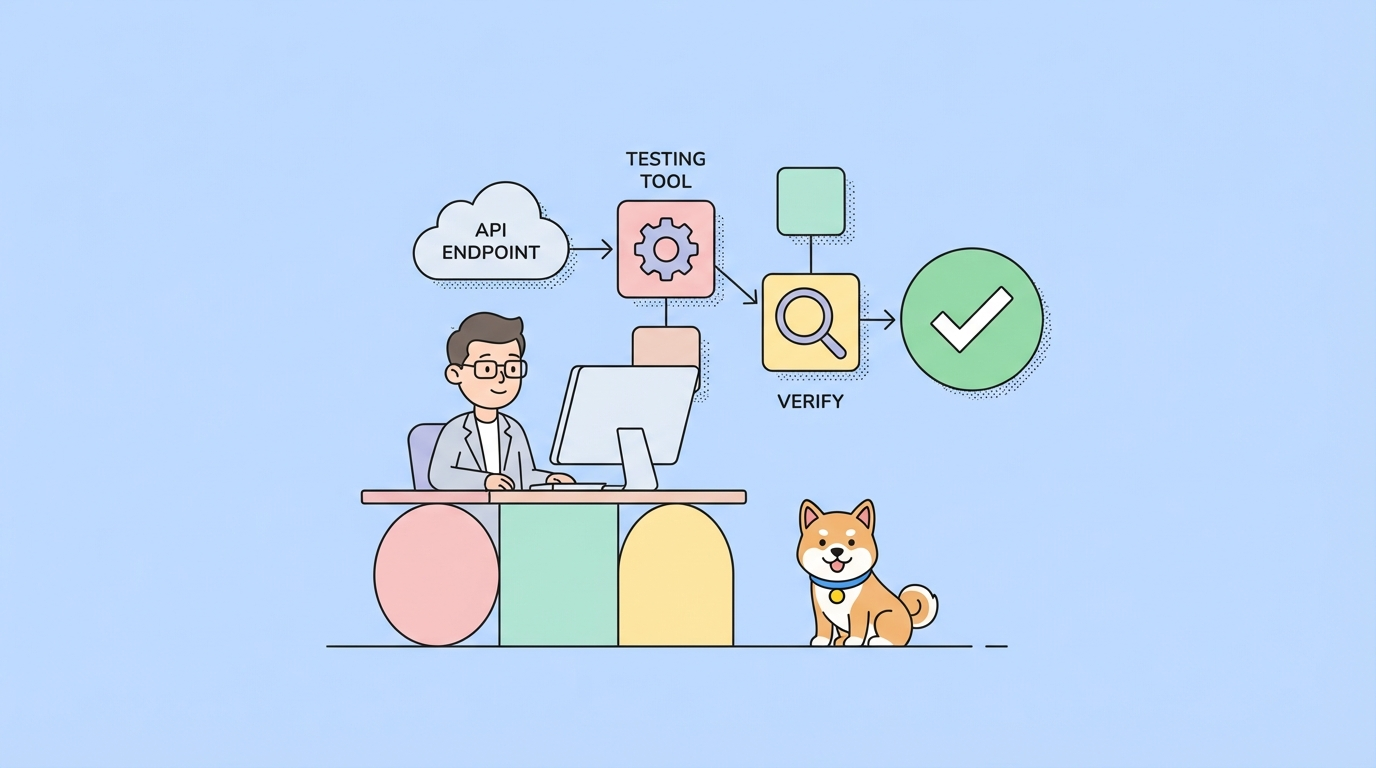
- Mock and test APIs to ensure reliability and performance before production rollout.
By integrating Apidog into your workflow, you ensure consistency, quality, and agility in your API lifecycle—no matter where your management platform is hosted.
How to Choose: Cloud vs On Premise API Management Checklist
Ask yourself the following before making a decision:
- Do regulatory or data residency requirements force you to keep data on-site?
- How quickly do you need to scale up or down?
- What’s your IT team’s capacity for ongoing maintenance?
- Are you prepared for upfront investment, or do you prefer subscription-based pricing?
- Will your APIs serve global partners, or are they primarily internal?
Tip: Consider piloting a hybrid approach, using tools like Apidog for design and testing, to evaluate both models side by side.
Conclusion: Making the Right Choice for Your API Strategy
The cloud vs on premise API management debate is far from settled, and the “right” answer depends on your organization’s unique needs. Cloud offers speed, scalability, and lower operational overhead, while on premise delivers unmatched control and compliance. Increasingly, hybrid models are bridging the gap.
No matter which you choose, robust API management is essential for digital success. Platforms like Apidog empower your teams to build, test, and document APIs efficiently—ensuring your API initiatives thrive in any environment.
Frequently Asked Questions: Cloud vs On Premise API Management
Q1: Can I switch from on premise to cloud API management later?
Yes. With tools like Apidog, you can export your API specs and test cases, making migration smoother.
Q2: Which model is more secure?
Both can be secure if implemented correctly. On premise offers direct control, while cloud providers invest heavily in security measures and certifications.
Q3: Is a hybrid approach complex to manage?
It can be, but modern platforms and automation tools, like Apidog, help unify management across environments.