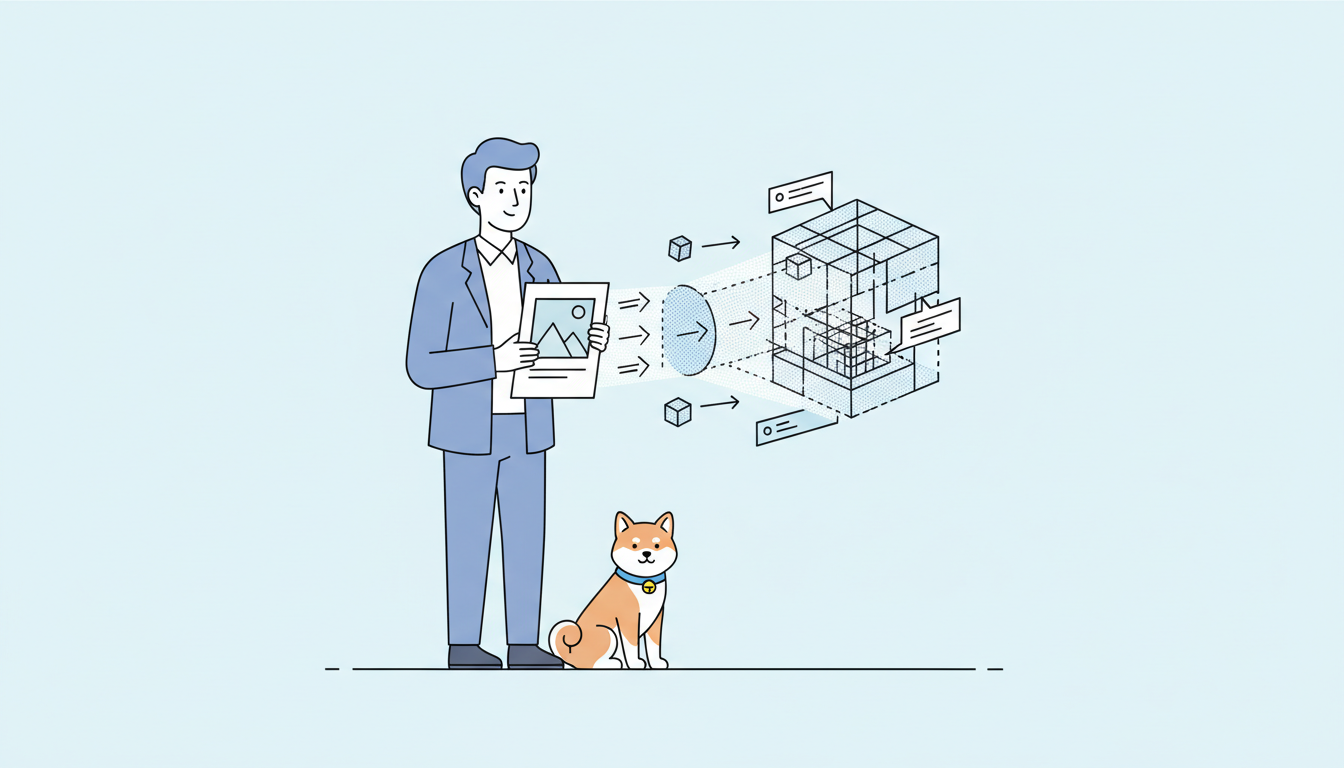
Converting 2D images into 3D models once required specialized skills, expensive software, and hours of manual work. Today, Image to 3D APIs enable developers to automate this process through simple REST calls, transforming photographs into production-ready 3D assets in seconds.
This transformation powers applications across gaming, e-commerce, virtual reality, architectural visualization, and digital fashion. Whether you need to generate product models for augmented reality shopping experiences or create game assets from concept art, Image to 3D APIs provide the infrastructure.
Most platforms export standard formats including GLB, FBX, OBJ, and USDZ, ensuring compatibility with Unity, Unreal Engine, Blender, and professional 3D software.
The Top 10 Image to 3D APIs in 2026
1. Hypereal AI: Advanced Neural Reconstruction
Hypereal AI delivers cutting-edge neural reconstruction technology for high-fidelity 3D model generation. The platform specializes in advanced AI-driven geometry inference with exceptional accuracy in capturing fine details and complex geometries.
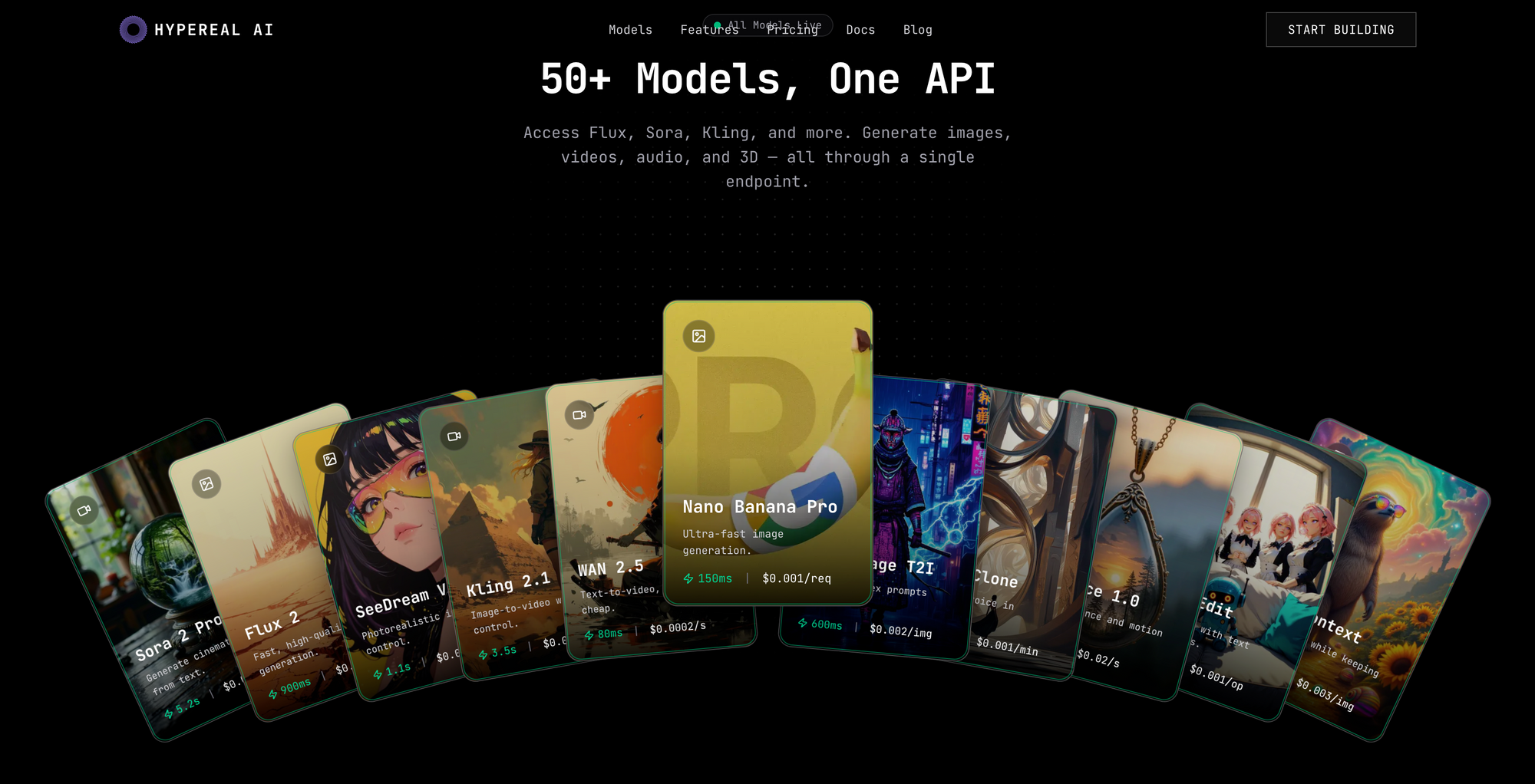
The API supports both text-to-3D and image-to-3D workflows with focus on precision and material authenticity. The platform includes sophisticated features for real-time rendering optimization and seamless integration with professional 3D pipelines.
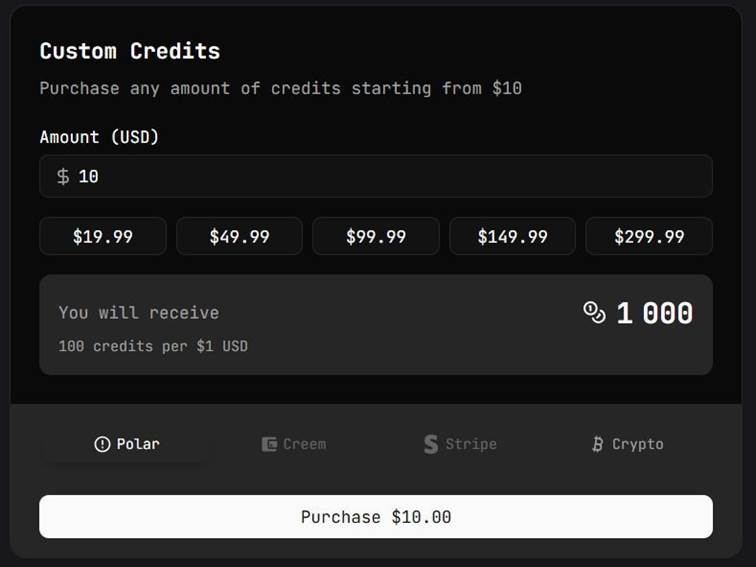
Pricing: Competitive credit-based system with flexible tier options. Enterprise solutions available with custom pricing and dedicated support.
Best For: Studios and enterprises requiring advanced neural reconstruction with maximum accuracy and detail fidelity.
2. Tripo AI: Speed-Optimized Production Pipeline
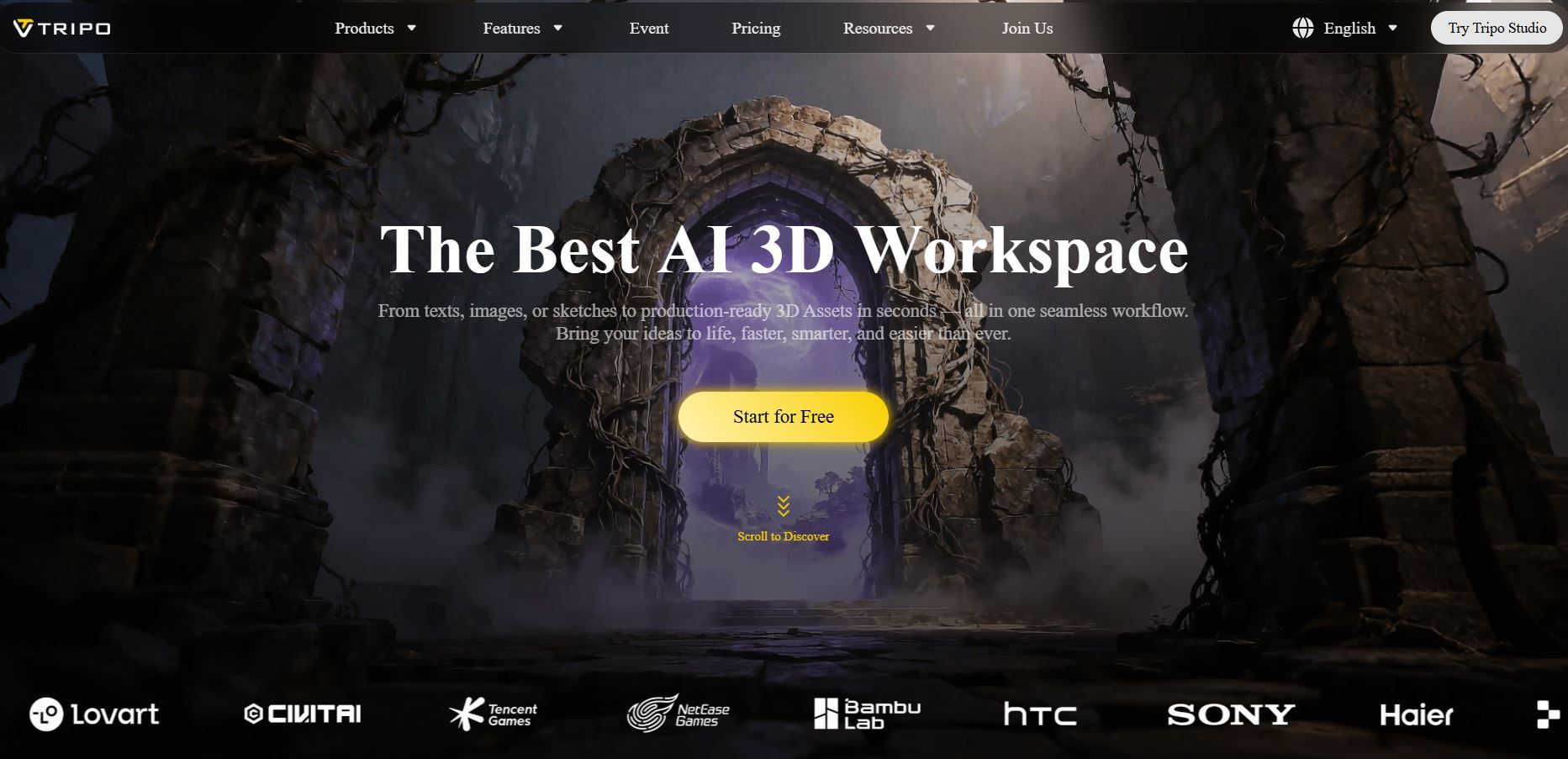
Tripo AI supports both text-to-3D and image-to-3D workflows. Single-image conversion handles straightforward product photos, while multi-view mode produces game-ready assets with clean topology. Advanced features include automatic retopology, smart low-poly optimization, and rigging support for character animation.
Technical implementation remains straightforward with official SDKs for Python, Node.js, and Unity. Average processing times range from 8-30 seconds depending on quality settings.
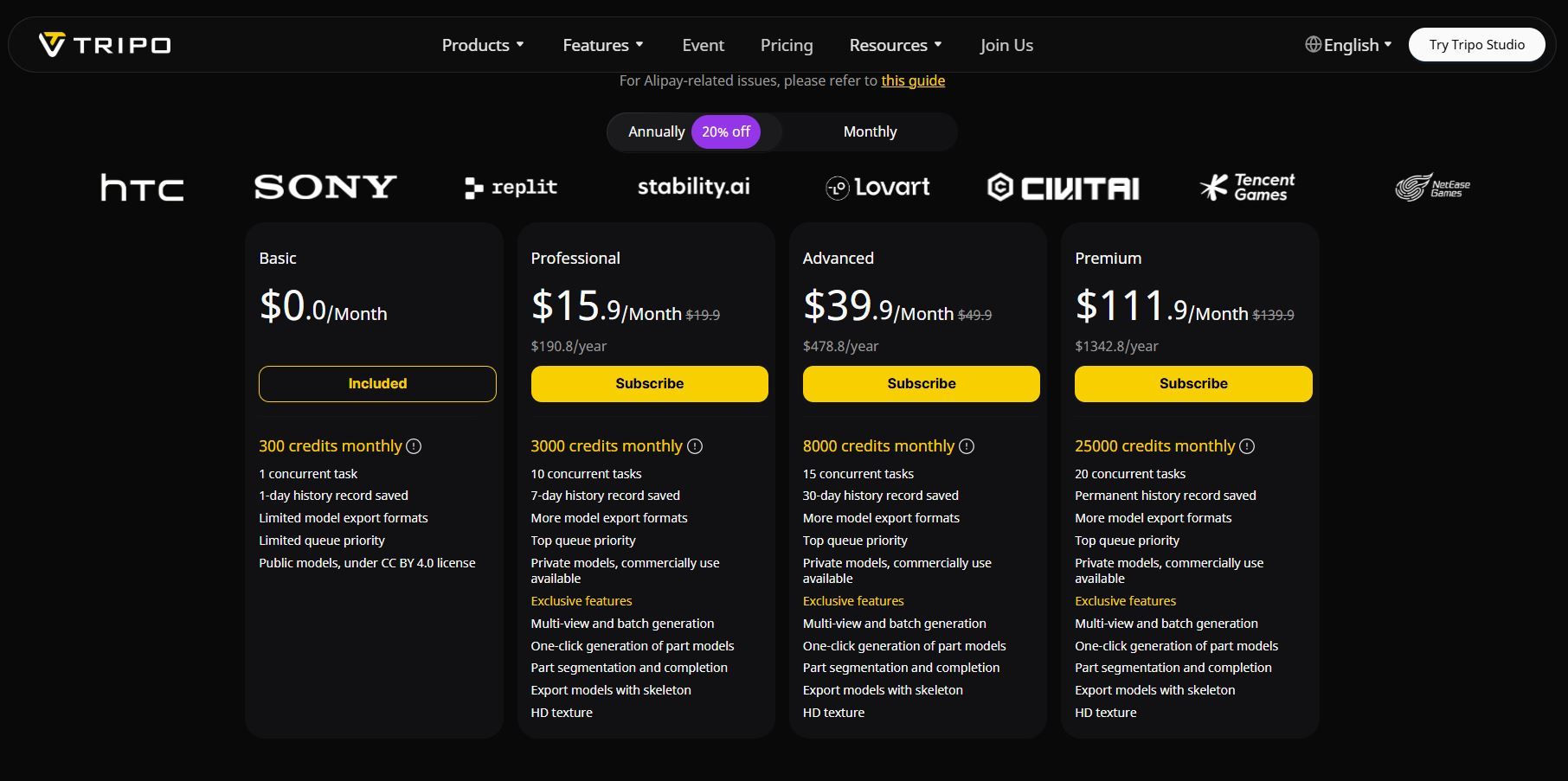
Pricing: Free tier with 300 monthly credits. Professional at $15.90/month (3,000 credits, 10 concurrent tasks). Advanced at $39.90/month (8,000 credits, 15 concurrent tasks).
Best For: Game developers requiring fast iteration and clean topology for real-time rendering.
3. Rodin (Hyper3D): Photorealistic Quality Standard
Rodin specializes in photorealistic 3D reconstruction with particular strength in material accuracy. The platform's neural networks excel at distinguishing material properties leather appears textured, metal shows proper specularity, and glass demonstrates correct transparency.
The technology produces 4K PBR textures with accurate roughness, metallic, and normal maps. Processing takes 2-5 minutes per model, significantly slower than competitors but delivering superior results.
Pricing: Via third-party APIs: $0.30-$0.40 per generation. Direct subscription: Creator plan at $20-30/month. Business plan at $60-120/month with 4K textures.
Best For: E-commerce, architectural visualization, and applications requiring photorealistic material representation.
4. Meshy: Versatile Multi-Format Platform
Meshy provides comprehensive 3D generation capabilities including text-to-3D, image-to-3D, and AI texturing. The platform stands out for its plugin ecosystem, offering native integrations with Blender, Unreal Engine, Unity, 3ds Max, Maya, and Godot.
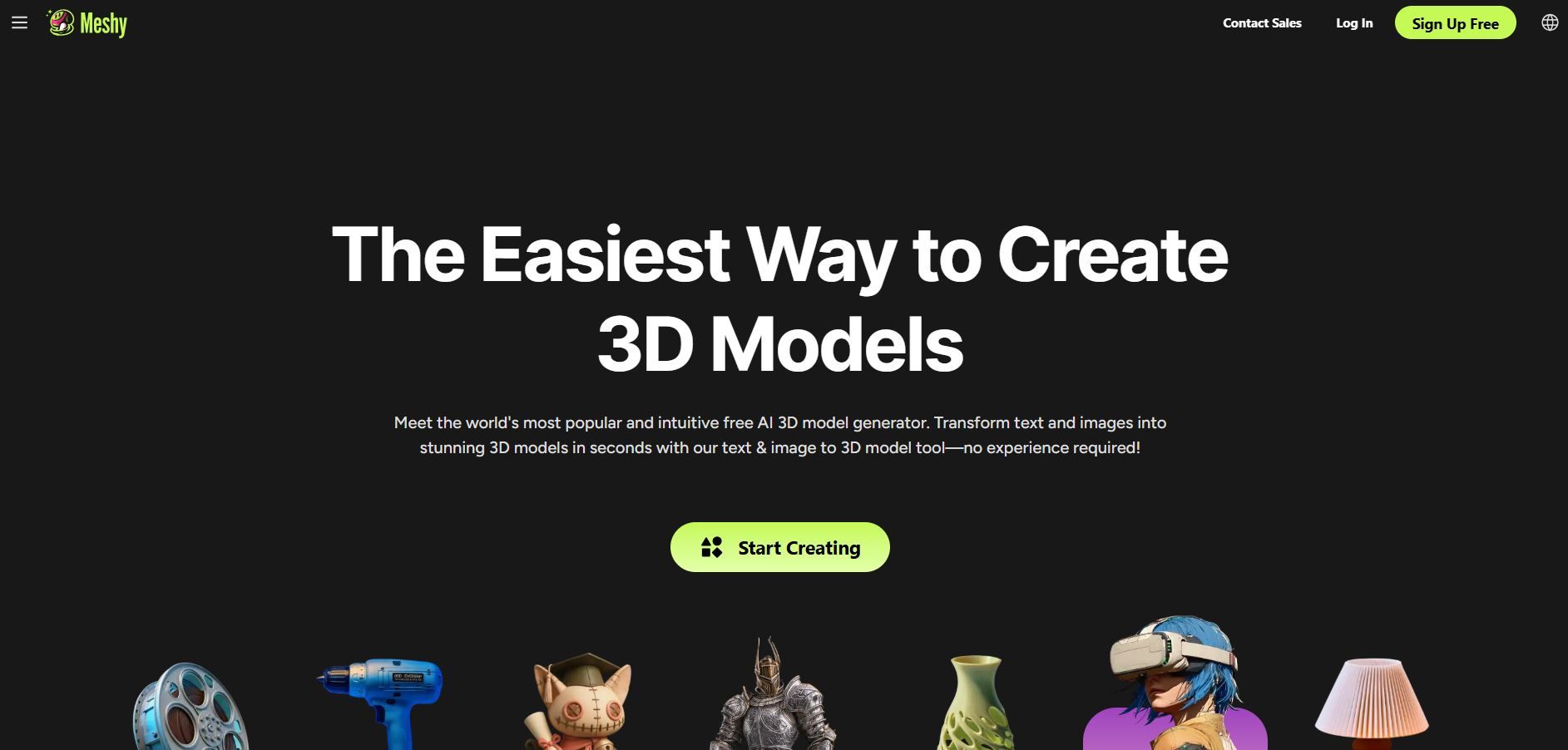
The API supports multiple input types—text prompts, single images, image sets, and sketches. Export options include OBJ, FBX, USDZ, GLB, STL, and BLEND formats.
Generation quality balances speed and detail. Preview models generate in 15-20 seconds, while refined high-poly versions take 2-3 minutes.
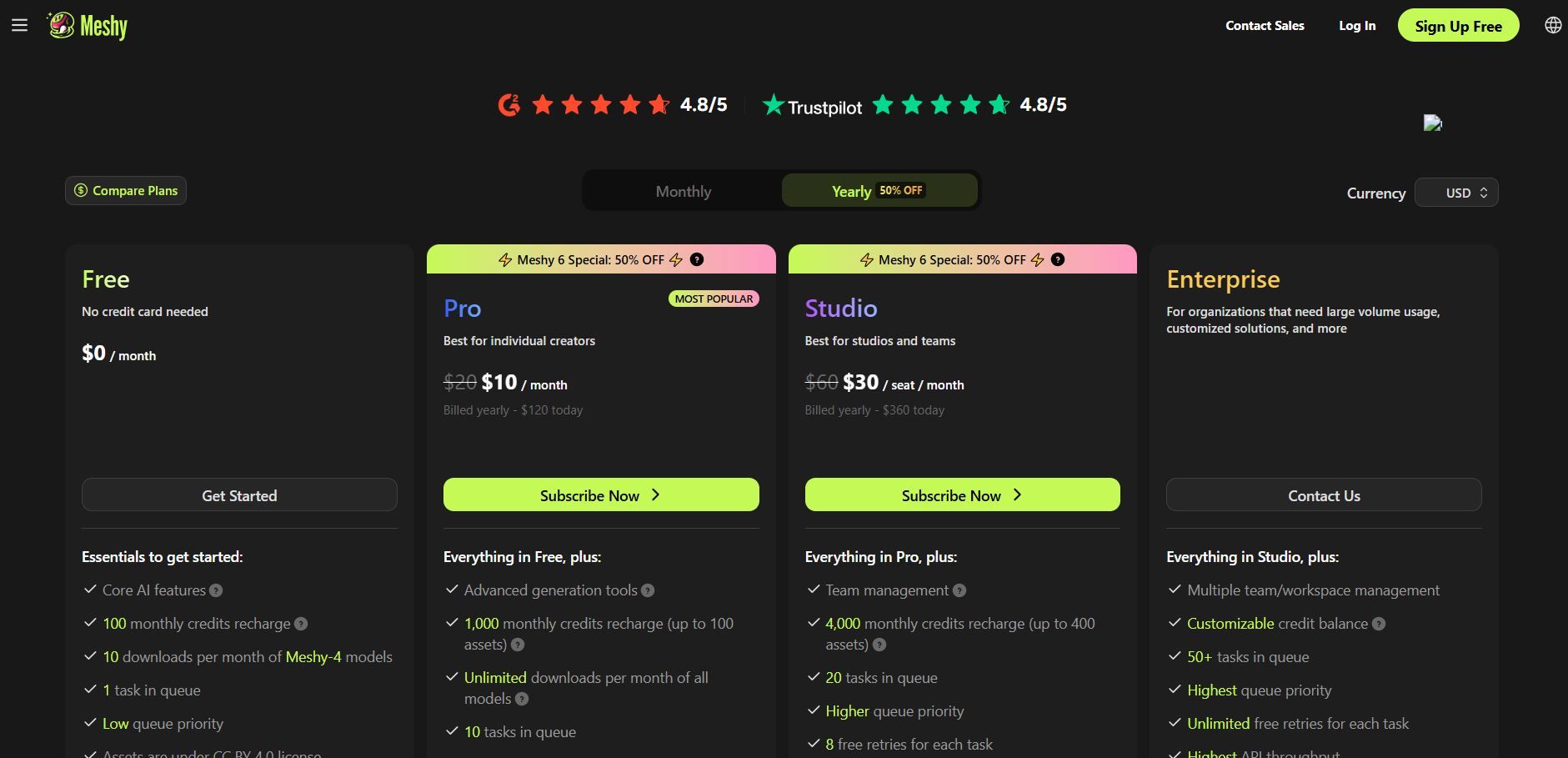
Pricing: Free plan with 100 monthly credits. Pro plan at $20/month (1,000 credits, API access). Studio/Max Unlimited at $120/month.
Best For: Studios requiring native integrations with existing 3D software pipelines and diverse input options.
5. CSM (Common Sense Machines): Production-Grade Assets
CSM's Cube platform focuses on generating game-ready 3D assets with proper topology, LODs, and optimized meshes. The technology emphasizes practical production requirements rather than just visual quality.
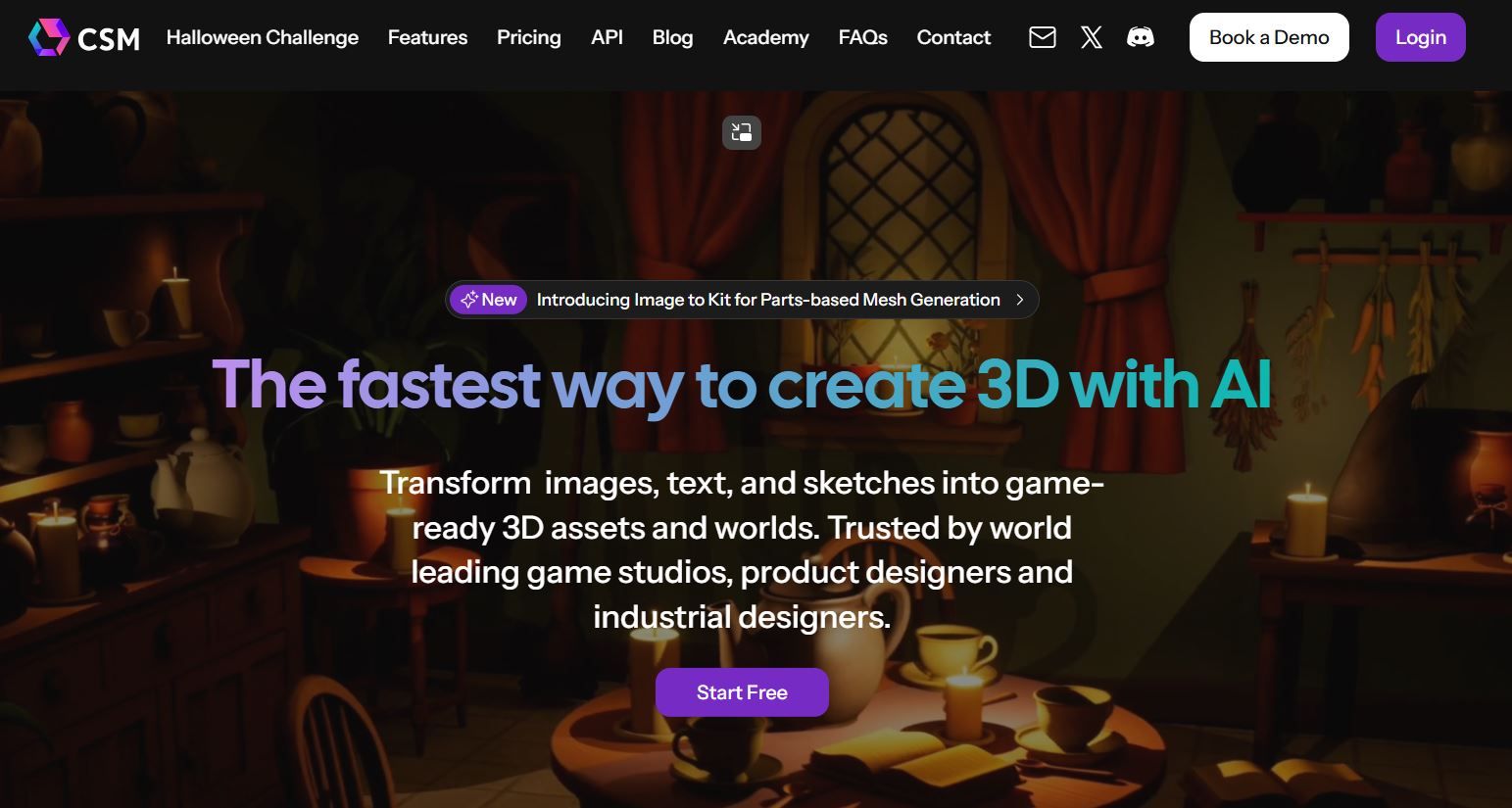
The platform offers image-to-3D, multi-view-to-3D, and specialized tools including image-to-kit and AI retopology. The retopology feature converts high-poly scanned meshes into clean, animation-ready topology valuable for character work.
API documentation follows OpenAPI standards with clear error handling and webhook support for asynchronous processing.
Pricing: Free Tinkerer plan. Maker plan at $20/month. Creative Pro at $60/month with API access.
Best For: Professional game developers requiring animation-ready topology and comprehensive asset processing pipelines.
6. Stability AI (Stable Fast 3D): Lightning-Fast Generation
Stable Fast 3D (SF3D) achieves the fastest generation in the industry at approximately 0.5 seconds per model. Built on TripoSR with architectural improvements, the platform sacrifices some quality for unprecedented speed.
The technology produces UV-unwrapped meshes with material parameters in GLB format. Quality suffices for preview workflows, mobile games, and applications where speed outweighs photorealism.
Pricing: 2 credits per successful generation. Community License free for individuals and businesses under $1M annual revenue.
Best For: Rapid prototyping, mobile game assets, and applications prioritizing speed over maximum quality.
7. Masterpiece X: Developer-Friendly Integration
Masterpiece X combines accessible web-based tools with a robust API designed for developer integration. The platform emphasizes ease of use without sacrificing technical capabilities.
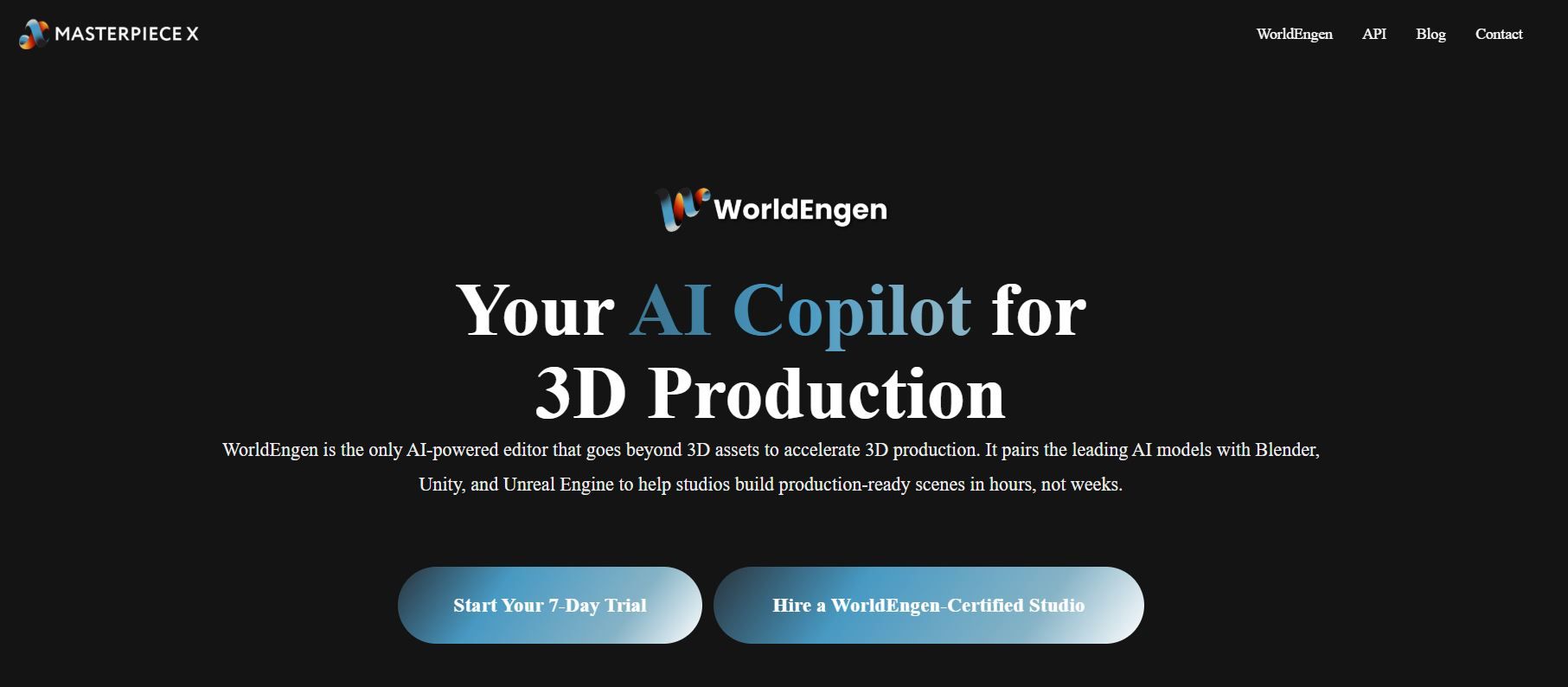
The API supports text-to-3D and image-to-3D generation with straightforward REST endpoints. Documentation includes code examples in multiple languages and SDKs simplifying authentication and file handling. The pay-as-you-go credit system avoids subscription commitments.
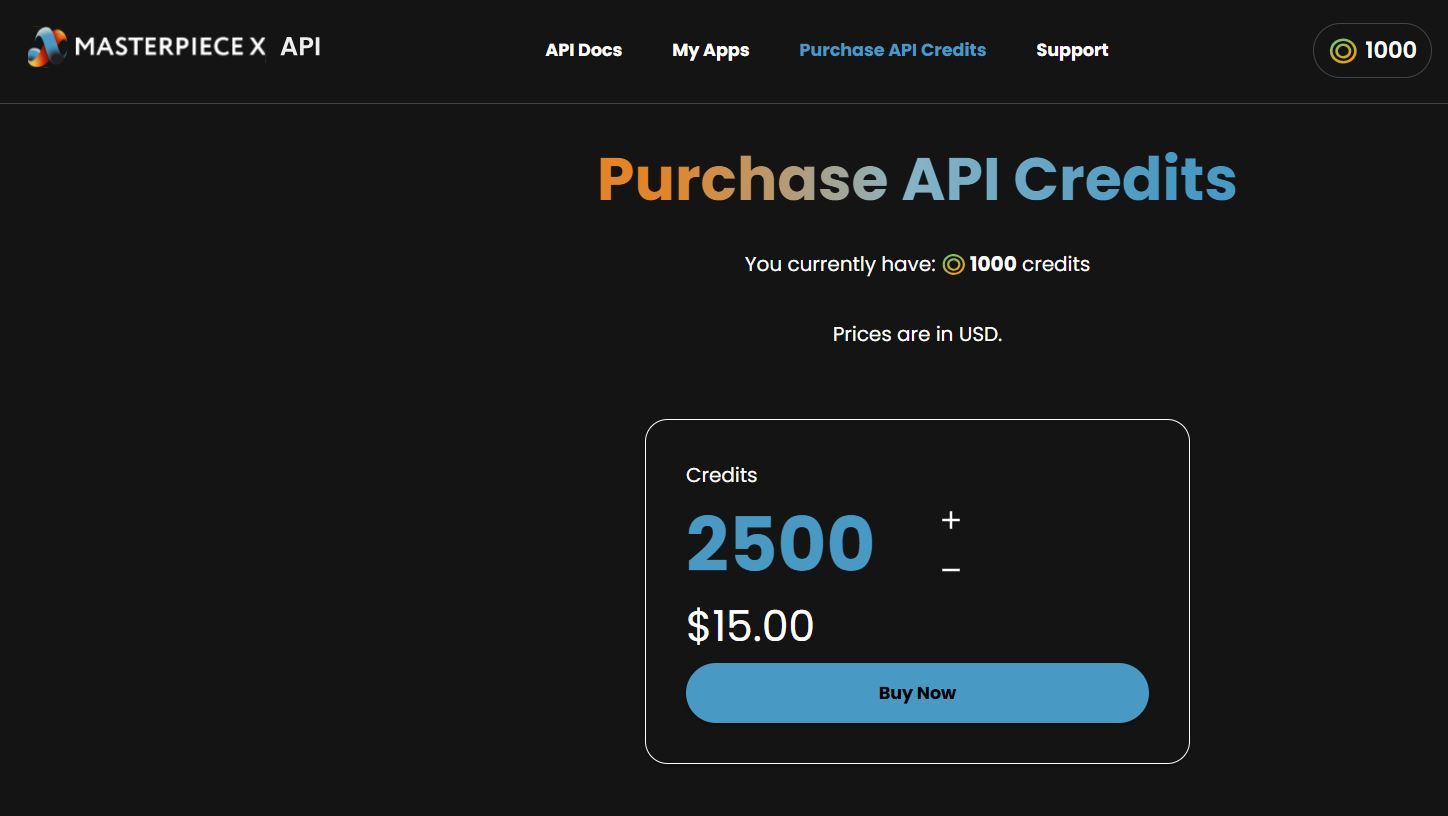
Pricing: $15 for 2500 credits with no monthly fees. Approximately 50 credits per image-to-3D generation. New users receive 250 bonus credits.
Best For: Independent developers and startups wanting pay-as-you-go pricing without subscriptions.
8. Alpha3D: Enterprise-Focused Solutions
Alpha3D targets enterprise customers requiring scalable infrastructure, dedicated support, and white-label integration options. The platform provides both text-to-3D and image-to-3D pipelines through a managed REST API.
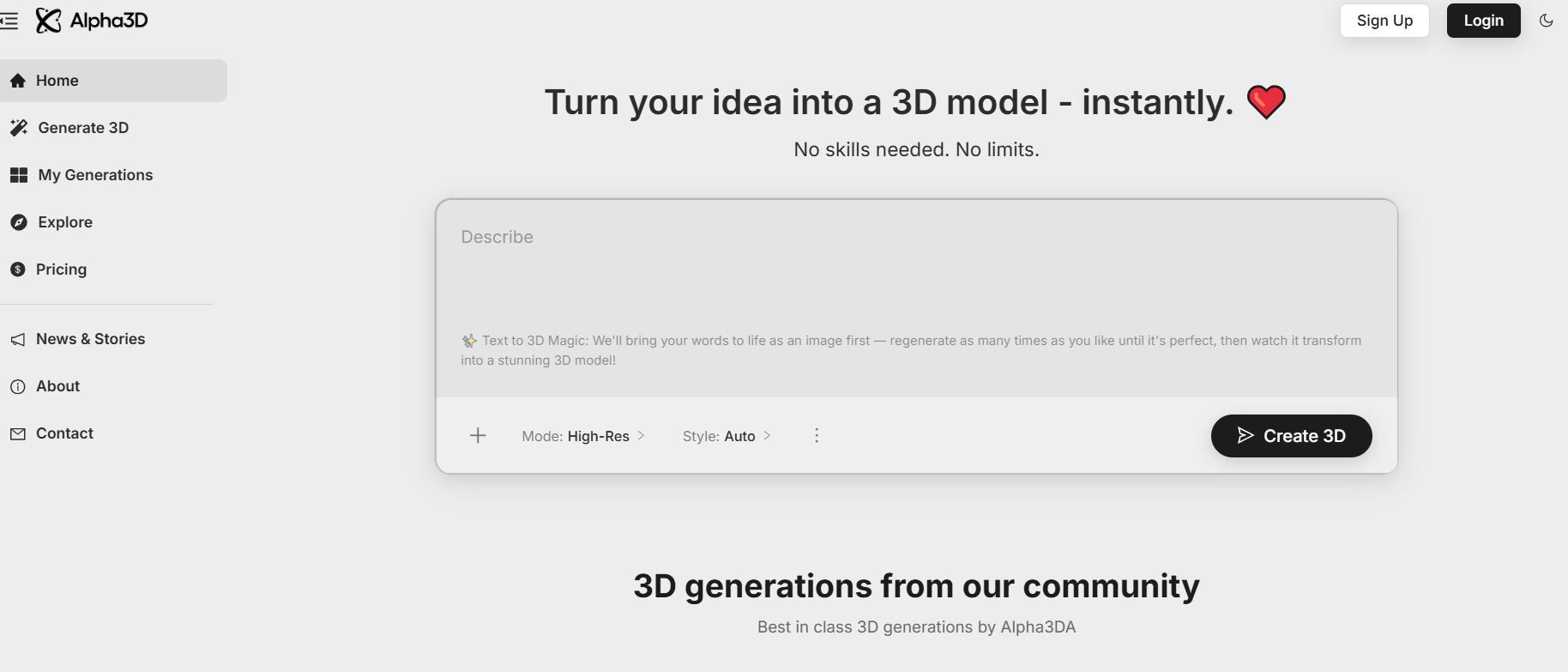
Technical features include GPU auto-scaling, comprehensive SDKs, and webhook callbacks for asynchronous workflows. The infrastructure handles burst traffic without manual scaling configuration.
Pricing: Free trial with 50 AI-generated assets. Token-based plans reportedly range from $0.99/month to $399.99/month. Enterprise plan includes unlimited generation with custom pricing.
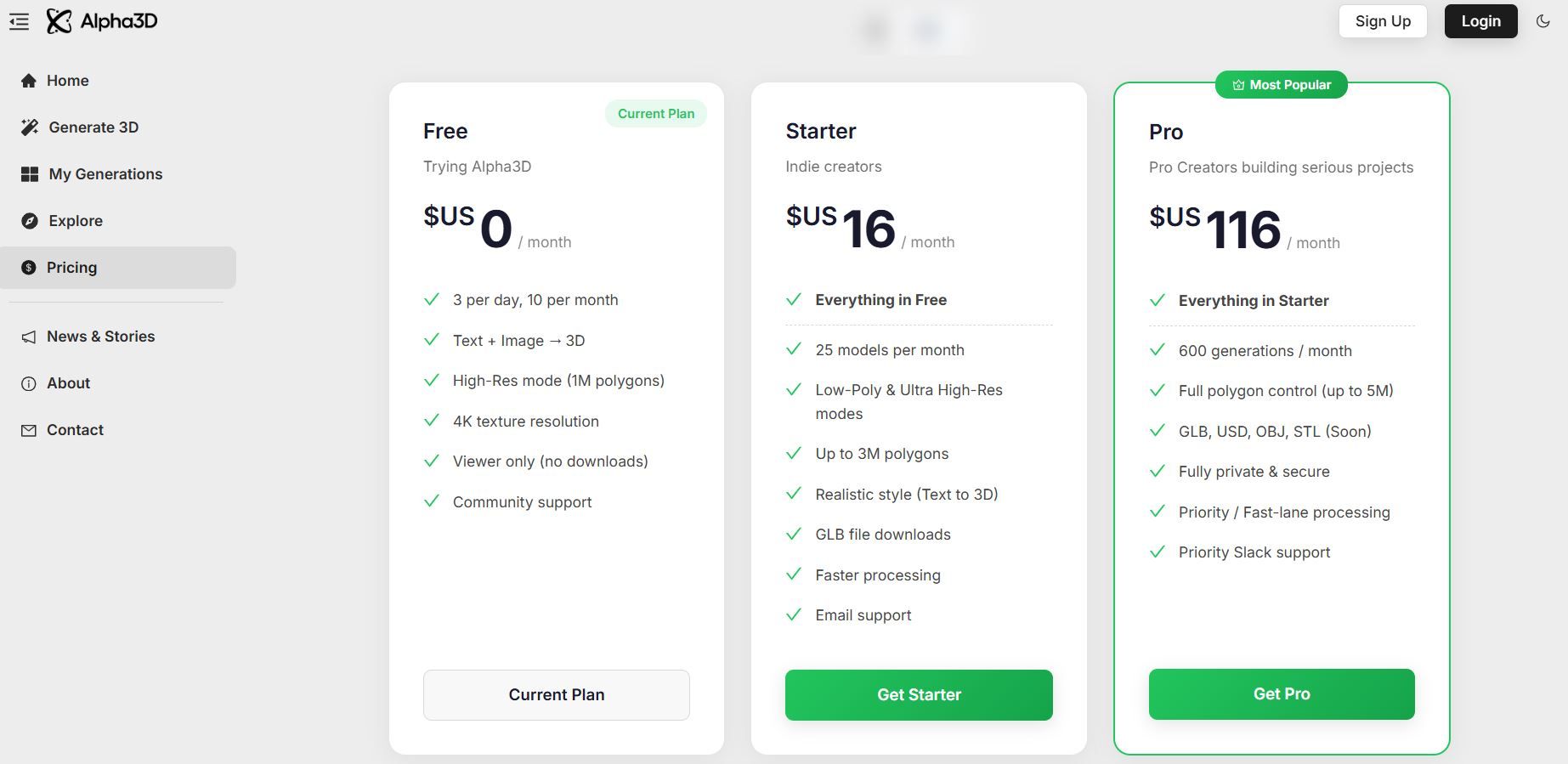
Best For: Enterprise teams requiring scalable infrastructure, dedicated support, and white-label integration capabilities.
9. Luma AI: Video and Image Reconstruction
Luma AI extends beyond simple image-to-3D conversion, offering video-to-3D reconstruction through neural radiance fields (NeRF) technology. The platform captures spatial information from video sequences, producing highly accurate geometry.
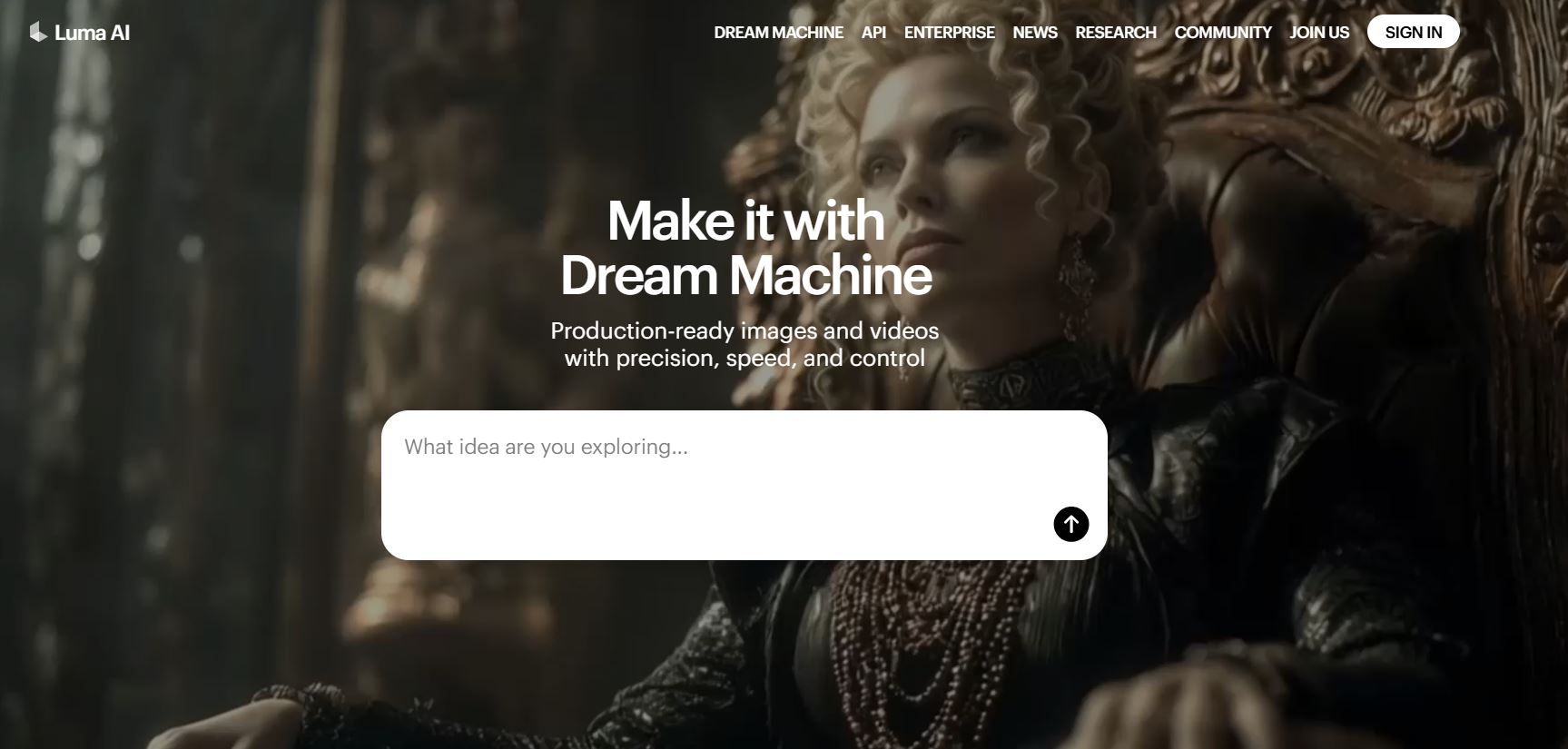
The Genie feature handles text-to-3D and image-to-3D generation. The real differentiator comes from the video capture workflow, enabling users to record objects with smartphones and upload footage for reconstruction.
Pricing: Free plan with 500 monthly credits. Lite plan at $9.99/month (3,200 credits). Video-to-3D costs approximately $1 per capture.
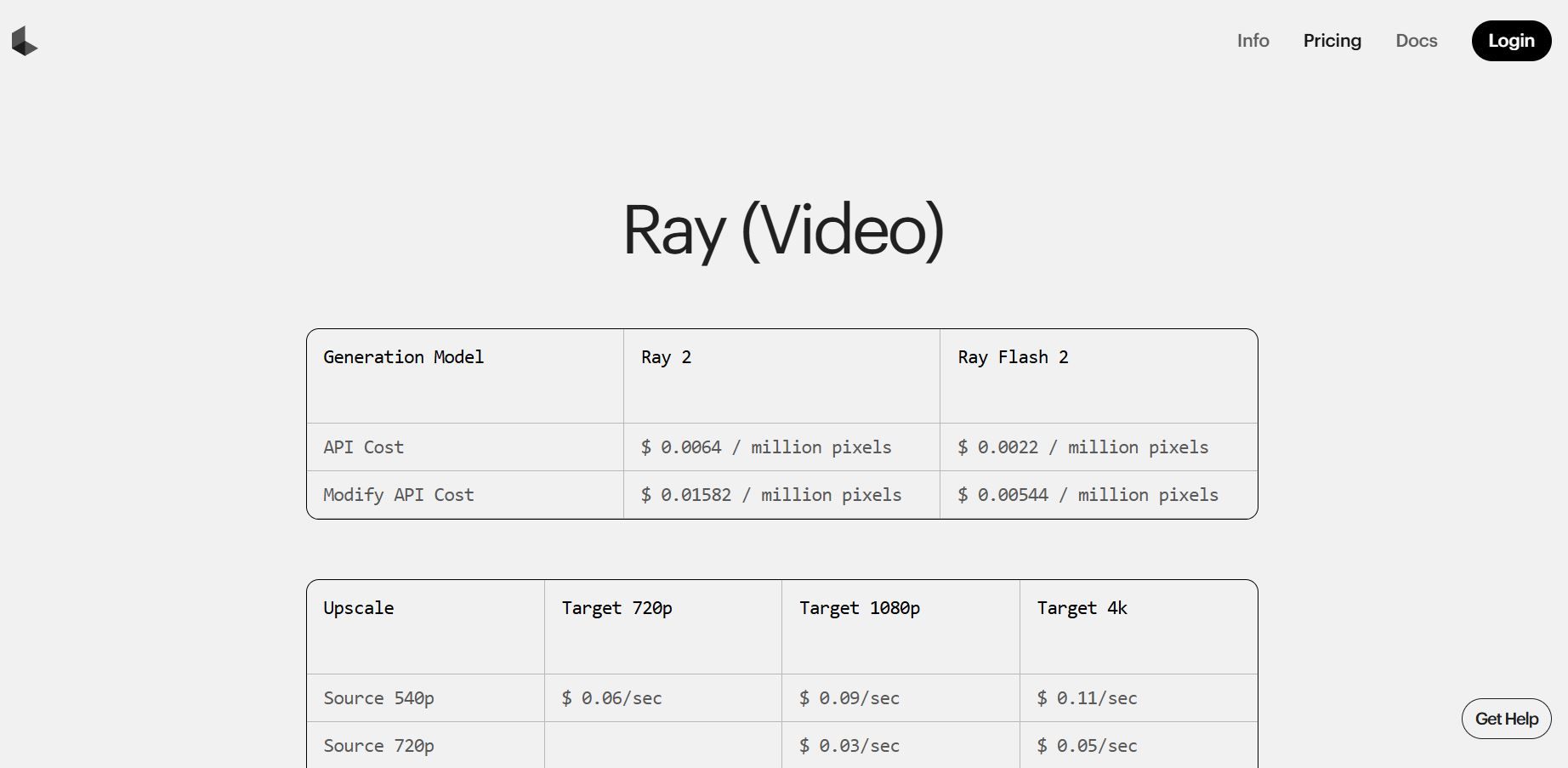
Best For: Applications requiring video-based reconstruction and neural radiance field capabilities beyond standard image-to-3D.
10. Kaedim: AI-Human Hybrid Workflow
Kaedim uniquely combines AI generation with human artist refinement. The platform's AI produces initial models, which in-house 3D artists review and improve before delivery. This hybrid approach guarantees production-ready quality while maintaining faster turnaround than purely manual workflows.
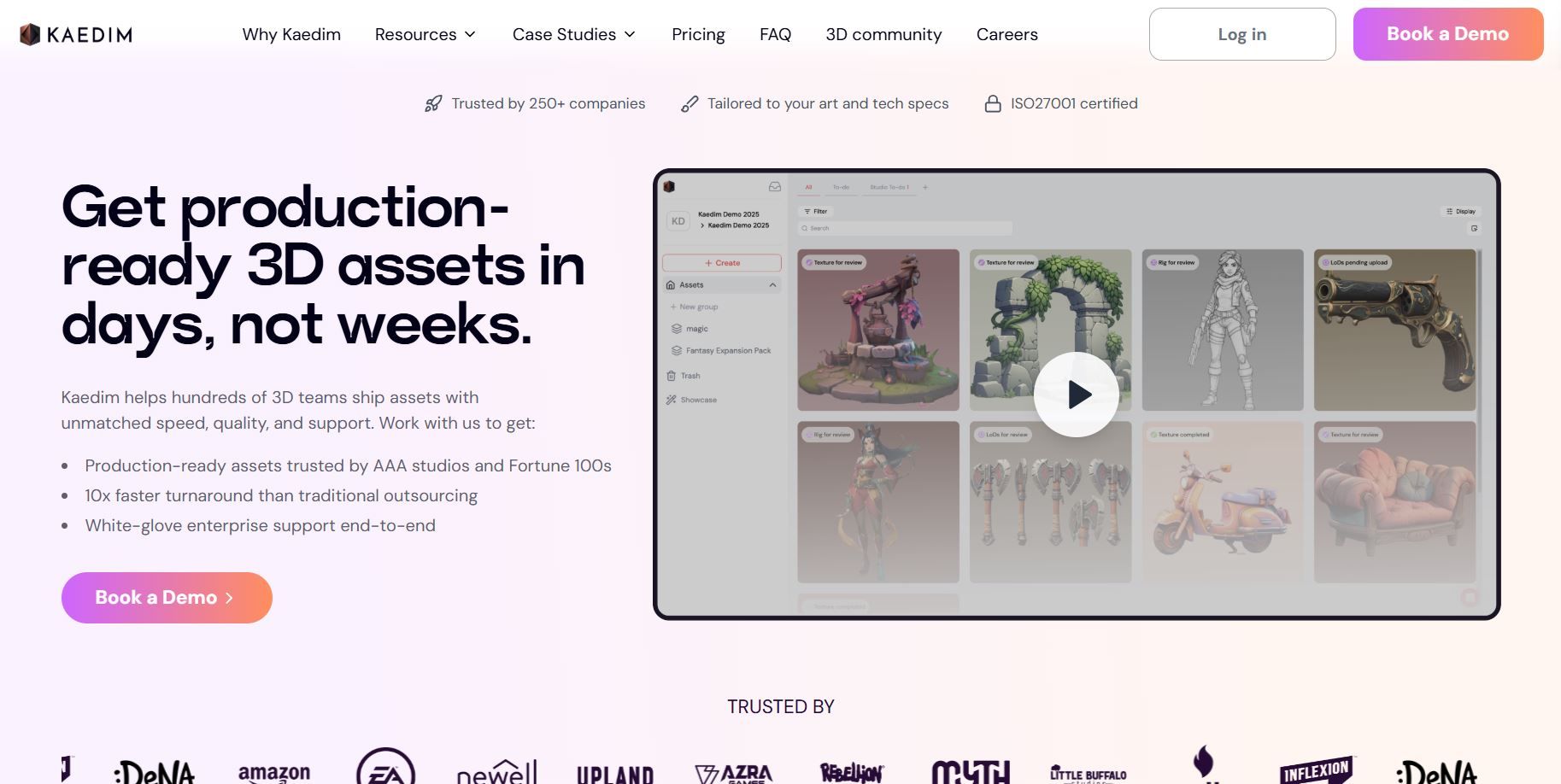
The process typically completes within 24-48 hours rather than the seconds or minutes offered by pure AI platforms. This trade-off makes sense for projects requiring guaranteed quality over speed game studios preparing hero assets, product manufacturers creating marketing materials, or applications where visual quality directly impacts revenue.
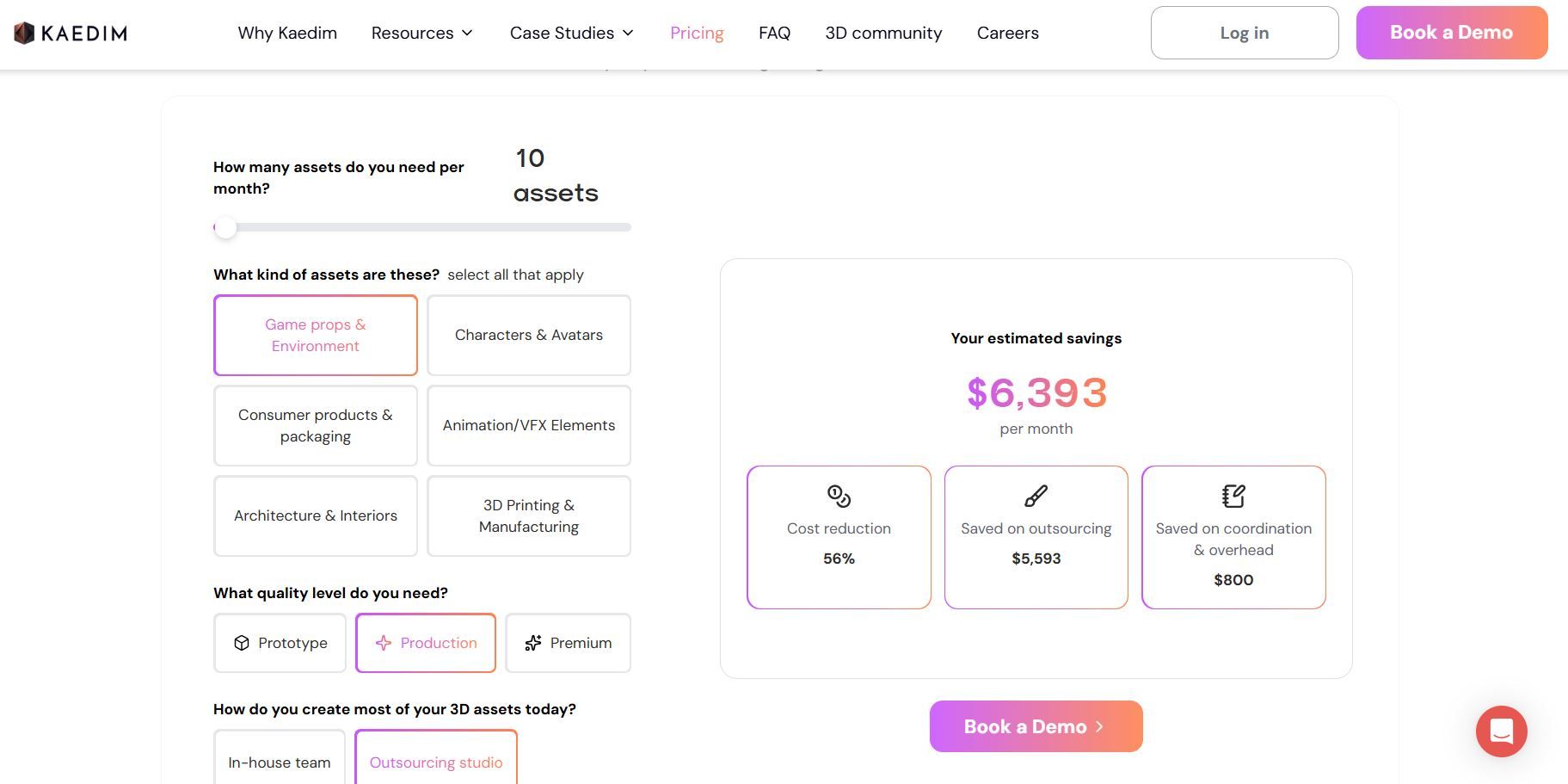
Pricing: Not publicly disclosed. Contact sales for custom quotes based on volume and quality requirements. Platform claims 90% cost reduction versus traditional 3D modeling services.
Best For: Projects requiring guaranteed production-ready quality with human artist quality control.
Quick Reference Comparison Table
| Platform | Speed | Quality | Starting Price | Best Use Case |
|---|---|---|---|---|
| Hypereal AI | ⚡⚡⚡ Very Fast | ⭐⭐⭐⭐⭐ Excellent | Custom pricing | Advanced reconstruction |
| Tripo AI | ⚡⚡⚡ Fast (8-30s) | ⭐⭐⭐ Good | Free (300 credits) | Game dev iteration |
| Rodin | 🐌 Slow (2-5min) | ⭐⭐⭐⭐⭐ Excellent | $0.30/generation | Photorealistic needs |
| Meshy | ⚡⚡ Medium (15-20s) | ⭐⭐⭐ Good | Free (100 credits) | Multi-software pipeline |
| CSM | ⚡⚡ Medium | ⭐⭐⭐⭐ Very Good | Free (baseline) | Production topology |
| Stability AI | ⚡⚡⚡⚡ Fastest (0.5s) | ⭐⭐ Fair | 2 credits/gen | Rapid prototyping |
| Masterpiece X | ⚡⚡ Medium | ⭐⭐⭐ Good | $15 (2550 credits) | Pay-as-you-go |
| Alpha3D | ⚡⚡ Medium | ⭐⭐⭐ Good | Free trial (50 assets) | Enterprise scale |
| Luma AI | ⚡ Slow (varies) | ⭐⭐⭐⭐ Very Good | Free (500 credits) | Video reconstruction |
| Kaedim | 🐌🐌 Very Slow (24-48h) | ⭐⭐⭐⭐⭐ Excellent | Custom pricing | Guaranteed quality |
Choosing the Right Platform
Selecting an Image to 3D API depends on your specific requirements across multiple dimensions:
For photorealistic quality: Choose Rodin or Kaedim. Rodin offers the best automated quality while Kaedim guarantees human-verified results.
For speed-critical applications: Choose Stability AI for absolute fastest generation (0.5s) or Tripo for fast generation with better quality (8-30s).
For versatile integration: Choose Meshy for comprehensive plugin support across 3D software, or CSM for production-ready topology.
For budget constraints: Start with free tiers from Tripo, Meshy, or Stability AI. Masterpiece X offers pay-as-you-go without subscriptions.
For enterprise features: Choose Alpha3D or CSM for scalable infrastructure, dedicated support, and white-label options.
For video reconstruction: Luma AI provides the only robust video-to-3D capabilities in this comparison.
Most production applications benefit from integrating multiple APIs, routing requests based on use case. Generate quick previews with Stability AI, refine selected assets with Rodin, and use Kaedim for hero assets requiring guaranteed quality.
Conclusion
Image to 3D APIs have matured into production-ready infrastructure enabling new product categories. Quality varies significantly between platforms, so evaluate each using your actual use cases with representative inputs before committing to paid tiers. Most platforms offer free trials start with small-scale integration to validate quality and performance, then scale as confidence builds. The ecosystem evolves rapidly with regular improvements and price reductions, so maintain flexibility to swap providers as capabilities shift.