
Ashley Innocent
 Viewpoint
Socket.IO vs Native WebSocket: Which Should You Use?
Socket.IO adds features like automatic reconnection and fallbacks, but Native WebSocket is simpler and faster. Learn when to use each and how Modern PetstoreAPI implements both.
Ashley Innocent
March 13, 2026
 Viewpoint
When Should You Use MQTT Instead of HTTP for APIs?
MQTT excels for IoT devices with limited bandwidth and unreliable networks. Learn when MQTT beats HTTP and how Modern PetstoreAPI uses MQTT for pet tracking devices and smart feeders.
Ashley Innocent
March 13, 2026
 Viewpoint
WebSocket vs Server-Sent Events: Which Is Better for Real-Time APIs?
WebSocket and Server-Sent Events both enable real-time communication, but they solve different problems. Learn when to use each and how Modern PetstoreAPI implements both protocols.
Ashley Innocent
March 13, 2026
 Viewpoint
What Is the Model Context Protocol (MCP) and Why Does It Matter for APIs?
MCP lets AI assistants like Claude Desktop connect to your APIs securely. Learn how MCP works and how Modern PetstoreAPI implements MCP for AI-powered pet management.
Ashley Innocent
March 13, 2026
 Tutorials
How Do You Build Event-Driven APIs with Webhooks and Message Queues?
Event-driven APIs decouple services and enable asynchronous processing. Learn how to combine webhooks, message queues, and event buses with Modern PetstoreAPI patterns.
Ashley Innocent
March 13, 2026
 Tutorials
How Do You Stream API Responses Using Server-Sent Events (SSE)?
Server-Sent Events let you stream API responses in real-time. Learn how to implement SSE for live updates, AI streaming, and progress tracking with Modern PetstoreAPI examples.
Ashley Innocent
March 13, 2026
 Tutorials
How Should You Design Reliable Webhooks?
Webhooks are unreliable by nature. Learn how to design production-ready webhooks with retry logic, idempotency, signature verification, and timeout handling using Modern PetstoreAPI patterns.
Ashley Innocent
March 13, 2026
 Viewpoint
What Are OAuth 2.0 Scopes and How Do They Work?
OAuth 2.0 scopes define what permissions an access token has. Learn how scopes work, how to design them, and how Modern PetstoreAPI implements granular scope-based authorization.
Ashley Innocent
March 13, 2026
 Viewpoint
REST vs GraphQL vs gRPC: Which API Protocol Should You Choose?
REST, GraphQL, and gRPC each solve different problems. Learn when to use each protocol and how Modern PetstoreAPI implements all three for maximum flexibility.
Ashley Innocent
March 13, 2026
 Viewpoint
What Changed in OpenAPI 3.2 vs 3.1 vs 3.0?
OpenAPI has evolved from 3.0 to 3.2 with major improvements. Learn the key differences, new features, and how Modern PetstoreAPI uses OpenAPI 3.2 to showcase the latest capabilities.
Ashley Innocent
March 13, 2026

How Do You Build a Multi-Protocol API with REST, GraphQL, and gRPC?
Building APIs that support multiple protocols gives clients flexibility. Learn how to architect multi-protocol APIs and how Modern PetstoreAPI implements REST, GraphQL, and gRPC from a shared core.
Ashley Innocent
March 13, 2026
 Viewpoint
Should REST APIs Implement HATEOAS Hypermedia Links?
HATEOAS is the most controversial REST constraint. Learn what it is, why most APIs skip it, and how Modern PetstoreAPI implements practical hypermedia links where they add value.
Ashley Innocent
March 13, 2026
 Tutorials
How Should You Implement API Rate Limiting?
API rate limiting prevents abuse and ensures fair usage. Learn token bucket, sliding window, and how Modern PetstoreAPI implements rate limiting with standard IETF headers.
Ashley Innocent
March 13, 2026
 Viewpoint
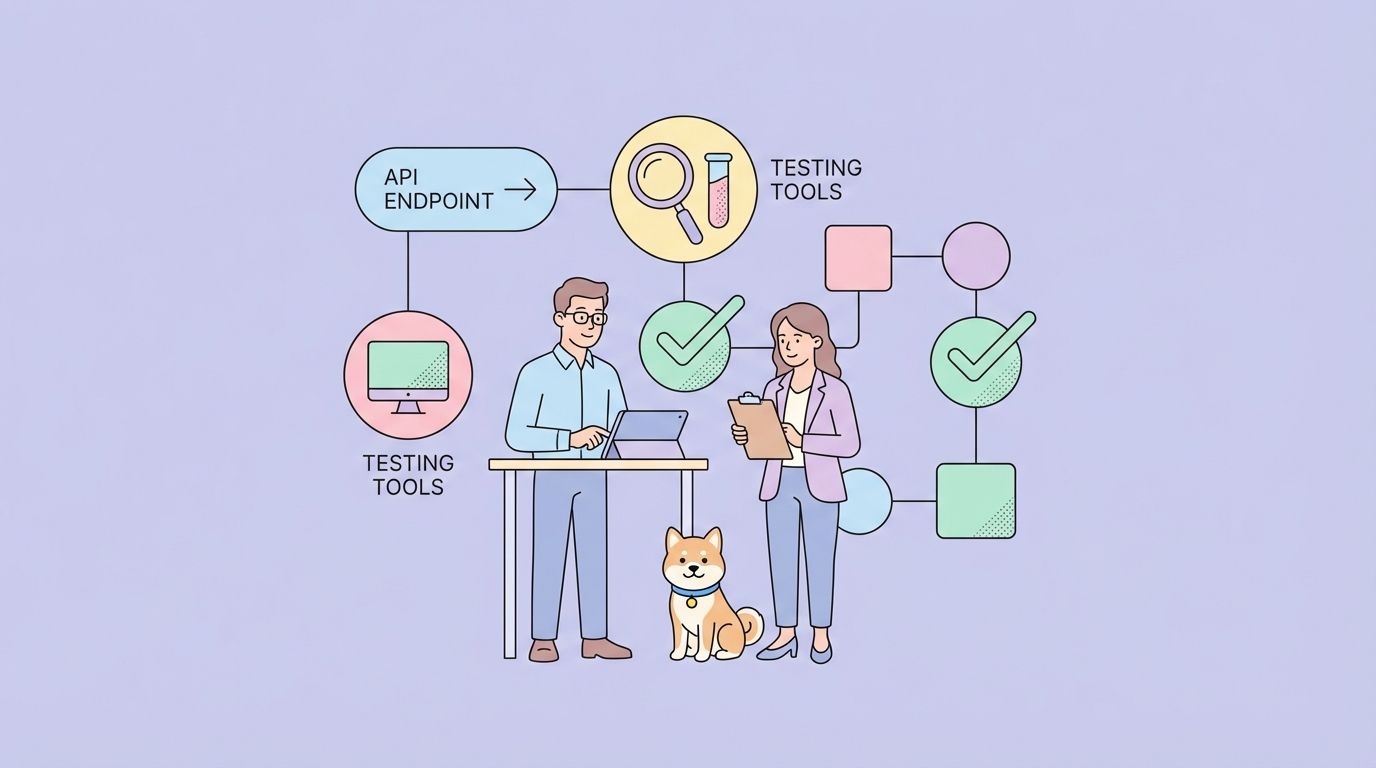
What Is the Best API Versioning Strategy: URL, Header, or Content Negotiation?
API versioning strategies each have tradeoffs. Learn the pros and cons of URL versioning, header versioning, and content negotiation, and how Modern PetstoreAPI implements versioning correctly.
Ashley Innocent
March 13, 2026
 Tutorials
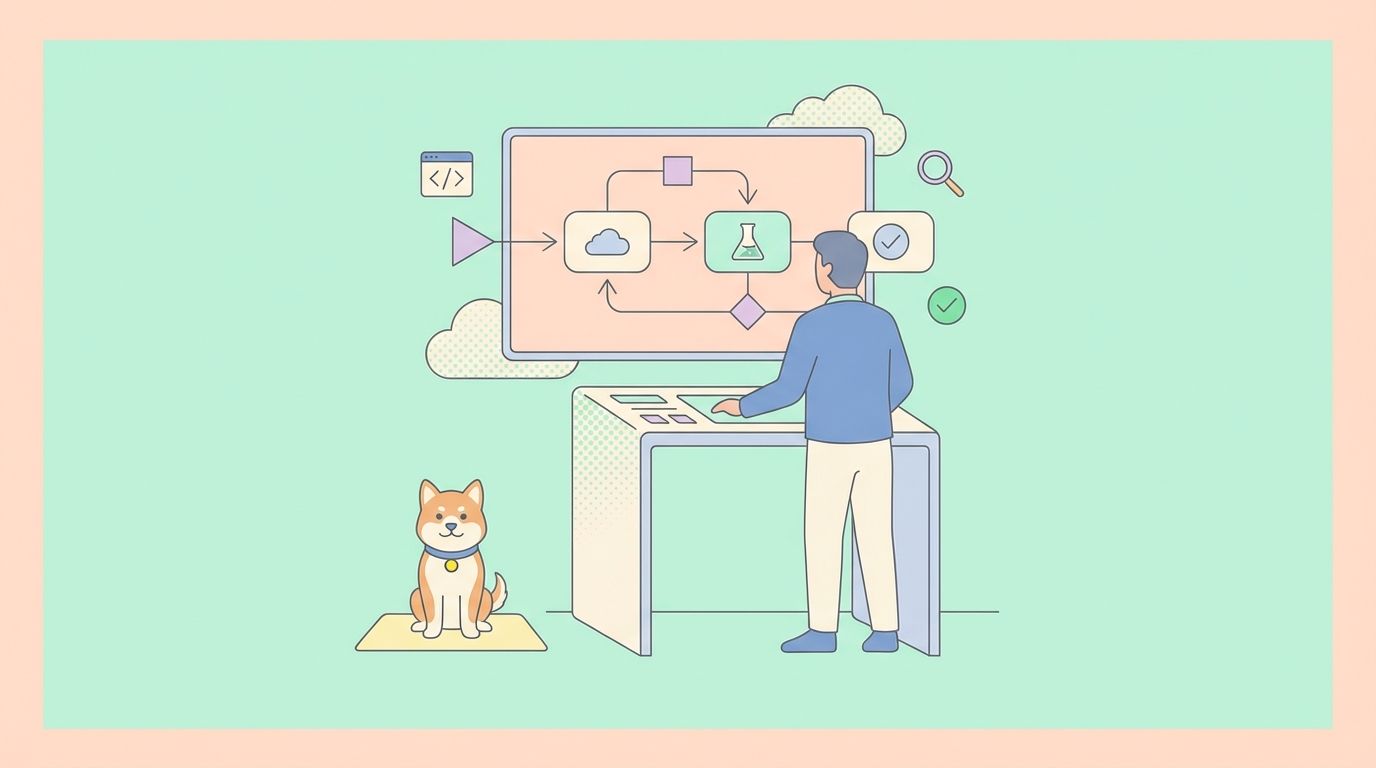
How Should You Design API Pagination for Millions of Records?
Offset-based pagination breaks at scale. Learn cursor-based pagination, keyset pagination, and how Modern PetstoreAPI implements efficient pagination for large datasets.
Ashley Innocent
March 13, 2026