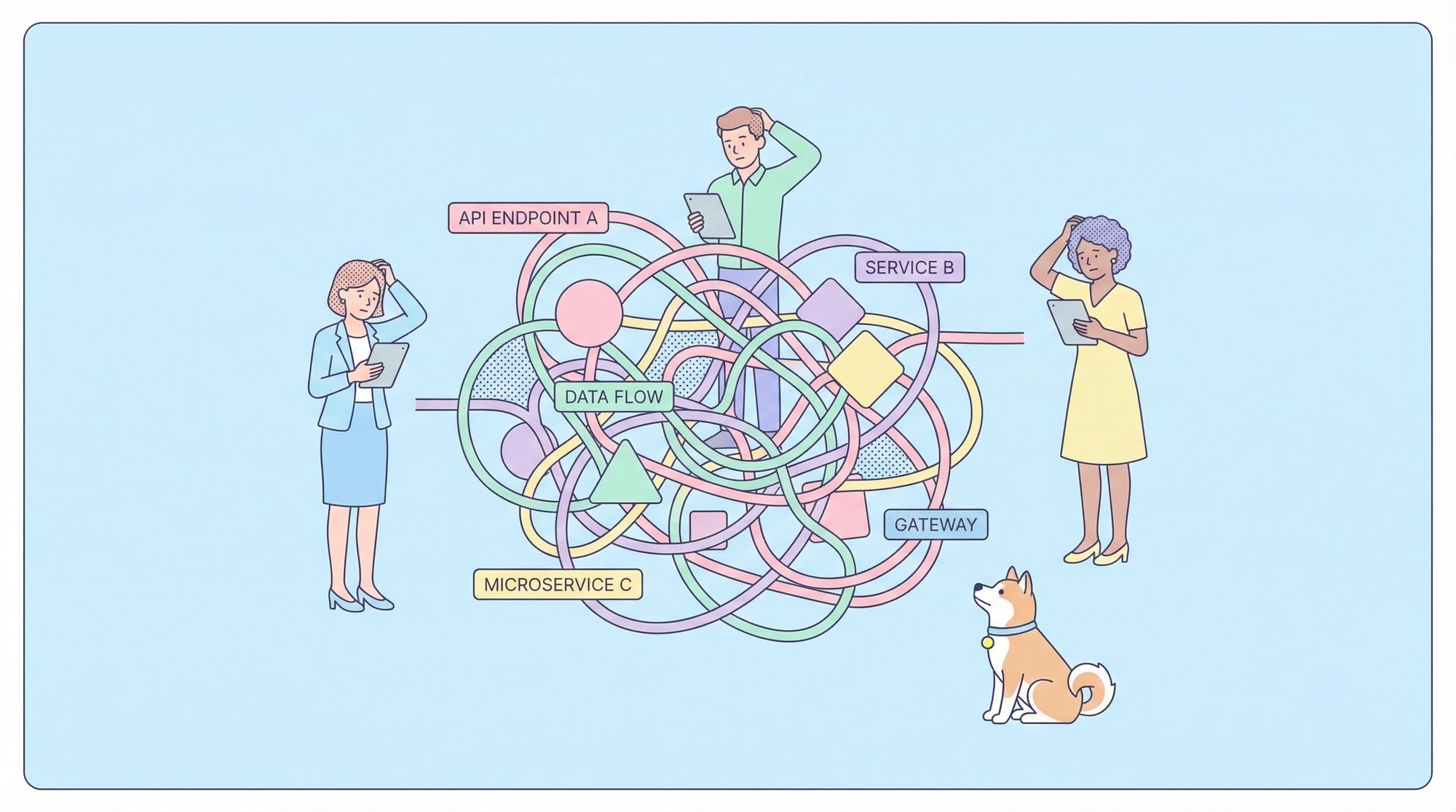
API sprawl has rapidly emerged as one of the most pressing challenges for modern organizations embracing digital transformation. As businesses race to build interconnected systems, the number of APIs grows exponentially—often without proper oversight or cohesive management. This leads to API sprawl: a chaotic, fragmented, and potentially hazardous landscape of loosely governed APIs.
In this comprehensive guide, we'll demystify API sprawl, explore its root causes and dangers, examine real-world scenarios, and—most importantly—show you actionable strategies (including leveraging Apidog) to regain control.
What Is API Sprawl? A Clear Definition
API sprawl refers to the uncontrolled, uncoordinated, and often invisible proliferation of APIs within an organization. Unlike simply having "many APIs," API sprawl is characterized by:
- Lack of central oversight – APIs are created across teams with little communication.
- Redundancy and duplication – Multiple teams may unknowingly build similar or overlapping APIs.
- Documentation gaps – Many APIs are poorly documented, if at all.
- Fragmented security – APIs may not follow consistent authentication, authorization, or monitoring practices.
- Shadow IT – APIs are deployed outside the visibility of central IT or security, becoming a new form of "shadow IT."
API sprawl isn’t just a theoretical concern. In Traceable’s 2023 State of API Security Report, 48% of organizations cited API sprawl as their top challenge in API management and security.
Why API Sprawl Matters: The True Risks
1. Security Vulnerabilities
Every API is a potential doorway into your systems. When APIs are sprawled across the organization without oversight, some inevitably lack proper security controls, become outdated, or are simply forgotten—making them prime targets for attackers.
2. Operational Inefficiency
Managing, updating, and integrating hundreds or thousands of poorly tracked APIs drains resources. Teams spend unnecessary time on redundant work, onboarding is slowed, and troubleshooting takes longer due to poor visibility.
3. Compliance Nightmares
Regulated industries must ensure all APIs comply with data privacy, audit, and security standards. API sprawl leads to “unknown unknowns”—APIs that escape compliance checks and increase regulatory risk.
4. Increased Costs
Every new API brings development, testing, monitoring, and maintenance overhead. Sprawling APIs multiply these costs, often for redundant or low-value interfaces.
5. Hampered Innovation
When teams can’t find or trust existing APIs, they reinvent the wheel instead of building on what’s already there. API sprawl suffocates agility and slows digital transformation.
The Causes of API Sprawl
1. Decentralized Development
Modern, agile organizations encourage teams to move fast. But without centralized API planning, this leads to teams creating their own APIs for similar needs.
2. Poor Communication and Visibility
If developers can’t easily discover existing APIs, they’ll build new ones. Lack of a unified API catalog or documentation hub is a major driver of API sprawl.
3. Legacy Systems and Shadow IT
APIs built for past projects may linger, unmaintained and forgotten, while new APIs are added. Shadow IT—where teams bypass central IT to deliver faster—further fragments the API landscape.
4. Lack of Governance and Standards
Without clear policies for API design, versioning, and lifecycle management, APIs quickly diverge and duplicate.
5. Rapid Digital Transformation
As organizations migrate to the cloud, adopt microservices, or expand integrations, the sheer pace of change can outstrip the ability to manage APIs in an orderly way.
The Impact of API Sprawl: Real-World Scenarios
Scenario 1: Duplicate APIs Drain Resources
A global retail company lets each business unit develop its own e-commerce integrations. Within two years, five teams have built separate payment processing APIs—each slightly different, each requiring its own support, testing, and security updates.
Scenario 2: Security Breach via Forgotten API
A healthcare provider launches a new mobile app and exposes several APIs to third parties. Two years later, a deprecated but still-active API is exploited because it was never decommissioned or monitored—leading to a data breach and regulatory fines.
Scenario 3: Compliance Audit Failure
A financial services firm is audited for GDPR compliance. The auditors discover undocumented APIs that process personal data but lack required consent checks. These APIs were built by a now-disbanded project team and had never been inventoried.
Scenario 4: Slowed Product Development
A SaaS company’s engineering teams spend weeks integrating with internal APIs—only to find that some endpoints don’t work as documented, others are deprecated, and several teams have built similar but incompatible APIs for customer data. Product launches are delayed.
How to Identify API Sprawl in Your Organization
Ask yourself (and your teams):
- How many APIs do we have, and where are they?
- Who owns each API? Who maintains them?
- Are APIs documented, discoverable, and version-controlled?
- Which APIs are internal, external, or partner-facing?
- Do we have redundant or overlapping APIs?
- Are all APIs monitored and secured according to policy?
- Do we have a process for retiring outdated APIs?
If you can’t confidently answer these questions, you may already be suffering from API sprawl.
Strategies to Prevent and Combat API Sprawl
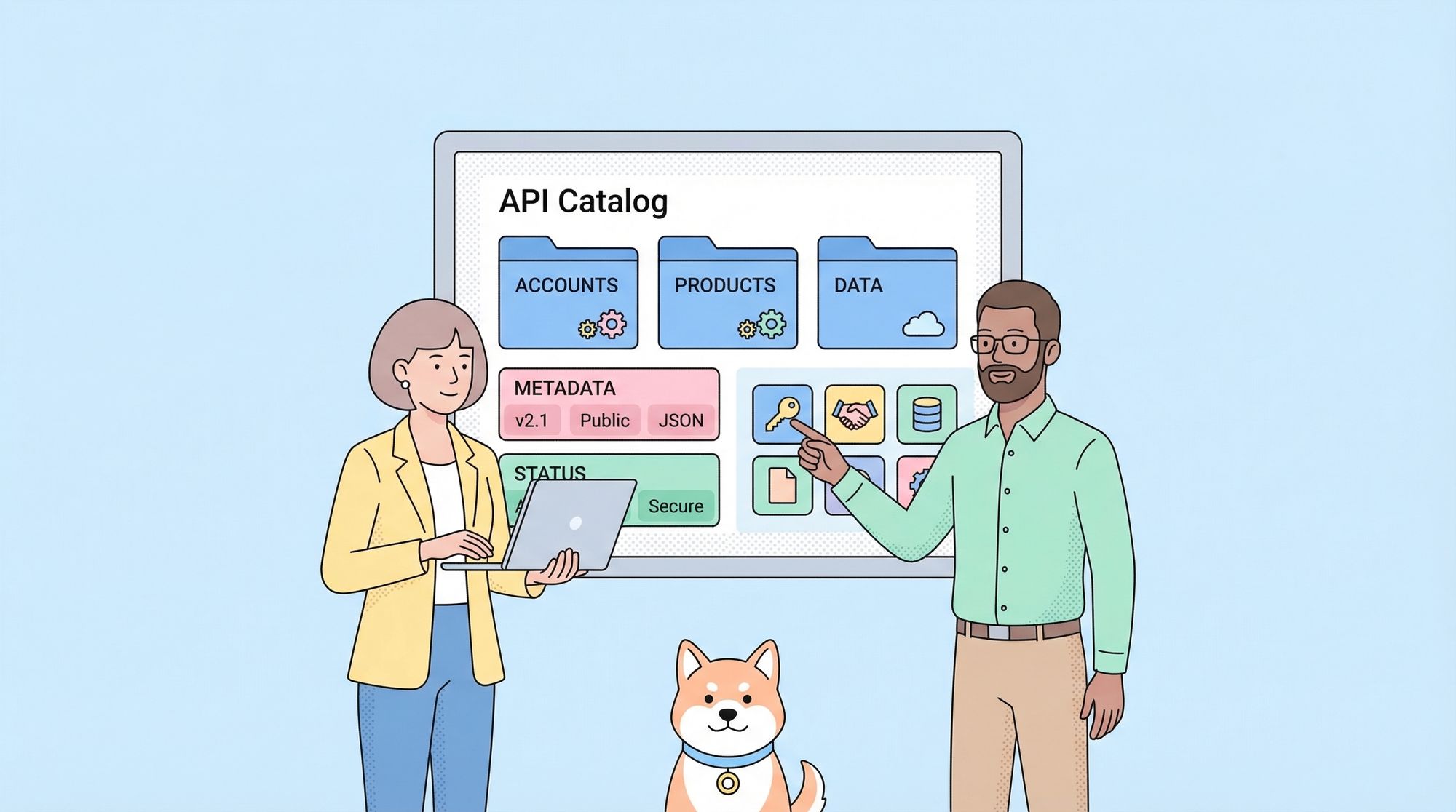
1. Centralized API Catalogs
Maintain a single source of truth for all APIs—internal, external, legacy, and new. Platforms like Apidog provide robust API documentation, cataloging, and search features, making it easy to discover, track, and govern APIs across teams.
2. API Governance Frameworks
Establish clear standards for API design, versioning, security, and lifecycle management. Enforce consistent review and approval processes for new APIs.
3. Automated API Documentation and Testing
Leverage tools that automatically generate, update, and publish API docs. Apidog, for example, can generate interactive online documentation and keep it up-to-date as APIs evolve—reducing the risk of “orphaned” or undocumented APIs.
4. Lifecycle Management and Decommissioning
Define clear processes for retiring or replacing outdated APIs. Regularly audit your API inventory to identify legacy APIs for deprecation.
5. Team Collaboration and Communication
Promote cross-team visibility. Tools like Apidog facilitate collaboration by providing shared workspaces, version control, and real-time updates—ensuring everyone stays on the same page.
6. Security and Monitoring Integration
Integrate API security best practices from the start. Ensure every API is monitored, authenticated, and authorized according to company policy—no exceptions.
Practical Examples: API Sprawl in Action
Example 1: Microservices Gone Wild
A large enterprise migrates to a microservices architecture. Each team builds and exposes its own set of REST APIs. Within months, the organization has hundreds of APIs, with little documentation and no central oversight. Integration work slows, security incidents rise, and the company realizes it has lost control.
Solution: They implement an API management platform, enforce documentation standards, and use a tool like Apidog to catalog, document, and manage all APIs centrally.
Example 2: Startup Scaling Pains
A fast-growing SaaS startup adds new features rapidly. Each feature launches with its own API endpoints, created by different devs. Over time, onboarding new engineers becomes painful as the API landscape is a maze of undocumented or outdated endpoints.
Solution: The startup adopts Apidog to standardize API definitions, automate documentation, and create a searchable API catalog—making onboarding and integration seamless.
Example 3: Regulated Industry Audits
A healthcare IT company must prove to auditors that all APIs handling patient data are secured and compliant. They struggle to even locate all APIs, as some were created years ago by now-departed staff.
Solution: By instituting centralized API discovery, lifecycle management, and automatic documentation updates (via Apidog), the company achieves compliance and reduces audit stress.
How Apidog Can Help You Conquer API Sprawl
Apidog is designed for spec-driven API development and management. Here’s how it directly addresses API sprawl:
- Unified API Catalog: All your APIs—across projects and teams—are discoverable in one place.
- Automated Documentation: Generate, update, and share live, interactive API docs easily.
- Version Control: Track API changes and maintain clear histories to avoid fragmentation.
- Import Existing APIs: Bring in APIs from Postman, Swagger, or other sources to centralize visibility.
- Collaboration Tools: Shared workspaces and real-time updates ensure everyone is on the same page.
- Mocking and Testing: Simulate APIs and test integrations before production, reducing redundant efforts.
By integrating Apidog into your workflow, you can dramatically reduce the risk of API sprawl and regain control over your API ecosystem.
Conclusion: Take Control Before API Sprawl Takes Over
API sprawl is a stealthy, fast-growing threat that can cripple organizations through security gaps, inefficiency, and compliance failures. But with awareness, clear governance, and the right tools—like Apidog—API sprawl can be tamed.
Next Steps:
- Audit your current API landscape—inventory everything.
- Establish central API documentation and governance.
- Adopt tools (like Apidog) to automate documentation, discovery, and lifecycle management.
- Regularly review, update, and deprecate APIs as needed.
Don’t let API sprawl undermine your digital ambitions. Take control today, and build a secure, efficient, and future-ready API ecosystem.